In today’s fast-paced world, finding time to prepare nutritious, delicious, and plant-based meals can often feel like an impossible task. Enter the humble slow cooker – a kitchen hero that promises to transform your culinary routine, especially when it comes to vegan eating. Imagine coming home to the aroma of a perfectly cooked, wholesome dinner, ready to be served with minimal effort. Vegan slow cooker meals are not just about convenience; they’re a gateway to exploring rich flavors, healthy ingredients, and sustainable eating without sacrificing precious time or compromising on taste. Let’s dive into how this magical appliance can revolutionize your vegan kitchen, making healthy, plant-based eating easier and more enjoyable than ever before.
The Ultimate Convenience: Why Choose Vegan Slow Cooker Meals?
The slow cooker, often referred to as a Crock-Pot, is an indispensable tool for anyone looking to simplify their cooking process. For vegans, it offers a unique advantage, transforming humble plant-based ingredients into extraordinary dishes with minimal hands-on time. It’s the ultimate solution for busy weeknights, meal prepping, and even entertaining.
Effortless Meal Prep and Time-Saving
- Set It and Forget It: The primary benefit is its ability to cook meals over several hours without constant supervision. Simply assemble your ingredients in the morning, turn it on, and come home to a fully cooked dinner.
- Reduced Hands-On Time: Unlike traditional cooking methods that demand constant stirring or monitoring, slow cooking frees up your time, allowing you to focus on other tasks or simply relax.
- Perfect for Busy Schedules: Whether you’re balancing work, family, or other commitments, vegan slow cooker recipes ensure you can still enjoy home-cooked, healthy meals without resorting to takeout.
Nutrient-Rich and Health-Promoting
- Gentle Cooking Preserves Nutrients: The low and slow cooking method helps to retain more nutrients in vegetables and legumes compared to high-heat methods.
- Hydration and Digestibility: Foods cooked in a slow cooker tend to be very moist and tender, making them easier to digest and more hydrating.
- Control Over Ingredients: By preparing meals at home, you have complete control over sodium levels, fats, and the quality of your plant-based ingredients, leading to healthier choices.
Budget-Friendly and Sustainable
- Affordable Ingredients: Vegan slow cooker recipes often rely on budget-friendly staples like lentils, beans, grains, and seasonal vegetables, significantly cutting down grocery costs.
- Less Food Waste: Slow cooking can bring tough, less expensive cuts of vegetables or even slightly older produce back to life, reducing food waste.
- Energy Efficiency: Modern slow cookers are surprisingly energy-efficient, often using less electricity than an oven for the same cooking time.
Unlocking Deep, Rich Flavors
- Flavor Development: The extended cooking time allows flavors to meld and deepen beautifully, resulting in incredibly rich and complex dishes. Spices, herbs, and aromatics have ample time to infuse every component of the meal.
- Tender Textures: Plant-based proteins like beans and lentils become wonderfully tender, absorbing all the delicious cooking liquid and spices.
- Hearty & Satisfying: The slow cooking process creates comforting, hearty meals perfect for any season, leaving you feeling truly satisfied.
Essential Ingredients for Your Vegan Slow Cooker Pantry
Building a well-stocked pantry is key to effortless vegan slow cooking. Many of these ingredients are shelf-stable, making last-minute meal preparation a breeze. Focus on whole, plant-based foods that can stand up to long cooking times and absorb flavors.
Protein Powerhouses: Legumes and Lentils
These are the backbone of many hearty vegan slow cooker meals, providing essential protein and fiber. Always use dried or canned (rinsed) varieties.
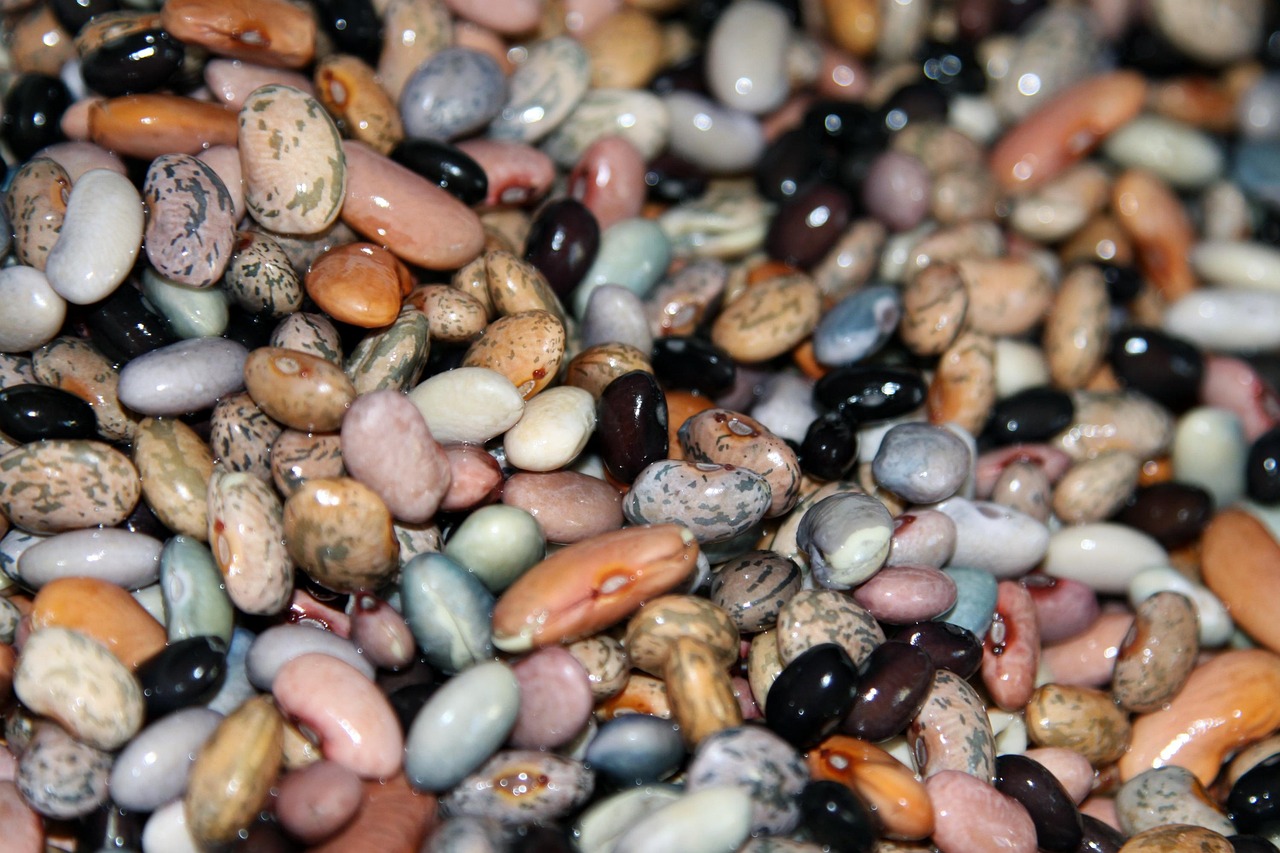
- Dried Beans: Black beans, kidney beans, cannellini beans, pinto beans, chickpeas. They cook beautifully from scratch in a slow cooker, absorbing flavors like no other.
- Lentils: Green, brown, or black lentils (red lentils tend to get too mushy for slow cooking unless specified in a recipe). They cook relatively quickly and add a wonderful texture.
- Split Peas: Perfect for comforting pea soup.
Vibrant Vegetables and Hearty Roots
Choose vegetables that hold their shape well and can withstand long cooking times. Fresh is always great, but frozen vegetables are excellent for convenience.
- Root Vegetables: Carrots, potatoes (russet, red, sweet), parsnips, turnips. They become incredibly tender and flavorful.
- Hardy Vegetables: Onions, garlic, celery, bell peppers, corn, green beans, winter squash (butternut, acorn).
- Canned Tomatoes: Diced, crushed, or whole peeled tomatoes are fantastic bases for stews and chilis.
- Greens: Heartier greens like kale or collard greens can be added in the last hour of cooking for a nutrient boost.
Grains and Starches for Sustenance
While some grains cook directly in the slow cooker, others are best cooked separately and added just before serving.
- Grains for Slow Cooker: Steel-cut oats (for breakfast), pearled barley (adds chewiness to stews).
- Starches to Add Later: Brown rice, quinoa, couscous are perfect accompaniments cooked separately and served with your slow cooker creation.
- Pastas: Smaller pasta shapes like elbow macaroni or ditalini can be added in the last 30-60 minutes of cooking for certain recipes.
Flavor Boosters: Broths, Herbs, and Spices
These elevate your dishes from simple to sublime, creating depth and complexity.
- Vegetable Broth: Always keep a good quality vegetable broth on hand, low sodium is preferred for better flavor control.
- Aromatics: Onion, garlic, ginger (fresh or powdered), bay leaves.
- Dried Herbs: Oregano, thyme, rosemary, marjoram, sage, dried parsley.
- Spices: Cumin, coriander, chili powder, smoked paprika, turmeric, curry powder, red pepper flakes for heat.
- Umami Enhancers: Nutritional yeast (for cheesy flavor), soy sauce or tamari, miso paste, liquid smoke.
- Acids: Lemon juice, apple cider vinegar, or a splash of red wine vinegar added at the end can brighten flavors.
Top Vegan Slow Cooker Meal Ideas to Inspire You
The versatility of the slow cooker shines when it comes to vegan cuisine. From hearty stews to aromatic curries, there’s a slow cooker recipe for every craving and occasion. Here are some popular and delicious ideas to get you started:
Comforting Chilis and Stews
These one-pot wonders are perfect for chilly evenings and excellent for meal prep.
- Hearty Black Bean Chili: Combine black beans, diced tomatoes, corn, bell peppers, onions, garlic, chili powder, cumin, and a dash of smoked paprika. Serve with avocado, cilantro, and a dollop of vegan sour cream.
- Lentil Vegetable Stew: A robust mix of green lentils, carrots, celery, potatoes, diced tomatoes, vegetable broth, and herbs like thyme and bay leaf. It’s incredibly nourishing and satisfying.
- Sweet Potato & Kale Stew: Cubed sweet potatoes, cannellini beans, kale, onions, garlic, vegetable broth, and a touch of maple syrup for sweetness. A great balance of sweet and savory.
Aromatic Curries and Flavorful Soups
The slow cooker excels at developing the complex flavors needed for truly authentic-tasting curries and deeply satisfying soups.
- Chickpea and Spinach Curry: Chickpeas, spinach, diced tomatoes, coconut milk, curry paste, ginger, garlic, and onions create a creamy, fragrant dish. Serve over rice or with naan bread.
- Butternut Squash and Red Lentil Soup: Butternut squash, red lentils, vegetable broth, coconut milk, ginger, garlic, and turmeric. Blend partially at the end for a creamy texture with some chunky bits.
- Mushroom Barley Soup: A deeply savory soup with cremini mushrooms, pearl barley, carrots, celery, onions, garlic, and vegetable broth. A true comfort food classic.
Hearty Main Dishes and Sides
Beyond traditional stews, the slow cooker can also handle more substantial main courses and convenient sides.
- Vegan Pulled BBQ Jackfruit: Young green jackfruit (canned in brine, rinsed and shredded), BBQ sauce, onions, garlic, and a splash of apple cider vinegar. Cook until tender, then shred further. Perfect for sandwiches or tacos.
- Slow Cooker Baked Potatoes: Simply wash and poke holes in russet potatoes, rub with a little oil and salt, and cook on low for 6-8 hours. Fluffy insides, ready for your favorite vegan toppings.
- Apple Cinnamon Steel-Cut Oats: For a hands-off breakfast, combine steel-cut oats, plant milk, diced apples, cinnamon, and a sweetener. Cook on low overnight for a warm, comforting morning meal.
Mastering Your Vegan Slow Cooker: Tips for Success
While slow cooking is largely forgiving, a few simple tips can elevate your dishes from good to outstanding, ensuring consistent delicious results every time.
Prepping for Perfection
- Chop Uniformly: For even cooking, ensure vegetables are cut into similar-sized pieces. Harder vegetables like carrots and potatoes should be cut smaller than softer ones like zucchini.
- Sauté Aromatics (Optional but Recommended): Briefly sautéing onions, garlic, and spices in a pan before adding them to the slow cooker can significantly deepen their flavor. This step activates their oils and sugars, creating a richer base.
- Don’t Overfill: Fill your slow cooker between half and two-thirds full for optimal cooking. Too little, and it may overcook; too much, and it may not cook thoroughly.
Liquid Levels and Layering Wisdom
- Less Liquid is More: Slow cookers retain moisture very well, so you’ll typically need less liquid than conventional stovetop recipes. Aim for just enough to cover most ingredients, or refer to specific slow cooker recipes.
- Layering for Success: Place root vegetables (potatoes, carrots) at the bottom, as they take the longest to cook and benefit from direct contact with the heat source. Layer other vegetables, then protein (beans, lentils), and finally, liquids and seasonings on top.
- Timing for Tender Greens: Delicate vegetables like spinach, fresh herbs, or bell peppers that you want to retain some crunch should be added in the last 30-60 minutes of cooking to prevent them from becoming mushy or losing their vibrant color.
Adapting Recipes and Troubleshooting
- Convert with Caution: While many regular recipes can be adapted for a slow cooker, remember the liquid rule. Reduce liquid by about one-third to one-half compared to stovetop recipes.
- Taste and Adjust: Flavors can sometimes mellow during long cooking. Always taste your dish before serving and adjust seasonings like salt, pepper, herbs, or a splash of acid (lemon juice, vinegar) to brighten flavors.
- Thicken if Needed: If your sauce is too thin, create a slurry with cornstarch or arrowroot powder (1 tablespoon mixed with 2 tablespoons cold water) and stir it into the hot liquid during the last 30 minutes of cooking.
Batch Cooking and Freezing for Later
- Maximize Your Efforts: Slow cookers are perfect for cooking large batches. Double a recipe and freeze half for future busy days.
- Cool Before Freezing: Always allow your cooked meal to cool completely before transferring it to freezer-safe containers or bags. This prevents ice crystal formation and maintains food quality.
- Portion for Convenience: Freeze meals in individual portions for quick grab-and-go lunches or dinners, or in family-sized portions for easy reheating. Most vegan slow cooker meals freeze well for up to 3 months.
Conclusion
Embracing vegan slow cooker meals is a game-changer for anyone seeking a more convenient, healthy, and flavorful approach to plant-based eating. From the initial ease of preparation to the comforting aromas that fill your home, the slow cooker truly makes vegan cooking accessible and enjoyable. It empowers you to create nourishing, budget-friendly dishes with minimal effort, allowing you more time to savor life’s other moments. So, dust off your slow cooker, stock your pantry with vibrant plant-based ingredients, and get ready to unlock a world of delicious possibilities. Your culinary journey towards effortless, delectable vegan meals starts now – and your taste buds (and schedule) will thank you!