Embarking on a journey towards a healthier lifestyle often involves navigating various dietary paths. If you’re passionate about plant-based eating but also aiming for specific fitness goals like weight management, muscle gain, or sustained energy, the combination of vegan, high protein, and low carb might sound like a challenging trifecta. However, it’s not only achievable but can also be incredibly satisfying and nutritious! This comprehensive guide will unlock the secrets to creating delicious and effective vegan high protein low carb meals, proving that you don’t have to compromise on taste or health goals when eating plant-based.
Understanding the Power Trio: Vegan, High Protein, Low Carb
Adopting a dietary approach that combines plant-based principles with a focus on high protein and low carbohydrates offers a unique array of health benefits. It’s about optimizing your nutrition to support your body’s needs efficiently.
Why Go Vegan High Protein Low Carb?
This dietary choice isn’t just a trend; it’s a powerful strategy for enhanced well-being. Here’s why it’s gaining popularity:
- Sustainable Weight Management: High protein intake helps increase satiety, reducing overall calorie consumption, while low carbs minimize blood sugar spikes that can lead to fat storage. This combination can be highly effective for vegan weight loss.
- Stable Blood Sugar and Energy Levels: Limiting carbohydrates prevents sharp increases and drops in blood sugar, providing more consistent energy throughout the day and reducing the risk of type 2 diabetes.
- Muscle Maintenance and Growth: Adequate protein is crucial for repairing and building muscle tissue, even on a plant-based diet. This approach ensures you get sufficient protein from diverse sources.
- Nutrient Density: By focusing on whole, unprocessed plant foods that are naturally low in carbs and rich in protein, you inherently increase your intake of vitamins, minerals, and antioxidants.
Demystifying Plant-Based Protein
A common misconception is that plant-based diets lack sufficient protein, especially for those seeking high intake. This couldn’t be further from the truth. Many plant foods are excellent sources of protein, and by combining various sources, you can easily achieve a complete amino acid profile.
- Complete Proteins: Some plant foods, like quinoa, soy products (tofu, tempeh, edamame), and hemp seeds, are considered complete proteins, meaning they contain all nine essential amino acids.
- Protein Pairing: Combining different plant proteins throughout the day (e.g., legumes with grains, or nuts with seeds) can ensure you get all necessary amino acids.
- Bioavailability: While some plant proteins might have slightly lower bioavailability than animal proteins, careful planning and variety can easily bridge any potential gaps.
Staple Ingredients for Your Low Carb Vegan Pantry
Building a well-stocked pantry is the first step to consistently preparing delicious vegan high protein low carb meals. Focus on versatile ingredients that can be incorporated into various dishes.
Protein Powerhouses
These ingredients form the foundation of your high-protein intake, offering versatility and great flavor:
- Tofu and Tempeh: Made from soybeans, these are incredibly versatile. Tofu is excellent for scrambles, stir-fries, and baking, while tempeh has a firmer texture, perfect for grilling, crumbling, or marinating. Both are packed with protein and low in carbs.
- Edamame: Whole, immature soybeans are fantastic as a snack, in salads, or added to stir-fries. High in protein and fiber, they’re a superb low-carb choice.
- Seitan: Made from wheat gluten, seitan is a chewy, meat-like protein source. While it’s protein-dense and low in carbs, those with gluten sensitivities should avoid it.
- Lupini Beans: An often-overlooked legume, lupini beans are incredibly high in protein and fiber, and very low in carbohydrates, making them ideal for snacks or adding to salads.
- Nuts and Seeds: Almonds, walnuts, pecans, chia seeds, flax seeds, hemp seeds, and pumpkin seeds are excellent sources of protein, healthy fats, and fiber. Use them in smoothies, salads, or as snacks.
- Vegan Protein Powders: Pea protein, hemp protein, and blended plant proteins can be a convenient way to boost your protein intake in smoothies or shakes.
Low-Carb Veggies & Healthy Fats
These provide essential nutrients, fiber, and flavor while keeping carbohydrate counts in check:
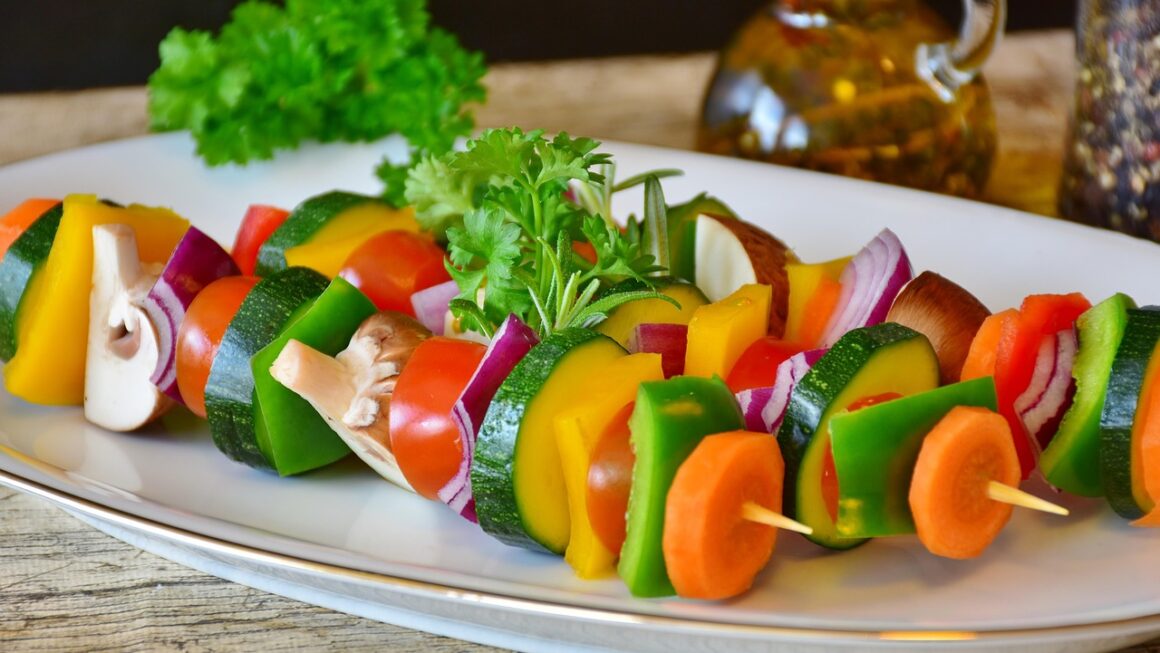
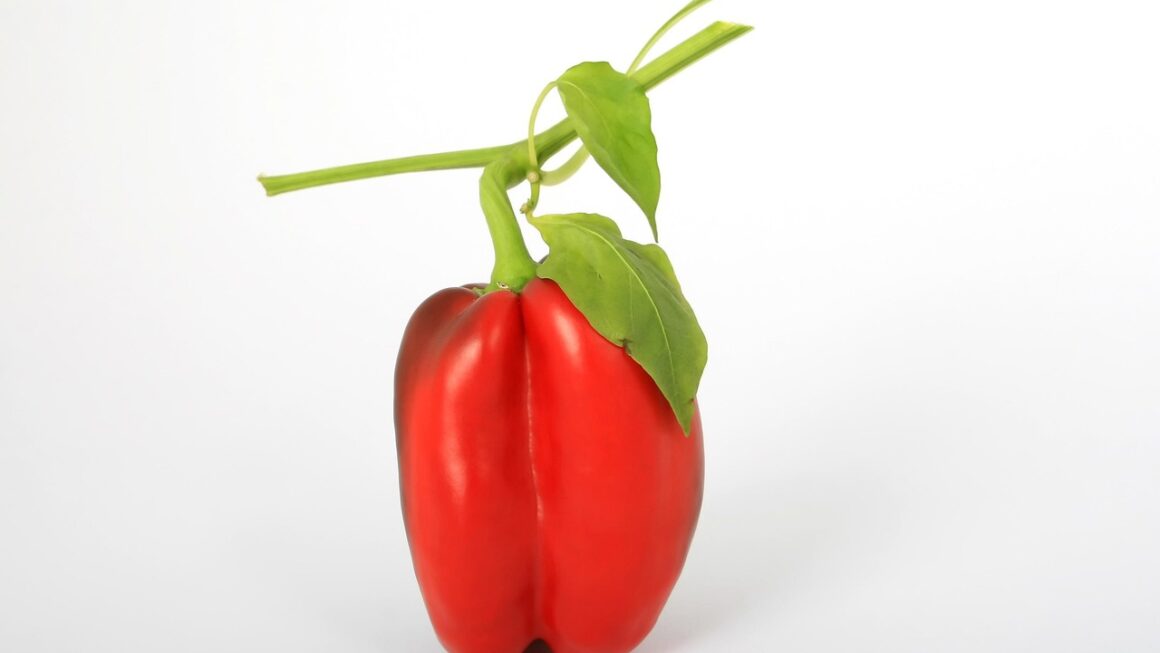
- Non-Starchy Vegetables: Load up on leafy greens (spinach, kale, collard greens), broccoli, cauliflower, zucchini, bell peppers, asparagus, mushrooms, Brussels sprouts, and green beans. These are incredibly nutrient-dense and very low in carbohydrates.
- Avocado: A fantastic source of healthy monounsaturated fats, fiber, and several vitamins and minerals, avocado adds creaminess and satiety to any meal.
- Healthy Oils: Olive oil, coconut oil, and avocado oil are excellent for cooking and dressing, providing beneficial fats.
Crafting Delicious Vegan High Protein Low Carb Meals
Now for the fun part: turning those pantry staples into exciting and fulfilling meals! The key is to be creative and balance your protein, healthy fats, and low-carb vegetables.
Breakfast Ideas to Fuel Your Day
Start your day strong with these energizing and satisfying options:
- Tofu Scramble Power Bowl: Sauté crumbled firm tofu with nutritional yeast, turmeric, black salt (for an eggy flavor), spinach, mushrooms, and bell peppers. Top with sliced avocado and a sprinkle of hemp seeds.
- High Protein Green Smoothie: Blend unsweetened almond milk, a scoop of vegan pea or hemp protein powder, a handful of spinach, a few berries (minimal for low carb), chia seeds, and a tablespoon of almond butter.
- Hemp Seed “Oatmeal”: Combine hemp seeds with unsweetened almond milk, a touch of stevia or erythritol, cinnamon, and top with chopped nuts and a few berries for a warm, low-carb alternative to traditional oatmeal.
Lunch & Dinner Delights
These meals are designed to keep you full and satisfied, providing sustained energy without the carb crash:
- Tempeh & Veggie Stir-Fry: Sauté cubed tempeh (marinated in tamari, ginger, and garlic) with broccoli, cauliflower florets, bell peppers, and green beans. Serve over cauliflower rice instead of traditional rice.
- Zucchini Noodle “Bolognese” with Walnut Mushroom Crumble: Spiralize zucchini into noodles. Create a rich “bolognese” sauce using finely chopped mushrooms, walnuts, onions, garlic, and tomato paste (ensure low sugar). Simmer until rich and savory.
- Loaded Salad with Grilled Tofu: Start with a base of mixed greens, kale, or spinach. Add grilled, marinated tofu cubes, cucumber, bell peppers, olives, avocado, and a generous sprinkle of pumpkin and sunflower seeds. Dress with a vinaigrette made from olive oil and apple cider vinegar.
- Vegan Lettuce Wraps: Use large lettuce leaves as a wrap for a flavorful filling made from seasoned crumbled tempeh or seitan, finely diced water chestnuts, shredded carrots, and a low-carb peanut sauce (check ingredients for sugar).
Snacks & Sides
Keep hunger at bay with these nutritious and convenient options:
- Almond Butter and Celery Sticks: A classic combination that’s low in carbs and high in healthy fats and protein.
- Spiced Edamame Pods: Lightly steam edamame pods and sprinkle with sea salt, chili flakes, or garlic powder for a quick, protein-rich snack.
- Mixed Nuts and Seeds: A small handful of almonds, walnuts, pecans, and pumpkin seeds makes for an excellent on-the-go snack.
- Crispy Baked Tofu Bites: Cube tofu, press well, toss with nutritional yeast and spices, and bake until crispy.
Meal Planning and Preparation for Success
To consistently stick with a vegan high protein low carb diet, planning and preparation are your best friends. These strategies will save you time, stress, and ensure you always have healthy options at hand.
The Benefits of Meal Prepping
Investing a little time upfront can yield significant returns throughout your week:
- Saves Time and Money: Reduces impulse purchases and the need for last-minute meal decisions. Buying in bulk and cooking ahead is often more economical.
- Ensures Adherence to Goals: When healthy meals are ready, you’re less likely to reach for less ideal options due to hunger or lack of time.
- Reduces Stress: Eliminates the daily question of “what’s for dinner?” freeing up mental energy.
- Portion Control: Pre-portioned meals help maintain appropriate serving sizes, which is crucial for weight management.
Practical Meal Prep Strategies
Make your prep sessions efficient and effective:
- Batch Cook Proteins: Cook large batches of tofu, tempeh, or seitan at the beginning of the week. Marinate, bake, or pan-fry them so they’re ready to add to any meal.
- Chop Vegetables: Wash and chop non-starchy vegetables like broccoli, cauliflower, bell peppers, and zucchini. Store them in airtight containers for quick use in scrambles, stir-fries, or salads.
- Prepare Dressings and Sauces: Make your low-carb salad dressings or sauces in advance. Store them in jars in the fridge.
- Portion Out Snacks: Divide nuts, seeds, or edamame into individual serving sizes to grab and go.
- Create a Weekly Meal Plan: Dedicate time each week to plan out your meals and snacks. This helps you create a shopping list and ensures variety and balanced nutrition.
Common Challenges and How to Overcome Them
While the vegan high protein low carb lifestyle offers many advantages, like any dietary change, it can come with its unique set of challenges. Being prepared for these can help you stay on track.
Ensuring Nutrient Adequacy
A well-planned vegan diet is perfectly capable of providing all necessary nutrients. However, it’s wise to be mindful of certain ones:
- Vitamin B12: This is the only vitamin not reliably found in plant foods. Supplementation or consuming B12-fortified foods (like nutritional yeast, plant milks, or certain cereals) is essential for all vegans.
- Iron: Incorporate iron-rich plant foods like spinach, lentils (in moderation for low carb), tofu, and pumpkin seeds. Pair them with vitamin C sources (bell peppers, broccoli) to enhance absorption.
- Calcium: Opt for calcium-set tofu, fortified plant milks, leafy greens, and sesame seeds.
- Omega-3 Fatty Acids: Include flax seeds, chia seeds, hemp seeds, and walnuts regularly. An algae-based DHA/EPA supplement can also be beneficial.
- Vitamin D: Get adequate sun exposure or consider a vegan Vitamin D3 supplement, especially in regions with less sunlight.
Dealing with Cravings and Social Situations
Navigating social gatherings and managing cravings requires a proactive approach:
- Have Healthy Alternatives Ready: When cravings strike, have a pre-prepped low-carb vegan snack readily available to avoid reaching for high-carb, processed foods.
- Communicate Your Needs: Inform friends or family hosting meals about your dietary choices. Offer to bring a dish that fits your plan.
- Focus on What You CAN Eat: Instead of dwelling on restrictions, celebrate the delicious and diverse foods you can enjoy. Explore new recipes and experiment with flavors.
- Stay Hydrated: Sometimes, what feels like hunger is actually thirst. Drink plenty of water throughout the day.
Conclusion
Embracing vegan high protein low carb meals is a powerful and rewarding way to optimize your health, achieve fitness goals, and enjoy a vibrant, plant-based lifestyle. By focusing on nutrient-dense plant proteins, healthy fats, and an abundance of non-starchy vegetables, you can create a diet that is both satisfying and incredibly beneficial for your body.
This dietary approach is more than just a set of rules; it’s an opportunity to explore new ingredients, get creative in the kitchen, and feel your best. With careful planning, smart food choices, and a dash of culinary adventure, you’ll discover that a high protein vegan low carb diet is not only sustainable but also delightfully delicious. Start experimenting today, and unlock the full potential of plant-based power!