Tired of bland, uninspiring meals that leave you feeling sluggish and unsatisfied? Embracing a ketogenic lifestyle doesn’t mean sacrificing flavor or variety, especially when it comes to the most anticipated meal of the day: dinner. A well-crafted keto dinner is more than just a low-carb meal; it’s an opportunity to nourish your body with healthy fats and quality protein, helping you stay in ketosis, manage weight, and boost energy levels. This comprehensive guide will equip you with everything you need to transform your evening meals into delicious, satisfying, and perfectly keto-friendly culinary experiences.
Understanding the Keto Dinner Basics
The foundation of any successful ketogenic diet lies in understanding its core principles. A keto dinner adheres strictly to these rules, ensuring your body continues to burn fat for fuel rather than carbohydrates. This means a significant shift in your plate composition, prioritizing specific macronutrients to maintain a state of ketosis.
The Macronutrient Magic
For your dinner to be truly ketogenic, it needs to hit the right macronutrient ratios. While exact percentages can vary slightly based on individual needs and activity levels, the general guideline is:
- High Fat (60-75% of calories): This is the cornerstone. Healthy fats provide sustained energy and satiety. Think avocados, olive oil, butter, ghee, coconut oil, and fatty cuts of meat.
- Moderate Protein (15-30% of calories): Essential for muscle maintenance and repair. Don’t overdo protein, as excessive amounts can be converted into glucose (gluconeogenesis), potentially kicking you out of ketosis. Focus on quality sources.
- Very Low Carbohydrate (5-10% of calories, typically 20-50g net carbs per day): This is the most restrictive part. The goal is to drastically limit carbs, primarily from non-starchy vegetables.
Actionable Takeaway: Before planning your keto dinner recipes, familiarize yourself with these ratios. Using a macro-tracking app can be incredibly helpful in the beginning to ensure you’re consistently hitting your targets.
Core Keto Food Groups
Building a delicious keto dinner involves selecting ingredients primarily from these groups:
- Proteins: Beef (steak, ground beef), chicken (thighs, wings), pork (chops, belly), lamb, fish (salmon, mackerel, sardines), eggs, and some full-fat dairy.
- Healthy Fats: Olive oil, avocado oil, coconut oil, butter, ghee, lard, animal fats, nuts (in moderation), seeds, and avocados.
- Non-Starchy Vegetables: Leafy greens (spinach, kale, lettuce), broccoli, cauliflower, asparagus, zucchini, bell peppers (especially green), mushrooms, green beans, and Brussels sprouts. These provide essential vitamins, minerals, and fiber without excessive carbs.
- Flavor Enhancers: Herbs, spices, lemon juice, vinegar, mustard, and full-fat sauces without added sugars.
Actionable Takeaway: Prioritize whole, unprocessed foods. Reading labels is crucial to avoid hidden sugars and starches in sauces, marinades, and processed items that could undermine your ketogenic goals.
Essential Ingredients for Your Keto Pantry
A well-stocked pantry and fridge are your best friends when it comes to whipping up spontaneous and satisfying keto dinners. Having the right staples on hand reduces the temptation for less healthy choices and makes meal preparation a breeze.
Protein Powerhouses
These are the core of many keto meals, providing satiety and essential amino acids.
- Eggs: Versatile and inexpensive. Great for quick frittatas, scrambles, or as a side.
- Fatty Meats: Ground beef (80/20), steak (ribeye, chuck), chicken thighs with skin, pork belly, bacon. The fat content helps meet your macro targets.
- Fish: Salmon, mackerel, sardines, and tuna (in oil) are rich in omega-3s and healthy fats.
- Shellfish: Shrimp, scallops, and crab are excellent lean protein options that pair well with rich keto sauces.
- Canned Goods: Canned tuna, salmon, or chicken can be lifesavers for last-minute meals (ensure they’re packed in oil or water).
Practical Example: Keep frozen bags of chicken thighs and ground beef ready for quick thawing and cooking. Canned salmon mixed with avocado oil mayo and celery makes a speedy keto tuna salad-like dinner.
Healthy Fats are Your Friends
Don’t shy away from fats; they are your primary energy source on keto.
- Oils: Extra virgin olive oil (for dressings, finishing), avocado oil (high smoke point for cooking), coconut oil (great for Asian-inspired dishes), MCT oil (can be added to dressings or fat bombs).
- Butter/Ghee: Essential for cooking, sauces, and adding rich flavor. Ghee is clarified butter, suitable for those sensitive to dairy solids.
- Avocados: Fresh avocados are a must for salads, sides, or adding creaminess to dishes.
- Nuts & Seeds (in moderation): Almonds, walnuts, pecans, chia seeds, flax seeds, hemp seeds. Great for textural additions or small snacks, but carb counts can add up quickly.
- Full-Fat Dairy: Heavy cream, full-fat cream cheese, sour cream, and certain hard cheeses (cheddar, parmesan, mozzarella) are fantastic for adding richness to sauces and dishes.
Practical Example: A drizzle of high-quality extra virgin olive oil over a grilled steak and steamed broccoli not only adds flavor but also boosts your fat intake for your keto dinner.
Low-Carb Veggie Stars
These vegetables provide essential nutrients, fiber, and bulk without excess carbs.
- Leafy Greens: Spinach, kale, romaine, butter lettuce. Perfect for salads or sautéed sides.
- Cruciferous Vegetables: Broccoli, cauliflower, Brussels sprouts, cabbage. Versatile for roasting, steaming, mashing (cauliflower mash!).
- Other Favorites: Asparagus, zucchini, bell peppers (especially green), mushrooms, green beans, celery, cucumbers.
- Frozen Options: Stock up on frozen broccoli, cauliflower, and spinach for convenience. They’re just as nutritious as fresh.
Practical Example: Cauliflower rice is a phenomenal low-carb alternative to traditional rice, perfect for stir-fries or as a base for curries. Roasted Brussels sprouts with bacon bits make an incredibly flavorful and easy side dish for any keto dinner.
Flavor Boosters & Staples
- Herbs & Spices: Garlic powder, onion powder, paprika, chili powder, cumin, Italian seasoning, fresh herbs (parsley, cilantro, basil).
- Condiments: Sugar-free mustard, mayonnaise (made with avocado oil), hot sauce, apple cider vinegar, soy sauce (or tamari for gluten-free), sugar-free ketchup. Always check labels!
- Broth: Bone broth or chicken/beef broth can be used for soups, sauces, or just sipping.
Actionable Takeaway: Regularly check your pantry and fridge for these essentials. A well-stocked kitchen removes decision fatigue and makes sticking to your keto dinner plan much easier.
Quick & Easy Keto Dinner Ideas
Even on the busiest weeknights, a delicious and compliant keto dinner is entirely achievable. These ideas focus on simplicity without compromising on flavor or nutritional value.
Weeknight Wonders
These meals are designed for minimal prep and cook time, making them perfect for busy evenings.
- Sheet Pan Dinners: Toss chicken thighs (or sausage), broccoli florets, and bell peppers with olive oil and your favorite seasonings. Roast at 400°F (200°C) until cooked through and tender, usually 20-30 minutes. Easy cleanup!
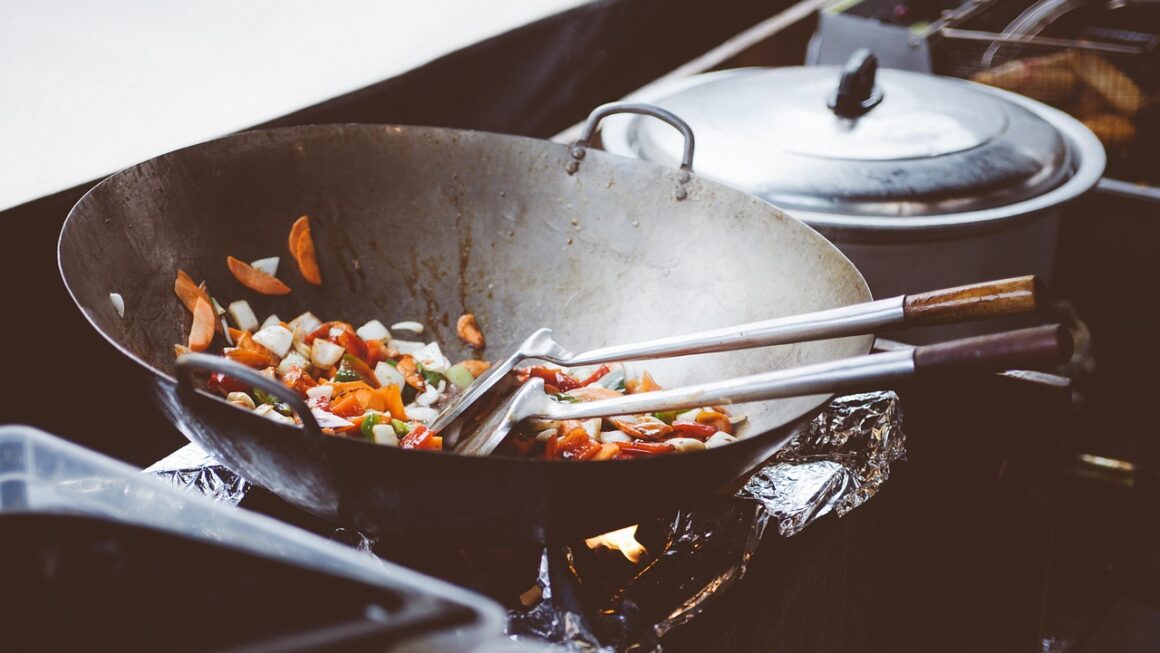
- Keto Stir-Fry: Sauté your choice of protein (shrimp, chicken, beef strips) with a variety of low-carb vegetables like broccoli, mushrooms, and bell peppers. Use tamari or coconut aminos, ginger, and garlic for a flavorful sauce. Serve over cauliflower rice.
- Creamy Garlic Shrimp with Zucchini Noodles: Sauté shrimp with garlic, butter, and heavy cream. Serve over spiralized zucchini noodles (zoodles) that have been lightly sautéed until tender-crisp.
- Loaded Cauliflower Mash: Steam or boil cauliflower until very tender, then mash with butter, cream cheese, heavy cream, and seasonings. Top with shredded cheddar cheese, crumbled bacon, and chives for a comforting side or light main.
Actionable Takeaway: Keep your favorite seasonings pre-mixed and readily available. Batch-prepping chopped vegetables on a Sunday can significantly cut down on weeknight dinner prep time.
Elevated & Elegant Options
For those evenings when you want something a little more special, these keto dinners impress without being overly complicated.
- Pan-Seared Salmon with Asparagus and Hollandaise Sauce: Perfectly pan-seared salmon (rich in omega-3s) alongside tender asparagus spears. Drizzle generously with a homemade or good quality store-bought hollandaise sauce (check ingredients for sugar).
- Steak with Garlic Herb Butter and Sautéed Mushrooms: Cook your favorite cut of steak to perfection. Top with a compound butter made with softened butter, minced garlic, and fresh herbs (rosemary, thyme). Serve with mushrooms sautéed in butter.
- Roast Chicken with Creamed Spinach: A whole roasted chicken (or pre-cut chicken pieces) ensures crispy skin and juicy meat. Pair it with a rich and creamy spinach made with heavy cream, cream cheese, and Parmesan.
- Pork Chops with Dijon Cream Sauce: Sear thick-cut pork chops, then create a pan sauce with heavy cream, Dijon mustard, and a splash of chicken broth. Serve with a simple side of steamed green beans.
Actionable Takeaway: Investing in good quality ingredients, especially proteins, can elevate a simple keto dinner to a restaurant-quality experience. Don’t be afraid to experiment with homemade sauces.
Vegetarian & Vegan Keto Twists
Keto isn’t just for meat-eaters! These ideas cater to plant-based preferences while staying low-carb.
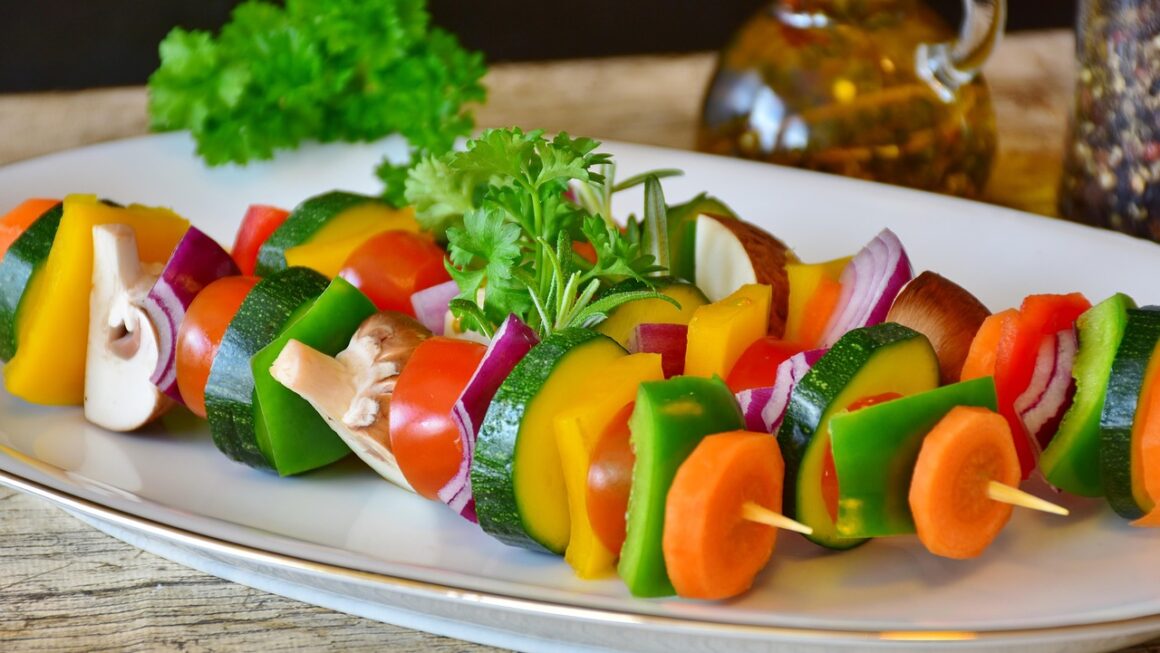
- Halloumi & Veggie Skewers: Grill cubes of halloumi cheese (a high-fat, low-carb cheese) with bell peppers, zucchini, and mushrooms. Serve with a drizzle of olive oil and fresh herbs.
- Tofu/Tempeh Scramble with Avocado: Crumble firm tofu or tempeh and sauté with spices, onions, and spinach. Serve alongside sliced avocado for healthy fats.
- Large Keto Salad with Roasted Nuts & Seeds: A generous base of mixed greens topped with avocado, olives, cucumber, non-starchy vegetables, and a liberal sprinkle of roasted pumpkin seeds, sunflower seeds, and walnuts. Dress with a creamy, oil-based dressing.
- Portobello Mushroom “Pizzas”: Use large portobello mushroom caps as your base. Top with sugar-free tomato sauce, mozzarella cheese, and your favorite keto-friendly toppings (olives, spinach, bell peppers). Bake until cheese is bubbly.
Actionable Takeaway: Plant-based keto requires careful planning to ensure adequate fat and protein intake. Incorporate plenty of healthy fats from avocados, nuts, seeds, and oils, and explore tofu, tempeh, and high-fat dairy (if vegetarian) as protein sources.
Mastering Keto Dinner Meal Prep
Meal preparation is a game-changer for anyone committed to a ketogenic lifestyle. It saves time, reduces stress, and significantly increases your chances of consistently enjoying healthy, compliant keto dinners.
Why Meal Prep Matters for Keto
- Consistency: Ensures you always have keto-friendly options ready, reducing the temptation to grab carb-laden takeout.
- Time-Saving: Frees up your evenings when you’re tired after a long day.
- Budget-Friendly: Buying ingredients in bulk and cooking at home is typically more economical than eating out.
- Portion Control: Helps you stick to your macronutrient targets by pre-measuring portions.
- Reduces Decision Fatigue: No more wondering “what’s for dinner?” after a long day.
Relevant Statistic: While not specific to keto, studies show that individuals who frequently cook at home tend to have healthier diets and lower body fat percentages. Meal prep amplifies these benefits.
Smart Strategies for Success
- Plan Your Menu: Dedicate time to choosing your keto dinner recipes for the week. Consider variety to avoid boredom.
- Shop Smart: Make a detailed grocery list based on your menu to avoid impulse buys and ensure you have all necessary ingredients.
- Dedicate a Prep Day: Choose one day (often Sunday) to do the bulk of your cooking and chopping.
- Invest in Good Containers: Airtight, portion-sized containers are essential for keeping food fresh and organized.
Actionable Takeaway: Start small. Even prepping just one or two keto dinners for the week can make a significant difference. As you get more comfortable, you can expand your meal prep routine.
Prep-Ahead Components
You don’t have to cook entire meals to benefit from meal prep. Prepping individual components can be just as effective.
- Cook Proteins: Grill chicken breasts, bake salmon fillets, or brown ground beef. These can be easily reheated or added to salads and other dishes.
- Chop Vegetables: Pre-chop broccoli, bell peppers, onions, and zucchini. Store them in airtight containers for quick use in stir-fries, omelets, or as roasted sides.
- Make Keto Sauces & Dressings: Prepare a batch of sugar-free salad dressing, keto alfredo sauce, or a simple pesto. These elevate any simple protein and vegetable combo.
- Hard-Boil Eggs: A convenient protein source for quick additions to meals or as a snack.
- Wash & Store Leafy Greens: Properly wash and dry lettuce and spinach, then store them with a paper towel to keep them fresh longer.
Practical Example: On Sunday, roast a large tray of chicken thighs and another of mixed low-carb vegetables (broccoli, cauliflower, bell peppers). Throughout the week, you can combine these in different ways: chicken and veggies for a simple plate, chicken in a keto salad, or veggies as a side for a quick pan-seared steak. This makes assembling varied keto dinners quick and easy.
Overcoming Common Keto Dinner Challenges
Even with the best intentions, challenges can arise on any dietary journey. Addressing common hurdles head-on will ensure your keto dinner success is sustainable.
Beating Dinner Boredom
Eating the same few meals repeatedly can lead to diet fatigue. Variety is key!
- Explore New Recipes: Regularly search for new keto dinner recipes online, in cookbooks, or on social media. There’s a vast world of ketogenic cuisine to discover.
- Experiment with Spices & Herbs: A change in seasoning can entirely transform a familiar dish. Try different spice blends (e.g., Mexican, Indian, Mediterranean, Italian) for different flavor profiles.
- Try New Cooking Methods: Instead of always grilling, try baking, roasting, stir-frying, or slow-cooking. Different methods bring out different textures and flavors.
- Theme Nights: Designate “Taco Tuesday” (with lettuce wraps or cheese shells), “Italian Night” (zucchini lasagna), or “Curry Night” (with cauliflower rice).
Actionable Takeaway: Dedicate 10-15 minutes once a week to browse for one new keto dinner recipe to try. This small effort can keep things exciting and prevent monotony.
Navigating Dining Out
Eating at restaurants while sticking to a keto dinner plan can be tricky, but it’s entirely doable with a few strategies.
- Research Menus Online: Most restaurants have their menus available online. Plan your order beforehand to identify keto-friendly options.
- Focus on Protein & Non-Starchy Veggies: Look for grilled or roasted meats/fish. Ask for double vegetables instead of starchy sides like potatoes, rice, or pasta.
- Ask for Substitutions: Don’t be afraid to request sauces on the side, no breading, or oil and vinegar for salad dressing instead of sugary alternatives.
- Be Wary of Hidden Carbs: Marinades, glazes, breading, and many salad dressings contain sugar. Opt for plain preparations and simple fats.
Practical Example: At a steakhouse, order a ribeye or salmon with a side of steamed asparagus or broccoli. Ask for butter or olive oil for your veggies, and avoid any sugar-laden sauces. At a Mexican restaurant, enjoy a “naked” burrito bowl (no rice or beans) with extra meat, cheese, avocado, and salsa.
Handling Cravings & Snacking
While a well-formulated keto dinner should leave you feeling full and satisfied, occasional cravings can still arise.
- Identify the Cause: Are you truly hungry, or is it boredom, stress, or thirst? Sometimes a glass of water or herbal tea can help.
- Keep Keto Snacks Handy: If you do need a snack, have compliant options available like cheese sticks, a handful of almonds, olives, or a slice of avocado.
- Ensure Adequate Fat Intake: If you’re consistently hungry, review your fat intake at dinner and throughout the day. Healthy fats are crucial for satiety.
- Electrolyte Balance: Sometimes cravings can be a sign of electrolyte imbalance. Ensure you’re getting enough sodium, potassium, and magnesium.
Actionable Takeaway: Prioritize making your keto dinners as satisfying as possible with sufficient protein and healthy fats. This is your primary defense against evening cravings. If you need a snack, opt for fat-rich, low-carb options.
Conclusion
Embracing the world of keto dinners opens up a realm of delicious possibilities, proving that eating low-carb can be both satisfying and incredibly flavorful. By understanding the core principles of the ketogenic diet, stocking your pantry with essential ingredients, exploring diverse recipes, and mastering meal prep, you can transform your evening meals into powerful tools for health and wellness. From quick weeknight stir-fries to elegant pan-seared salmon, the options are endless. Don’t let the thought of restrictive eating deter you; instead, see the keto dinner as an opportunity to experiment, enjoy rich flavors, and consistently fuel your body for optimal performance and sustained weight management. Start experimenting tonight and discover your new favorite keto culinary adventures!