Embarking on a ketogenic journey means recalibrating your entire approach to food. It’s more than just a diet; it’s a lifestyle shift where the right food choices are paramount to success. Understanding which keto friendly foods to embrace is the foundation for achieving ketosis, boosting energy, supporting weight loss, and enhancing overall metabolic health. This comprehensive guide will walk you through the essential ingredients, practical examples, and smart tips to make your low-carb, high-fat lifestyle both delicious and sustainable.
Decoding the Ketogenic Diet: Why Food Choices Matter
The ketogenic diet is fundamentally about shifting your body’s primary fuel source from carbohydrates to fat. This metabolic state, known as ketosis, occurs when your body begins producing ketones from fat to power your brain and body. To successfully enter and maintain ketosis, a strict dietary composition is necessary, typically involving very low carbohydrates, moderate protein, and high fat intake. The foods you choose directly impact your ability to reach and sustain this state, making informed decisions crucial.
Understanding Macronutrient Ratios
- Carbohydrates (5-10%): The strictest limit, usually under 20-50 grams of net carbs per day. This means focusing on non-starchy vegetables.
- Protein (20-25%): Moderate intake is key. Too much protein can be converted into glucose (gluconeogenesis), potentially kicking you out of ketosis.
- Fats (70-80%): The bulk of your calories should come from healthy fats, which become your body’s primary energy source.
The Importance of Nutrient Density
While fat is your main fuel, nutrient density should not be overlooked. Choosing whole, unprocessed keto friendly foods ensures you’re getting essential vitamins, minerals, and electrolytes vital for well-being on a restrictive diet.
- Actionable Takeaway: Prioritize whole, unprocessed foods and meticulously track your carb intake, especially in the initial stages, to understand what works for your body.
The Pillars of Keto: Fats, Proteins, and Low-Carb Vegetables
These three categories form the backbone of any successful ketogenic meal plan. Mastering your choices within these groups is essential for sustained ketosis and optimal health.
Healthy Fats: Fueling Your Keto Journey
Fats are your primary energy source on keto. Not all fats are created equal; focus on healthy, unsaturated, and saturated fats from whole food sources while avoiding trans fats and highly processed vegetable oils.
- Avocado & Avocado Oil: Rich in monounsaturated fats and potassium, great for salads, dressings, or as a creamy snack.
- Olive Oil: Extra virgin olive oil is excellent for dressings, drizzles, and low-heat cooking.
- Coconut Oil & MCT Oil: Coconut oil contains medium-chain triglycerides (MCTs) which are rapidly converted into ketones, providing quick energy. MCT oil is a concentrated form, often used in coffee or smoothies.
- Butter & Ghee: Opt for grass-fed butter or ghee, which are rich in healthy fats and fat-soluble vitamins.
- Fatty Fish: Salmon, mackerel, sardines, and trout are packed with omega-3 fatty acids, crucial for brain health and reducing inflammation.
- Nuts & Seeds: (See section below) While also providing protein, their fat content is significant.
- Practical Tip: Incorporate healthy fats into every meal. Add a slice of avocado to your eggs, drizzle olive oil over your vegetables, or use butter in your cooking.
- Actionable Takeaway: Embrace a variety of healthy fats to ensure adequate energy and intake of essential fatty acids.
Quality Proteins: Building Blocks for Success
Protein is vital for muscle repair, hormone production, and satiety. On keto, the goal is moderate protein intake to prevent gluconeogenesis, ensuring your body primarily burns fat for fuel.
- Red Meat: Beef, lamb, and pork (grass-fed/pasture-raised preferred) are excellent sources. Think steaks, roasts, ground meat, and bacon.
- Poultry: Chicken (especially thighs and wings with skin) and turkey offer good protein and fat.
- Eggs: A keto superfood! Versatile, affordable, and packed with nutrients. Enjoy them scrambled, fried, poached, or as an omelet.
- Fish & Seafood: Beyond fatty fish, options like cod, shrimp, crab, and mussels are also excellent lean protein choices.
- Practical Tip: Aim for portion sizes that fit in the palm of your hand, and consider the fat content when selecting cuts of meat.
- Actionable Takeaway: Choose high-quality protein sources to support muscle mass and satiety without overshooting your protein macros.
Low-Carb Vegetables: Essential Micronutrients
Vegetables provide crucial fiber, vitamins, minerals, and antioxidants, helping to prevent nutrient deficiencies and improve gut health. Focus on non-starchy varieties that are very low in net carbohydrates.
- Leafy Greens: Spinach, kale, lettuce, arugula, Swiss chard, collard greens. Perfect for salads or sautéed sides.
- Cruciferous Vegetables: Broccoli, cauliflower, Brussels sprouts, cabbage. Versatile for roasting, steaming, or even mashed (cauliflower mash is a great potato substitute!).
- Other Low-Carb Options: Asparagus, zucchini, bell peppers (especially green), green beans, mushrooms, cucumber, celery, eggplant.
- Herbs: All herbs are keto-friendly and add flavor without carbs.
- Practical Tip: Incorporate 2-3 cups of non-starchy vegetables daily. Roasting them with healthy fats enhances flavor and nutrient absorption.
- Actionable Takeaway: Don’t skip your greens! They provide essential nutrients and fiber crucial for overall health on a ketogenic diet.
Keto-Friendly Dairy, Nuts, Seeds, and Fruits (in moderation)
These food groups offer variety, texture, and additional nutrients, but often require careful portion control due to varying carb counts.
Dairy Delights: Creamy and Satisfying
Full-fat dairy can be a wonderful addition to a ketogenic diet, providing fat, protein, and calcium. Always check labels for added sugars or starches.
- Full-Fat Cheeses: Cheddar, mozzarella, gouda, cream cheese, brie, blue cheese. Most natural cheeses are excellent.
- Heavy Cream & Sour Cream: Great for adding richness to sauces, coffees, or as a topping.
- Full-Fat Greek Yogurt (Plain): While still containing some carbs, in small amounts, it can be a good source of probiotics.
- Butter & Ghee: (Already mentioned in fats, but also dairy-derived).
- Practical Tip: Opt for full-fat, unsweetened dairy products. Be mindful of carb counts in yogurts and some soft cheeses.
- Actionable Takeaway: Enjoy full-fat dairy in moderation to add flavor and healthy fats to your meals, always checking for hidden sugars.
Nuts & Seeds: Crunchy Goodness
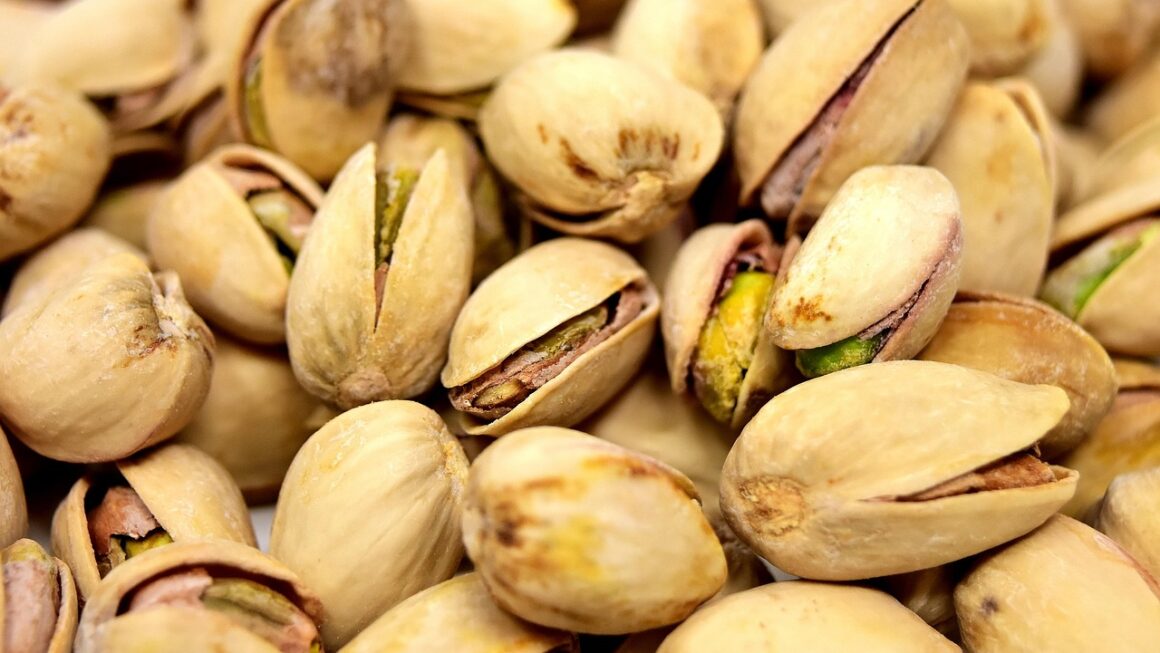
Nuts and seeds are great for snacks, adding crunch to salads, or making keto flours. However, their carb content can add up quickly, so portion control is crucial.
- Low-Carb Nuts: Almonds, pecans, walnuts, macadamia nuts, Brazil nuts. (Peanuts are technically legumes, but often consumed as nuts and are relatively low-carb).
- Low-Carb Seeds: Chia seeds, flax seeds, hemp seeds, pumpkin seeds, sunflower seeds.
- Practical Tip: Measure your portions! A small handful (1/4 cup) can contain significant carbs. Use them as a garnish rather than a primary snack.
- Actionable Takeaway: Incorporate nuts and seeds for healthy fats and fiber, but always measure portions to avoid exceeding your carb limit.
Limited Fruits: Berries for Sweetness
Most fruits are too high in sugar (fructose) for a ketogenic diet. However, certain berries can be enjoyed in very small quantities due to their lower net carb count.
- Berries: Blackberries, raspberries, strawberries, blueberries (in order from lowest to highest carbs).
- Practical Tip: Treat berries as an occasional treat. A small handful (e.g., 1/4 cup raspberries) can satisfy a sweet craving without derailing ketosis.
- Actionable Takeaway: Enjoy small portions of low-carb berries as an occasional treat, acknowledging that most fruits are off-limits.
Smart Keto Snacking and Hydration
Snacks can either support or derail your keto journey. Smart choices are key, as is proper hydration and electrolyte balance.
Snack Smarter, Not Harder
When hunger strikes between meals, having prepared keto friendly foods on hand is a game-changer.
- Hard-Boiled Eggs: Portable, protein-rich, and satisfying.
- Cheese Sticks or Slices: Quick and easy fat and protein.
- Avocado: Simple, creamy, and packed with healthy fats.
- Olives: Salty, fatty, and great for electrolytes.
- Beef Jerky or Meat Sticks: Look for sugar-free varieties.
- A Handful of Low-Carb Nuts/Seeds: (Measured!)
- Celery Sticks with Nut Butter: Ensure nut butter is sugar-free.
- Practical Tip: Meal prep your snacks! Having keto-friendly options ready prevents impulsive, carb-heavy choices.
- Actionable Takeaway: Plan your snacks in advance, focusing on whole, unprocessed options that align with your macros to maintain ketosis.
Beverages Beyond Water
Hydration is critical on keto, especially initially, as your body sheds water and electrolytes. Water is always king, but other options exist.
- Water: Aim for at least 8-10 glasses daily. Add a pinch of sea salt for electrolytes.
- Electrolyte-Rich Drinks: Unsweetened sparkling water, bone broth (excellent for sodium and other minerals), or homemade electrolyte drinks (water, lemon, pinch of salt).
- Coffee & Tea: Black, unsweetened. You can add heavy cream or MCT oil for a “bulletproof” boost.
- Herbal Teas: All varieties are fine.
- Diet Soda/Sugar-Free Drinks: Use sparingly. While carb-free, artificial sweeteners can impact some individuals’ blood sugar or gut microbiome.
- Practical Tip: Monitor your electrolyte intake, especially sodium, potassium, and magnesium, to prevent “keto flu” symptoms.
- Actionable Takeaway: Prioritize water and electrolyte-rich beverages, and be mindful of how artificial sweeteners affect your body.
Navigating the “No-Go” List: Foods to Avoid on Keto
Just as important as knowing what to eat is understanding what to strictly avoid. These foods are high in carbohydrates and will prevent or disrupt ketosis.
- Sugary Foods: Soda, juice, candy, cakes, ice cream, most desserts.
- Grains & Starches: Bread, pasta, rice, oats, cereal, corn, quinoa, barley.
- Most Fruits: Bananas, apples, oranges, grapes (exceptions are small portions of low-carb berries).
- Root Vegetables: Potatoes, sweet potatoes, carrots (higher in carbs), parsnips.
- Legumes: Beans (black beans, kidney beans, chickpeas), lentils (high in carbs).
- Low-Fat Dairy: Often contains added sugars and fillers to compensate for lack of fat.
- Processed & Artificial Foods: Many processed snacks, “diet” foods, and fast food items contain hidden sugars and unhealthy fats.
- Sugary Sauces & Dressings: Ketchup, BBQ sauce, many store-bought salad dressings.
- Alcohol: Most beers and sugary cocktails are very high in carbs. Dry wines and clear spirits (vodka, gin, whiskey) are lower-carb but still need moderation.
- Practical Tip: Always read food labels carefully. Look for “net carbs” (total carbs minus fiber and sugar alcohols that don’t impact blood sugar) and scrutinize ingredient lists for hidden sugars.
- Actionable Takeaway: Be diligent about avoiding high-carb foods, as even small amounts can hinder ketosis. Educate yourself on common hidden carb sources.
Conclusion
Adopting a ketogenic diet can be a transformative experience, offering benefits from enhanced energy and mental clarity to significant weight loss. The key to unlocking these benefits lies in making informed and consistent keto friendly foods choices. By focusing on healthy fats, moderate proteins, and a rainbow of low-carb vegetables, you can create delicious, satisfying, and nutrient-dense meals that support your journey into ketosis. Remember to plan, prepare, and prioritize whole foods, and you’ll be well on your way to a healthier, more vibrant you. Embrace the power of food as fuel, and enjoy the incredible benefits of the ketogenic lifestyle!