In a world increasingly focused on health and wellness, the quest for truly nourishing food often leads us down complex paths of dietary trends and restrictions. Yet, sometimes, the most impactful changes are the simplest. Imagine unlocking a new dimension of flavor, enhancing your well-being, and simplifying your kitchen routine all at once. This is the promise of oil-free cooking – a powerful approach to food preparation that moves beyond simply omitting fat, inviting you to rediscover the vibrant, natural essence of ingredients and transform your culinary landscape.
Understanding Oil-Free Cooking: More Than Just Omitting Fat
Embarking on an oil-free cooking journey is not about deprivation; it’s about liberation. It’s a method that prioritizes whole, unprocessed foods and ingenious techniques to create meals that are both incredibly delicious and exceptionally healthy.
What is Oil-Free Cooking?
At its core, oil-free cooking means preparing food without the addition of any concentrated oils – whether they be olive oil, coconut oil, vegetable oil, or any other type of extracted fat. Instead, it leverages natural moisture, broths, and innovative cooking methods to prevent sticking and build flavor.
- It focuses on allowing the natural fats present within whole foods (like nuts, seeds, avocados, and legumes) to contribute to richness and satiety.
- The emphasis shifts from using oil as a cooking medium to utilizing water, vegetable broth, vinegars, and even fruit juices to achieve desired textures and prevent food from adhering to surfaces.
Why Go Oil-Free? The Compelling Benefits
The decision to embrace oil-free cooking is often driven by a desire for improved health, but the benefits extend far beyond just caloric reduction.
- Enhanced Cardiovascular Health: Reducing concentrated fats can significantly lower the intake of saturated and trans fats, which are detrimental to heart health. It supports healthy cholesterol levels and optimal blood pressure.
- Weight Management: Oils are extremely calorie-dense. Eliminating them can drastically reduce the caloric content of meals, making weight loss or maintenance more achievable without sacrificing food volume or satisfaction. For instance, one tablespoon of olive oil contains roughly 120 calories, which can quickly add up.
- Improved Digestion: Fewer processed fats can ease the digestive burden, allowing your system to process whole foods more efficiently.
- Natural Flavor Enhancement: Without the heavy blanket of oil, the true, subtle flavors of vegetables, grains, and proteins can shine through. You’ll be surprised at the depth of taste you discover.
- Boosted Nutrient Absorption: While some nutrients are fat-soluble, consuming them with natural fats from whole foods (like an avocado in your salad) ensures absorption without the added burden of refined oils.
- Cost-Effectiveness: Reducing your reliance on often-expensive cooking oils can lead to savings in your grocery budget.
Actionable Takeaway: Consider oil-free cooking as a powerful tool for holistic health. Start by observing how much oil you currently use and reflect on which benefits resonate most with your personal health goals.
Essential Techniques for Oil-Free Mastery
The thought of cooking without oil might seem daunting at first, but it’s remarkably simple with the right techniques. These methods allow you to achieve incredible textures and flavors without a drop of added fat.
Water Sautéing & Broth Sautéing
This is perhaps the most fundamental technique for oil-free cooking, replacing traditional frying with a healthier, equally effective alternative.
- How-to: Heat a non-stick pan over medium heat. Add a small amount of water or vegetable broth (1-2 tablespoons at a time). As the liquid evaporates, add more to keep ingredients from sticking and to deglaze the pan.
- Practical Examples: Sautéing onions, garlic, mushrooms, bell peppers, spinach, or kale for stir-fries, sauces, or omelets. The vegetables will soften beautifully and caramelize slightly without excess grease.
- Tip: Use a good quality non-stick pan and avoid overcrowding it.
Baking, Roasting, & Air Frying
These dry-heat methods are inherently oil-free and excellent for developing rich, concentrated flavors and appealing textures.
- Baking & Roasting: Place vegetables or proteins directly on parchment paper or a silicone baking mat on a baking sheet. The natural sugars will caramelize, creating a delicious crispness.
- Practical Examples: Roasting broccoli florets, cubed potatoes, sweet potatoes, carrots, or Brussels sprouts. Baking dishes like casseroles, lasagna, or even certain breads can easily be made oil-free.
- Air Frying: An air fryer uses superheated circulating air to “fry” food, mimicking the crispy results of deep-frying without oil.
- Practical Examples: Making crispy oil-free fries, plantain chips, roasted chickpeas, or even “fried” tofu.
- Tip: For roasting, toss vegetables with a splash of vinegar or citrus juice and your favorite spices before baking for extra flavor and browning.
Steaming & Poaching
These gentle cooking methods are perfect for preserving the natural nutrients and delicate flavors of food, and they require no oil whatsoever.
- Steaming: Place food in a steamer basket over boiling water. The steam cooks the food evenly and keeps it moist.
- Practical Examples: Steaming green beans, asparagus, broccoli, carrots, or even delicate fish fillets.
- Poaching: Submerge food in simmering water, broth, or wine. This method is ideal for tender results.
- Practical Examples: Poaching chicken breasts, eggs, or fish.
- Tip: Infuse your steaming or poaching liquid with herbs, citrus slices, or aromatics to subtly flavor your food.
Non-Stick Cookware & Tools
Investing in the right kitchen tools is crucial for a smooth oil-free cooking experience.
- High-Quality Non-Stick Pans: Essential for sautéing, stir-frying, and cooking delicate items without sticking. Look for ceramic or PFOA-free coatings.
- Silicone Baking Mats & Parchment Paper: Prevents sticking during baking and roasting, making cleanup a breeze.
- Air Fryer: A game-changer for achieving crispy textures without oil.
- Steamer Basket: Inexpensive and highly effective for healthy vegetable preparation.
Actionable Takeaway: Begin by mastering water sautéing for everyday cooking, and experiment with roasting or air frying for crispy delights. Ensure you have reliable non-stick cookware to make the transition effortless.
Flavor Unleashed: Maximizing Taste Without Oil
Many believe that fat equals flavor, but in oil-free cooking, you learn that it’s actually about leveraging the natural strengths of ingredients and a diverse pantry of seasonings. This approach allows the true essence of your food to shine.
Herbs, Spices, and Aromatics
These are your secret weapons for building incredible depth and complexity in oil-free dishes.
- Fresh Herbs: Basil, cilantro, parsley, mint, chives, rosemary, thyme, and oregano can elevate any dish with their vibrant, fresh notes. Add them towards the end of cooking for maximum impact.
- Dried Spices: Cumin, paprika, chili powder, turmeric, curry powder, garlic powder, onion powder, and smoked paprika offer robust, earthy, and warm flavors. Toast them lightly in a dry pan (or water sauté them with a splash of broth) to release their aromatic oils.
- Aromatics: Garlic, onions, ginger, shallots, and leeks form the foundation of countless recipes. Water sautéing them until translucent and fragrant builds a powerful flavor base without any added oil.
- Practical Example: A simple water-sautéed mix of onions, garlic, and ginger can be the aromatic base for a flavorful lentil soup or a quick vegetable stir-fry.
Acidity & Umami Boosters
Acids brighten flavors, while umami adds a savory depth that can often be mistaken for richness from fat.
- Acidity: Lemon juice, lime juice, various vinegars (balsamic, apple cider, rice, red wine), and even chopped tomatoes can add a desirable tang and cut through richness, making food taste more vibrant and less “flat.”
- Umami: This “fifth taste” is crucial for creating satisfying, savory dishes.
- Nutritional Yeast: A cheesy, savory flavor enhancer. Excellent in sauces, “cheese” dips, and on roasted vegetables.
- Mushrooms: Sautéed, roasted, or blended into sauces, mushrooms (especially cremini, shiitake, or dried porcini) provide incredible umami.
- Tomato Paste: Concentrated umami, especially when browned slightly in a water sauté.
- Miso Paste: Fermented soybean paste adds a deeply savory, complex flavor to dressings, soups, and marinades.
- Soy Sauce / Tamari: A classic umami source for Asian-inspired dishes and marinades.
- Sun-Dried Tomatoes: Offer concentrated sweetness and umami.
- Practical Example: A dash of balsamic vinegar in a tomato sauce deepens the flavor, while nutritional yeast can give a creamy, oil-free soup a cheesy finish.
Natural Fats & Creaminess (Without Added Oil)
While you avoid added oils, you can still enjoy richness and creaminess from whole-food sources.
- Avocados: Offer healthy monounsaturated fats and a smooth, creamy texture for dressings, dips, or as a topping.
- Nuts and Seeds: Blended cashews make incredibly rich and creamy sauces (e.g., alfredo-style pasta sauce), while tahini (sesame seed paste) adds a distinct nuttiness to dressings and hummus. Chia seeds and ground flaxseeds can also thicken and add richness.
- Coconut Milk: Use full-fat or light coconut milk for curries, soups, and creamy desserts (in moderation due to its saturated fat content).
- Legumes: Blended white beans or chickpeas can add body and a creamy texture to soups and dips.
Actionable Takeaway: Stock your pantry with a diverse range of herbs, spices, vinegars, and umami-rich ingredients. Experiment with combining these elements to create complex flavor profiles that don’t rely on oil.
Delectable Oil-Free Recipes and Meal Ideas
Transitioning to oil-free cooking doesn’t mean sacrificing deliciousness or variety. In fact, it opens up a world of fresh, vibrant flavors and satisfying meals. Here are some ideas to get you started across different meal times.
Breakfast Delights
Start your day nourished and energized without any added oils.
- Hearty Oatmeal with Fruit & Nuts: Cook rolled oats with water or plant milk. Top with fresh berries, sliced banana, a sprinkle of cinnamon, and a few walnuts or pecans (for natural fats and protein).
- Oil-Free Tofu Scramble: Water sauté onions, bell peppers, and spinach. Crumble in firm tofu, season with turmeric (for color), nutritional yeast (for cheesy flavor), garlic powder, and black salt (kala namak) for an eggy taste. Serve with a side of whole-wheat toast (check for oil) or avocado slices.
- Whole-Grain Pancakes/Waffles: Use mashed ripe banana or unsweetened applesauce as a binder and to add moisture in place of oil. Cook on a well-seasoned non-stick griddle or in an oil-free waffle maker.
- Fruit & Green Smoothies: Blend spinach or kale with fruits like banana, berries, and mango, along with plant milk or water. Add flax seeds or chia seeds for omega-3s and thickness.
Satisfying Lunches
Fuel your midday with light, yet fulfilling oil-free options.
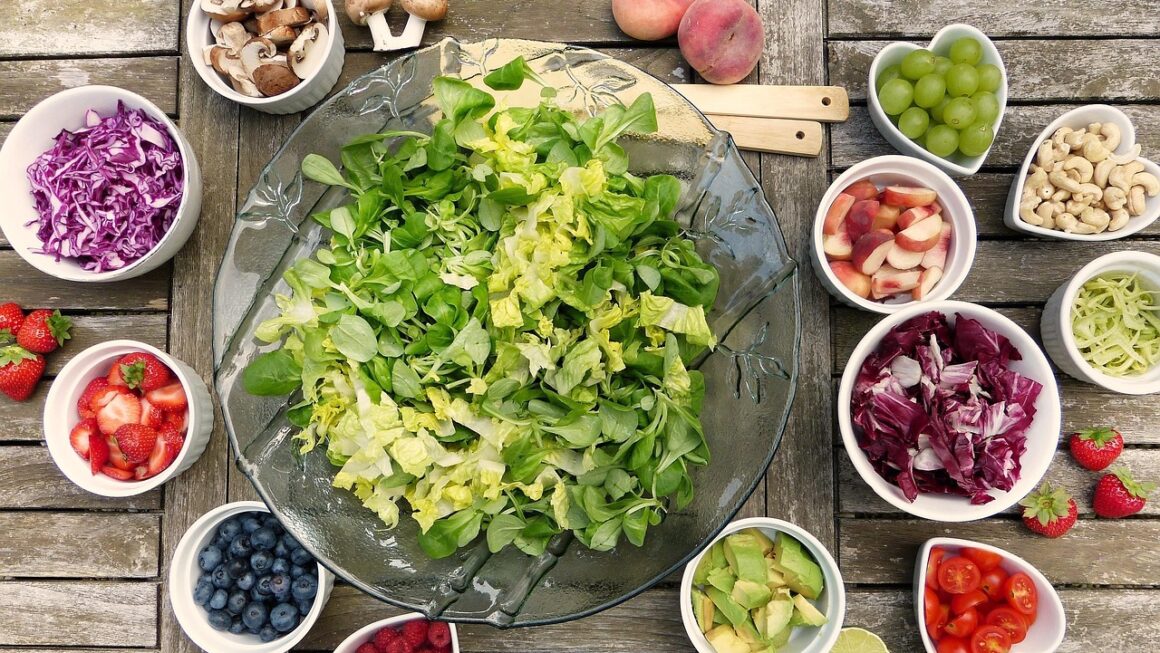
- Big Salad with Oil-Free Dressing: Create a vibrant salad with mixed greens, chopped vegetables (cucumber, tomatoes, carrots), chickpeas, and roasted sweet potatoes. Dress with a homemade dressing of balsamic vinegar, Dijon mustard, lemon juice, herbs, and a touch of maple syrup, or a blended avocado-based dressing.
- Lentil Soup or Vegetable Broth-Based Stews: Prepare a comforting soup or stew by water-sautéing aromatics, then adding lentils, vegetables, vegetable broth, and plenty of herbs and spices.
- Hummus & Veggie Wraps: Spread oil-free hummus (make your own or buy carefully) on a whole-grain tortilla. Fill with shredded carrots, bell peppers, lettuce, and cucumber.
- Leftover Roasted Vegetables & Grains: Combine roasted vegetables (prepared oil-free) with cooked quinoa, brown rice, or farro for a quick and nutritious bowl.
Wholesome Dinners
Enjoy robust and flavorful evening meals that are naturally healthy.
- Roasted Vegetable Medley: Toss a mix of seasonal vegetables (broccoli, cauliflower, carrots, zucchini, onions) with lemon juice, garlic powder, paprika, and a pinch of salt. Roast on parchment paper until tender and slightly caramelized.
- Water Sautéed Stir-Fries: Create a colorful stir-fry by water-sautéing your favorite vegetables (broccoli, snap peas, carrots, bell peppers) and tofu or tempeh. Make a sauce from tamari, ginger, garlic, rice vinegar, and a touch of maple syrup or date paste.
- Pasta with Homemade Marinara Sauce: Prepare a rich marinara sauce by water-sautéing onions and garlic, then adding crushed tomatoes, herbs like basil and oregano, and a touch of red wine or balsamic vinegar. Serve over whole-wheat pasta. Always check store-bought sauces for added oils.
- Baked Potatoes with Plant-Based Chili: Bake a large potato until fluffy. Top with a hearty, oil-free lentil or bean chili, a dollop of oil-free cashew cream, and chopped green onions.
Actionable Takeaway: Start by adapting a few of your favorite recipes to be oil-free, focusing on the techniques and flavor boosters discussed. Simple swaps can make a big difference!
Overcoming Challenges and Sustaining Your Oil-Free Journey
Like any dietary change, adopting an oil-free approach comes with its unique set of challenges. However, with a bit of planning and persistence, these can be easily overcome, making your oil-free journey a sustainable and enjoyable lifestyle.
Navigating Restaurants and Dining Out
Eating out doesn’t have to derail your oil-free commitment. It requires a proactive approach and clear communication.
- Communicate Clearly: When ordering, politely explain your dietary preference. Use phrases like, “Could you please prepare this dish without any added oil?” or “Can the vegetables be steamed instead of sautéed with oil?”
- Choose Wisely: Opt for simple dishes that are easier to modify, such as:
- Baked potatoes (plain, with toppings on the side).
- Steamed vegetables.
- Salads with dressing on the side (ask for vinegar, lemon, and spices, or bring your own oil-free dressing).
- Plain grains like rice or quinoa.
- Soups that are broth-based (confirm no oil is added during preparation).
- Research Ahead: Many restaurants have online menus where you can scope out suitable options or even call ahead to discuss your needs.
Meal Prepping for Success
Preparation is key to maintaining an oil-free lifestyle, especially during busy weeks.
- Batch Cook Staples: Prepare large quantities of oil-free staples like cooked grains (brown rice, quinoa), roasted vegetables, and legumes (lentils, chickpeas) at the beginning of the week.
- Prepare Oil-Free Dressings and Sauces: Whipping up a batch of your favorite oil-free vinaigrette or cashew cream sauce means you’ll always have healthy options on hand for salads and bowls.
- Portion and Store: Store pre-portioned meals in airtight containers for grab-and-go lunches and dinners, reducing the temptation for less healthy, oily alternatives.
Addressing Common Concerns
New habits often bring new questions. Here are solutions to common queries about oil-free cooking.
- “How do I get crispy textures without oil?”
- Solution: Utilize dry-heat methods! Air fryers are fantastic for achieving crispiness. High-heat roasting on parchment paper, or even baking at slightly higher temperatures, can also produce wonderfully crisp results for vegetables and starches.
- “Will I feel satiated without fat?”
- Solution: Focus on whole foods rich in fiber and plant-based protein. Legumes, whole grains, vegetables, fruits, and nuts/seeds in their whole form provide bulk, fiber, and natural fats that contribute to lasting fullness.
- “What about the social aspect? My friends cook with oil.”
- Solution: Educate your friends and family gently about your choices. Offer to bring an oil-free dish to potlucks or gatherings that everyone can enjoy. You might even inspire them to try it!
Actionable Takeaway: Proactively plan your meals and restaurant visits. Don’t be afraid to communicate your needs, and remember that with practice, oil-free cooking becomes second nature, empowering you to make healthier choices consistently.
Conclusion
Embracing oil-free cooking is more than just a culinary adjustment; it’s a transformative step towards a healthier, more flavorful, and sustainable way of eating. By understanding the core principles, mastering simple techniques, and exploring the vast world of natural flavors, you can unlock an entirely new dimension in your kitchen.
From improving cardiovascular health and aiding in weight management to truly experiencing the unadulterated taste of whole foods, the benefits are profound and far-reaching. It’s an approach that proves you don’t need concentrated fats to create satisfyingly rich, deeply flavorful, and incredibly nourishing meals. So, step into your kitchen with confidence, experiment with the techniques and ideas presented, and discover the vibrant, delicious world of cooking without added oils. Your palate, and your health, will thank you.