Embarking on a raw vegan lifestyle can be a profoundly transformative journey, often celebrated for its potential to boost energy, enhance digestion, and promote vibrant skin. Yet, for many, the thought of transitioning to an entirely raw, plant-based diet can feel daunting, leading to questions about nutritional adequacy, meal variety, and overall sustainability. This comprehensive guide will demystify the raw vegan approach, providing you with a professional, detailed, and SEO-friendly raw vegan meal plan designed not just to nourish your body, but to inspire a lasting connection with whole, living foods. Get ready to explore a world of uncooked culinary delights that promise both flavor and unparalleled vitality.
What is a Raw Vegan Diet? Understanding the Foundations
The raw vegan diet is more than just a dietary choice; it’s a lifestyle centered around consuming uncooked, unprocessed, and plant-based foods. The philosophy posits that heating food above a certain temperature (typically 104-118°F or 40-48°C) destroys essential enzymes, vitamins, and phytonutrients, diminishing its nutritional value. By preserving these vital components, raw food enthusiasts aim to maximize nutrient absorption and support optimal bodily functions.
Core Principles of Raw Veganism
- Uncooked Foods: The vast majority of food is consumed in its natural, uncooked state.
- Plant-Based: Excludes all animal products, including meat, dairy, eggs, and honey.
- Minimally Processed: Focuses on whole, unrefined ingredients. Techniques like sprouting, fermenting, blending, and dehydrating (at low temperatures) are common.
- Enzyme Preservation: Believed to retain naturally occurring enzymes that aid digestion and nutrient absorption.
Potential Benefits of a Raw Vegan Lifestyle
While individual experiences vary, many who adopt a raw vegan diet report a range of positive health outcomes. These benefits are often attributed to the high intake of fresh produce, fiber, and live enzymes.
- Increased Energy Levels: Many report a noticeable surge in sustained energy.
- Improved Digestion: The high fiber content and naturally occurring enzymes can support a healthy gut.
- Weight Management: Rich in nutrient-dense, low-calorie foods, it can naturally aid in maintaining a healthy weight.
- Enhanced Skin Radiance: Abundant antioxidants and hydration contribute to clearer, more vibrant skin.
- Better Cardiovascular Health: Naturally low in saturated fat and cholesterol, rich in heart-healthy nutrients.
- Reduced Inflammation: The diet is typically high in anti-inflammatory compounds found in fruits and vegetables.
Actionable Takeaway: Begin by understanding that a raw vegan diet prioritizes whole, plant-based foods that have not been heated above body temperature. This approach is rooted in maximizing nutrient intake and enzyme preservation.
The Power of a Structured Raw Vegan Meal Plan
While the allure of raw foods is strong, transitioning to or maintaining this diet without a plan can lead to challenges. A well-thought-out raw vegan meal plan is your compass, guiding you through the vast world of plant-based nutrition and ensuring you meet your dietary needs consistently.
Why Planning is Paramount for Raw Vegan Success
A structured meal plan offers numerous advantages, transforming potential hurdles into stepping stones for a successful raw vegan journey.
- Ensures Nutritional Adequacy: A plan helps you incorporate a wide variety of foods, preventing nutrient deficiencies that can arise from limited food choices.
- Saves Time and Reduces Stress: Knowing what to eat in advance eliminates daily decision fatigue and allows for efficient grocery shopping and meal preparation.
- Promotes Consistency: Stick to your dietary goals more easily when meals are pre-determined, reducing the likelihood of reaching for less healthy options.
- Manages Budget: Planning helps you buy only what you need, reducing food waste and potentially saving money.
- Encourages Variety: A good plan encourages experimentation with diverse fruits, vegetables, nuts, and seeds, keeping your palate excited.
Overcoming Common Raw Vegan Hurdles Through Planning
Many new to raw veganism face challenges like feeling unsatiated, lacking recipe ideas, or struggling with social eating. A robust meal plan can directly address these concerns.
- Satiety and Energy: By incorporating balanced meals with healthy fats, proteins (from nuts/seeds), and complex carbohydrates, a plan ensures you feel full and energized.
- Recipe Fatigue: A pre-designed plan introduces you to a range of creative and delicious raw recipes, expanding your culinary repertoire.
- Social Situations: Planning helps you identify suitable raw vegan options when dining out or prepare dishes to bring to gatherings.
- Preparation Time: Meal prep (batch blending, chopping, soaking) integrated into your plan can drastically cut down daily kitchen time.
Actionable Takeaway: Invest time in creating a personalized raw vegan meal plan. This proactive step will safeguard your nutrition, save you time, manage your budget, and significantly increase your chances of long-term success and enjoyment.
Essential Ingredients and Tools for Your Raw Vegan Kitchen
Setting up your kitchen with the right ingredients and tools is the foundation of a successful and enjoyable raw vegan journey. Think of it as building your culinary toolbox for vibrant health.
Staple Ingredients for Your Raw Vegan Pantry
A well-stocked raw vegan pantry will make meal preparation effortless and exciting. Focus on fresh, whole foods that offer a spectrum of nutrients.
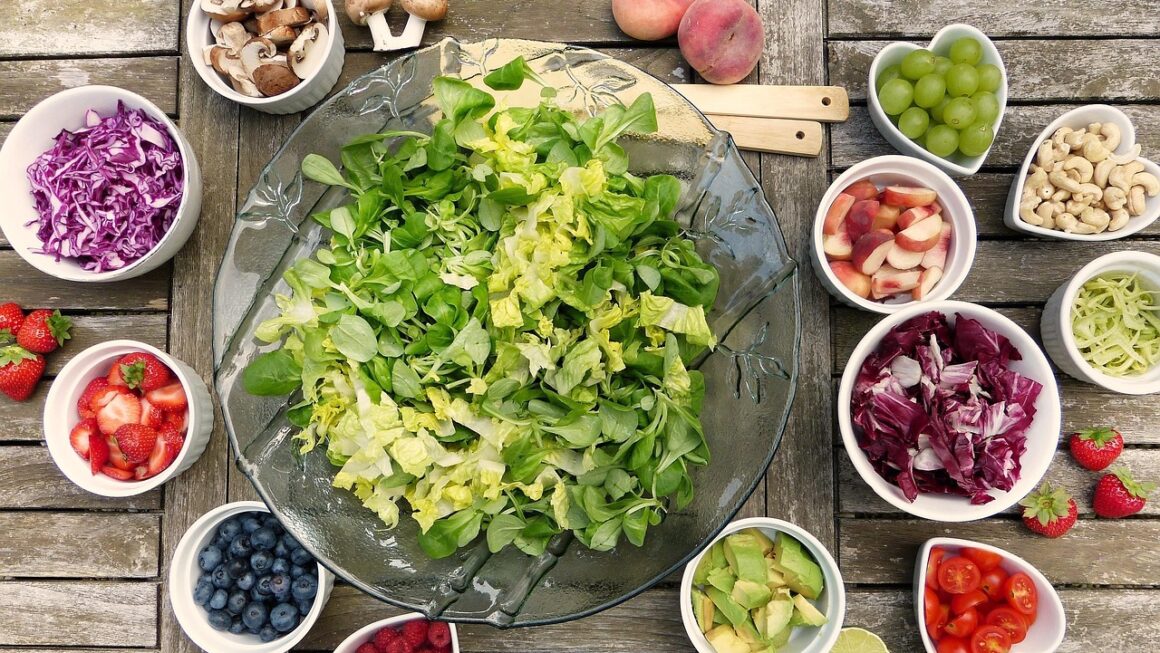
- Abundant Fruits: Apples, bananas, berries, oranges, grapes, mangoes, pineapples, melons, avocados (yes, it’s a fruit!).
- Leafy Greens: Spinach, kale, romaine, mixed greens, collard greens, Swiss chard.
- Vibrant Vegetables: Carrots, bell peppers, cucumbers, zucchini, broccoli, cauliflower, tomatoes, celery, sweet potatoes (often dehydrated or spiraled).
- Nuts and Seeds: Almonds, walnuts, cashews, pecans, macadamia nuts, flax seeds, chia seeds, hemp seeds, pumpkin seeds, sunflower seeds. (Always opt for raw, unroasted varieties).
- Legumes and Sprouts: Lentil sprouts, mung bean sprouts, alfalfa sprouts, chickpea sprouts.
- Healthy Fats and Oils: Extra virgin olive oil, cold-pressed flaxseed oil, avocado oil, coconut oil (raw, virgin).
- Sweeteners (Natural & Unprocessed): Dates, figs, maple syrup (raw variety if available), stevia.
- Herbs & Spices: Fresh basil, cilantro, parsley, mint, dried oregano, thyme, cayenne pepper, ginger, turmeric.
- Superfoods: Spirulina, chlorella, raw cacao powder, goji berries.
Key Nutrients to Focus On
While a varied raw vegan diet provides ample nutrients, certain ones deserve special attention to ensure optimal health.
- Vitamin B12: This is the only vitamin that cannot be reliably obtained from plant foods. Supplementation is crucial for all vegans, including raw vegans.
- Omega-3 Fatty Acids: Found in flax seeds, chia seeds, hemp seeds, and walnuts. Grind flax and chia seeds to maximize absorption.
- Iron: Abundant in leafy greens, lentils, pumpkin seeds, and dried fruits. Pair with Vitamin C-rich foods for better absorption.
- Calcium: Present in dark leafy greens, sesame seeds (tahini), almonds, and fortified plant milks (if consuming non-raw options or incorporating occasionally).
- Protein: Easily met with a diverse intake of nuts, seeds, leafy greens, sprouts, and spirulina.
- Vitamin D: Obtained from sun exposure; supplementation may be necessary, especially in less sunny climates.
Helpful Raw Vegan Kitchen Tools
These tools can significantly enhance your raw vegan culinary experience, making preparation faster and more enjoyable.
- High-Speed Blender: Essential for smoothies, soups, sauces, and nut milks. (e.g., Vitamix, Blendtec)
- Food Processor: Perfect for making “rice” from cauliflower, chopping vegetables, creating raw crusts, and dips.
- Dehydrator: For making raw crackers, breads, fruit leathers, and warming foods without cooking.
- Juicer: For fresh fruit and vegetable juices, boosting nutrient intake.
- Spiralizer: To create “noodles” from zucchini, sweet potatoes, and cucumbers.
- Mandoline Slicer: For thin, even slices of vegetables.
- Good Quality Knives and Cutting Boards: Fundamental for any kitchen.
Actionable Takeaway: Stock your pantry with a wide array of fresh fruits, vegetables, nuts, and seeds. Prioritize Omega-3s, Iron, Calcium, and Protein, and always supplement with Vitamin B12. Invest in a high-speed blender and a food processor to unlock a world of raw culinary possibilities.
A Sample Raw Vegan Meal Plan: 7-Day Overview
This sample raw vegan meal plan offers a diverse range of delicious, nutrient-dense meals designed to keep you energized and satisfied throughout the week. Remember, portion sizes can be adjusted based on your individual caloric needs and activity levels. Feel free to swap meals based on your preferences and what’s in season.
Day 1: Fresh Start
- Breakfast:
Tropical Green Smoothie: Blend 1 banana, 1 cup mango, 1 cup spinach, 1 tablespoon chia seeds, and 1 cup water/fresh coconut water until smooth.
- Lunch:
Large Detox Salad: Mixed greens, cucumber, bell peppers, shredded carrots, cherry tomatoes, and a lemon-ttahini dressing (tahini, lemon juice, garlic, water).
- Dinner:
Zucchini Noodles with Pesto: Spiralized zucchini “noodles” tossed with a fresh basil pesto (basil, pine nuts, nutritional yeast, garlic, olive oil, lemon juice).
- Snacks: Apple slices with almond butter, a handful of raw almonds.
Day 2: Energizing & Wholesome
- Breakfast:
Berry Chia Pudding: 1/4 cup chia seeds soaked overnight in 1 cup almond milk (raw, unsweetened) with a handful of mixed berries and a drizzle of raw agave.
- Lunch:
Avocado and Sprout Wraps: Large romaine lettuce leaves filled with sliced avocado, cucumber, shredded carrots, alfalfa sprouts, and a cashew cream cheese spread.
- Dinner:
Raw “Taco” Salad: Mixed greens with “walnut meat” (pulsed walnuts, sun-dried tomatoes, taco spices), salsa, avocado, and chopped bell peppers.
- Snacks: Orange, a small bag of raw dehydrated veggie chips.
Day 3: Protein-Packed & Satisfying
- Breakfast:
Hemp Seed Porridge: Blend 1/2 cup hemp seeds, 1 banana, 1/2 cup berries, and 1 cup water until creamy. Top with extra berries and a sprinkle of cinnamon.
- Lunch:
“No-Tuna” Salad Sandwich: Sprouted bread (dehydrated) or large lettuce wraps filled with a mashed chickpea/celery/dill “tuna” salad (use soaked and sprouted chickpeas, not canned).
- Dinner:
Dehydrated Pizza with Cashew Cheese: Raw pizza crust (made from nuts/seeds/flax, dehydrated) topped with fresh tomato sauce, cashew cheese, and an array of fresh veggies.
- Snacks: Celery sticks with almond butter, a handful of Brazil nuts.
Day 4: Mediterranean Flavors
- Breakfast:
Fig and Walnut Oatmeal (Raw): Blended figs, soaked oats (not truly raw unless sprouted, but often included for texture in raw-ish diets), walnuts, and a splash of raw nut milk. Alternatively, a fruit platter with dates and walnuts.
- Lunch:
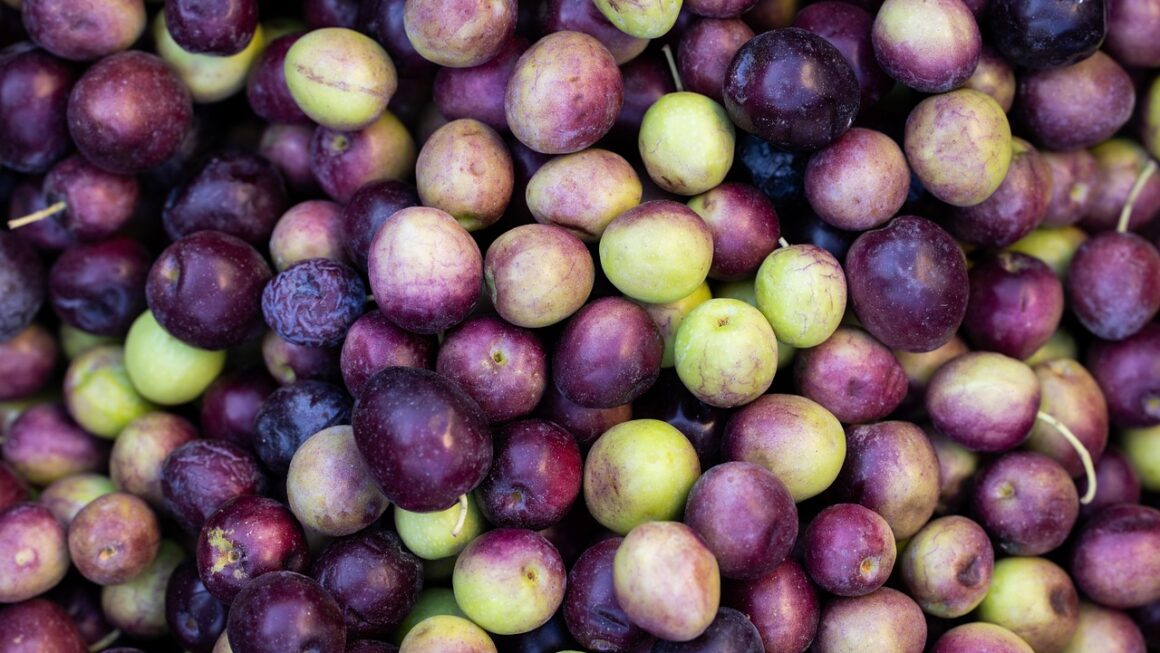
Greek Salad with Olive Tapenade: Mixed greens, cucumbers, tomatoes, bell peppers, Kalamata olives, red onion, and a lemon-oregano vinaigrette. Serve with a raw olive tapenade.
- Dinner:
Spinach Salad with Marinated Mushrooms: Fresh spinach, cherry tomatoes, sliced cucumbers, and mushrooms marinated in olive oil, balsamic vinegar, garlic, and herbs. Top with pumpkin seeds.
- Snacks: Handful of olives, raw energy bites (dates, nuts, cacao).
Day 5: Asian-Inspired Delights
- Breakfast:
Papaya Boat with Lime and Granola: Half a papaya filled with fresh lime juice and a raw granola (oats/nuts/seeds dehydrated).
- Lunch:
Coleslaw with Peanut Dressing: Shredded cabbage, carrots, and bell peppers with a raw peanut sauce (peanut butter, tamari, ginger, lime, agave).
- Dinner:
Pad Thai Salad: Kelp noodles or spiralized daikon radish with julienned carrots, bell peppers, cilantro, and a tangy raw peanut-lime dressing.
- Snacks: Edamame (lightly steamed for those not 100% raw, or sprouted mung beans), a handful of goji berries.
Day 6: Hearty & Comforting
- Breakfast:
Banana “Nice” Cream: Blended frozen bananas with a splash of water or nut milk. Top with raw cacao nibs and sliced almonds.
- Lunch:
Creamy Tomato Soup: Blend fresh tomatoes, sun-dried tomatoes, cashews, basil, garlic, and a pinch of salt until warm (from blending friction, not heat).
- Dinner:
Portobello Mushroom Steaks: Marinated and dehydrated portobello mushrooms served with a side of mixed greens and a vibrant red pepper sauce.
- Snacks: Fresh fruit skewer, a small bowl of soaked walnuts.
Day 7: Creative & Versatile
- Breakfast:
Superfood Smoothie Bowl: Blend banana, spinach, spirulina, and plant milk. Top with fresh berries, sliced banana, granola, and hemp seeds.
- Lunch:
Leftover Mushroom Steaks & Salad: Enjoy the delicious leftovers from dinner, perhaps with a different dressing.
- Dinner:
Raw Lasagna: Layers of thinly sliced zucchini, spinach-ricotta (made from soaked cashews, nutritional yeast, lemon), sun-dried tomato marinara, and fresh basil.
- Snacks: Vegetable sticks with homemade hummus (using sprouted chickpeas for raw version), a few dates.
Actionable Takeaway: Experiment with this 7-day raw vegan meal plan. It provides a solid framework for diverse and delicious meals. Don’t be afraid to customize it with your favorite raw ingredients and explore new recipes.
Tips for Transitioning and Sustaining a Raw Vegan Lifestyle
Adopting and maintaining a raw vegan diet can be a fulfilling journey, but it requires thoughtful preparation and a gradual approach. These tips will help you navigate the transition smoothly and ensure long-term success.
Gradual Transition Strategies
Jumping into 100% raw overnight can be overwhelming. A step-by-step approach often yields better, more sustainable results.
- Start with One Raw Meal a Day: Begin by making your breakfast or lunch raw. A green smoothie or a large salad is a great starting point.
- Incorporate More Raw Snacks: Swap processed snacks for fruits, vegetables, nuts, and seeds.
- Raw Till 4: Some find success by eating raw foods until 4 PM, then having a cooked vegan meal. This helps ease into the transition.
- Increase Your Raw Percentage: Gradually increase the proportion of raw foods in your diet from 50% to 75% to eventually 100% (if that’s your goal).
Meal Prep and Batch Cooking for Efficiency
Time management is key to any dietary plan, and raw veganism is no exception. Strategic meal prep can save hours during the week.
- Dedicated Prep Day: Set aside a few hours on a weekend to chop vegetables, wash greens, soak nuts/seeds, and blend sauces or dressings.
- Batch Blending: Make large batches of green smoothies or soups that can be stored in the fridge for 2-3 days.
- Pre-Portion Snacks: Divide nuts, seeds, and chopped fruits/veggies into individual containers or bags for grab-and-go options.
- Dehydrator Use: Utilize your dehydrator to make raw crackers, breads, or wraps in larger quantities to last the week.
Navigating Social Situations and Dining Out
Social events and restaurants don’t have to be a roadblock. With a little planning, you can enjoy yourself while sticking to your raw vegan plan.
- Communicate in Advance: If dining at a friend’s house, offer to bring a large raw dish to share, or gently inform them of your dietary preferences.
- Research Restaurants: Look up menus online beforehand. Many restaurants can accommodate requests for large salads without oil, or vegetable platters.
- Be Prepared: Carry raw snacks like fruit, nuts, or a small salad in a container for times when options are limited.
- Focus on Connection: Remember that social events are about connecting with people; food is just one aspect.
Listen to Your Body and Be Flexible
Every individual is unique. Pay attention to how different foods make you feel and adjust your plan accordingly.
- Hydration is Key: Drink plenty of filtered water throughout the day. Herbal teas are also great.
- Observe Digestion: Note how your body responds to different raw foods. Some may find certain vegetables harder to digest.
- Adjust Based on Season and Climate: In colder months, you might gravitate towards more dehydrator-warmed foods or heartier raw recipes.
- It’s Okay to Be Imperfect: Don’t strive for absolute perfection, especially when starting. A flexible approach is more sustainable than rigid adherence that leads to burnout.
Actionable Takeaway: Approach raw veganism gradually, utilize meal prep to save time, and learn to navigate social situations gracefully. Most importantly, listen to your body and be kind to yourself throughout the process for sustainable success.
Conclusion
Embracing a raw vegan meal plan is an empowering step towards optimizing your health and unlocking a vibrant, energetic lifestyle. By focusing on whole, uncooked plant foods, you nourish your body with essential enzymes, vitamins, and minerals, promoting improved digestion, clearer skin, and sustained energy. We’ve explored the fundamental principles of raw veganism, highlighted the invaluable role of a structured meal plan, identified key ingredients and tools for your kitchen, and provided a practical 7-day raw vegan meal plan to kickstart your journey.
Remember, success in any dietary change lies in thoughtful preparation, consistent effort, and a willingness to listen to your body. Utilize the actionable takeaways provided in each section to stock your pantry, plan your meals, and navigate challenges. With this comprehensive guide and a positive mindset, you are well-equipped to explore the bountiful world of raw vegan cuisine and reap its incredible benefits. Here’s to a future filled with vibrant health, delicious living foods, and boundless energy!