The world of bodybuilding is rapidly evolving, and breaking free from traditional norms is the plant-based revolution. Gone are the days when building serious muscle was synonymous with mountains of meat and dairy. Today, a growing number of athletes are proving that a meticulously crafted vegan bodybuilding meal plan can fuel incredible strength, impressive physique, and optimal recovery. Whether you’re a seasoned bodybuilder looking to transition or a complete beginner curious about plant-based power, this comprehensive guide will equip you with the knowledge, strategies, and practical examples to unlock your full muscle-building potential on a vegan diet.
The Foundations of Vegan Muscle Growth
Building muscle on a plant-based diet isn’t just possible; it’s incredibly effective when you understand the nutritional cornerstones. It requires strategic planning to ensure you’re consuming adequate calories, protein, carbohydrates, and healthy fats.
Protein Powerhouses for Plant-Based Athletes
Protein is the undisputed king of muscle synthesis. As a vegan bodybuilder, you’ll need to focus on diverse plant-based sources to ensure a complete amino acid profile. Aim for 1.6-2.2 grams of protein per kilogram of body weight, spread throughout the day.
- Legumes: Lentils, chickpeas, black beans, kidney beans, edamame. These are excellent sources of protein and fiber.
- Tofu and Tempeh: Versatile and complete protein sources derived from soybeans. Tofu can be pressed and marinated, while tempeh has a firmer texture and nutty flavor.
- Seitan: Made from wheat gluten, seitan is incredibly high in protein (around 25g per 100g) and has a chewy, meat-like texture, making it a favorite for many.
- Quinoa: A complete protein grain, also rich in fiber and various micronutrients.
- Nuts and Seeds: Almonds, walnuts, chia seeds, flax seeds, hemp seeds, pumpkin seeds. Great for snacks or adding to meals, providing protein and healthy fats.
- Vegan Protein Powders: Pea, rice, soy, or mixed plant protein powders can be convenient for boosting intake, especially post-workout.
Actionable Takeaway: Diversify your protein sources daily to ensure you get all essential amino acids. Combine foods like beans and rice, or hummus and whole-wheat pita, throughout the day to form complete proteins.
Carbohydrate Essentials for Energy and Recovery
Carbohydrates are your primary fuel source, crucial for intense workouts and replenishing glycogen stores for recovery. Don’t fear carbs; embrace them as your allies in plant-based muscle gain.
- Whole Grains: Oats, brown rice, quinoa, whole-wheat bread, whole-grain pasta. Provide sustained energy and fiber.
- Starchy Vegetables: Sweet potatoes, regular potatoes, squash, corn. Excellent for post-workout glycogen replenishment.
- Fruits: Bananas, berries, apples. Offer quick energy, antioxidants, and essential vitamins.
Actionable Takeaway: Prioritize complex carbohydrates for sustained energy throughout your day, and include easily digestible carbs like fruits or white rice around your workouts for quick fuel and recovery.
Healthy Fats for Hormonal Balance and Overall Health
Healthy fats are vital for hormone production, nutrient absorption, and reducing inflammation. They are calorie-dense, which is beneficial for bodybuilders aiming for a caloric surplus.
- Avocados: Rich in monounsaturated fats.
- Nuts and Seeds: Almonds, walnuts, cashews, chia seeds, flax seeds, hemp seeds. Provide essential fatty acids.
- Nut Butters: Peanut butter, almond butter, cashew butter (choose natural varieties without added sugars).
- Olive Oil and Coconut Oil: Healthy cooking fats.
Actionable Takeaway: Incorporate sources of omega-3 fatty acids like flax seeds, chia seeds, and walnuts daily, as these are often less abundant in vegan diets compared to omnivorous ones.
Crafting Your Vegan Bodybuilding Meal Plan
A successful vegan bodybuilding meal plan isn’t just about what you eat, but also when and how much. Understanding macronutrient ratios and meal timing can significantly impact your results.
Macronutrient Ratios for Muscle Growth
While individual needs vary, a good starting point for vegan bodybuilders typically looks like this:
- Protein: 25-35% of total daily calories.
- Carbohydrates: 40-55% of total daily calories.
- Fats: 15-25% of total daily calories.
These ratios can be adjusted based on your training intensity, body composition goals (bulk vs. cut), and individual metabolic response. Tracking your intake initially can help you fine-tune these percentages.
Actionable Takeaway: Use an online calculator or app to estimate your daily calorie needs for muscle gain, then adjust your macro ratios to fit within the suggested ranges. Consistency is key.
Meal Timing Strategies for Optimal Performance
While the “anabolic window” might not be as narrow as once thought, strategic meal timing still plays a role in optimizing performance and recovery.
- Pre-Workout: A meal 2-3 hours before training, rich in complex carbs and moderate protein, provides sustained energy. A smaller, easily digestible carb source (like a banana) 30-60 minutes before can give a quick boost.
- Post-Workout: Aim for a meal or shake within 1-2 hours after training, containing fast-acting carbohydrates and protein (e.g., a smoothie with plant-based protein powder, banana, and spinach). This aids in glycogen replenishment and muscle repair.
- Throughout the Day: Distribute protein intake evenly across 4-6 meals/snacks to maximize muscle protein synthesis.
Actionable Takeaway: Don’t skip your post-workout meal. It’s crucial for kickstarting recovery and growth. A protein shake combined with fruit is a convenient and effective option.
Hydration and Micronutrient Focus
Often overlooked, adequate hydration and micronutrient intake are fundamental to overall health, performance, and recovery.
- Water: Aim for at least 3-4 liters of water daily, increasing with intense training and warmer climates. Dehydration can significantly impair performance.
- Vitamins & Minerals: A varied vegan diet rich in fruits, vegetables, whole grains, nuts, and seeds should provide most micronutrients. Pay attention to iron (leafy greens, lentils, fortified foods), zinc (beans, seeds, nuts), and calcium (fortified plant milks, tofu, dark leafy greens).
Actionable Takeaway: Carry a water bottle with you and sip throughout the day. Include a wide array of colorful fruits and vegetables in your meals to ensure a broad spectrum of vitamins and minerals.
Sample 7-Day Vegan Bodybuilding Meal Plan
This sample plan provides a template. Portions should be adjusted based on your individual caloric and macronutrient needs, but it offers concrete examples for a high-protein vegan diet.
Typical Day Breakdown (Example)
This daily structure emphasizes whole foods, diverse protein sources, and balanced macros.
- Meal 1 (Breakfast): High-Protein Oat Bowl
- 1 cup rolled oats cooked with 1.5 cups fortified plant milk (soy or pea milk for extra protein)
- 1 scoop vegan protein powder (mixed in after cooking)
- 1/2 cup berries
- 2 tbsp chopped nuts (e.g., almonds or walnuts)
- 1 tbsp chia or flax seeds
- Meal 2 (Mid-Morning Snack): Power Smoothie
- 1.5 cups fortified plant milk
- 1 banana
- 1 cup spinach
- 1 scoop vegan protein powder
- 1 tbsp almond butter
- Meal 3 (Lunch): Lentil & Quinoa Power Bowl
- 1 cup cooked quinoa
- 1 cup cooked lentils
- Large serving of mixed greens (spinach, kale)
- 1/2 cup chopped bell peppers, cucumbers, cherry tomatoes
- 1/4 avocado, sliced
- Dressing: Lemon juice, tahini, garlic, nutritional yeast
- Meal 4 (Pre-Workout Snack – ~1 hour before training): Energy Boost
- 1 large banana or 2 rice cakes with 2 tbsp peanut butter
- Meal 5 (Post-Workout Meal): Tofu Scramble with Sweet Potato
- 1 block (14 oz) firm tofu, crumbled and seasoned with turmeric, nutritional yeast, black salt (kala namak) for egg-like flavor
- Large serving of sautéed vegetables (onions, mushrooms, bell peppers)
- 1 medium baked sweet potato
- Meal 6 (Dinner): Seitan Stir-fry with Brown Rice
- 1 cup cooked brown rice
- 4-6 oz seitan, sliced and pan-fried
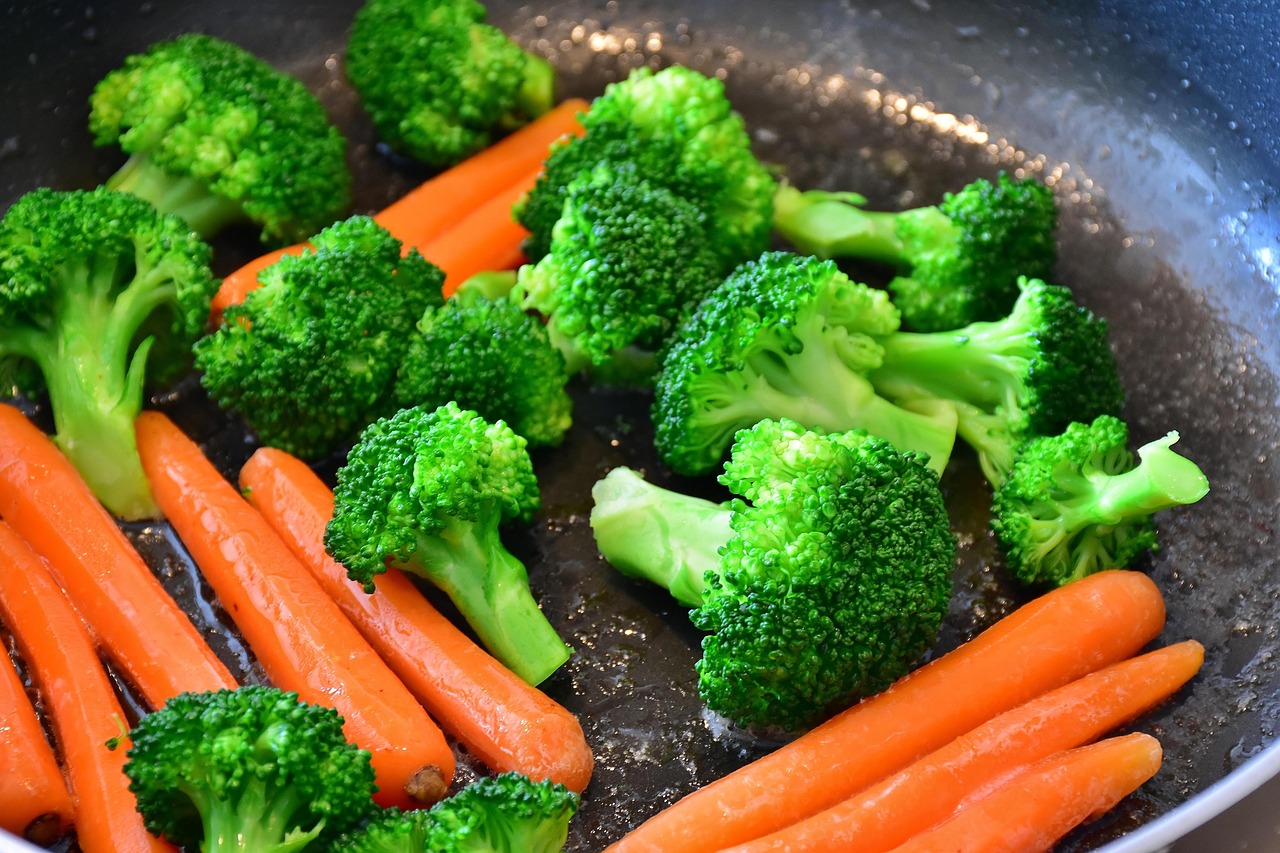
- Large serving of mixed stir-fry vegetables (broccoli, carrots, snap peas, bok choy)
- Stir-fry sauce: Tamari, ginger, garlic, a touch of maple syrup, sriracha
- Meal 7 (Optional Evening Snack): Protein Pudding
- 1/2 cup vegan Greek yogurt (e.g., Kite Hill, Forager) with 1/2 scoop protein powder and a sprinkle of berries.
Actionable Takeaway: Experiment with different plant-based ingredients to keep your meals exciting and ensure a wide range of nutrients. Batch cooking your grains and legumes at the beginning of the week can save significant time.
Supplementation for Vegan Bodybuilders
While a whole-food, balanced diet should be your primary focus, certain supplements can be beneficial for vegan bodybuilders to ensure optimal health and performance, addressing nutrients that might be less abundant in a plant-based diet.
Essential Vegan Supplements
These are highly recommended for most vegans, especially athletes:
- Vitamin B12: Crucial for nerve function, red blood cell formation, and energy. It’s not naturally found in plants.
- Recommendation: Take a reliable B12 supplement (cyanocobalamin or methylcobalamin) regularly.
- Vitamin D3: Important for bone health, immune function, and mood. While sunlight provides some, many, including non-vegans, are deficient. Look for lichen-derived D3.
- Recommendation: Consider a daily D3 supplement, especially if you have limited sun exposure.
- Omega-3 Fatty Acids (EPA/DHA): Essential for heart health, brain function, and reducing inflammation. While flax and chia seeds provide ALA, converting it to EPA/DHA is inefficient.
- Recommendation: A microalgae-derived EPA/DHA supplement is highly recommended.
Actionable Takeaway: Don’t overlook these essential supplements. Consult with a healthcare professional for personalized dosage recommendations and get your levels checked regularly.
Optional Performance Enhancers
These supplements can offer additional benefits for strength and muscle growth:
- Creatine Monohydrate: One of the most researched and effective supplements for increasing strength, power, and muscle mass. While found in meat, vegans typically have lower baseline levels.
- Recommendation: 3-5g daily.
- Vegan Protein Powder: Convenient for increasing protein intake, especially around workouts or when whole food sources are impractical.
- Recommendation: Use as needed to meet your daily protein targets. Pea, rice, or a blended plant protein are common options.
- Beta-Alanine: Can help buffer lactic acid, improving high-intensity exercise performance and delaying fatigue.
- Recommendation: 3-5g daily, often taken in divided doses.
Actionable Takeaway: Prioritize your diet and essential supplements first. Consider performance enhancers like creatine once your foundational nutrition is dialed in and consistent.
Overcoming Common Vegan Bodybuilding Challenges
Transitioning to or maintaining a vegan bodybuilding lifestyle comes with its unique set of challenges. However, with planning and smart strategies, these can be easily overcome.
Meal Prep Mastery for Consistency
One of the biggest hurdles is ensuring you always have nutrient-dense, plant-based meals ready, especially when life gets busy. Meal prepping is your secret weapon.
- Batch Cook Staples: Cook large quantities of quinoa, brown rice, lentils, and roasted vegetables at the beginning of the week.
- Pre-Chop Veggies: Save time by chopping all your vegetables for the week in one go.
- Assemble Components: Instead of fully preparing every meal, prepare components that can be quickly assembled into different dishes (e.g., grilled tofu, bean salads).
- Invest in Good Containers: Airtight, microwave-safe containers are a game-changer for storing prepped meals.
Actionable Takeaway: Dedicate a few hours one day a week (e.g., Sunday) to meal prep. This consistency will ensure you meet your nutritional goals and avoid unhealthy last-minute choices.
Dining Out While Vegan and Bodybuilding
Socializing shouldn’t derail your progress. With a bit of foresight, you can enjoy dining out.
- Research Ahead: Check restaurant menus online for vegan options or dishes that can be easily modified.
- Don’t Be Afraid to Ask: Politely inquire if they can make a dish vegan, or add extra protein (e.g., tofu, beans) to a salad or stir-fry.
- Prioritize Protein & Carbs: Look for dishes centered around legumes, tofu, tempeh, or seitan, paired with grains or starchy vegetables.
- Be Mindful of Oils: While healthy fats are good, excessive amounts from cooking can quickly add unwanted calories. Ask for sauces on the side.
Actionable Takeaway: Keep a few emergency protein bars or a small bag of nuts/seeds with you when dining out, just in case options are limited or portions are small.
Listening to Your Body and Prioritizing Recovery
Building muscle isn’t just about training and nutrition; it’s equally about recovery. Over-training and under-recovering can lead to burnout, injury, and stalled progress.
- Adequate Sleep: Aim for 7-9 hours of quality sleep per night. This is when your body repairs and grows.
- Active Recovery: Incorporate light activities like walking, yoga, or stretching on rest days to promote blood flow and reduce soreness.
- Stress Management: Chronic stress can elevate cortisol, hindering muscle growth. Find healthy ways to manage stress (meditation, hobbies).
- Monitor Progress: Keep a training journal. If you’re consistently feeling run down or your performance is decreasing, it might be a sign you need more rest or calories.
Actionable Takeaway: Treat rest days and sleep with as much importance as your training sessions. Your body needs time to adapt and grow stronger.
Conclusion
Embracing a vegan bodybuilding meal plan is a powerful journey that challenges conventional wisdom and empowers you to build a strong, healthy, and ethical physique. By focusing on diverse plant-based protein sources, strategic carbohydrate intake, healthy fats, and targeted supplementation, you can effectively fuel muscle growth and optimize your performance. Remember, consistency, meticulous planning, and listening to your body are paramount. The plant-based path to muscle is not only sustainable for your body but also for the planet. So, go forth, embrace the power of plants, and sculpt the physique you’ve always envisioned!