Navigating the vast and evolving landscape of dietary choices can feel like a complex puzzle. On one side, the profound ethical and environmental benefits of veganism attract a growing following. On the other, the health advantages of a low-carb approach – from weight management to blood sugar stability – are gaining significant scientific backing. For many, the idea of combining these two powerful dietary philosophies might seem daunting, conjuring images of restrictive meals and limited options. However, the truth is far more exciting. A low-carb vegan lifestyle is not only entirely achievable but can also be incredibly diverse, delicious, and nutritionally rich. This post will demystify low-carb vegan eating, equipping you with the knowledge, essential ingredients, and mouth-watering meal ideas to thrive on this vibrant path.
## Understanding the Low-Carb Vegan Lifestyle
The convergence of low-carb and vegan principles creates a unique and powerful dietary approach. It’s about harnessing the best of both worlds for optimal health and ethical living.
### What is Low-Carb Vegan?
At its core, a low-carb vegan diet emphasizes plant-based foods while significantly reducing carbohydrate intake. This means:
- Veganism: Excludes all animal products, including meat, fish, dairy, eggs, and honey. The focus is purely on plant-derived ingredients.
- Low-Carb: Typically involves limiting net carbohydrate intake to a range of 20-100 grams per day, depending on individual goals and activity levels. The emphasis shifts from grains, starchy vegetables, and most fruits to non-starchy vegetables, healthy fats, and plant-based protein.
This approach prioritizes whole, unprocessed foods, ensuring you get a wealth of nutrients without the high sugar and refined carbohydrate load.
### Why Combine Them? Unpacking the Synergistic Benefits
Choosing a low-carb vegan diet isn’t just about restriction; it’s about unlocking a cascade of health and ethical advantages:
- Sustainable Weight Management: The combination of high fiber from vegetables, satiating healthy fats, and adequate protein helps keep you feeling full, reducing cravings and promoting healthy weight loss or maintenance.
- Improved Blood Sugar Control: By limiting carbohydrates, this diet can significantly stabilize blood glucose levels, making it beneficial for individuals managing type 2 diabetes or insulin resistance. Studies have shown plant-based diets can improve insulin sensitivity.
- Enhanced Energy and Mental Clarity: Avoiding sugar spikes and crashes often leads to more sustained energy throughout the day and improved cognitive function, commonly reported as “keto clarity.”
- Heart Health Benefits: Naturally rich in healthy fats (from avocados, nuts, seeds) and low in saturated animal fats, this diet supports cardiovascular health by potentially improving cholesterol profiles and blood pressure.
- Ethical and Environmental Impact: Aligning with vegan principles means a diet free from animal exploitation and a reduced carbon footprint, contributing positively to animal welfare and planetary health.
Actionable Takeaway: Begin by understanding your ‘why.’ Whether it’s for health, ethics, or both, having a clear motivation will be your strongest guide. Start by gradually reducing high-carb vegan staples like rice, pasta, and bread, and replace them with low-carb alternatives.
## Essential Low-Carb Vegan Staples: Your Pantry Checklist
Building a successful low-carb vegan kitchen starts with stocking the right ingredients. These pantry powerhouses will form the foundation of your delicious and nutritious meals.
### Protein Powerhouses
Ensuring adequate protein on a low-carb vegan diet is crucial for muscle maintenance and satiety. Focus on these:
- Tofu & Tempeh: Incredibly versatile, these soy-based products are excellent sources of protein. Opt for extra-firm tofu for best texture in stir-fries or scrambles, and tempeh for its nutty flavor and fermented goodness. (Approx. 2-3g net carbs per 100g)
- Lupini Beans: A lesser-known legume, lupini beans are remarkably low in carbs and high in protein and fiber. They can be enjoyed pickled or cooked into various dishes. (Approx. 7g net carbs per 100g)
- Edamame: While legumes can be carb-heavy, edamame is a good choice in moderation, offering complete protein. (Approx. 5g net carbs per 100g)
- Vegan Protein Powder: Look for low-carb options like pea protein, hemp protein, or a blend, ensuring no added sugars or high-carb fillers. Great for smoothies and post-workout fuel.
- Seitan: Made from wheat gluten, seitan is a protein powerhouse. Be mindful of its carb content, as it can vary, but generally lower than many other plant proteins. (Approx. 4g net carbs per 100g, check labels)
### Healthy Fats & Oils
Healthy fats are your primary energy source on a low-carb diet, keeping you full and providing essential fatty acids.
- Avocado: Rich in monounsaturated fats, potassium, and fiber. Perfect in salads, smoothies, or as a standalone snack.
- Nuts: Almonds, walnuts, pecans, macadamia nuts, and Brazil nuts are excellent low-carb options. Great for snacking or adding crunch to meals.
- Seeds: Chia seeds, flax seeds (ground for absorption), hemp seeds, pumpkin seeds, and sunflower seeds are packed with healthy fats, fiber, and micronutrients. They are fantastic for puddings, toppings, and baking.
- Olive Oil: A staple for dressings, sautéing, and drizzling. Choose extra virgin for maximum benefits.
- Coconut Oil: Ideal for higher-heat cooking due to its stability. Also great for adding a creamy texture to curries or smoothies.
### Non-Starchy Vegetables
These vegetables are the backbone of a low-carb vegan diet, providing bulk, fiber, and a huge array of vitamins and minerals.
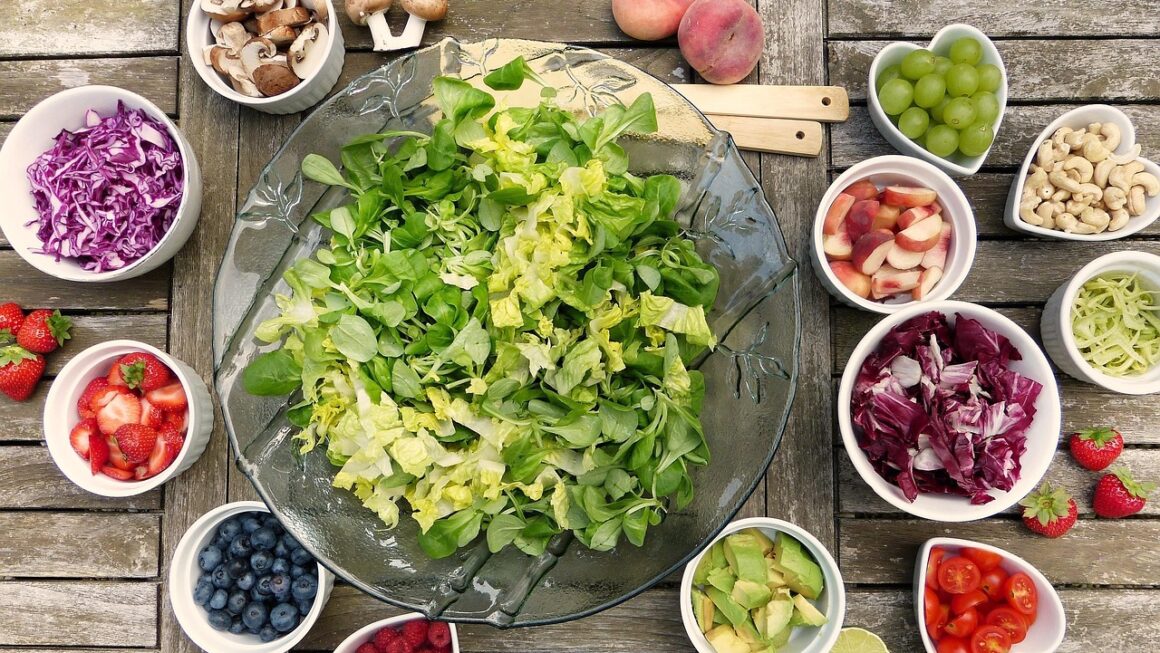
- Leafy Greens: Spinach, kale, romaine, mixed greens, collard greens. Eat them by the bucket-load!
- Cruciferous Vegetables: Broccoli, cauliflower (rice, mash, roasted florets), Brussels sprouts, cabbage.
- Other Favorites: Zucchini, asparagus, bell peppers (especially green), mushrooms, green beans, cucumber, celery, eggplant.
### Flavor Boosters & Condiments
Don’t let your low-carb vegan meals be bland! These additions bring dishes to life.
- Herbs & Spices: Fresh basil, cilantro, parsley, dill, thyme. Ground spices like cumin, turmeric, paprika, chili powder, garlic powder, onion powder.
- Aromatics: Fresh garlic, onion, ginger.
- Nutritional Yeast: Adds a cheesy, umami flavor – great for sauces and “cheese” dust.
- Vinegars: Apple cider vinegar, red wine vinegar, balsamic (use sparingly due to sugar content).
- Low-Carb Sweeteners: Erythritol, stevia, monk fruit for occasional treats.
- Condiments: Tamari (gluten-free soy sauce alternative), coconut aminos, sugar-free mustard, hot sauce (check for added sugars).
Actionable Takeaway: Conduct a pantry overhaul! Stock up on these essentials and remove high-carb temptations. Having these ingredients readily available makes meal preparation much easier and ensures you stick to your low-carb vegan goals.
## Delicious Low-Carb Vegan Meal Ideas for Any Time of Day
Eating low-carb vegan doesn’t mean sacrificing flavor or variety. These ideas demonstrate how satisfying and diverse your meals can be from morning till night.
### Breakfast Boosters
Start your day with satisfying, protein-rich, and low-carb options that will keep you full until lunch.
- Savory Tofu Scramble: Crumble extra-firm tofu and sauté with nutritional yeast, turmeric (for color), black salt (for eggy flavor), spinach, mushrooms, and bell peppers. Serve with sliced avocado.
- Berry Chia Seed Pudding: Mix chia seeds with unsweetened almond or coconut milk, a dash of low-carb sweetener, and a handful of low-carb berries (raspberries, blackberries). Let it chill overnight. Top with chopped nuts or seeds.
- Green Goddess Smoothie: Blend unsweetened almond milk, spinach, half an avocado, a scoop of vegan protein powder, and a squeeze of lemon juice for a refreshing and nutrient-dense start.
- Avocado Toast (Low-Carb Style): Serve mashed avocado with everything bagel seasoning on a slice of low-carb vegan bread or sturdy lettuce leaves.
### Lunch & Dinner Delights
These main meals are packed with flavor, nutrients, and will keep you energized.
- Cauliflower Rice Stir-fry: Sauté crumbled tempeh or tofu with a medley of low-carb vegetables (broccoli, bell peppers, zucchini, mushrooms) in tamari/coconut aminos and ginger-garlic sauce. Serve over steamed cauliflower rice.
- Zucchini Noodle Pesto Pasta: Spiralize zucchini into noodles. Toss with a homemade vegan pesto (basil, nutritional yeast, pine nuts/walnuts, olive oil, garlic), sun-dried tomatoes, and roasted asparagus. Add crumbled vegan feta if desired.
- Spicy Tempeh Lettuce Wraps: Crumble tempeh and sauté with chili, ginger, garlic, and tamari. Serve in large lettuce cups with shredded carrots (moderation) and cucumber, topped with a sprinkle of chopped peanuts.
- Creamy Coconut Curry: Simmer cubed tofu or tempeh with broccoli, spinach, and bell peppers in a rich sauce made from full-fat coconut milk, curry paste, and spices.
- Mega Salad Bowls: Build a substantial salad with a base of mixed greens, topped with avocado, olives, pumpkin seeds, hemp seeds, marinated baked tofu, cucumber, and a generous drizzle of olive oil and vinegar dressing.
### Snack Sensations
Keep hunger at bay with these easy and satisfying low-carb vegan snacks.
- Handful of mixed nuts (almonds, pecans, macadamias).
- Celery sticks with sugar-free nut butter (almond, peanut).
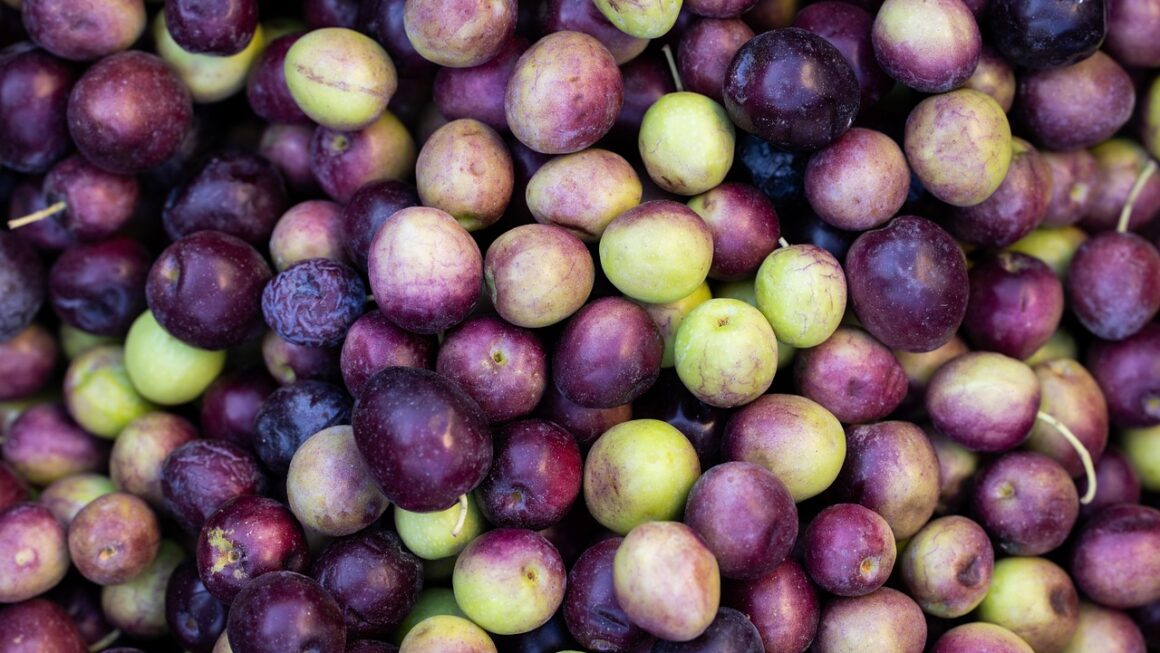
- Olives.
- Avocado slices with a sprinkle of sea salt.
- Seaweed snacks (check for added sugar).
- Small portion of vegan “cheese” slices (check carb content).
### Dessert Decadence (Sugar-Free)
Yes, you can still enjoy treats!
- Dark Chocolate: Choose varieties with 85% cocoa or higher (check sugar content).
- Avocado Chocolate Mousse: Blend ripe avocado with cocoa powder, a low-carb sweetener, and a splash of unsweetened almond milk until smooth and creamy.
- Berry & Coconut Cream: Layer fresh, low-carb berries (a small portion) with whipped full-fat coconut cream (chilled coconut milk, scoop out solids and whip).
Actionable Takeaway: Embrace creativity in the kitchen! Don’t be afraid to experiment with different flavor combinations and cooking methods. Use spices and herbs generously to keep your meals exciting and prevent boredom.
## Navigating Challenges and Ensuring Nutritional Adequacy
While a low-carb vegan diet offers numerous benefits, it’s essential to be mindful of potential nutritional gaps and common pitfalls to ensure you’re thriving.
### Micronutrient Spotlight: What to Watch For
Combining two restrictive diets requires careful planning to ensure you meet all your nutritional needs. Pay special attention to these micronutrients:
- Vitamin B12: This is the most crucial supplement for ALL vegans, regardless of carb intake. B12 is only found reliably in animal products or fortified foods/supplements. A reputable B12 supplement is non-negotiable.
- Iron: While plant-based, low-carb options like spinach, pumpkin seeds, and fortified plant milks contain iron, it’s non-heme iron and less bioavailable. Enhance absorption by consuming iron-rich foods with vitamin C (e.g., bell peppers, broccoli).
- Calcium: Focus on fortified plant milks, dark leafy greens (kale, collard greens), fortified tofu, and sesame seeds (tahini).
- Omega-3 Fatty Acids: ALA (alpha-linolenic acid) is found in flax seeds, chia seeds, and hemp seeds. However, conversion to the essential EPA and DHA is inefficient. Consider an algae-based DHA/EPA supplement for optimal intake.
- Iodine: Use iodized salt or consume seaweed (in moderation to avoid excess).
- Vitamin D: Sun exposure is ideal, but a supplement (D2 or vegan D3 from lichen) is often necessary, especially in less sunny climates.
### Common Pitfalls to Avoid
Being aware of these traps will help you stay on track and maintain a healthy, balanced low-carb vegan diet:
- Hidden Carbs in Processed Foods: Always read nutrition labels carefully, even on “vegan” or “keto-friendly” products. Sugars, starches, and fillers can hide in sauces, dressings, plant milks, and meat alternatives.
- Lack of Variety: Sticking to the same few meals can lead to nutrient deficiencies and dietary boredom. Actively seek out new recipes and incorporate a wide range of low-carb vegetables, proteins, and fats.
- Over-Reliance on “Keto Vegan” Junk Food: Just because something is marketed as “keto” and “vegan” doesn’t mean it’s healthy. Prioritize whole, unprocessed foods over highly processed substitutes.
- Insufficient Protein Intake: It’s easy to under-eat protein when restricting carbs on a vegan diet. Ensure each meal has a substantial protein source from the list of staples.
### Hydration & Electrolytes
Especially when starting a low-carb diet, your body sheds water and electrolytes. It’s crucial to:
- Drink Plenty of Water: Aim for at least 8-10 glasses daily.
- Replenish Electrolytes: Include pink Himalayan salt in your cooking, add a squeeze of lemon to water, or consider a quality electrolyte supplement, especially if you experience “keto flu” symptoms (headache, fatigue, dizziness). Magnesium-rich foods like leafy greens and pumpkin seeds also help.
Actionable Takeaway: Consider consulting with a registered dietitian or healthcare professional experienced in plant-based and low-carb diets. They can help you create a personalized plan and ensure you’re meeting all your nutritional needs through food and appropriate supplementation. Don’t guess; get informed!
## Practical Tips for Success & Meal Prepping
Making a low-carb vegan lifestyle sustainable and enjoyable often comes down to smart planning and efficient habits. These practical tips will set you up for long-term success.
### Planning & Shopping Smart
Your journey begins before you even step into the kitchen.
- Weekly Meal Planning: Dedicate 15-30 minutes each week to plan your meals and snacks. This prevents decision fatigue and impulse buys.
- Create a Detailed Grocery List: Stick to your list! Shop the perimeter of the grocery store for fresh produce, then move to the center aisles for pantry staples like nuts, seeds, and oils.
- Batch Cook Staples: Cook large batches of cauliflower rice, roasted vegetables, or baked tofu/tempeh at the beginning of the week. This makes assembling meals quick and easy during busy weekdays.
Example: On Sunday, you could roast a tray of broccoli and bell peppers, bake a block of seasoned tofu, and prepare a large container of chia pudding. These components can then be mixed and matched for various meals throughout the week.
### Mastering Basic Recipes & Substitutions
Having a few go-to recipes and knowing how to adapt them is invaluable.
- Cauliflower Rice: Learn to make it perfectly (either grated raw or pulsed in a food processor, then sautéed). It’s a versatile base for bowls, stir-fries, or as a side.
- Zucchini Noodles: Invest in a spiralizer or buy pre-spiralized zucchini. Use them in place of pasta or in cold salads.
- Versatile Dressings: Master a few low-carb, vegan dressings (e.g., tahini-lemon, olive oil-vinegar-dijon, nut butter-ginger) that can elevate any salad or vegetable dish.
- Low-Carb “Breads” and Wraps: Experiment with recipes for almond flour crackers, flaxseed wraps, or simply use large lettuce leaves as wraps.
Tip: Always have extra virgin olive oil, apple cider vinegar, and nutritional yeast on hand for quick dressings and flavor boosts.
### Eating Out Low-Carb Vegan
Social situations shouldn’t derail your diet. With a little foresight, you can enjoy dining out.
- Research Menus Online: Before going to a restaurant, check their menu for vegan options and potential low-carb modifications.
- Ask for Substitutions: Don’t be afraid to ask! Request grilled vegetables instead of starchy sides, swap rice for extra veggies or a side salad (dressing on the side), or ask for no croutons on salads.
- Focus on Freshness: Look for large salads, veggie-heavy stir-fries (hold the rice/noodles), or bean/tofu dishes where carbs can be easily removed.
- Communicate Clearly: Explain your dietary needs clearly to your server, emphasizing “no animal products” and “low-carb.”
Example: At a Mexican restaurant, ask for a “naked” burrito bowl with extra fajita veggies, black beans (in moderation), salsa, guacamole, and no rice or tortillas. At an Asian restaurant, ask for a tofu/tempeh stir-fry with extra broccoli and no rice/noodles, with sauce on the side to control sugar. At an Italian place, opt for a large salad with oil and vinegar, and roasted vegetables (check preparation for hidden ingredients).
Actionable Takeaway: Consistency is key. By investing time in meal planning, learning basic preparation techniques, and developing strategies for dining out, you’ll find that a low-carb vegan lifestyle is not just feasible, but genuinely enjoyable and easy to maintain.
## Conclusion
Embracing a low-carb vegan lifestyle might initially seem like a journey into uncharted territory, but as we’ve explored, it’s a path brimming with delicious possibilities and profound health benefits. By focusing on nutrient-dense plant proteins, healthy fats, and an abundance of non-starchy vegetables, you can create meals that are incredibly satisfying, promote stable energy levels, support weight management, and align with ethical and environmental values.
From invigorating tofu scrambles to hearty cauliflower rice stir-fries and innovative zucchini noodle dishes, the culinary landscape of low-carb veganism is anything but restrictive. With smart planning, a well-stocked pantry, and an awareness of key micronutrients, you can confidently navigate this dietary approach, turning perceived challenges into opportunities for creative cooking and vibrant living.
This journey is about empowerment – empowering yourself with knowledge, empowering your body with wholesome nutrition, and contributing to a more sustainable world. So, step into your kitchen, experiment with these exciting ingredients and ideas, and discover the truly delicious and fulfilling world of low-carb vegan meals. Your taste buds, your body, and the planet will thank you.