In a world increasingly seeking pathways to optimal health and sustainable living, the concept of a raw vegan meal plan has emerged as a beacon for many. Far from being a restrictive diet, it’s a vibrant journey into the heart of plant-based nutrition, emphasizing foods in their most natural, unprocessed state. Imagine fueling your body with the pure energy of the earth, unlocking unparalleled vitality, and experiencing a profound connection to what you eat. If you’re curious about harnessing the power of living foods to transform your health, then delving into a well-structured raw vegan meal plan is your first exciting step.
What is a Raw Vegan Meal Plan? Unpacking the Fundamentals
A raw vegan meal plan revolves around consuming foods that are entirely plant-based and have not been heated above a certain temperature, typically 104-118°F (40-48°C). The philosophy behind this approach is to preserve the natural enzymes, vitamins, and minerals that can be degraded or destroyed by cooking, thereby maximizing the nutritional density of every bite.
Defining Raw Veganism
At its core, raw veganism is a subset of veganism. This means all animal products, including meat, dairy, eggs, and honey, are excluded. The ‘raw’ aspect further restricts preparation methods:
- No Cooking: Foods are not boiled, baked, roasted, fried, or microwaved.
- Minimal Processing: Focus is on whole, unprocessed foods like fresh fruits, vegetables, nuts, seeds, and sprouted grains.
- Preparation Methods: Acceptable techniques include blending, juicing, dehydrating (at low temperatures), soaking, and sprouting.
The emphasis is on maintaining the “life force” of the food, believed to provide superior nourishment and energy.
The Core Principles of Raw Food Prep
Understanding how to prepare food raw is key to a successful raw vegan meal plan:
- Soaking: Nuts, seeds, and some grains are often soaked to activate enzymes, improve digestibility, and remove anti-nutrients. For example, soaking almonds overnight before blending them into milk.
- Sprouting: Grains like quinoa or legumes like lentils can be sprouted, dramatically increasing their nutrient content and making them easier to digest. Think sprouted lentil salads or sprouted buckwheat granola.
- Dehydrating: Using a dehydrator, foods can be gently dried at low temperatures to create crackers, breads, fruit leathers, or even warm savory dishes without “cooking” them.
- Blending & Juicing: These are staples for creating smoothies, fresh juices, soups, and sauces, providing concentrated doses of nutrients.
Actionable Takeaway: Begin by experimenting with simple raw food preparation techniques like soaking nuts for homemade plant milk or blending a vibrant green smoothie to kickstart your journey into a raw food diet.
Core Components of a Thriving Raw Vegan Diet
A well-rounded raw vegan meal plan is incredibly diverse and colorful. It’s built on a foundation of nutrient-dense whole foods, ensuring you get all the necessary vitamins, minerals, healthy fats, and proteins.
Fruits: Nature’s Sweetest Offerings
Fruits are the cornerstone of many raw vegan diets, providing quick energy, hydration, and a plethora of vitamins, minerals, and antioxidants.
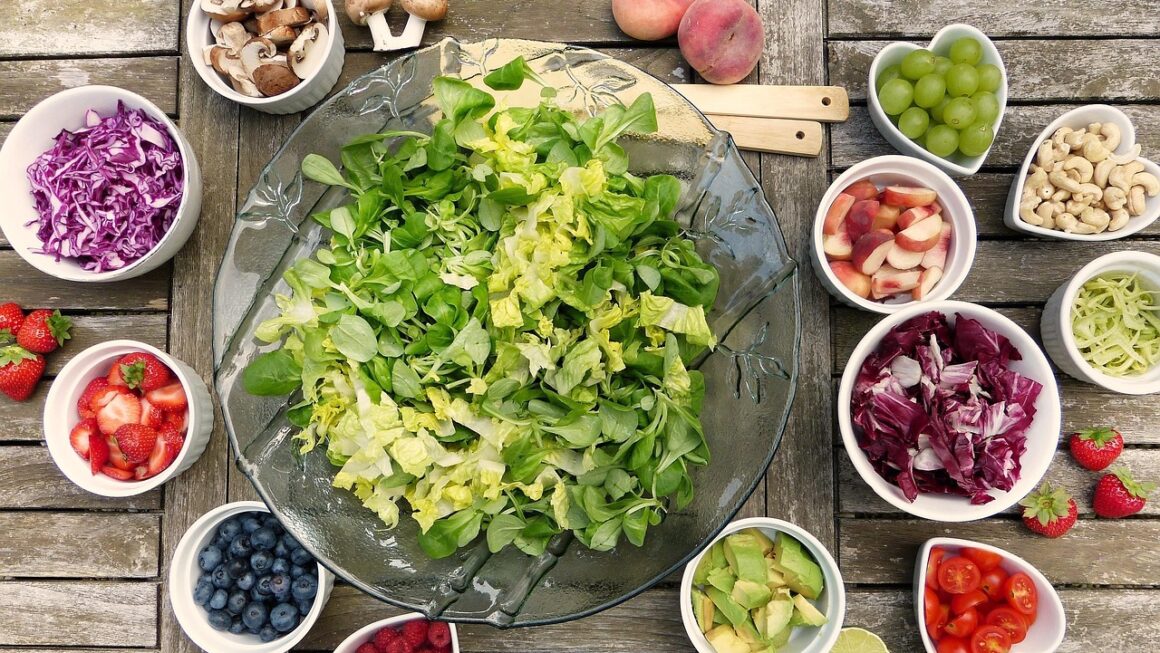
- Sweet Fruits: Bananas, dates, mangoes, berries, apples, grapes. Excellent for smoothies, fruit salads, and natural sweetening.
- Non-Sweet/Savory Fruits: Avocados, tomatoes, cucumbers, bell peppers. Often used in savory dishes, salads, and dressings.
Practical Example: Start your day with a “mono-meal” of a large bowl of berries or a few ripe bananas, or blend a smoothie with spinach, banana, and a cup of mixed berries for an antioxidant boost.
Vegetables: The Green Powerhouse
From leafy greens to root vegetables, these provide essential minerals, fiber, and phytonutrients crucial for vibrant health.
- Leafy Greens: Spinach, kale, romaine lettuce, collard greens. Form the base of salads, green juices, and smoothies. They are rich in chlorophyll and often used for detoxification.
- Cruciferous Vegetables: Broccoli, cauliflower (used raw in salads or “rice”), cabbage.
- Root Vegetables: Carrots, beets, sweet potatoes (can be spiralized or finely grated raw).
Practical Example: A large “detox” salad for lunch packed with massaged kale, grated carrots, shredded beets, cucumber, and a creamy avocado dressing. This provides a fantastic array of nutrients for plant-based nutrition.
Nuts and Seeds: Healthy Fats and Protein
Nuts and seeds are vital for healthy fats, protein, fiber, and minerals. Always opt for raw, unroasted varieties and consider soaking them.
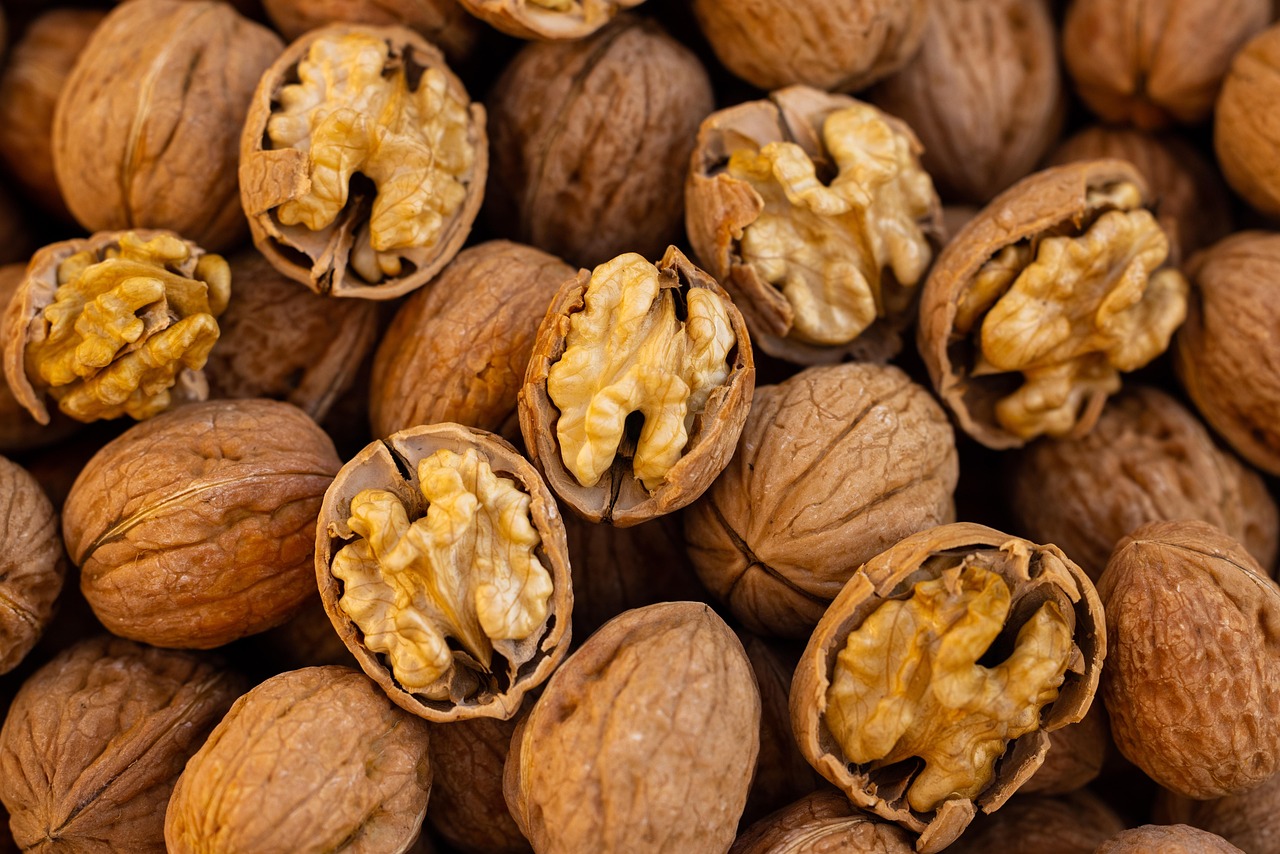
- Nuts: Almonds, walnuts, cashews, pecans. Great for making raw “cheeses,” milks, patés, or simply as a snack.
- Seeds: Chia seeds, flax seeds, hemp seeds, pumpkin seeds, sunflower seeds. Excellent sources of Omega-3 fatty acids, fiber, and protein. Use them in smoothies, puddings, or as salad toppers.
Practical Example: A chia seed pudding (1/4 cup chia seeds, 1 cup plant milk, sweetener) for breakfast or a handful of activated almonds as a mid-afternoon snack.
Sprouted Grains and Legumes: Activated Nutrition
While most grains and legumes are cooked, a select few can be consumed raw after sprouting, which makes them digestible and enhances their nutritional profile.
- Sprouted Quinoa: Can be used in salads, often mimicking the texture of cooked quinoa.
- Sprouted Lentils/Mung Beans: Excellent in salads, wraps, or as a protein source.
- Buckwheat Groats: Soaked and dehydrated, they make crunchy granola or a base for breakfast bowls.
Actionable Takeaway: Diversify your raw vegan meal plan by incorporating sprouted foods. Start with easy-to-sprout options like alfalfa or mung beans to add fresh, live nutrition to your salads and wraps.
Crafting Your Daily Raw Vegan Meal Plan: A Sample Day
Designing a daily raw vegan meal plan doesn’t have to be complicated. The key is variety, balancing macronutrients, and ensuring you get enough calories. Here’s a sample day to inspire your own journey.
Morning: Energize and Hydrate
- Pre-Breakfast (Hydration): Large glass of water with lemon slices or a shot of wheatgrass juice.
- Breakfast (Fruit & Greens Power): A large green smoothie made with 2 cups spinach, 1 banana, 1 cup mixed berries, 1 tablespoon chia seeds, and 1-2 cups water or almond milk.
Practical Tip: Prepare your smoothie ingredients in freezer bags the night before for quick morning blending. This ensures you start your day with an energetic and nutrient-rich boost, a crucial component of a successful raw food diet.
Mid-Day: Sustenance and Freshness
- Lunch (Abundant Salad): A massive salad featuring a base of mixed greens (kale, romaine), topped with grated carrots, bell peppers, cucumber, cherry tomatoes, spiralized zucchini, and a generous dollop of guacamole or a creamy tahini-lemon dressing. Add a handful of sprouted lentils for protein.
- Mid-Afternoon Snack (Healthy Fats/Protein): An apple with a tablespoon of almond butter, or a small handful of raw walnuts.
Practical Tip: Meal prep your salad components at the beginning of the week. Wash and chop vegetables, make your dressing, and keep them separate until serving to maintain freshness and crunch.
Evening: Nourish and Wind Down
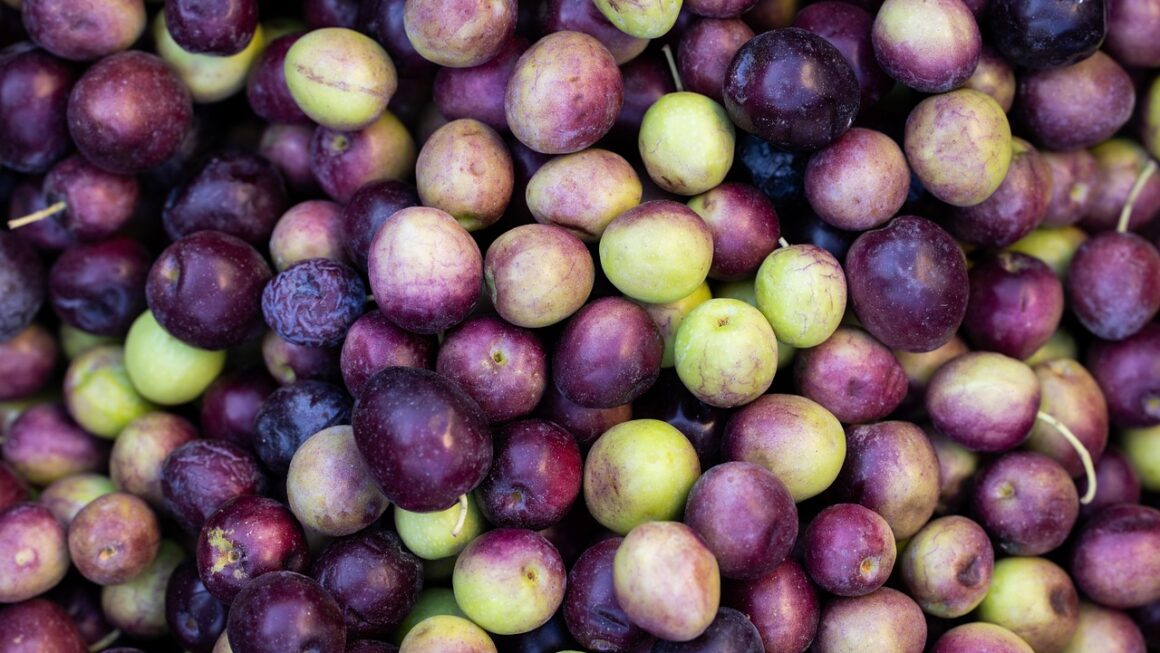
- Dinner (Savory & Satisfying): Raw zucchini pasta (spiralized zucchini) tossed with a fresh pesto sauce (basil, pine nuts, nutritional yeast, garlic, olive oil) and sun-dried tomatoes, topped with finely chopped bell peppers and a sprinkle of raw “parmesan” (blended cashews, nutritional yeast, salt).
- Evening Snack (Light & Digestible): A small bowl of fresh fruit (e.g., melon or berries) or a cup of herbal tea.
Practical Tip: For dinner, focus on satisfying textures and flavors. A dehydrator can be useful here to create warm (but still raw) crackers or bread to accompany your meal, adding to the satisfaction of your raw vegan meal plan.
Hydration and Mindful Eating
Throughout the day, focus on ample hydration with filtered water. Listen to your body’s hunger and fullness cues. Eating slowly and mindfully can significantly enhance digestion and enjoyment.
Actionable Takeaway: Experiment with different fruit and vegetable combinations for your smoothies and salads. Find what you enjoy and what makes you feel best, making your raw vegan lifestyle sustainable and pleasurable.
Benefits of Embracing a Raw Vegan Lifestyle
Adopting a raw vegan meal plan can usher in a cascade of positive changes, impacting various aspects of your health and well-being. Many proponents report feeling significantly better than ever before.
Enhanced Digestion and Gut Health
Raw foods, rich in enzymes and fiber, are inherently easier for the body to digest. Cooking often destroys these natural enzymes, forcing the body to produce more of its own, which can be taxing.
- Enzyme Rich: Living enzymes in raw foods aid in the breakdown and absorption of nutrients.
- High Fiber Content: Promotes regular bowel movements, supports a healthy gut microbiome, and helps eliminate waste efficiently. This contributes to better detoxification.
Practical Insight: Many experience reduced bloating, gas, and indigestion when transitioning to a raw vegan diet, due to the ease of digestion and increased fiber intake.
Increased Energy and Mental Clarity
Without the burden of digesting processed, heavy, or cooked foods, the body can redirect energy to other vital functions. This often translates to a noticeable boost in energy levels and mental sharpness.
- Less Digestive Load: Frees up energy that would otherwise be spent on digestion.
- Nutrient Density: Consistent intake of vitamins and minerals supports optimal brain function and sustained energy.
Practical Insight: Expect fewer afternoon slumps and a greater sense of alertness throughout the day, a hallmark of vibrant health.
Weight Management and Sustainable Health
Raw vegan diets are typically low in processed sugars, unhealthy fats, and empty calories, while being high in fiber and water content. This combination naturally supports healthy weight management.
- Naturally Low Calorie Density: You can eat large volumes of food without consuming excessive calories.
- Satiety: High fiber and water content help you feel full and satisfied for longer.
Practical Insight: Many individuals find that a raw vegan meal plan facilitates healthy and sustainable weight loss without feeling deprived, simply by focusing on nutrient-rich whole foods.
Improved Skin Health and Anti-Aging Effects
The abundance of antioxidants, vitamins, and minerals in raw fruits and vegetables directly benefits skin health, contributing to a more radiant complexion and potentially slowing signs of aging.
- Antioxidant Rich: Fights free radical damage, protecting skin cells.
- Hydration: High water content in raw produce contributes to skin elasticity and glow.
Actionable Takeaway: Observe how your energy levels, digestion, and even skin improve within a few weeks of consistently following a raw vegan meal plan. Track these changes to stay motivated and affirm the benefits of this healthy lifestyle.
Essential Tips for Raw Vegan Success
Embarking on a raw vegan journey is a commitment to health. To ensure success and make the transition smooth, keep these practical tips in mind.
Gradual Transition is Key
Don’t feel pressured to go 100% raw overnight. A gradual approach is often more sustainable and allows your body to adjust without shock.
- Start Small: Begin by incorporating one raw meal a day, perhaps a green smoothie for breakfast or a large salad for lunch.
- Increase Incrementally: Gradually replace more cooked meals with raw options as you feel comfortable and discover new recipes.
- Focus on Addition, Not Just Restriction: Instead of dwelling on what you’re cutting out, focus on all the amazing raw foods you’re adding to your diet.
Practical Example: Commit to a “Meatless Monday” or “Raw Till 4” (raw until 4 PM) for a few weeks before transitioning further. This gentle introduction will make your raw vegan meal plan feel less daunting.
Ensure Nutrient Variety and Consider Supplementation
While a raw vegan diet is incredibly nutrient-dense, certain nutrients can be challenging to obtain solely from raw plant sources. Variety is paramount.
- Vitamin B12: This is the only vitamin that cannot be reliably obtained from a vegan diet (raw or otherwise). Supplementation is highly recommended for all vegans.
- Vitamin D: Get adequate sun exposure, or supplement, especially in darker months.
- Omega-3 Fatty Acids: Ensure consistent intake of flax seeds, chia seeds, hemp seeds, and walnuts. An algae-based Omega-3 supplement can also be beneficial.
- Iron & Calcium: Focus on leafy greens, sesame seeds, almonds, and fortified plant milks.
Practical Example: Consult with a nutritionist or healthcare professional experienced in plant-based diets to ensure your specific nutritional needs are met. Regular blood tests can help monitor your levels.
Invest in Essential Kitchen Tools
Certain kitchen appliances can make raw food preparation much easier, more enjoyable, and allow for a greater variety of meals.
- High-Speed Blender: Indispensable for smoothies, soups, sauces, and nut milks. (e.g., Vitamix or Blendtec)
- Food Processor: Great for making dips, patés, raw “meat” crumbles, and crusts.
- Spiralizer: Transforms vegetables like zucchini and carrots into pasta-like noodles.
- Dehydrator (Optional but Recommended): Allows for making raw crackers, breads, fruit leathers, and gently warmed items.
Practical Example: Start with a good blender and food processor. You can always add a spiralizer or dehydrator later as you delve deeper into creating more complex raw dishes.
Navigate Social Situations and Eating Out
Eating raw vegan can present challenges in social settings or when dining out. Preparation and communication are key.
- Communicate: Let hosts know your dietary preferences in advance.
- Bring a Dish: Offer to bring a large raw salad or a raw dessert to share.
- Restaurant Choices: Opt for restaurants known for fresh salads, or ethnic cuisines (like Thai or Mexican) where you can request raw modifications (e.g., spring rolls without meat, hold the rice/noodles).
- Be Prepared: Carry healthy raw snacks with you to avoid temptation.
Actionable Takeaway: Don’t let social situations derail your progress. With a little planning and polite communication, you can maintain your raw vegan lifestyle while still enjoying gatherings and dining experiences.
Conclusion
Embracing a raw vegan meal plan is more than just a diet; it’s an invigorating lifestyle choice that connects you to food in its purest form. By prioritizing fresh, enzyme-rich, whole plant foods, you unlock a potential for enhanced digestion, increased energy, effective weight management, and a radiant sense of well-being. While it requires dedication and a willingness to explore new culinary horizons, the benefits often far outweigh the initial adjustments.
Remember, this journey is personal and flexible. Start small, focus on incorporating a diverse array of fruits, vegetables, nuts, and seeds, and don’t hesitate to experiment with different preparation methods. Equip yourself with the right knowledge and tools, listen to your body, and most importantly, enjoy the vibrant flavors and incredible health benefits that a raw vegan lifestyle has to offer. Your path to vibrant health and sustained energy begins with that first delicious, unprocessed bite.