Embarking on a plant-based journey often opens up a world of vibrant flavors and incredible health benefits. When you couple this with the principles of a low-carbohydrate diet, you unlock an even more potent path to wellness, energy, and sustainable living. Whether you’re aiming for weight management, improved blood sugar control, or simply seeking to optimize your nutrition, a low-carb vegan meal plan can seem like a complex puzzle. But fear not! This comprehensive guide will demystify the process, providing you with the knowledge, tools, and delicious ideas to thrive on this powerful dietary approach.
Understanding Low-Carb Veganism: A Synergistic Approach
The convergence of veganism and a low-carbohydrate diet offers a unique set of advantages, catering to those who wish to harness the power of plants while managing carbohydrate intake. It’s a diet rich in healthy fats, ample plant-based protein, and a diverse array of nutrient-dense, low-starch vegetables.
What is a Low-Carb Vegan Diet?
At its core, a low-carb vegan diet emphasizes whole, unprocessed plant foods, specifically focusing on those low in carbohydrates. While “low-carb” can vary in definition, it generally means consuming less than 50-100 grams of net carbs per day (total carbs minus fiber). For some, particularly those exploring a vegan ketogenic approach, this might be even lower, aiming for under 20-30 grams of net carbs.
- Emphasis on: Non-starchy vegetables, healthy fats, and plant-based protein sources.
- Limitation of: Grains, legumes (most types), starchy vegetables, high-sugar fruits, and processed foods.
Why Choose Low-Carb Vegan? The Benefits Unveiled
Adopting a low-carb vegan meal plan can yield an array of impressive health benefits, making it an increasingly popular choice for a diverse range of individuals.
- Weight Management: By reducing carb intake and increasing healthy fats and protein, this diet can promote satiety, potentially leading to reduced calorie intake and sustainable weight loss.
- Improved Blood Sugar Control: Significantly lower carbohydrate intake can help stabilize blood glucose levels, which is particularly beneficial for individuals managing diabetes or insulin resistance.
- Increased Energy and Mental Clarity: Many individuals report experiencing more stable energy levels throughout the day and enhanced cognitive function, often attributed to consistent blood sugar and ketosis (if carb intake is low enough).
- Reduced Inflammation: A diet rich in whole plant foods, healthy fats, and antioxidants can contribute to lower systemic inflammation.
- Heart Health: Focusing on healthy plant-based fats (like avocados, nuts, seeds) and whole foods can support cardiovascular well-being.
The Nutritional Cornerstones of a Low-Carb Vegan Diet
Building a successful low-carb vegan meal plan requires a clear understanding of which foods to prioritize. The goal is to maximize nutrient density while keeping carbohydrate counts low.
Essential Low-Carb Vegan Food Groups
These are the staples that will form the backbone of your delicious and nutritious meals.
- Low-Carb Vegetables:
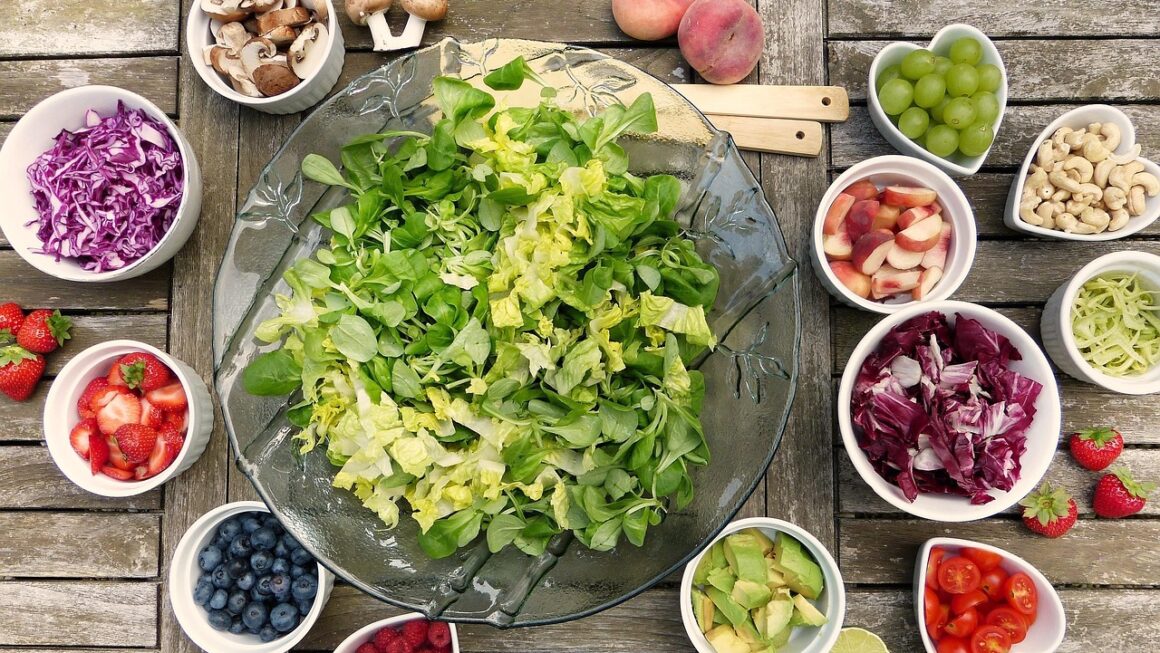
- Leafy Greens: Spinach, kale, lettuce, Swiss chard, bok choy, collard greens.
- Cruciferous Vegetables: Broccoli, cauliflower, Brussels sprouts, cabbage.
- Other Non-Starchy Veggies: Zucchini, asparagus, bell peppers (especially green), mushrooms, green beans, celery, cucumber, eggplant.
- Healthy Fats:
- Avocados: Rich in monounsaturated fats and fiber.
- Nuts: Macadamia nuts, pecans, almonds, walnuts (in moderation due to carb content).
- Seeds: Chia seeds, flax seeds, hemp seeds, pumpkin seeds, sunflower seeds.
- Oils: Olive oil, coconut oil, avocado oil, MCT oil.
- Nut Butters: Almond butter, peanut butter (check for added sugars).
- Plant-Based Proteins:
- Tofu & Tempeh: Versatile and excellent sources of protein.
- Seitan: A great option for its texture, but be mindful of its gluten content for some.
- Low-Carb Vegan Protein Powders: Pea protein, hemp protein, blended vegan proteins.
- Certain Nuts & Seeds: Hemp seeds, pumpkin seeds, almonds contribute protein.
- Nutritional Yeast: Adds a cheesy flavor and B vitamins, including B12 if fortified.
- Low-Carb Fruits (in moderation): Berries like raspberries, strawberries, blueberries, and blackberries are lower in sugar compared to other fruits.
Foods to Limit or Avoid
To maintain a low-carb profile, it’s crucial to be aware of foods that are typically high in carbohydrates.
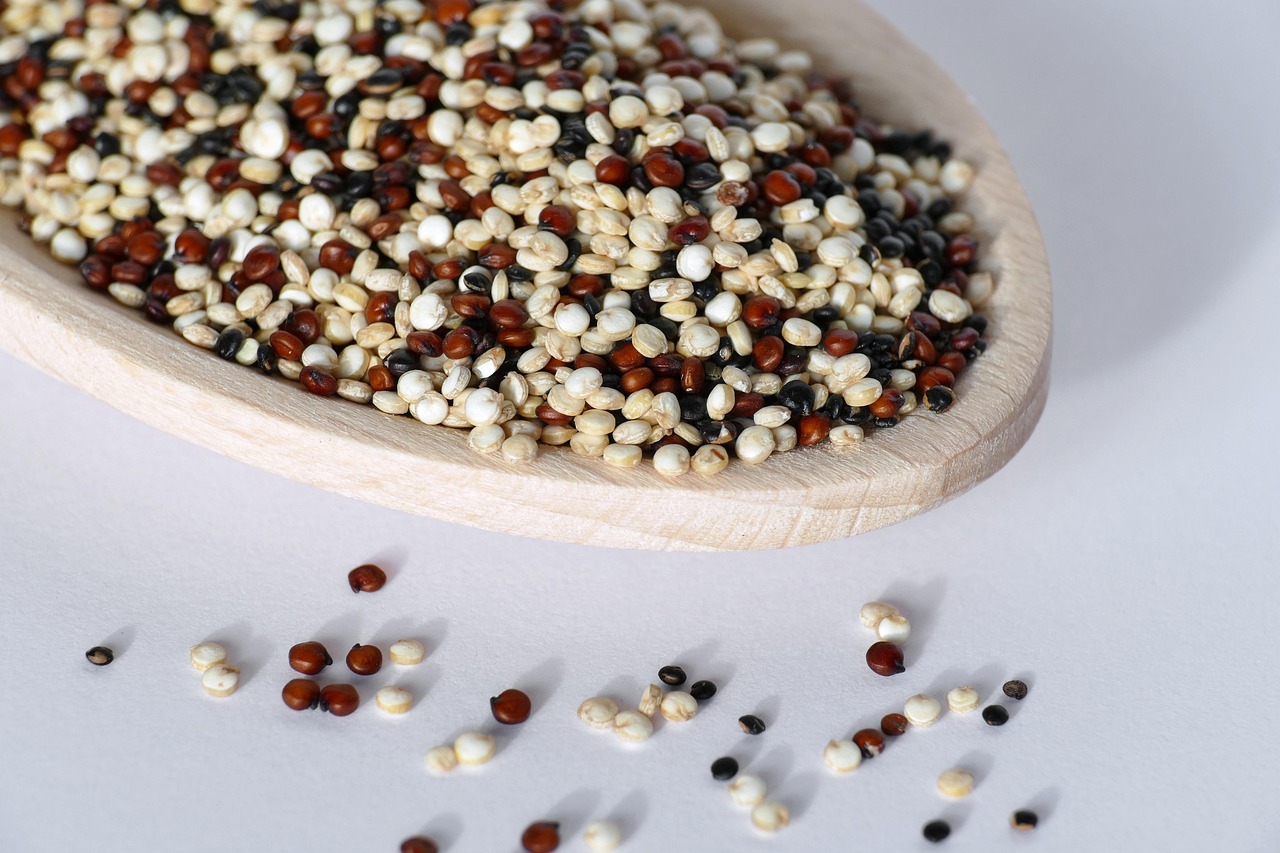
- Grains: Rice, wheat, oats, quinoa, barley, corn, bread, pasta.
- Starchy Vegetables: Potatoes, sweet potatoes, yams, corn, peas, parsnips.
- Legumes (most types): Beans (black, kidney, pinto, chickpeas), lentils. Some people may include small amounts if their carb allowance permits.
- High-Sugar Fruits: Bananas, mangoes, grapes, pineapple, most dried fruits.
- Added Sugars & Sweeteners: Sugary drinks, candies, desserts, most processed vegan products.
- Processed Vegan Junk Foods: Many vegan convenience foods are high in carbs and unhealthy fats.
Crafting Your Low-Carb Vegan Meal Plan: A Practical Guide
Planning is paramount for success on any dietary path, and a low-carb vegan meal plan is no exception. With a bit of foresight, you can ensure a consistent supply of delicious, nutrient-dense meals.
Step-by-Step Meal Planning Strategy
Follow these steps to build a personalized and sustainable meal plan.
- Determine Your Carbohydrate Target: Start with a moderate target (e.g., 50g net carbs/day) and adjust based on your body’s response and goals. Track your intake for a few days to understand your baseline.
- Identify Your Go-To Meals: Think about breakfast, lunch, and dinner options that fit the low-carb vegan criteria and that you enjoy.
- Create a Weekly Meal Schedule: Plan out your meals for the upcoming week. This helps with grocery shopping and reduces decision fatigue.
- Make a Detailed Grocery List: Based on your meal plan, list all necessary ingredients. Stick to this list to avoid impulse buys.
- Prioritize Meal Prep: Dedicate a few hours one day a week (e.g., Sunday) to chop vegetables, cook grains (for others in the household, or small amounts of legumes if you include them), prepare dressings, and cook larger batches of protein like tofu or tempeh.
- Stay Hydrated: Water is essential for all bodily functions and can help with satiety.
- Consider Supplements: A well-planned vegan diet can provide most nutrients, but B12 is crucial and often requires supplementation. You may also consider Vitamin D, Omega-3s (algae-based), and potentially iron or calcium if your dietary intake is low.
Essential Meal Prep Tips for Low-Carb Vegans
Efficient meal prep will make adhering to your plan much easier.
- Batch Cook Proteins: Bake or pan-fry a large batch of tofu or tempeh at the start of the week. Marinate for variety.
- Chop & Store Veggies: Pre-cut your non-starchy vegetables like broccoli, cauliflower, bell peppers, and zucchini so they are ready to throw into stir-fries, salads, or roasts.
- Prepare Dressings & Sauces: Make a sugar-free vinaigrette, pesto, or nut-based sauce that can last several days in the fridge.
- Whip Up Breakfast Components: Prepare chia puddings or pre-mix ingredients for a quick tofu scramble.
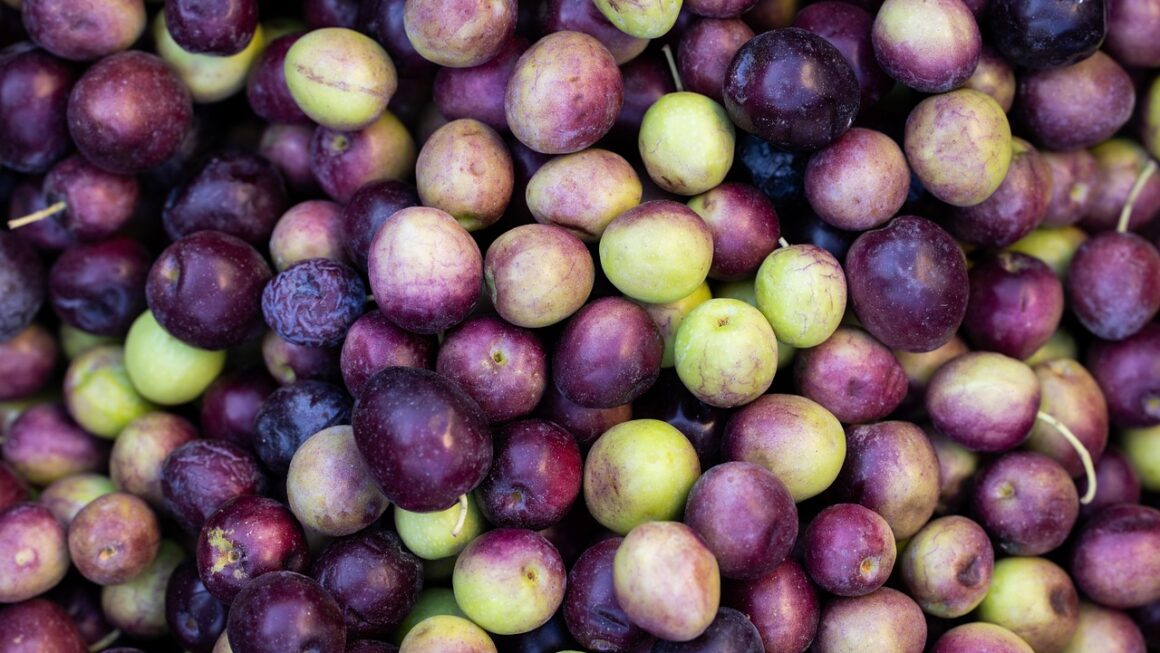
- Portion Snacks: Divide nuts, seeds, or olives into small containers for grab-and-go options.
Sample Low-Carb Vegan Meal Ideas & Recipes
A low-carb vegan diet is far from restrictive! With creativity and the right ingredients, you can enjoy a wide array of satisfying and flavorful meals. Here’s a low-carb vegan meal plan example to get you started.
Breakfast Inspirations
- Tofu Scramble with Greens and Avocado: Sauté crumbled firm tofu with nutritional yeast, turmeric (for color), black salt (for eggy flavor), spinach, and mushrooms. Serve with sliced avocado.
- Chia Seed Pudding: Mix chia seeds with unsweetened almond milk, a dash of vanilla extract, and a few drops of liquid stevia. Top with a handful of mixed berries and chopped nuts.
- Avocado Toast (Keto Style): Serve mashed avocado on a slice of low-carb vegan bread or large slices of roasted portobello mushroom, topped with “everything bagel” seasoning.
Lunch Solutions
- Large Salad with Tempeh or Tofu: A generous bed of mixed greens, cucumber, bell peppers, olives, and cherry tomatoes, topped with baked tempeh strips or pan-fried tofu cubes. Dress with olive oil and vinegar or a creamy tahini dressing.
- Zucchini Noodles with Pesto: Spiralized zucchini tossed with homemade vegan pesto (made with basil, pine nuts or walnuts, nutritional yeast, garlic, olive oil) and sun-dried tomatoes.
- Leftover Cauliflower Rice Stir-Fry: Repurpose your dinner stir-fry (see below) for a quick and easy lunch.
Dinner Delights
- Cauliflower Rice Stir-Fry: Sauté cauliflower rice with a mix of low-carb vegetables (broccoli, bell peppers, mushrooms) and a generous portion of firm tofu or tempeh. Season with tamari (gluten-free soy sauce), ginger, garlic, and a touch of sesame oil.
- Stuffed Bell Peppers: Halved bell peppers filled with a mixture of crumbled tempeh, chopped mushrooms, zucchini, nutritional yeast, and herbs. Bake until tender.
- Vegan Keto “Meatballs” with Zucchini Spaghetti: Prepare “meatballs” from a mix of mushrooms, walnuts, flax meal, and spices. Serve with marinara sauce (check for added sugar) over spiralized zucchini noodles.
Snack Ideas
- Handful of olives
- Celery sticks with almond or peanut butter (ensure no added sugar)
- Avocado slices with a sprinkle of sea salt and chili flakes
- Small portion of mixed nuts and seeds
- Sugar-free vegan gelatin (made with agar-agar)
Navigating Challenges and Ensuring Success
While a low-carb vegan meal plan offers significant benefits, it’s important to be prepared for potential challenges and equip yourself with strategies for long-term success.
Addressing Nutrient Concerns
Careful planning is key to preventing nutrient deficiencies on this restrictive diet. Always consult with a healthcare professional or registered dietitian for personalized advice.
- Vitamin B12: This is critical for vegans. Supplementation (methylcobalamin) is essential. Fortified nutritional yeast can also contribute.
- Omega-3 Fatty Acids: Ensure intake of ALA from flax seeds, chia seeds, and walnuts. Consider an algae-based EPA/DHA supplement.
- Iron: Focus on iron-rich plant foods like spinach, kale, fortified cereals (if low carb), pumpkin seeds, and blackstrap molasses. Pair with Vitamin C sources to enhance absorption.
- Calcium: Consume fortified plant milks, leafy greens, broccoli, and calcium-set tofu.
- Iodine: Use iodized salt or consider a kelp supplement if dietary intake is a concern.
Tips for Dining Out and Social Situations
Eating away from home doesn’t have to derail your progress.
- Research Menus Ahead: Many restaurants post their menus online, allowing you to identify suitable options or request modifications.
- Communicate Clearly: Don’t hesitate to ask your server about ingredients and request substitutions (e.g., extra vegetables instead of rice, oil and vinegar dressing instead of creamy dressings).
- Focus on Salads and Vegetable Sides: Opt for large salads with protein (ask for no croutons, cheese) and vegetable sides cooked without butter or sugar.
- Bring Your Own Snacks: If unsure, pack a few compliant snacks to tide you over.
Staying Motivated and Sustainable
Long-term adherence depends on finding joy and ease in your dietary choices.
- Experiment with Recipes: Don’t get stuck in a rut. Explore new low-carb vegan recipes to keep meals exciting.
- Listen to Your Body: Pay attention to hunger cues, energy levels, and how different foods make you feel. Adjust your plan as needed.
- Track Progress (if desired): Whether it’s weight, energy, or blood markers, seeing positive changes can be a great motivator.
- Find a Community: Connect with other low-carb vegans online or in person for support, ideas, and shared experiences.
- Be Flexible: Don’t strive for perfection. An occasional higher-carb meal or snack won’t undo all your progress. Get back on track with your next meal.
Conclusion
Embracing a low-carb vegan meal plan is an empowering journey that marries the ethical and environmental benefits of plant-based eating with the metabolic advantages of carbohydrate reduction. While it requires thoughtful planning and attention to nutrient intake, the rewards—from enhanced energy and mental clarity to improved blood sugar control and sustainable weight management—are profoundly impactful. By focusing on nutrient-dense, low-carb vegetables, healthy fats, and robust plant-based proteins, you can cultivate a vibrant and satisfying way of eating that supports your health goals and respects the planet. Dive in, experiment with the delicious possibilities, and discover a powerful path to a healthier, more energetic you.