The journey from purees to solids is a significant milestone for both parents and their little ones. As your baby transitions into toddlerhood at one year old, mealtimes can often feel like a juggling act between ensuring proper nutrition, managing picky eating habits, and finding the time to prepare healthy options. You’re no longer just introducing tastes; you’re building foundational eating habits, motor skills, and an adventurous palate. But fret not! Feeding your busy 1-year-old doesn’t have to be complicated. This guide is packed with practical, easy meal ideas designed to keep your little explorer well-nourished and happy, transforming mealtime from a chore into a delightful discovery.
## Understanding Your 1-Year-Old’s Nutritional Needs
At one year old, your child is growing rapidly, both physically and mentally. Their nutritional requirements are evolving, and while breast milk or formula can still provide significant nutrients, solid foods become the primary source of energy and essential vitamins and minerals. Focusing on nutrient-dense foods is key to supporting their development.
### Key Nutritional Requirements
- Energy (Calories): Toddlers need ample calories to fuel their boundless energy and support continuous growth. Focus on whole foods that offer sustained energy.
- Iron: Crucial for cognitive development and preventing anemia. Sources include fortified cereals, red meat, poultry, beans, and leafy greens. Pairing iron-rich foods with Vitamin C (like berries or bell peppers) enhances absorption.
- Calcium & Vitamin D: Essential for strong bones and teeth. Dairy products (whole milk, yogurt, cheese), fortified plant milks, and leafy greens are good sources of calcium. Vitamin D can be found in fortified milk and fatty fish, and often requires supplementation.
- Healthy Fats: Important for brain development and energy. Avocados, olive oil, full-fat dairy, and certain fish are excellent sources.
- Protein: Needed for growth and muscle development. Lean meats, eggs, beans, lentils, and dairy are great protein sources.
- Fiber: Found in fruits, vegetables, and whole grains, fiber aids digestion and prevents constipation.
Actionable Takeaway: Aim for a diverse plate that includes items from all major food groups to ensure your toddler receives a wide spectrum of nutrients. Don’t stress if they don’t eat a lot at one meal; it’s what they eat over the course of a week that matters most.
### Portion Sizes and Frequency
Toddlers have small stomachs, so they thrive on frequent, small meals and snacks. Typically, three main meals and two to three healthy snacks throughout the day work best. A general rule of thumb for portion sizes is about 1 tablespoon of each food group per year of age. For example, a 1-year-old might have 1 tablespoon of protein, 1 tablespoon of vegetable, and 1 tablespoon of fruit.
- Listen to Hunger Cues: Allow your child to self-regulate their intake. Offer food, but don’t force them to eat if they’re not hungry. This helps foster a healthy relationship with food.
- Be Patient: It can take multiple exposures (sometimes 10-15 times!) for a child to accept a new food. Keep offering small amounts without pressure.
Actionable Takeaway: Offer a variety of foods in small portions and let your child decide how much they want to eat. This approach encourages autonomy and reduces mealtime power struggles.
## The Power of Finger Foods: Safe & Simple Eating
By one year, most toddlers are ready to move beyond purees and embrace finger foods. This is not just about eating; it’s a crucial stage for developing fine motor skills, hand-eye coordination, and self-feeding independence.
### Why Finger Foods are Ideal
- Promotes Independence: Allows toddlers to pick up and feed themselves, fostering a sense of control and accomplishment.
- Develops Fine Motor Skills: The act of grasping and manipulating food helps refine their pincer grasp and other motor skills.
- Encourages Self-Regulation: Children learn to listen to their own hunger and fullness cues when they control what goes into their mouth.
- Reduces Mealtime Stress: For parents, it often means less spoon-feeding and more shared mealtime enjoyment.
Actionable Takeaway: Embrace the mess! Messy eating is a sign of healthy development and exploration. Protect your floors and tables, and let them explore their food.
### Essential Safety Tips for Finger Foods
Safety is paramount when introducing finger foods. Choking hazards are a real concern, so proper food preparation is vital.
- Cut Food Appropriately: All food should be cut into small, bite-sized pieces (no larger than ½ inch) or thin strips.
- Avoid Round, Hard Foods: Whole grapes, cherry tomatoes, hot dogs, nuts, popcorn, hard candies, and large chunks of meat are common choking hazards. Always quarter grapes and hot dogs lengthwise.
- Cook Foods Until Soft: Raw carrots, apples, and other hard fruits/vegetables should be steamed, roasted, or grated until soft enough to mash easily between your fingers.
- Supervise Closely: Always stay with your child during mealtimes.
- Offer Water: Provide sips of water with meals to help wash food down.
Actionable Takeaway: Prioritize safety by meticulously preparing foods and always supervising your child during mealtimes. When in doubt, err on the side of smaller, softer pieces.
## Quick & Healthy Breakfast Ideas for 1-Year-Olds
Mornings can be hectic, but a nutritious breakfast sets the tone for a great day. These ideas are quick to prepare and packed with essential nutrients for your growing toddler.
### Speedy Morning Staples
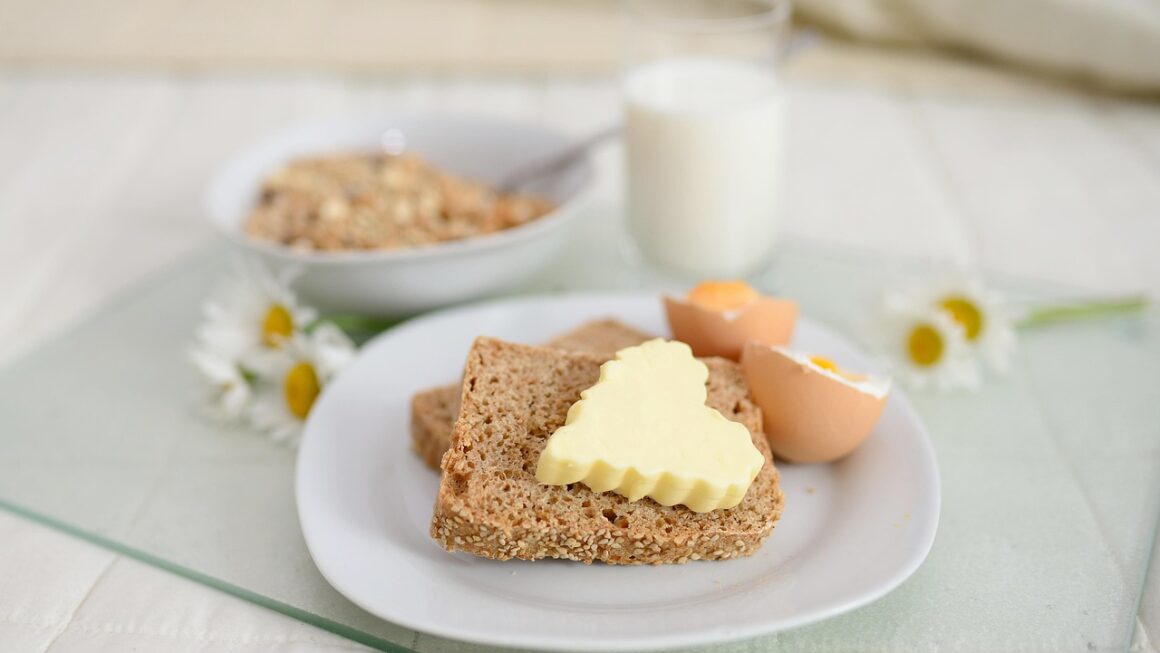
- Oatmeal Power Bowl: Cook rolled oats with milk (breast milk, formula, or whole cow’s milk) until soft. Stir in mashed banana or berries, a sprinkle of cinnamon, or a teaspoon of chia seeds for extra fiber and healthy fats.
- Tip: Make a larger batch and store in the fridge for 2-3 days, reheating small portions with a splash of milk.
- Scrambled Eggs with Cheese: Whisk one egg with a tablespoon of milk and a pinch of shredded cheese. Cook in a lightly oiled pan until firm but still soft. Break into tiny pieces.
- Benefit: Excellent source of protein and choline for brain development.
- Yogurt Parfait for Tots: Layer plain, full-fat yogurt with small, soft pieces of fruit (e.g., blueberries halved, mashed raspberries, soft peach pieces). A sprinkle of infant-friendly cereal or soft granola can add texture.
- Key: Opt for plain yogurt to avoid added sugars.
- Whole-Wheat Toast Fingers with Toppings: Cut whole-wheat toast into strips. Top with mashed avocado, a thin layer of nut butter (check for allergies!), or cream cheese.
- Warning: Apply nut butter very thinly to avoid choking hazard.
Actionable Takeaway: Focus on combining protein, healthy fats, and complex carbohydrates to provide sustained energy and prevent a mid-morning crash. Prep ingredients the night before to save precious morning minutes.
## Lunchtime Solutions: Nutritious & Easy
Lunch can be a great opportunity to introduce new flavors and textures. These “easy meals for 1 year old” are perfect for a mid-day refuel.
### Savory Mid-Day Meals
- Cheese & Veggie Quesadilla: Spread a thin layer of cream cheese or hummus on a whole-wheat tortilla. Sprinkle with shredded cheese and finely diced, cooked vegetables (spinach, bell peppers, corn). Fold and grill until cheese is melted. Cut into small wedges or strips.
- Benefit: Quick, customizable, and a good way to hide veggies.
- Mini Sandwiches or Wraps: Use whole-wheat bread or small tortillas. Fill with thinly sliced turkey or chicken, mashed chickpeas, or a thin layer of cream cheese and shredded cucumber. Cut into fun shapes or small squares.
- Tip: Keep fillings moist to make them easier to chew and swallow.
- Leftover Dinner Power-Ups: Don’t underestimate the power of repurposing! Leftover roasted chicken, soft cooked pasta with sauce, or steamed vegetables from dinner can be quickly transformed into a healthy lunch.
- Smart Hack: Cook extra dinner specifically for the next day’s lunch.
- Lentil or Bean Puree/Stew: A soft, thick lentil or black bean stew with diced, soft-cooked carrots and celery can be a fantastic, iron-rich lunch. Offer with a side of whole-grain crackers for dipping.
- Advantage: Legumes are packed with protein, fiber, and iron.
Actionable Takeaway: Lunch doesn’t have to be complicated. Embrace batch cooking, quick assembly, and adapting family meals to meet your toddler’s needs and safety requirements.
## Simple Suppers for Tiny Tummies
Dinner is a wonderful time for family connection, and these easy dinner ideas can often be adapted from what the rest of the family is eating.
### Wholesome Dinner Delights
- Pasta with Hidden Veggie Sauce: Use small pasta shapes (orzo, ditalini, small shells). Toss with a homemade or store-bought sauce blended with pureed vegetables like carrots, zucchini, or sweet potato. Add a sprinkle of cheese for calcium.
- Tip: Cook pasta slightly longer so it’s extra soft for easy chewing.
- Soft Cooked Meat/Fish with Steamed Veggies: Shredded chicken or soft, flaked salmon (ensure no bones!) served with steamed broccoli florets or sweet potato cubes.
- Benefit: Provides lean protein and essential omega-3 fatty acids from fish.
- Mini Meatballs or Lentil Patties: Make small meatballs (beef, turkey, or chicken) or lentil patties. Bake them until cooked through and soft. Cut into quarters before serving.
- Pro Tip: Mix finely grated vegetables into meatballs for added nutrients.
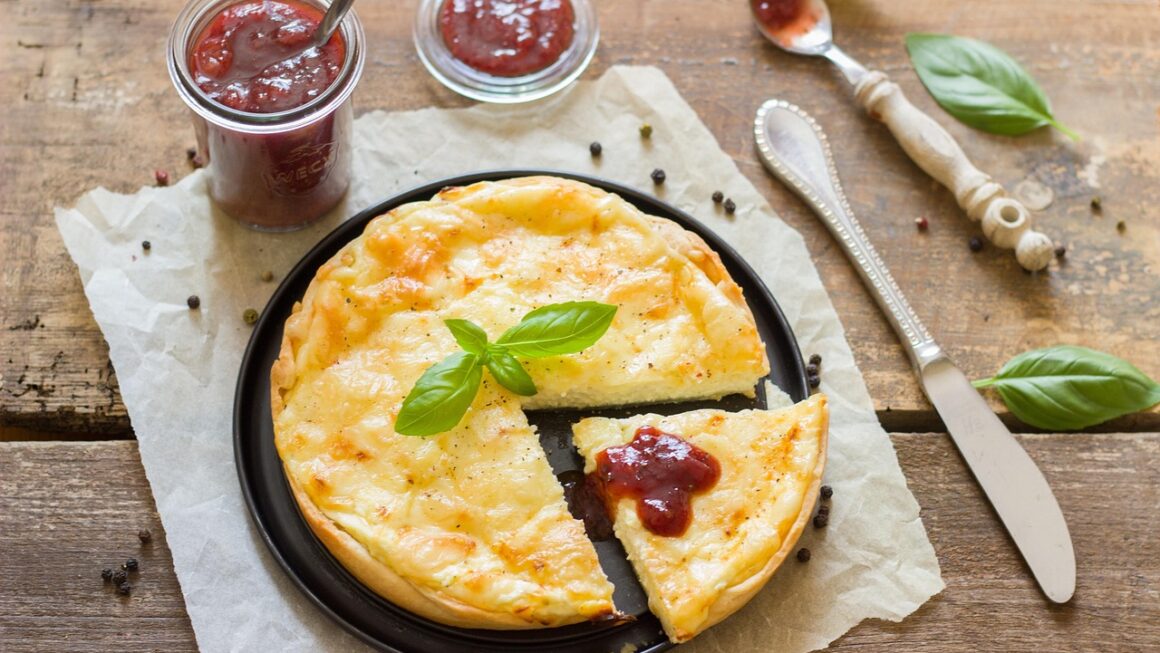
- Frittata or Omelet Wedges: A simple egg frittata with spinach, shredded cheese, and finely diced bell peppers is a complete and nutritious meal. Cook, cool slightly, and cut into easy-to-handle wedges.
- Versatility: Use whatever soft veggies you have on hand.
Actionable Takeaway: Try to make dinner a family affair, adapting the main meal for your toddler’s safety and portion needs. This helps them feel included and encourages them to try new foods.
## Smart Snacking & Hydration Habits
Snacks play a vital role in a 1-year-old’s diet, providing energy between meals. Hydration is equally important for overall health and digestion.
### The Role of Healthy Snacks
Toddlers often can’t eat enough in one sitting to last them until the next meal, making snacks essential. Choose snacks that are:
- Nutrient-dense: Offer real food that provides vitamins, minerals, and energy, not just empty calories.
- Timely: Offer snacks about 2-3 hours after a meal to prevent them from being overly hungry or spoiling their appetite for the next meal.
### Easy Snack Ideas
- Fruit Slices: Soft fruits like banana, kiwi, melon, or steamed apple slices. Berries (halved or quartered) are also great.
- Cheese Cubes or Sticks: A good source of calcium and protein.
- Whole-Grain Crackers: Serve with a thin spread of avocado, hummus, or cream cheese.
- Hard-Boiled Egg Wedges: Packed with protein and easy for little hands to hold.
- Avocado Slices: Rich in healthy fats and a great source of energy.
- Rice Cakes: Plain, cut into pieces, or with a thin spread of topping.
### Staying Hydrated
Water is the best drink for toddlers. Offering it regularly throughout the day is crucial.
- Offer Water Frequently: Keep a sippy cup or small open cup of water accessible.
- Limit Juice: Juice offers little nutritional benefit beyond whole fruit and can contribute to dental decay and excess sugar intake. If offering, dilute heavily and limit to small amounts.
- Milk: After 12 months, whole cow’s milk can be introduced (around 16-24 oz per day) to provide fat and calcium, but water should still be the primary thirst quencher.
Actionable Takeaway: Plan for 2-3 nutritious snacks daily and always have water available. Healthy snacking teaches good eating habits and keeps energy levels balanced.
## Conclusion
Feeding a 1-year-old is an exciting adventure filled with discovery, and it doesn’t have to be overwhelming. By understanding their nutritional needs, embracing the simplicity and benefits of finger foods, and keeping a repertoire of easy, healthy meal ideas, you can navigate this stage with confidence and joy. Remember to prioritize safety, offer a variety of foods, and most importantly, listen to your child’s cues. Enjoy these precious mealtime moments, knowing you’re building a foundation for a lifetime of healthy eating habits. Happy feeding!