The culinary landscape is constantly evolving, with new approaches to health and wellness emerging all the time. Two of the most impactful dietary movements of recent years are the ketogenic diet and veganism. Separately, they offer unique benefits, but what happens when you combine them? Enter the vegan keto meal plan – a powerful, plant-based strategy designed to put your body into a state of ketosis while adhering to ethical and sustainable principles. This comprehensive guide will demystify vegan keto, offering you practical insights, actionable tips, and a roadmap to successfully navigating this exciting and effective lifestyle.
Understanding the Vegan Keto Lifestyle
Embarking on a vegan keto journey means merging two distinct but complementary dietary philosophies. It’s about achieving metabolic ketosis – where your body burns fat for fuel instead of carbohydrates – purely through plant-based sources. This requires a careful balance of macronutrients and a deep understanding of food choices.
What is Ketosis?
- Ketosis is a metabolic state characterized by elevated levels of ketone bodies in the blood or urine.
- It occurs when carbohydrate intake is very low, forcing the body to break down fat into ketones for energy.
- Benefits often include improved fat burning, stable blood sugar, increased energy, and enhanced mental clarity.
Defining Veganism
- Veganism is a philosophy and lifestyle that seeks to exclude all forms of animal exploitation and cruelty, whether for food, clothing, or any other purpose.
- Dietarily, it means abstaining from meat, poultry, fish, dairy, eggs, and honey.
- Motivations are often ethical, environmental, and health-driven.
The Synergy: Vegan Keto
Combining these two approaches means eating a diet extremely low in carbohydrates, moderate in protein, and high in healthy fats, all derived exclusively from plant sources. This can be challenging due to the carbohydrate content in many plant-based foods, but with the right guidance, it’s entirely achievable and incredibly rewarding.
Benefits of a Vegan Keto Meal Plan
Adopting a vegan keto approach can unlock a myriad of health, ethical, and environmental advantages, offering a truly holistic path to wellness.
Sustainable Weight Management
- Enhanced Fat Burning: By shifting your body into ketosis, you train it to preferentially burn stored fat for energy, which can lead to sustainable weight loss.
- Appetite Regulation: The high fat and fiber content in a vegan keto diet can promote satiety, helping to reduce cravings and overall caloric intake.
Improved Metabolic Health
- Stable Blood Sugar: Drastically reducing carbohydrate intake helps normalize blood glucose levels, which is particularly beneficial for individuals managing insulin sensitivity or type 2 diabetes.
- Reduced Inflammation: Many plant-based foods are rich in antioxidants and anti-inflammatory compounds, which, combined with the metabolic benefits of ketosis, can significantly lower systemic inflammation.
Increased Energy and Mental Clarity
- Consistent Energy Levels: Ketones provide a steady, efficient fuel source for the brain and body, eliminating the energy crashes often associated with high-carb diets.
- Enhanced Cognitive Function: Many report improved focus, concentration, and mental acuity once adapted to a ketogenic state.
Ethical and Environmental Impact
- Compassionate Choices: Adhering to vegan principles means supporting animal welfare and rejecting factory farming practices.
- Reduced Ecological Footprint: Plant-based diets generally have a significantly lower environmental impact than animal-product-heavy diets, contributing to a more sustainable planet.
Key Principles of Vegan Keto Nutrition
To successfully implement a vegan keto meal plan, understanding the core nutritional principles and making informed food choices is paramount. It’s about prioritizing specific food groups and managing macronutrient ratios carefully.
Macronutrient Ratios
The standard ketogenic macronutrient breakdown typically looks like this, which you’ll adapt for plant-based sources:
- Fats: 70-75% of daily calories
- Protein: 20-25% of daily calories
- Carbohydrates: 5-10% of daily calories (typically under 20-50g net carbs per day)
Actionable Takeaway: Utilize a macro tracker app (e.g., Cronometer, MyFitnessPal) to accurately monitor your intake, especially during the initial adaptation phase.
Vegan Keto-Friendly Food List
Filling your pantry with the right ingredients is crucial. Focus on whole, unprocessed foods that are naturally low in carbs and rich in healthy fats and plant protein.
Healthy Fats
- Avocado and avocado oil
- Coconut oil, coconut butter, full-fat coconut milk
- Nuts (macadamias, pecans, walnuts, almonds – in moderation due to carbs)
- Seeds (chia, flax, hemp, pumpkin, sunflower)
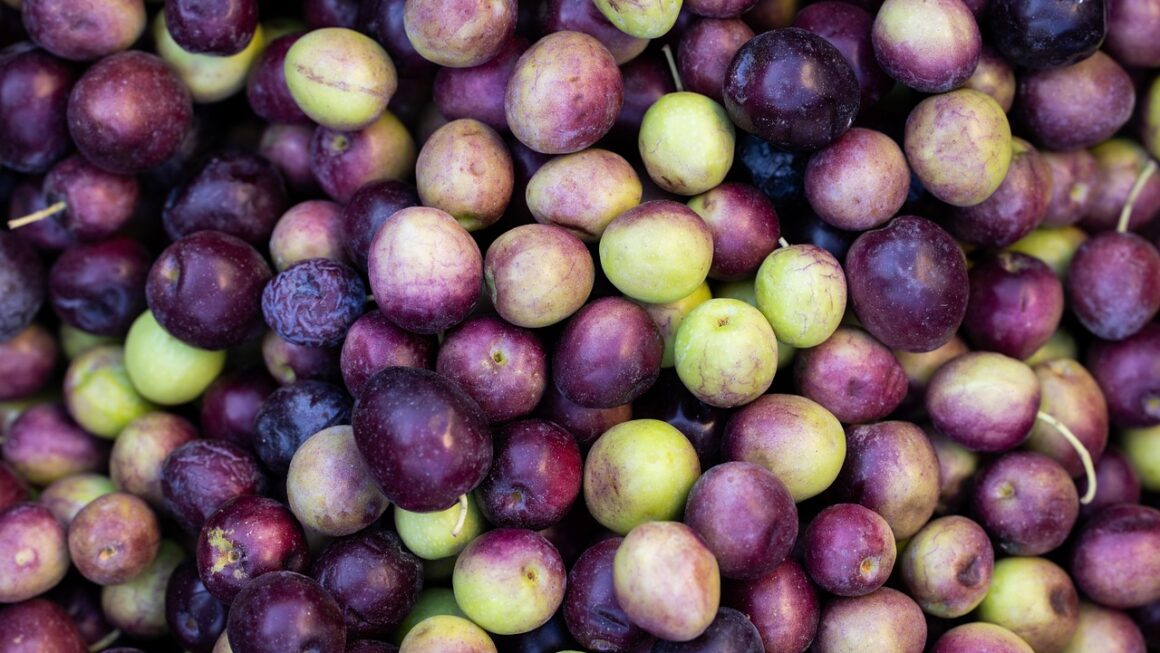
- Olives and olive oil
Plant-Based Proteins
- Tofu (firm or extra-firm)
- Tempeh (fermented soybean product)
- Seitan (wheat gluten – check carb content, as it can vary)
- Edamame
- Nut butters (unsweetened, e.g., almond, cashew)
- Protein powders (hemp, pea, pumpkin seed, rice – ensure low-carb varieties)
Low-Carb Vegetables
- Leafy greens (spinach, kale, lettuce, Swiss chard)
- Cruciferous vegetables (broccoli, cauliflower, Brussels sprouts, cabbage)
- Asparagus, zucchini, bell peppers (in moderation), mushrooms, green beans
Flavor Enhancers & Sweeteners
- Herbs and spices
- Nutritional yeast (for cheesy flavor)
- Vinegars (apple cider, red wine)
- Sugar substitutes (stevia, erythritol, monk fruit)
Foods to Avoid on Vegan Keto
- Grains: Wheat, rice, oats, corn, quinoa, barley, bread, pasta.
- Legumes (most): Beans, lentils (high in carbs, limit significantly).
- Starchy Vegetables: Potatoes, sweet potatoes, carrots, parsnips.
- High-Sugar Fruits: Bananas, mangoes, grapes, apples (berries in very small amounts).
- Processed Foods: Candies, cakes, sodas, sugary drinks, most processed vegan junk food.
- Sugars & Sweeteners: Cane sugar, agave nectar, maple syrup, high-fructose corn syrup.
Building Your Vegan Keto Plate: Practical Meal Ideas
Crafting delicious and satisfying vegan keto meals is easier than you think once you understand the basic components. The key is to focus on nutrient density and flavor.
Breakfast Ideas
- Tofu Scramble: Crumbled firm tofu sautéed with spinach, mushrooms, nutritional yeast, turmeric (for color), and black salt (for eggy flavor). Serve with sliced avocado.
- Keto Smoothie: Blended full-fat coconut milk, a scoop of vegan protein powder, chia seeds, spinach, almond butter, and a few berries (very small amount, or omit for stricter keto).
- Avocado Toast (Keto Version): Sliced avocado on a flaxseed or almond flour keto-friendly bread/cracker, seasoned with everything bagel spice.
Lunch Solutions
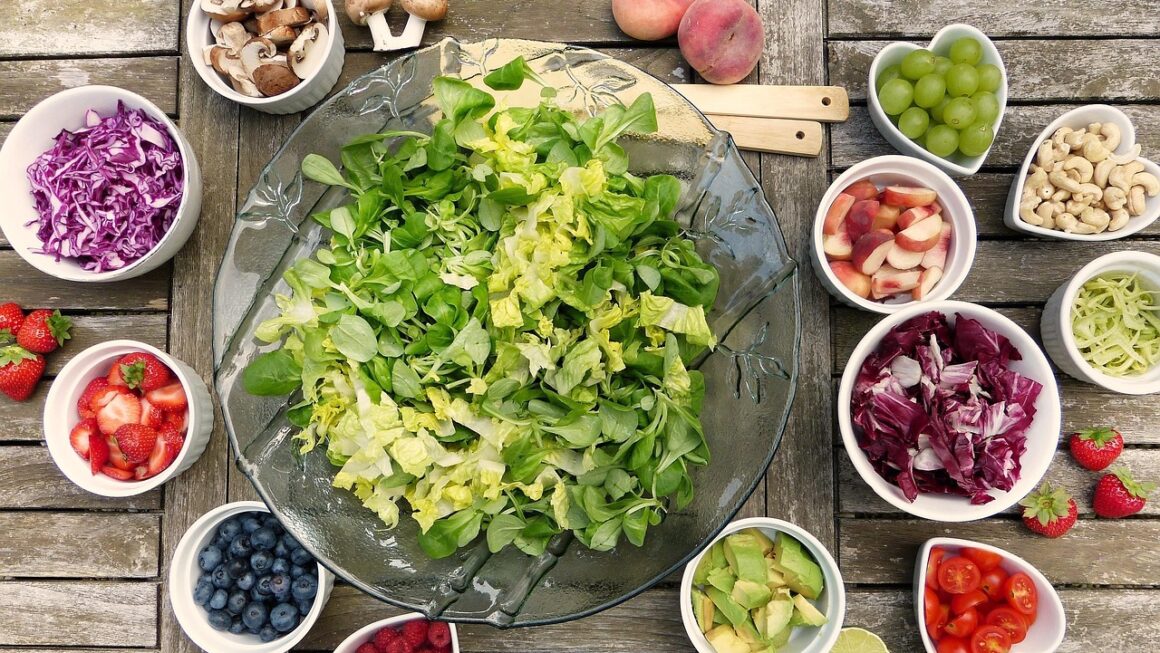
- Big Keto Salad: Mixed greens with avocado, hemp seeds, pumpkin seeds, olives, cucumber, bell pepper, and a generous drizzle of olive oil and vinegar dressing. Add crumbled tempeh or baked tofu for extra protein.
- Lettuce Wraps: Sautéed crumbled tempeh or mushroom mince seasoned with tamari and ginger, served in large lettuce cups with chopped cilantro and a squeeze of lime.
- Keto “Tuna” Salad: Mashed chickpeas (small amount) or hearts of palm, mixed with vegan mayo, celery, and dulse flakes for a “sea” flavor, served in bell pepper halves or large lettuce leaves.
Dinner Delights
- Creamy Keto Curry: A rich curry made with full-fat coconut milk, broccoli, cauliflower, spinach, and firm tofu or tempeh. Serve with cauliflower rice.
- Zucchini Noodles with Pesto: Zucchini noodles tossed with a homemade basil pesto (made with nutritional yeast, pine nuts or walnuts, olive oil, and garlic) and sun-dried tomatoes.
- Stuffed Avocados: Halved avocados filled with a mixture of seasoned crumbled tempeh, chopped bell peppers, and vegan cheese (if desired), baked until warm.
Snack & Dessert Options
- A handful of macadamia nuts or pecans.
- Celery sticks with almond or sunflower seed butter.
- Olives.
- Vegan keto fat bombs (e.g., coconut butter, cocoa powder, stevia, melted coconut oil, chilled).
- Small portion of vegan keto chia pudding made with coconut milk.
Practical Tip: Meal prepping on the weekend can save you significant time and ensure you stay on track during busy weekdays. Chop vegetables, pre-cook tofu/tempeh, and prepare dressings in advance.
Sample 7-Day Vegan Keto Meal Plan
This sample plan provides a framework. Feel free to swap meals based on your preferences and adjust portion sizes to meet your individual caloric and macronutrient needs.
Day 1: Kickstarting Ketosis
- Breakfast: Tofu scramble with spinach, mushrooms, and half an avocado.
- Lunch: Large mixed green salad with tempeh strips, olive oil dressing, and a handful of pumpkin seeds.
- Dinner: Keto coconut curry with cauliflower rice, broccoli, and firm tofu.
- Snack: Small handful of macadamia nuts.
Day 2: Fiber and Fats
- Breakfast: Keto berry smoothie (full-fat coconut milk, vegan protein powder, chia seeds, small amount of mixed berries).
- Lunch: Leftover keto coconut curry.
- Dinner: Zucchini noodles with homemade pesto and sun-dried tomatoes.
- Snack: Celery sticks with almond butter.
Day 3: Protein Power
- Breakfast: Flaxseed or almond flour keto pancake with coconut butter and a sprinkle of cinnamon.
- Lunch: Lettuce wraps with seasoned crumbled tempeh or mushroom mince.
- Dinner: Baked avocado stuffed with seasoned black soy beans (very low carb bean) or mushroom-walnut mince.
- Snack: Olives.
Day 4: Variety is Key
- Breakfast: Tofu scramble with asparagus and a side of half an avocado.
- Lunch: Big salad with mixed greens, olives, cucumber, bell pepper, hemp seeds, and a generous amount of olive oil.
- Dinner: “Cheesy” broccoli and cauliflower bake (with nutritional yeast and vegan keto cheese if desired).
- Snack: Vegan keto fat bomb.
Day 5: Nutrient-Dense Choices
- Breakfast: Keto chia pudding (made with full-fat coconut milk, chia seeds, stevia, and a sprinkle of cocoa nibs).
- Lunch: Leftover “cheesy” broccoli and cauliflower bake.
- Dinner: Tempeh “steak” (marinated and pan-fried tempeh) with a side of sautéed kale and garlic.
- Snack: Handful of pecans.
Day 6: Flavor Exploration
- Breakfast: Savory almond flour “muffins” with spinach and vegan sausage crumbles.
- Lunch: Keto “tuna” salad (using hearts of palm) served in bell pepper halves.
- Dinner: Vegan keto pizza on an almond flour crust, topped with low-carb veggies, vegan cheese, and olives.
- Snack: A few slices of cucumber with a dollop of vegan cream cheese.
Day 7: Recharging
- Breakfast: Tofu scramble with your favorite low-carb veggies and avocado.
- Lunch: Large salad with a variety of leafy greens, artichoke hearts, avocado, and a generous dressing.
- Dinner: Stuffed bell peppers with a mixture of cauliflower rice, seasoned mushrooms, and vegan crumbles.
- Snack: Small handful of almonds.
Navigating Challenges & Supplementation
While vegan keto offers numerous advantages, it also comes with unique challenges, particularly ensuring adequate nutrient intake. Awareness and proactive planning are key.
Common Challenges and How to Overcome Them
- “Keto Flu”: As your body adapts to burning fat instead of carbs, you might experience symptoms like headache, fatigue, and irritability.
- Solution: Ensure adequate electrolyte intake (sodium, potassium, magnesium) through foods like avocados, leafy greens, nuts, seeds, and potentially electrolyte supplements. Drink plenty of water.
- Limited Food Options: Combining veganism with keto significantly narrows down food choices.
- Solution: Focus on variety within the allowed food groups. Experiment with new recipes and cooking methods to keep meals exciting.
- Digestive Issues: Some may experience constipation due to a shift in fiber sources.
- Solution: Ensure you’re consuming enough low-carb, high-fiber foods like leafy greens, chia seeds, and flax seeds. Hydration is also critical.
Essential Vegan Keto Supplements
Even with a well-planned vegan keto diet, certain nutrients can be challenging to obtain solely from plant sources. Supplementation is often recommended.
- Vitamin B12: Crucial for nerve function and red blood cell formation, B12 is primarily found in animal products.
- Recommendation: Supplement with 250-1000 mcg of cyanocobalamin or methylcobalamin daily or several times per week.
- Vitamin D3: Essential for bone health, immune function, and mood. While some D3 supplements are derived from animal sources (lanolin), vegan D3 from lichen is available.
- Recommendation: Aim for 2,000-5,000 IU daily, especially if sun exposure is limited.
- Omega-3 Fatty Acids (EPA/DHA): Important for brain, heart, and eye health. While flax and chia provide ALA, conversion to EPA/DHA is inefficient.
- Recommendation: Supplement with algae-derived EPA/DHA.
- Iodine: Essential for thyroid function.
- Recommendation: Use iodized salt or consume seaweed in moderation (beware of high iodine content in some seaweeds like kelp).
- Magnesium: Important for muscle function, nerve transmission, and energy production.
- Recommendation: Consider a magnesium glycinate or citrate supplement, especially if experiencing muscle cramps.
Actionable Takeaway: Consult with a healthcare professional or a registered dietitian before starting any new diet or supplementation regimen, especially if you have underlying health conditions.
Conclusion
Embracing a vegan keto meal plan is more than just a diet; it’s a strategic fusion of ethical principles and metabolic science. It offers a powerful path to sustainable weight management, improved metabolic health, stable energy, and a significantly reduced environmental footprint. While it requires careful planning and attention to nutrient intake, the rewards are often profound. By focusing on whole, unprocessed plant-based fats and proteins, managing your carb intake, and addressing potential nutrient gaps with thoughtful supplementation, you can successfully thrive on this innovative and health-conscious lifestyle. Arm yourself with knowledge, experiment with delicious vegan keto recipes, and embark on a journey that nourishes both your body and the planet.