The culinary landscape is constantly evolving, with more people embracing diets that not only align with their health goals but also their ethical and environmental values. Among the most popular and beneficial combinations is the vegan gluten-free lifestyle. Far from being restrictive, this way of eating opens up a world of incredibly diverse, delicious, and nutrient-dense meals. Whether you’re managing celiac disease, navigating a gluten sensitivity, pursuing a plant-based diet, or simply seeking to explore a healthier way of eating, diving into vegan gluten-free meals can be a transformative experience for your palate and your well-being. Get ready to discover how vibrant and satisfying your plate can truly be!
Understanding Vegan & Gluten-Free Diets
Embarking on a vegan gluten-free journey requires a clear understanding of what each component entails and the profound benefits they offer, both individually and synergistically.
What is Vegan?
A vegan diet, at its core, is one that excludes all animal products. This means no meat, poultry, fish, dairy (milk, cheese, yogurt), eggs, or honey. The motivations behind choosing a vegan lifestyle are varied and often interconnected:
- Ethical Concerns: A primary driver for many is the commitment to animal welfare and the rejection of animal exploitation.
- Environmental Impact: Plant-based diets generally have a smaller ecological footprint, requiring less land, water, and producing fewer greenhouse gas emissions compared to animal agriculture.
- Health Benefits: Well-planned vegan diets are associated with a reduced risk of heart disease, type 2 diabetes, certain cancers, and can support healthy weight management.
What is Gluten-Free?
A gluten-free diet strictly avoids gluten, a protein found in wheat, barley, and rye. This dietary approach is crucial for individuals with specific health conditions:
- Celiac Disease: An autoimmune disorder where gluten consumption damages the small intestine, leading to nutrient malabsorption and various health issues.
- Non-Celiac Gluten Sensitivity (NCGS): Individuals experience symptoms similar to celiac disease (e.g., digestive upset, fatigue, brain fog) after consuming gluten, but without the autoimmune response or intestinal damage characteristic of celiac disease.
- Wheat Allergy: An allergic reaction to wheat proteins, which is distinct from celiac disease and NCGS.
For those who need to avoid gluten, adhering to a gluten-free diet is essential for managing symptoms and maintaining health. Many others simply find they feel better when reducing or eliminating gluten from their diet.
The Synergistic Benefits of Vegan Gluten-Free
When combined, vegan and gluten-free diets offer a powerful pathway to enhanced health and vitality:
- Reduced Inflammation: Both diets individually contribute to lower inflammation in the body, which is a common factor in many chronic diseases.
- Improved Digestion: Eliminating common irritants like gluten and emphasizing fiber-rich plant foods can significantly improve gut health.
- Nutrient Density: A well-planned vegan gluten-free diet encourages a diverse intake of fruits, vegetables, legumes, whole grains, nuts, and seeds, providing an abundance of vitamins, minerals, and antioxidants.
- Weight Management: Often naturally lower in calories and saturated fat, while high in fiber, this dietary approach can support healthy weight management.
Actionable Takeaway: Understand your “why” for embracing this lifestyle. This clarity will serve as your motivation, making it easier to commit to and enjoy the many benefits of vegan gluten-free meals.
Essential Pantry Staples for Vegan GF Cooking
Building a well-stocked pantry is the first step towards creating delicious and effortless vegan gluten-free meals. These staples form the foundation of countless dishes, ensuring you always have ingredients on hand for a nutritious meal.
Grains & Starches
The world of gluten-free grains is vast and versatile, offering a healthy alternative to wheat-based products.
- Quinoa: A complete protein, rich in fiber and minerals. Excellent for bowls, salads, or as a side dish.
- Brown Rice & Wild Rice: Wholesome and versatile, perfect as a base for stir-fries, curries, or pilafs.
- Certified Gluten-Free Oats: Ensure they are certified to avoid cross-contamination. Ideal for porridges, baking, and smoothies.
- Millet & Buckwheat: Nutrient-dense grains that can be used in savory dishes or for breakfast.
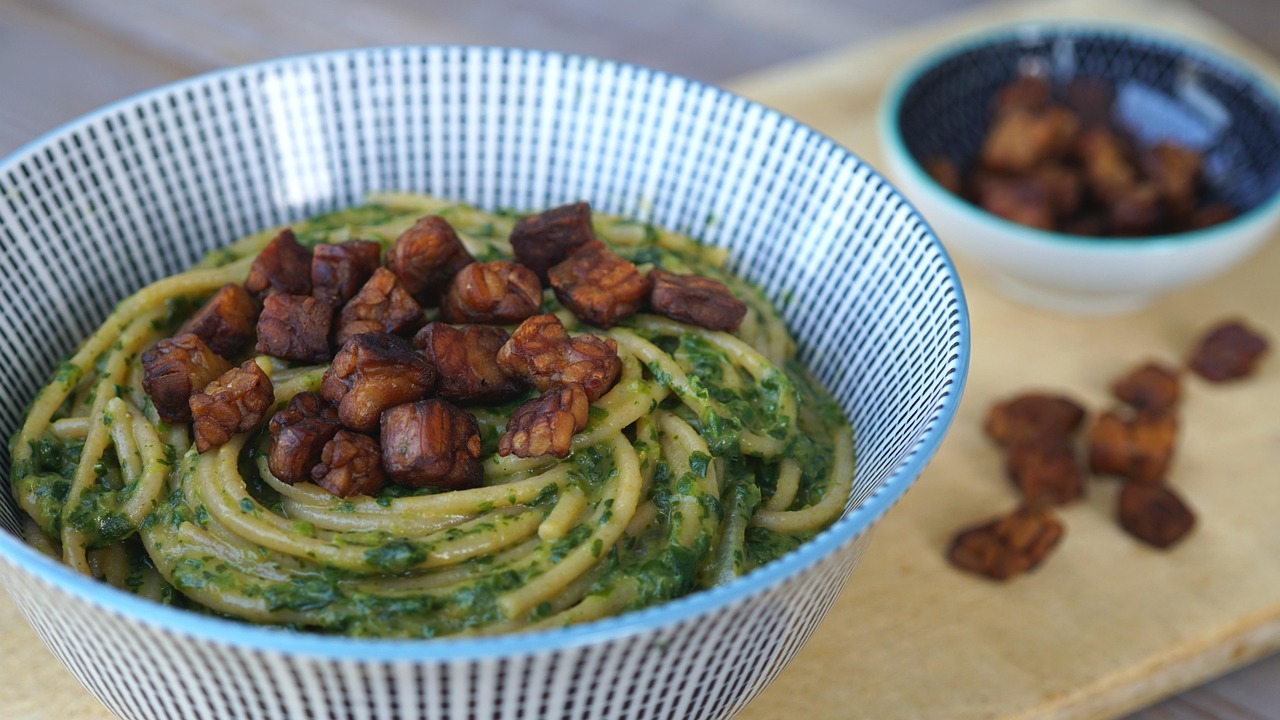
- Gluten-Free Pasta & Noodles: Made from corn, rice, quinoa, or legumes, these are perfect for comforting pasta dishes and Asian-inspired meals.
Legumes & Plant-Based Proteins
Legumes are powerhouses of protein, fiber, and essential nutrients, forming the backbone of many vegan gluten-free recipes.
- Lentils: Red, green, and brown lentils are quick-cooking and excellent in soups, stews, curries, and salads.
- Chickpeas: Versatile for hummus, roasted snacks, curries, and adding to salads.
- Black Beans & Kidney Beans: Essential for tacos, burritos (bowl style!), chili, and hearty stews.
- Tofu & Tempeh: Fermented soy products that are excellent protein sources. Tofu can be scrambled, baked, or stir-fried; tempeh is great for marinating and grilling.
- Edamame: Perfect for snacking, salads, or stir-fries.
- Nuts & Seeds: Almonds, walnuts, cashews, chia seeds, flax seeds, hemp seeds – great for snacks, toppings, and plant-based milks/creams.
Fruits & Vegetables
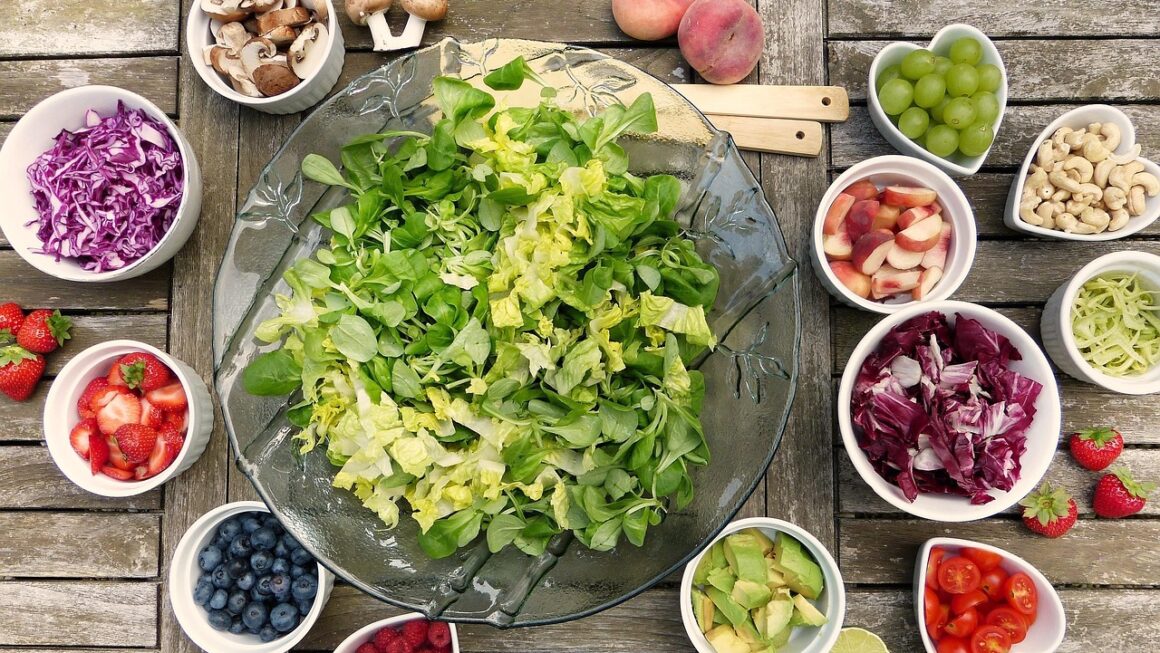
The fresh produce aisle is your playground! Focus on seasonal variety to ensure maximum flavor and nutrition.
- Leafy Greens: Spinach, kale, mixed greens for salads and smoothies.
- Colorful Vegetables: Broccoli, bell peppers, carrots, sweet potatoes, zucchini, onions, garlic – for roasting, stir-frying, and soups.
- Fruits: Berries, apples, bananas, avocados – for snacks, desserts, and breakfast.
Fats & Flavor Enhancers
These ingredients elevate your cooking, adding richness and depth of flavor.
- Healthy Oils: Olive oil, coconut oil, avocado oil – for cooking and dressings.
- Herbs & Spices: A well-stocked spice rack (cumin, turmeric, paprika, oregano, basil) and fresh herbs are vital for transforming simple ingredients.
- Nutritional Yeast: A vegan’s secret weapon for a cheesy flavor in sauces and toppings.
- Tamari: A gluten-free alternative to soy sauce, perfect for marinades and stir-fries.
- Vinegars & Citrus: Apple cider vinegar, balsamic vinegar, lemon, lime – for dressings and brightening flavors.
Actionable Takeaway: Gradually stock your pantry with these items. Start with the staples you use most often and expand from there. Having these on hand makes healthy vegan gluten-free cooking a breeze.
Breakfast & Brunch Ideas
Start your day with energy and flavor! Vegan gluten-free breakfasts are vibrant, satisfying, and incredibly versatile.
Smoothie Bowls & Shakes
Quick, customizable, and packed with nutrients, smoothie bowls and shakes are perfect for busy mornings or a refreshing brunch.
- Green Goddess Smoothie: Blend plant-based milk (almond, soy, oat), spinach, banana, a scoop of vegan gluten-free protein powder, chia seeds, and a touch of maple syrup.
- Berry Blast Smoothie Bowl: Combine frozen mixed berries, plant milk, a scoop of almond butter, and blend until thick. Top with fresh berries, hemp seeds, and certified GF granola.
Tip: Prep smoothie packs by bagging frozen fruits and greens in advance. Just dump into a blender with liquid when ready!
Hearty Oatmeal & Porridges
Warm and comforting, these options are excellent for sustained energy, especially when made with gluten-free grains.
- Classic GF Oatmeal: Cook certified gluten-free rolled oats with plant milk. Swirl in mashed banana or applesauce for sweetness, and top with cinnamon, nuts, and a drizzle of maple syrup.
- Quinoa Porridge with Baked Pears: Cook quinoa with plant milk and a pinch of salt. Top with oven-baked pear slices, a sprinkle of walnuts, and a dash of nutmeg for a sophisticated twist.
Tip: Make a big batch of overnight oats or quinoa porridge at the start of the week for grab-and-go breakfasts.
Savory Options
If you prefer a savory start, these dishes offer protein and vegetables to keep you full and focused.
- Mexican Tofu Scramble: Crumble firm tofu and sauté with diced onions, bell peppers, black beans, corn, and taco seasoning. Serve with sliced avocado and gluten-free salsa.
- Avocado Toast on GF Bread: Toast your favorite gluten-free bread, mash ripe avocado, and season with everything bagel seasoning, red pepper flakes, or a squeeze of lime. Add cherry tomatoes or sprouts for extra freshness.
Actionable Takeaway: Experiment with different flavor profiles and textures. Don’t limit yourself to sweet breakfasts; savory options can be incredibly satisfying and nutrient-rich.
Lunch & Dinner Delights
The heart of vegan gluten-free eating lies in its diverse and fulfilling lunch and dinner possibilities. These meals prove that healthy eating can be exciting and incredibly flavorful.
One-Pan Wonders & Sheet Pan Meals
Effortless and minimal cleanup, sheet pan meals are a weeknight hero for vegan gluten-free cooking.
- Lemon Herb Roasted Veggies with Marinated Tofu: Toss broccoli florets, chopped bell peppers, sweet potato cubes, and cubed firm tofu with olive oil, lemon juice, dried oregano, thyme, salt, and pepper. Roast on a single sheet pan at 400°F (200°C) for 25-30 minutes until tender and lightly browned.
- Sheet Pan Fajitas: Slice bell peppers, onions, and portobello mushrooms. Toss with olive oil and fajita seasoning. Roast until tender. Serve in lettuce cups or over brown rice with guacamole and salsa.
Tip: Marinate your tofu or tempeh for at least 30 minutes (or overnight) to infuse deep flavor before roasting.
Satisfying Soups & Stews
Warm, comforting, and often better the next day, soups and stews are ideal for meal prepping and packed with wholesome ingredients.
- Hearty Lentil Vegetable Soup: A classic packed with carrots, celery, potatoes, spinach, and brown or green lentils in a rich tomato broth. Ensure your vegetable broth is gluten-free.
- Thai Coconut Chickpea Curry: A creamy and aromatic curry with chickpeas, spinach, bell peppers, and green beans in a coconut milk base, seasoned with red curry paste, ginger, and lime. Serve with fluffy jasmine rice.
Tip: Always double-check labels on curry pastes, broths, and seasonings to ensure they are certified vegan and gluten-free.
Pasta & Noodle Dishes
Comfort food at its finest, made accessible and healthy with gluten-free pasta and nutrient-rich sauces.
- GF Pasta with Creamy Cashew Pesto: Blend soaked cashews, fresh basil, garlic, nutritional yeast, lemon juice, and a splash of water to create a luscious, dairy-free pesto. Toss with gluten-free pasta and cherry tomatoes.
- Veggie-Loaded Rice Noodle Stir-Fry: Sauté an array of colorful vegetables like snap peas, carrots, bok choy, and mushrooms with tamari, ginger, garlic, and a touch of sesame oil. Add pre-cooked rice noodles and a sprinkle of sesame seeds.
Tip: Rinse gluten-free pasta after cooking to prevent it from sticking together, especially if you’re not eating it immediately.
Creative Salads & Bowls
The ultimate canvas for variety and nutrition, “bowls” allow for endless combinations of grains, proteins, and fresh produce.
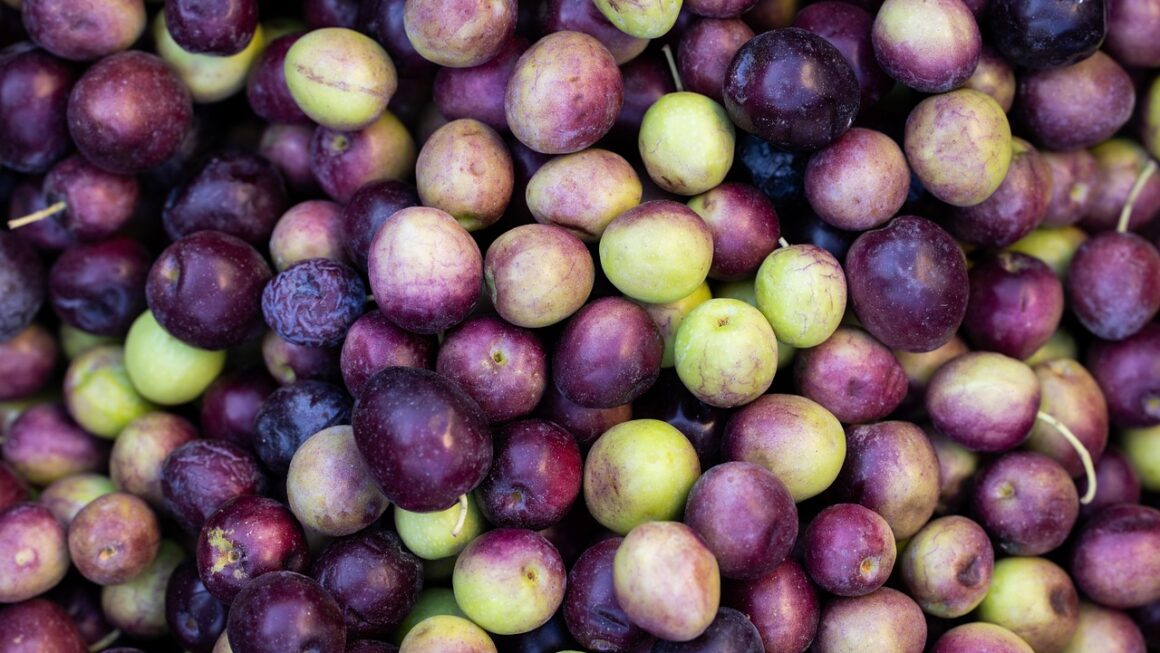
- Mediterranean Quinoa Bowl: Combine cooked quinoa, chopped cucumber, tomatoes, red onion, Kalamata olives, and a sprinkle of fresh mint. Top with baked falafel (check for GF certification) and a lemon-tahini dressing.
- Southwest Black Bean & Corn Salad: Mix black beans, corn, diced avocado, red onion, bell pepper, and cilantro. Dress with a zesty lime vinaigrette. Serve over mixed greens or with GF corn tortilla chips.
Actionable Takeaway: Embrace the power of fresh ingredients and bold flavors. Don’t be afraid to experiment with different cuisines to keep your vegan gluten-free meals exciting.
Tips for Success & Meal Prepping
Making vegan gluten-free eating a sustainable and enjoyable part of your life requires a few strategic approaches. These tips will help you navigate your journey with confidence and ease.
Reading Labels Carefully
This is paramount for both vegan and gluten-free diets. Hidden ingredients can easily derail your efforts.
- Gluten-Free Certification: Look for “Certified Gluten-Free” labels, which indicate products meet strict standards (typically less than 20 ppm gluten).
- Vegan Symbols: Many products now feature vegan certification symbols, making identification easier.
- Ingredient Lists: Scrutinize ingredient lists for animal products (dairy, eggs, honey, gelatin) and gluten-containing grains (wheat, barley, rye, malt). Be aware of potential cross-contamination warnings, especially if you have celiac disease.
Example: Many soy sauces contain wheat; opt for tamari. Some potato chips or spice blends might contain malt vinegar or wheat starch as fillers.
Batch Cooking & Meal Prep
One of the most effective strategies for maintaining a healthy vegan gluten-free diet, especially during busy weeks, is meal prepping.
- Cook Grains in Bulk: Prepare a large batch of quinoa, brown rice, or millet to use throughout the week as bases for meals.
- Roast Vegetables: Roast a variety of vegetables (sweet potatoes, broccoli, bell peppers) that can be added to salads, bowls, or warm dishes.
- Prepare Proteins: Bake or sauté a large block of tofu or tempeh, or cook a big pot of lentils or chickpeas.
- Make Dressings & Sauces: Whip up a jar of your favorite vegan gluten-free dressing or pesto to elevate meals instantly.
Tip: Dedicate a few hours on a Sunday to these tasks, and you’ll thank yourself during the busy workweek. Portion out meals into individual containers for grab-and-go convenience.
Experimenting with Flavors & Textures
Don’t fall into a food rut! The vegan gluten-free world is bursting with incredible flavors and textures waiting to be explored.
- Herbs & Spices: Stock a diverse spice rack. Learn how different spices can transform a dish (e.g., smoked paprika for depth, sumac for tang, turmeric for earthy warmth).
- Global Cuisines: Explore Ethiopian stews, Indian curries, Mexican bowls, or Thai stir-fries – many are naturally vegan and gluten-free, or easily adapted.
- Alternative Ingredients: Try chickpea flour for savory pancakes, nutritional yeast for cheesy flavor, or mushroom-based alternatives for meaty textures.
Example: If you miss creamy sauces, try blending soaked cashews with vegetable broth and seasonings for a rich, dairy-free Alfredo sauce.
Dining Out & Socializing
Navigating social situations with dietary restrictions can be challenging but is entirely manageable with a little planning.
- Research Restaurants: Before dining out, check menus online or call ahead to inquire about vegan gluten-free options. Many restaurants are increasingly accommodating.
- Communicate Clearly: When ordering, clearly state your dietary needs (e.g., “I have a gluten allergy and eat a vegan diet. Can you ensure no cross-contamination and no animal products?”).
- Bring a Dish: If attending a potluck or gathering, offer to bring a delicious vegan gluten-free dish that you can enjoy and share.
- Pack Snacks: Always have a few vegan gluten-free snacks on hand (nuts, fruit, GF bars) just in case suitable options aren’t available.
Actionable Takeaway: Proactive planning and a willingness to explore will make your vegan gluten-free journey not just manageable, but truly enjoyable and flavorful.
Conclusion
Embracing a vegan gluten-free diet is far from a limitation; it’s an invitation to a world of unparalleled culinary creativity, vibrant flavors, and profound health benefits. From managing specific health conditions like celiac disease to simply seeking a more ethical and sustainable lifestyle, the combination of plant-based and gluten-free eating offers a powerful pathway to well-being.
By understanding your dietary needs, stocking your pantry with wholesome ingredients, and exploring the myriad of delicious recipes for every meal of the day, you’ll discover that vegan gluten-free meals are not only satisfying but incredibly easy to prepare. Whether you’re whipping up a hearty tofu scramble, a comforting lentil curry, or a refreshing quinoa bowl, the possibilities are endless.
So, take the leap! Experiment with new ingredients, savor the natural goodness of plants, and enjoy the journey to a healthier, happier you. Your body (and the planet) will thank you for it. Happy cooking!