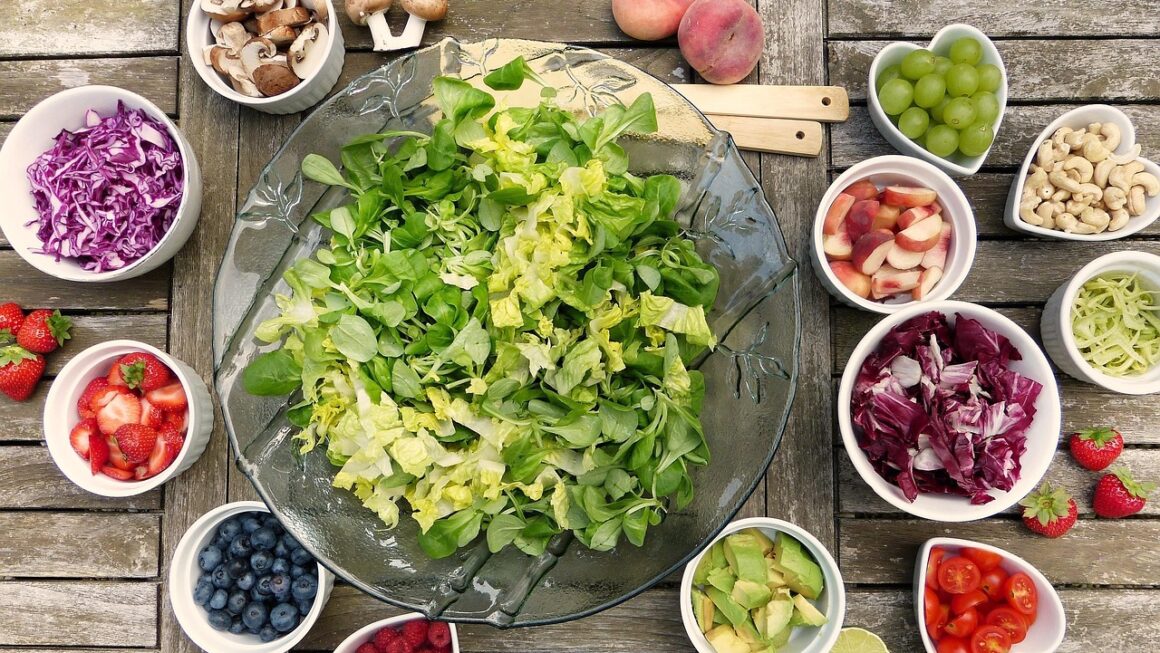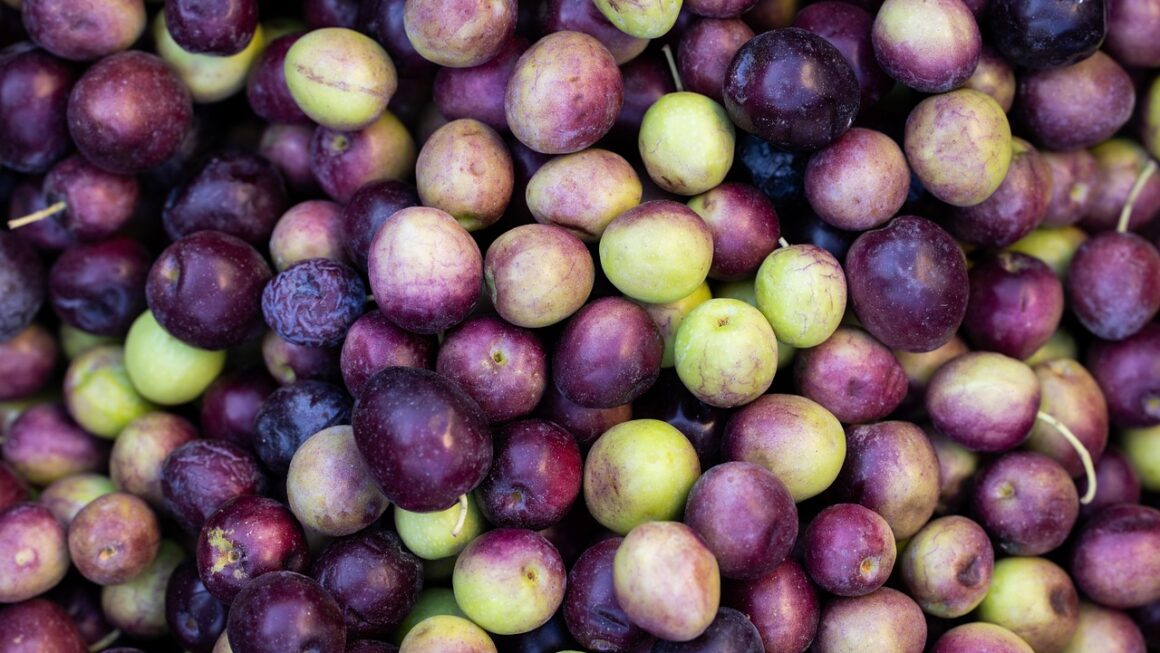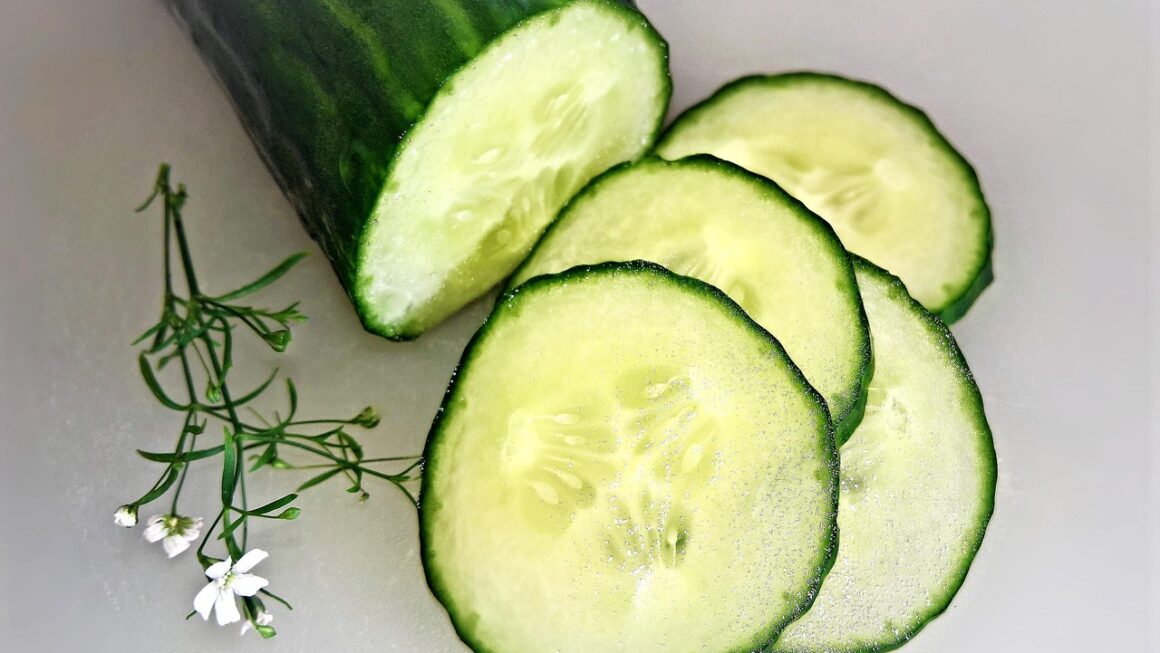
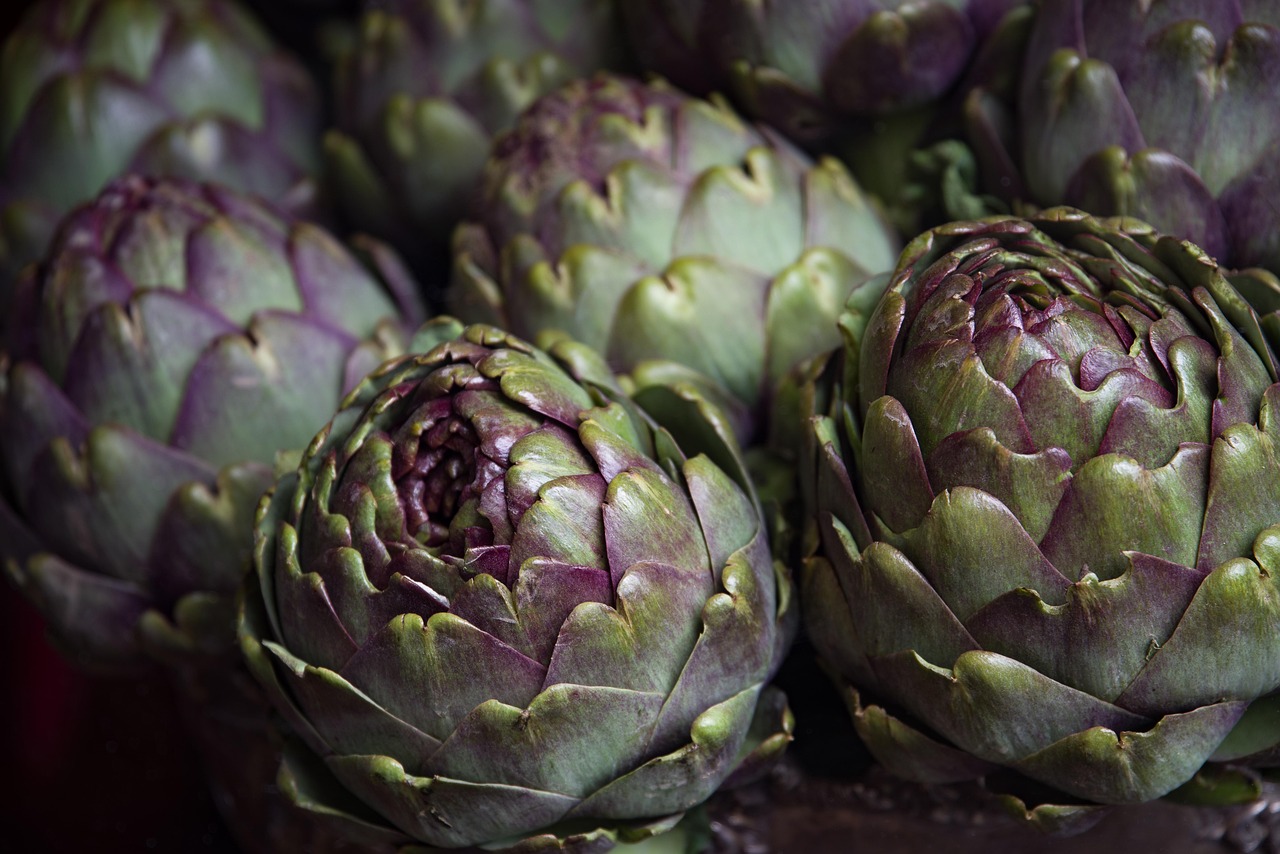
In a world increasingly conscious of health and wellness, a silent revolution is simmering in kitchens globally: oil-free cooking. For too long, oil has been the presumed cornerstone of delicious meals, from sautéing and roasting to baking and dressing. However, a growing body of evidence and culinary innovation is proving that you can achieve incredible flavors and textures without a single drop of added oil. This approach isn’t just a trend; it’s a powerful shift towards more nutrient-dense, heart-healthy, and often plant-forward eating that can transform your health and your palate. Prepare to unlock a vibrant new way of cooking that celebrates the natural goodness of whole foods.
Why Go Oil-Free? Unlocking a World of Health Benefits
Embracing oil-free cooking is more than just a culinary technique; it’s a commitment to a healthier lifestyle. By removing added oils, you significantly reduce the calorie density of your meals while maximizing the nutritional impact of whole, unprocessed ingredients.
The Nutritional Advantage
Oils, while providing some essential fatty acids, are essentially 100% fat and incredibly calorie-dense. A single tablespoon of olive oil, for instance, contains around 120 calories and 14 grams of fat. When you eliminate these added fats, you create more room for nutrient-rich foods.
- Reduced Calorie Intake: Without added oils, it becomes easier to manage your calorie intake, which can support healthy weight management without sacrificing portion sizes or satiety.
- Increased Nutrient Density: By replacing oil with water, vegetable broth, or other whole-food purées, you’re often adding vitamins, minerals, and fiber instead of just fat and calories.
- Focus on Whole Foods: Oil-free cooking naturally encourages a greater emphasis on vegetables, fruits, legumes, whole grains, and lean proteins, which are packed with beneficial compounds.
Actionable Takeaway: Pay attention to how many tablespoons of oil you typically use in a meal. Even small reductions can lead to significant calorie savings over time, allowing you to enjoy larger, more satisfying portions of whole foods.
Beyond the Calories: Heart Health and More
The benefits of oil-free eating extend far beyond calorie reduction. It plays a crucial role in promoting cardiovascular health and can positively impact various other aspects of your well-being.
- Improved Cardiovascular Health: Reducing or eliminating added oils, especially those high in saturated fats, can help lower LDL (“bad”) cholesterol levels and reduce the risk of heart disease. Plant-based, oil-free diets are often recommended for their protective effects on the heart.
- Better Blood Pressure Control: Diets rich in whole, unprocessed foods and low in added fats tend to support healthier blood pressure levels.
- Reduced Inflammation: Many processed oils can contribute to inflammation in the body. An oil-free approach, rich in antioxidants and fiber from whole foods, often leads to a reduction in systemic inflammation.
- Enhanced Digestion: Whole foods prepared without excessive oil are often easier to digest, and the increased fiber intake supports a healthy gut microbiome.
Actionable Takeaway: Consider the long-term impact of your cooking choices. Adopting oil-free methods is a proactive step towards a healthier heart and overall vitality, allowing you to feel more energetic and vibrant.
Essential Tools and Techniques for Successful Oil-Free Cooking
Transitioning to oil-free cooking doesn’t require a complete kitchen overhaul, but a few key tools and mastering some alternative techniques will make the process seamless and enjoyable.
Kitchen Essentials
While you can certainly start with what you have, these items can significantly enhance your oil-free culinary journey:
- Good Quality Non-Stick Cookware: Essential for sautéing and pan-frying without sticking. Look for ceramic or PFOA-free options. Properly seasoned cast iron can also work, but requires careful temperature control.
- Steamer Basket or Steamer Pot: Steaming is an excellent oil-free cooking method that retains nutrients and flavor.
- Baking Sheets with Parchment Paper or Silicone Mats: Prevents sticking when roasting vegetables or baking without added fats.
- Air Fryer: An incredibly versatile appliance for achieving crispy textures without oil, perfect for vegetables, potatoes, and even “fried” tofu.
- High-Speed Blender: Great for making creamy oil-free dressings, sauces, and soups.
- Instant Pot or Pressure Cooker: Ideal for quickly cooking grains, beans, and stews without oil.
Practical Tip: Invest in quality non-stick cookware. It makes a huge difference in the ease and success of oil-free sautéing and cooking without frustration. Regular cleaning and care will prolong their lifespan.
Mastering Oil-Free Sautéing and Roasting
The biggest hurdle for many is reimagining how to cook food that traditionally relies on oil. Here are the core techniques:
- Water or Broth Sautéing: Instead of oil, use small amounts of water, vegetable broth, or even wine to sauté vegetables. Start with a tablespoon or two, and add more as needed, one tablespoon at a time, to prevent sticking and caramelize ingredients. This method enhances natural flavors without added fat.
- Dry Roasting: For vegetables like broccoli, cauliflower, carrots, or potatoes, simply spread them on a baking sheet lined with parchment paper. Roast at a higher temperature (e.g., 400°F / 200°C) until tender and slightly browned. For extra flavor, toss them with herbs and spices beforehand.
- Air Frying: The air fryer is a game-changer for achieving crispy textures without oil. From sweet potato fries to crispy chickpeas, simply place ingredients in the basket and cook according to the appliance’s instructions, often at temperatures between 350-400°F (175-200°C).
- Steaming: A gentle and effective method for cooking vegetables, retaining their vibrant colors and nutrients without any fat. Use a steamer basket over boiling water.
- Baking: For recipes traditionally calling for oil (e.g., baked goods, casseroles), use parchment paper or silicone mats to prevent sticking. For moisture, swap oil with fruit purées or applesauce.
Actionable Takeaway: Practice water sautéing first. It’s a fundamental skill for many oil-free recipes. Start with onions and garlic, and observe how they soften and release their aromas beautifully without oil, building the flavor base of your dish.
Flavor Boosters: Making Oil-Free Delicious and Exciting
The absence of oil doesn’t mean the absence of flavor. In fact, oil-free cooking often encourages a deeper exploration of natural ingredients and allows their true tastes to shine.
Harnessing Herbs, Spices, and Aromatics
These are your best friends in oil-free cooking. They provide incredible depth, warmth, and vibrancy.
- Aromatics: Onion, garlic, ginger, and shallots are crucial building blocks for flavor. Water-sauté them until fragrant and tender to create a rich base for soups, stews, curries, and stir-fries.
- Fresh Herbs: Basil, cilantro, parsley, dill, oregano, thyme, rosemary – use them generously! Add them at different stages of cooking: woody herbs (rosemary, thyme) can go in earlier, while delicate ones (cilantro, parsley) are best added at the end for freshness.
- Dried Spices: Cumin, paprika, turmeric, chili powder, curry powder, coriander, cinnamon, nutmeg – the possibilities are endless. Toasting dry spices briefly in a dry pan before adding liquid can enhance their flavor profile significantly.
- Spice Blends: Experiment with pre-made or homemade spice blends like garam masala, za’atar, or Italian seasoning to quickly add complex flavors.
Practical Example: When making an oil-free chili, water-sauté chopped onions, garlic, and bell peppers until soft. Then, add a generous amount of chili powder, cumin, and oregano, stirring for about a minute to bloom the spices before adding diced tomatoes and beans. This layering of flavors is key.
Acid, Umami, and Sweetness for Balance
Balancing flavors is crucial in any cooking, and especially so when removing oil. These elements add brightness, depth, and complexity.
- Acids: A splash of acid can brighten any dish and cut through richness.
- Vinegars: Balsamic, apple cider, red wine, rice vinegar. Excellent in dressings, marinades, or to deglaze a pan.
- Citrus Juices: Lemon, lime, orange juice. Perfect for adding zest to vegetables, grains, or as a finishing touch.
- Umami: This “savory” fifth taste adds depth and satisfaction.
- Mushrooms: Especially shiitake, cremini, or portobello. Roast or water-sauté them for a rich, meaty flavor.
- Nutritional Yeast: A fantastic cheese-like, savory flavor, perfect for sauces, “cheese” sauces, or sprinkled over popcorn.
- Tomato Paste: Concentrated tomato flavor adds significant umami to stews and sauces.
- Tamari/Soy Sauce/Liquid Aminos: For a salty, savory kick (use low-sodium versions).
- Natural Sweetness: While often associated with desserts, a touch of natural sweetness can balance savory dishes.
- Dates and Date Paste: Great for sweetening sauces, dressings, or baking.
- Fruit Purées: Applesauce, mashed bananas, pumpkin purée can add moisture and sweetness to baked goods.
- Sweet Vegetables: Carrots, sweet potatoes, roasted bell peppers naturally lend sweetness to savory dishes.
Actionable Takeaway: Always taste and adjust! After adding your main ingredients, consider if your dish needs a squeeze of lemon for brightness, a dash of nutritional yeast for umami, or a hint of date paste to round out the flavors. Small adjustments make a big difference.
Oil-Free Swaps and Substitutions: Everyday Cooking Made Easy
One of the most practical aspects of oil-free cooking is learning how to replace oil in common recipes without compromising on taste or texture. Many everyday staples can be easily adapted.
Replacing Oil in Baking
In baking, oil often provides moisture and tenderness. Thankfully, several whole-food ingredients can step in effectively:
- Applesauce (unsweetened): A go-to for replacing oil in muffins, cakes, and quick breads. Use a 1:1 ratio. It adds moisture and a subtle sweetness.
- Mashed Ripe Banana: Excellent for adding moisture and sweetness, especially in banana bread, muffins, or pancakes. Use a 1:1 ratio.
- Pumpkin Puree or Sweet Potato Puree: Adds moisture, a rich flavor, and a beautiful color to baked goods. Ideal for spiced cakes, muffins, or even brownies. Use a 1:1 ratio.
- Avocado Puree: Provides richness and moisture, especially in brownies or chocolate cakes, though it can impart a slight green hue if not well blended or masked by other colors. Use a 1:1 ratio.
- Date Paste: Can replace oil and sugar, providing both moisture and sweetness. Adjust liquid in the recipe as date paste is thicker.
- Plant-Based Yogurts (unsweetened): Adds moisture and a slight tang, particularly good in muffins or quick breads.
Practical Example: If a muffin recipe calls for 1/2 cup of vegetable oil, substitute it with 1/2 cup of unsweetened applesauce or mashed banana. You might need to slightly adjust baking time due to increased moisture.
Salad Dressings and Sauces
Traditional dressings and sauces are often loaded with oil. Creating flavorful oil-free versions is simple and delicious:
- Tahini-Based Dressings: Combine tahini (sesame paste) with water, lemon juice, garlic, and a sweetener (like maple syrup or dates) for a creamy, savory dressing. Adjust water to reach desired consistency.
- Avocado-Based Dressings: Blend ripe avocado with water, lime juice, cilantro, and spices for a rich, creamy, and vibrant dressing.
- Mustard-Based Dressings: Whisk Dijon mustard with apple cider vinegar, a touch of maple syrup, and water or vegetable broth for a tangy vinaigrette.
- Fruit-Based Vinaigrettes: Blend berries (strawberries, raspberries) or citrus segments with vinegar, a touch of water, and herbs for a refreshing, naturally sweet and tangy dressing.
- Broth-Based Sauces: Use vegetable broth as the base for stir-fry sauces, gravies, or pan sauces. Thicken with cornstarch or arrowroot slurry if needed.
- Cashew Cream/Silken Tofu: For rich, creamy sauces, blend soaked cashews or silken tofu with water, seasonings, and lemon juice. These are higher in fat but are whole-food fats, not refined oils.
Actionable Takeaway: Experiment with making your own oil-free dressings. They are often healthier, more flavorful, and customizable than store-bought options. Start with a simple lemon-tahini dressing and adapt it to your taste.
Sample Oil-Free Meal Ideas and Practical Tips
Adopting oil-free cooking doesn’t mean sacrificing variety or flavor. Here are some ideas to inspire your daily meals and tips to make the transition smooth.
Breakfast, Lunch, and Dinner Inspiration
Embrace the versatility of whole foods to create satisfying oil-free meals:
- Breakfast:
- Oatmeal or Quinoa Porridge: Cooked with water or plant milk, topped with fresh fruit, nuts/seeds, and a sprinkle of cinnamon.
- Tofu Scramble: Water-sautéed onions, bell peppers, spinach with crumbled firm tofu, turmeric, and black salt for an eggy flavor.
- Smoothie Bowls: Blended fruits, leafy greens, and plant milk, topped with granola and berries.
- Lunch:
- Massive Green Salad: Load up on mixed greens, roasted vegetables (dry-roasted!), chickpeas, quinoa, and an oil-free dressing.
- Lentil Soup or Chili: Hearty and flavorful, made with water-sautéed aromatics and plenty of spices.
- Baked Sweet Potatoes: Topped with black beans, corn salsa, avocado, and a dollop of oil-free cashew cream.
- Dinner:
- Veggie Stir-Fry: Water-sautéed broccoli, carrots, snap peas, mushrooms with a tamari-ginger-garlic-broth sauce over brown rice.
- Whole Wheat Pasta with Marinara: A classic, using an oil-free marinara sauce (many store-bought versions are naturally oil-free, or easy to make at home).
- Bean Burgers or Lentil Loaf: Made with oats, beans, vegetables, and spices, baked or pan-fried in a non-stick pan without oil.
- Sheet Pan Roasted Vegetables & Chickpeas: Dry roast a variety of vegetables (broccoli, bell peppers, zucchini, onions) with chickpeas, seasoned with herbs and spices.
Practical Example: Instead of frying potatoes, cube them, toss them with smoked paprika, garlic powder, and a pinch of salt, then roast them in an air fryer or oven on parchment paper until crispy and golden brown. Serve with an oil-free dipping sauce.
Transitioning and Sticking with It
Making a dietary change can feel daunting, but these tips will help you embrace oil-free cooking with confidence:
- Start Small: Don’t feel pressured to go 100% oil-free overnight. Begin by eliminating oil in one meal a day or for specific cooking methods like sautéing.
- Experiment with Flavors: Focus on adding more herbs, spices, citrus, and vinegars to compensate for the richness that oil might provide.
- Read Labels Carefully: When buying packaged foods like bread, crackers, or sauces, check the ingredient list for added oils. You might be surprised where they hide!
- Meal Prep: Prepare large batches of oil-free staples like roasted vegetables, cooked grains, and beans at the beginning of the week to make quick meals easier.
- Embrace the Learning Curve: There will be moments of trial and error. View them as learning opportunities to refine your techniques and discover new favorite recipes.
- Seek Inspiration: Follow oil-free food bloggers, chefs, or social media accounts for a constant stream of new ideas and motivation.
Actionable Takeaway: Commit to trying one new oil-free recipe or technique each week. This gradual approach will build your confidence and expand your repertoire without feeling overwhelmed, making the lifestyle change sustainable.
Conclusion
Oil-free cooking is more than just a method; it’s a doorway to a vibrant, healthier, and incredibly flavorful culinary journey. By consciously choosing to remove added oils, you are empowering yourself to embrace the natural goodness of whole foods, unlock a spectrum of health benefits from improved heart health to weight management, and discover an exciting world of tastes. It requires a slight shift in mindset and technique, but with a few essential tools, a willingness to experiment with herbs and spices, and a commitment to whole-food swaps, you’ll soon be creating delicious, nutrient-dense meals that leave you feeling satisfied and energized. So, step into your kitchen with confidence, leave the oil bottle in the cupboard, and begin your delicious adventure into the art of oil-free cooking today!