The quest for optimal protein often brings a common misconception to the forefront: that a plant-based diet struggles to deliver adequate amounts. This couldn’t be further from the truth! With the right knowledge and a well-structured approach, a high protein vegan meal plan is not only achievable but can be incredibly diverse, delicious, and nutritionally superior. Whether you’re an athlete, looking to manage weight, or simply aiming for a healthier lifestyle, unlocking the power of plant-based protein can revolutionize your diet. Get ready to discover how simple and satisfying it is to fuel your body with protein-rich vegan foods, all while enjoying a wealth of other health and environmental benefits.
The Truth About Vegan Protein: Abundance Awaits
Understanding Protein Needs on a Plant-Based Diet
Protein is a vital macronutrient, essential for building and repairing tissues, making enzymes and hormones, and supporting overall bodily function. While the average adult needs about 0.8 grams of protein per kilogram of body weight per day, those with higher activity levels, like athletes, or individuals aiming for muscle gain, may require more (up to 1.2-2.0 g/kg). The good news for vegans is that plants are packed with protein!
- Complete vs. Incomplete Proteins: Many plant proteins are often labeled “incomplete” because they may be lower in one or two essential amino acids. However, this concern is largely outdated. By consuming a variety of plant proteins throughout the day, vegans easily get all essential amino acids. Your body creates its own complete protein pool from the diverse amino acids you consume.
- Variety is Key: Focus on incorporating a wide range of plant-based protein sources into your daily meals to ensure you meet all your amino acid requirements.
Actionable Takeaway: Don’t fret over “complete” proteins in every meal. A diverse, whole-food vegan diet naturally provides all essential amino acids over the course of a day.
Top Plant-Based Protein Sources
Nature offers an incredible array of protein powerhouses for your high protein vegan meal plan:
- Legumes: Beans (black, kidney, pinto), lentils (red, green, brown), chickpeas, and peas are fundamental. A cup of cooked lentils provides about 18 grams of protein.
- Soy Products:
- Tofu: Versatile and absorbs flavors easily. Half a block (approx. 4 oz) of firm tofu offers around 10-15g of protein.
- Tempeh: Fermented soybean cake with a nutty flavor. Half a block provides about 15-18g of protein.
- Edamame: Whole, immature soybeans, great as a snack. 1 cup shelled contains about 18g of protein.
- Seitan: Made from wheat gluten, offering a meat-like texture and boasting an impressive 20-25 grams of protein per 3-ounce serving.
- Quinoa: A complete protein grain, providing about 8 grams of protein per cooked cup.
- Nuts and Seeds: Almonds, walnuts, peanuts, pumpkin seeds, chia seeds, hemp seeds (10g protein per 3 tbsp!), and flax seeds are excellent sources of protein, healthy fats, and fiber.
- Nutritional Yeast: A cheesy-flavored seasoning, 2 tablespoons provide about 8 grams of protein and B vitamins.
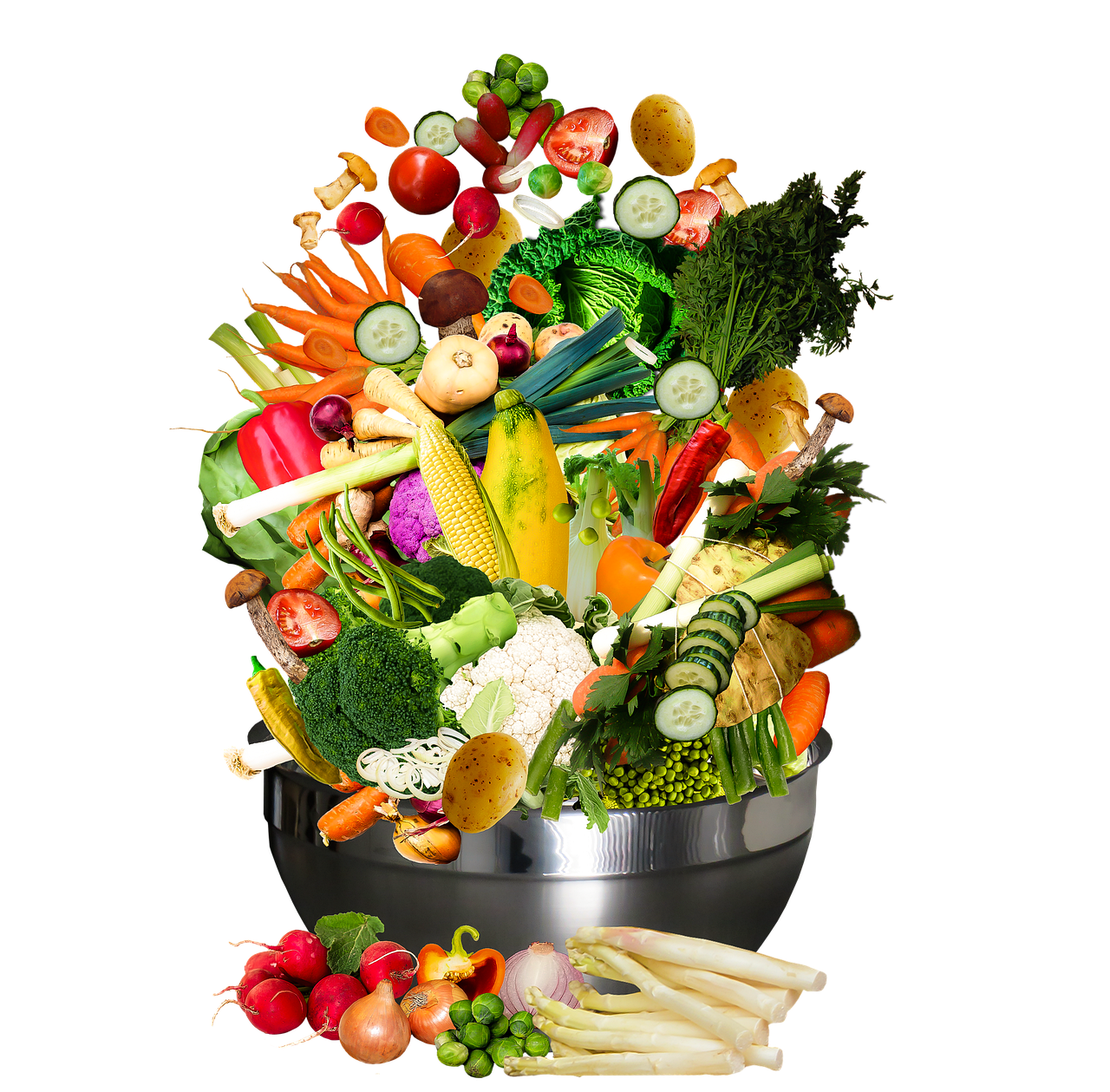
- Protein-Rich Vegetables: Spinach, broccoli, asparagus, and Brussels sprouts contribute smaller but significant amounts of protein, especially when consumed in larger portions.
Actionable Takeaway: Stock your pantry with a variety of these plant-based heroes to ensure a constant supply of quality protein for your meals and snacks.
More Than Muscle: The Holistic Advantages of High Protein Vegan Eating
Adopting a high protein vegan meal plan extends benefits far beyond just meeting your protein macros. It’s a holistic approach to well-being.
Health Benefits
Fueling your body with plant-powered protein comes with a cascade of health advantages, often attributed to the high fiber content, absence of cholesterol, and lower saturated fat found in plants:
- Heart Health: Plant-based diets are consistently linked to lower blood pressure, reduced LDL (“bad”) cholesterol, and a decreased risk of heart disease.
- Weight Management: High-protein, high-fiber vegan foods promote satiety, helping you feel fuller for longer and potentially reducing overall calorie intake.
- Improved Gut Health: The abundance of fiber in plant foods acts as a prebiotic, feeding beneficial gut bacteria and supporting a healthy microbiome.
- Reduced Risk of Chronic Diseases: Studies suggest that plant-focused diets can lower the risk of type 2 diabetes, certain cancers, and other chronic conditions.
- Increased Energy Levels: A nutrient-dense vegan diet provides sustained energy without the post-meal slump often associated with heavier, animal-based meals.
Actionable Takeaway: By prioritizing a high protein vegan diet, you’re not just building muscle; you’re building a foundation for long-term health and vitality.
Environmental and Ethical Impact
Choosing a plant-based diet is a powerful statement for the planet and its inhabitants.
- Lower Carbon Footprint: Livestock farming is a significant contributor to greenhouse gas emissions. Shifting to plant proteins drastically reduces your environmental impact.
- Water Conservation: Producing plant-based proteins generally requires far less water compared to animal agriculture.
- Land Use Efficiency: Growing crops directly for human consumption uses less land than growing crops to feed livestock.
- Animal Welfare: A vegan diet aligns with ethical principles that advocate for animal rights and liberation from factory farming practices.
Actionable Takeaway: Every plant-based meal is a step towards a more sustainable and compassionate world.
Building Blocks: Principles for a Powerful Plant-Based Plate
Creating your own high protein vegan meal plan is simpler than you might think. It’s all about smart choices and consistent execution.
Key Principles for Meal Planning
- Prioritize Protein at Every Meal: Make sure each main meal contains a substantial source of plant-based protein. Think lentils in your soup, tofu in your scramble, or chickpeas in your salad.
- Balance Macros: Combine your protein with complex carbohydrates (whole grains, starchy vegetables), healthy fats (avocado, nuts, seeds), and plenty of fiber from fruits and vegetables.
- Meal Prepping: Dedicate time once or twice a week to prepare components like cooked grains, roasted vegetables, batch-cooked beans, or pre-chopped veggies. This makes healthy eating effortless during busy weekdays.
- Hydration: Don’t forget water! Proper hydration is crucial for nutrient absorption and overall bodily function.
- Listen to Your Body: Adjust portion sizes and food choices based on your hunger levels, energy, and fitness goals.
Actionable Takeaway: Plan, prep, and prioritize variety to ensure a consistently delicious and nutritious high protein vegan diet.
Sample Day: A High Protein Vegan Menu
Here’s an example of how a day on a high protein vegan meal plan could look, demonstrating the diversity and deliciousness:
- Breakfast: Protein-Packed Tofu Scramble
- 1/2 block firm tofu, crumbled and seasoned with turmeric, black salt, and nutritional yeast.
- Served with a side of sautéed spinach and mushrooms.
- A slice of whole-wheat toast with 2 tbsp of mashed avocado.
- Protein Estimate: ~20-25g
- Lunch: Mediterranean Lentil & Quinoa Salad
- 1 cup cooked quinoa mixed with 1/2 cup cooked green lentils.
- Chopped cucumber, tomatoes, bell peppers, and Kalamata olives.
- Dressed with a lemon-tahini dressing and topped with 2 tbsp hemp seeds.
- Protein Estimate: ~25-30g
- Dinner: Spicy Tempeh & Broccoli Stir-Fry
- 4 oz tempeh, cubed and pan-fried until crispy.
- Stir-fried broccoli florets, snap peas, and carrots in a peanut-ginger sauce.
- Served over 1 cup of brown rice.
- Protein Estimate: ~30-35g
- Snacks:
- Apple slices with 2 tbsp almond butter (~7g protein).
- Small handful of roasted chickpeas (~5g protein).
- Vegan protein smoothie (1 scoop plant-based protein powder, spinach, banana, almond milk) (~20-25g protein).
- Total Estimated Daily Protein: 107-122g+ (easily adjustable based on portion sizes and specific protein powders)
Actionable Takeaway: Use this sample day as a template, experimenting with different plant proteins and vegetables to keep your meals exciting and nutritionally robust.
Mastering Your Macros: Tips for Sustained Success
Maintaining a protein-rich vegan diet is all about smart strategies and understanding how to elevate your meals.
Boosting Protein in Everyday Meals
Small additions can make a big difference in your daily protein intake:
- Blend in Protein Powder: Add a scoop of your favorite plant-based protein powder (pea, rice, hemp) to smoothies, oatmeal, or even pancake batter.
- Sprinkle Seeds Liberally: Chia, hemp, and flax seeds are excellent additions to salads, yogurts, cereals, and baked goods.
- Fortify Sauces & Soups: Stir in red lentils to tomato sauces, pureed white beans to creamy soups, or nutritional yeast for a cheesy, protein boost.
- Snack Smart: Opt for high protein vegan snacks like edamame, roasted chickpeas, nuts, seeds, or vegan protein bars.
- Swap for Protein-Rich Grains: Choose quinoa or wild rice over white rice.
Actionable Takeaway: Be proactive about adding protein to every meal and snack; small boosts accumulate quickly.
Addressing Common Concerns
- “Am I getting enough protein?” Track your intake for a few days using a nutrition app to get a baseline. Adjust as needed. Pay attention to how you feel: sustained energy, good recovery from workouts, and satiety are good indicators.
- “Is it expensive?” Not necessarily! Staples like dried beans, lentils, tofu, and oats are very budget-friendly. Focus on whole foods rather than highly processed vegan alternatives.
- “Won’t I get bored?” The plant kingdom offers an incredible diversity of ingredients. Explore different cuisines (Indian, Mexican, Mediterranean, Thai) that naturally feature many protein-rich vegan ingredients. Experiment with spices and cooking methods.
Actionable Takeaway: Don’t let common myths or concerns deter you. With a little planning and creativity, a high protein vegan diet is both practical and enjoyable.
Supplementation: When and What?
While a well-planned vegan diet can provide all necessary nutrients, some individuals may benefit from strategic supplementation:
- Vitamin B12: This is the only vitamin that is not reliably available from plant sources and should be supplemented by all vegans.
- Vitamin D: Essential for bone health, especially if sun exposure is limited. Choose a vegan D3 supplement (from lichen).
- Omega-3 Fatty Acids: While flax, chia, and hemp seeds provide ALA (alpha-linolenic acid), some may benefit from a vegan EPA/DHA supplement derived from algae, especially for brain and heart health.
- Plant-Based Protein Powders: Convenient for boosting protein intake, especially for athletes or busy individuals. Look for blends of pea, rice, or hemp protein for a complete amino acid profile.
Actionable Takeaway: Prioritize a whole-food diet first, then consider targeted supplementation for B12, D, and potentially Omega-3s. Protein powder can be a convenient tool, but food should be your primary source.
Conclusion
Embracing a high protein vegan meal plan is a powerful choice that offers an abundance of health, environmental, and ethical benefits. By understanding your protein needs and familiarizing yourself with the vast array of delicious plant-based protein sources, you can easily craft meals that are satisfying, nutrient-dense, and incredibly flavorful. From robust tofu scrambles to hearty lentil stews and protein-packed snacks, the options for healthy vegan meals are endless.
Dispelling the myth that vegans struggle with protein, we’ve shown that with a little planning, variety, and an appreciation for the plant kingdom, you can thrive on a diet rich in protein. Take these actionable takeaways, start experimenting in your kitchen, and embark on a rewarding journey toward a stronger, healthier, and more sustainable you. Your body, the animals, and the planet will thank you!