
As we age, maintaining a balanced and nutritious diet becomes increasingly vital for overall health, energy, and cognitive function. However, the thought of preparing elaborate meals can often feel daunting due to factors like reduced mobility, decreased appetite, or simply a lack of energy. But healthy eating doesn’t have to be complicated! This comprehensive guide is designed to empower seniors and their caregivers with practical, easy-to-follow strategies and delicious meal ideas that are both nutritious and simple to prepare, ensuring a vibrant and active lifestyle.
The Vital Role of Nutrition in Senior Health
Understanding why proper nutrition is paramount for older adults is the first step toward making informed dietary choices. Good food fuels the body and mind, helping to ward off illness and maintain independence.
Why Nutrition Matters More with Age
- Boosts Energy Levels: Nutrient-rich foods provide the sustained energy needed for daily activities and maintaining an active lifestyle.
- Strengthens Immune System: A well-nourished body is better equipped to fight off infections and illnesses, which is particularly crucial for seniors.
- Supports Bone and Muscle Health: Adequate intake of protein, calcium, and Vitamin D is essential for preventing osteoporosis and sarcopenia (muscle loss), thereby reducing fall risk.
- Enhances Cognitive Function: Certain nutrients, like Omega-3 fatty acids and antioxidants, play a critical role in brain health, potentially slowing cognitive decline.
- Aids Digestion: Fiber-rich foods promote healthy digestion, preventing common issues like constipation.
Overcoming Common Culinary Hurdles
Many seniors face specific challenges that can make meal preparation and consumption difficult. Recognizing these can help tailor effective solutions.
- Reduced Appetite and Taste Changes: Medications, illness, or natural aging can dull taste buds, making food less appealing.
- Difficulty Chewing or Swallowing: Dental problems or dysphagia can limit food choices, often leading to a preference for soft, easy-to-eat foods.
- Limited Mobility or Energy: Standing for long periods, lifting heavy pots, or extensive chopping can be challenging.
- Cooking Fatigue: The sheer effort of planning, shopping, and cooking daily can become exhausting.
- Budget Constraints: Eating healthy on a fixed income requires smart planning and savvy shopping.
Actionable Takeaway: Acknowledging these hurdles is the first step toward finding creative and practical solutions that prioritize both ease and nutrition.
Smart Strategies for Effortless & Nutritious Senior Meals
With a few clever strategies, seniors and their caregivers can transform meal preparation from a chore into an enjoyable and efficient process.
Embrace Batch Cooking and Meal Prep
Batch cooking means preparing larger quantities of food once or twice a week, then portioning and storing it for future meals. This saves significant time and effort during the week.
- Cook Grains in Bulk: Prepare a large batch of quinoa, brown rice, or whole-wheat pasta to use as a base for multiple meals.
- Roast a Pan of Vegetables: Chop and roast a variety of vegetables (broccoli, bell peppers, sweet potatoes) with a little olive oil. They can be added to eggs, salads, or served as a side.
- Prepare Lean Protein: Cook a large batch of chicken breast, ground turkey, or lentils. These can be used in sandwiches, salads, or as a main dish throughout the week.
- Wash and Chop Produce: Pre-wash and chop fruits and vegetables immediately after grocery shopping so they are ready for snacking or adding to meals.
The Power of One-Pan and One-Pot Dishes
Minimizing cleanup is a major win! One-pan and one-pot meals streamline the cooking process and reduce the post-meal hassle.
- Sheet Pan Dinners: Combine protein (chicken, fish, sausage) and chopped vegetables on a single baking sheet, season, and roast. Examples: Lemon Herb Chicken and Asparagus, Sausage and Root Vegetables.
- Hearty Stews and Soups: These can be made in a single pot and often taste even better the next day. They are also excellent for batch cooking and freezing. Examples: Lentil Soup, Chicken and Vegetable Stew.
- Skillet Meals: Stir-fries with pre-cut chicken or tofu and frozen mixed vegetables are quick, nutritious, and require just one pan.
Stocking a Senior-Friendly Pantry
Having the right staples on hand makes impromptu healthy meals a breeze. Focus on items with long shelf lives that are versatile and require minimal preparation.
- Canned Goods: Low-sodium beans (black, cannellini), lentils, tuna, salmon, and diced tomatoes.
- Frozen Foods: Mixed vegetables, fruit for smoothies, shrimp, fish fillets, whole-grain waffles/pancakes.
- Whole Grains: Oatmeal, whole-wheat pasta, brown rice, quinoa, whole-grain bread.
- Proteins: Eggs, cottage cheese, Greek yogurt, peanut butter, lean deli meats.
- Healthy Fats: Olive oil, avocados, nuts, seeds.
Actionable Takeaway: Strategic planning and a well-stocked pantry are your best friends for consistent, easy senior meals.
Deliciously Easy Meal Ideas for Every Time of Day
Here are some practical and tasty meal suggestions that cater to convenience without compromising on nutrition.
Breakfast Boosts: Starting Strong
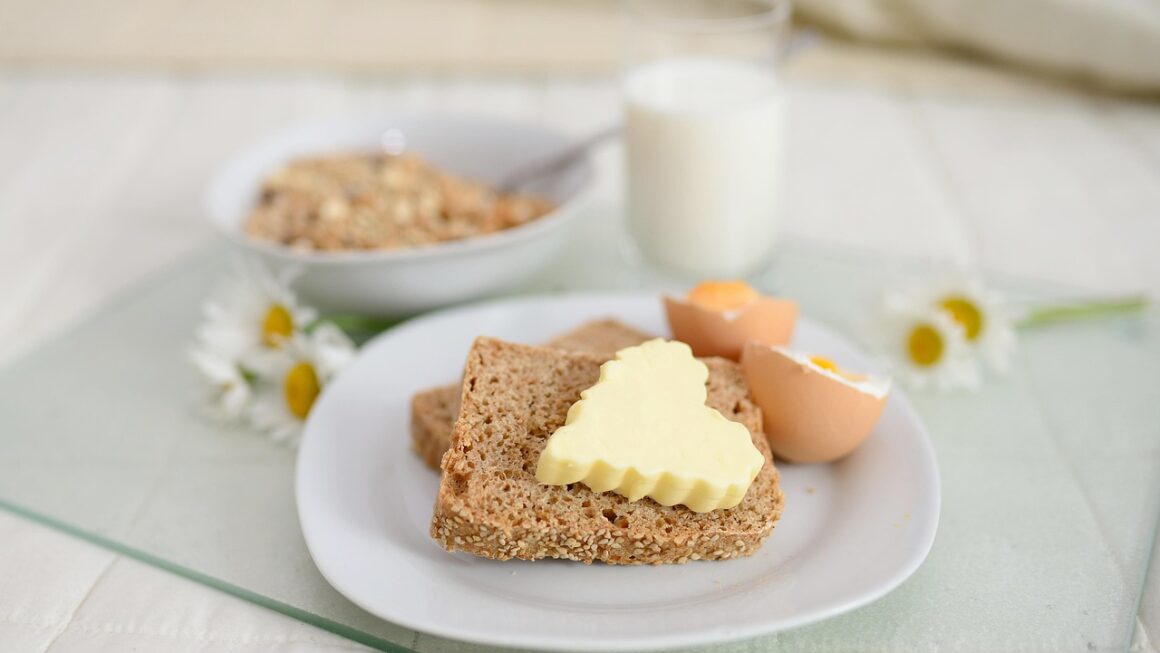
A nutritious breakfast provides essential energy and sets a positive tone for the day. Aim for protein and fiber.
- Overnight Oats: Combine rolled oats, milk (dairy or non-dairy), chia seeds, and your favorite fruit in a jar the night before. Ready to eat in the morning!
- Scrambled Eggs with Spinach: Quick to cook, packed with protein, and a great way to sneak in greens. Add a slice of whole-grain toast.
- Greek Yogurt Parfait: Layer Greek yogurt (high in protein), berries, and a sprinkle of low-sugar granola or chopped nuts.
- Avocado Toast: Mash avocado on whole-grain toast and season with a pinch of salt, pepper, and perhaps a sprinkle of red pepper flakes for a healthy fat and fiber boost.
Light & Lively Lunches
Lunch should be satisfying but not heavy, providing energy for the afternoon without causing a slump.
- Tuna or Chicken Salad Sandwiches/Wraps: Use canned tuna or pre-cooked chicken. Mix with Greek yogurt or a light mayo, chopped celery, and serve on whole-grain bread or in a lettuce cup.
- Hearty Leftovers: The easiest lunch is often dinner from the night before, pre-portioned and ready to reheat.
- Quick Soup & Sandwich Combo: A low-sodium canned soup or a homemade batch from your freezer, paired with half a turkey or cheese sandwich.
- Loaded Salad: Start with pre-washed greens. Add canned chickpeas or lentils, hard-boiled eggs, pre-cooked chicken, chopped bell peppers, and a light vinaigrette.
Simple & Satisfying Dinners
Dinner can be a comforting and nutritious end to the day, even with minimal effort.
- Baked Salmon with Roasted Asparagus: Place salmon fillets and asparagus spears on a sheet pan, drizzle with olive oil, salt, and pepper, and bake until cooked through.
- Quick Chicken Stir-Fry: Sauté strips of pre-cooked chicken (or thinly sliced raw chicken) with a bag of frozen mixed vegetables and a low-sodium stir-fry sauce. Serve over instant brown rice or quinoa.
- Pasta with Lean Ground Turkey & Marinara: Brown ground turkey, add a jar of low-sodium marinara sauce, and serve over whole-wheat pasta.
- Lentil Soup: A simple, protein-packed soup made with canned lentils, diced carrots, celery, and vegetable broth. Great for batch cooking!
Actionable Takeaway: With a diverse set of easy recipes, you can enjoy delicious and nutritious meals without the daily stress of extensive cooking.
Leveraging Smart Convenience Foods for Senior Meals
Convenience foods, when chosen wisely, can be invaluable tools for creating easy and healthy meals. The key is to select options that are minimally processed and low in added sugar, sodium, and unhealthy fats.
Navigating the Supermarket Aisles
The grocery store is full of shortcuts if you know what to look for.
- Pre-Washed and Pre-Chopped Produce: Bags of salad greens, chopped onions, minced garlic, and sliced vegetables save a lot of prep time.
- Rotisserie Chicken: A life-saver for quick protein. Use it in salads, sandwiches, soups, or as a main dish.
- Canned or Pouched Fish: Tuna, salmon, and sardines are excellent sources of protein and Omega-3s. Look for low-sodium or water-packed options.
- Pre-Cooked Grains: Microwaveable pouches of brown rice, quinoa, or whole-grain pasta cook in minutes.
- Low-Sodium Broths: Use for soups, stews, or to add flavor to grains.
Frozen Foods: Your Time-Saving Allies
The freezer section is a treasure trove of healthy, convenient options that reduce food waste and cooking time.
- Frozen Fruits: Perfect for smoothies, oatmeal toppings, or thawing for a quick dessert.
- Frozen Vegetables: Just as nutritious as fresh, and they require no chopping. Simply steam, microwave, or add to stir-fries.
- Frozen Fish and Shrimp: Thaw quickly and cook fast, offering lean protein options without extensive preparation.
- Whole-Grain Frozen Waffles/Pancakes: A quick breakfast base that can be topped with fruit and nuts.
Meal Delivery Services and Kits
For those who want to eliminate cooking altogether, or significantly reduce the effort, meal delivery services can be a fantastic option.
- Pre-Made Meal Delivery: Services like Meals on Wheels or commercial services offer fully cooked, ready-to-heat meals, often catering to specific dietary needs (e.g., low-sodium, diabetic-friendly).
- Meal Kits: Services like HelloFresh or Blue Apron deliver pre-portioned ingredients and recipes directly to your door, reducing grocery shopping and meal planning stress. While they still require cooking, the prep work is minimized.
Actionable Takeaway: Smartly chosen convenience foods can significantly lighten the cooking load while maintaining nutritional quality. Don’t be afraid to embrace them!
Essential Tips for Enjoyable & Hydrated Senior Eating
Beyond the food itself, how and when seniors eat can greatly impact their overall well-being and appetite.
Hydration is Key
Dehydration is a common and serious concern for seniors. Many don’t feel thirsty even when their bodies need fluids.
- Drink Water Regularly: Aim for 6-8 glasses of water daily. Keep a water bottle handy as a visual reminder.
- Infused Water: Add slices of cucumber, lemon, or berries to water to make it more appealing.
- Herbal Teas and Clear Broths: These contribute to fluid intake and can be comforting.
- Hydrating Foods: Fruits like watermelon, oranges, and berries, and vegetables like lettuce and cucumbers, have high water content.
Spice It Up (Safely!)
Taste changes can diminish the enjoyment of food. Flavor enhancers can reignite appetite without relying on excessive salt.
- Herbs and Spices: Experiment with fresh or dried herbs (parsley, basil, oregano) and spices (paprika, cumin, turmeric). They add vibrant flavors and often have antioxidant benefits.
- Lemon Juice and Vinegars: A squeeze of lemon or a splash of apple cider vinegar can brighten dishes and stimulate taste buds.
- Garlic and Onion Powder: These provide concentrated flavor without the texture issues some seniors might face with fresh garlic or onions.
Making Mealtime a Social Event
Eating alone regularly can lead to reduced appetite and feelings of isolation. Social interaction during meals can improve mood and increase food intake.
- Eat with Family or Friends: If possible, share meals with loved ones.
- Join Senior Community Programs: Many community centers offer group meals, providing both nutrition and companionship.
- Set an Inviting Table: Even if eating alone, make mealtime feel special with a nicely set table.
Small, Frequent Meals
For those with reduced appetites or who feel overwhelmed by large portions, eating smaller meals more frequently can be beneficial.
- Snack Smart: Incorporate nutritious snacks between meals, such as a handful of nuts, a piece of fruit, or a small cup of yogurt.
- Mini-Meals: Instead of three large meals, consider five or six smaller, balanced meals throughout the day.
Actionable Takeaway: Pay attention to hydration, enhance flavors naturally, and seek social opportunities for a more holistic and enjoyable eating experience.
Conclusion
Nourishing your body with easy, healthy meals is one of the most powerful ways for seniors to maintain vitality, independence, and overall well-being. While challenges like reduced mobility or appetite can make cooking seem daunting, a few strategic approaches—like batch cooking, utilizing smart convenience foods, and embracing simple recipes—can transform mealtime into a stress-free and enjoyable part of your day. Remember, every bite counts towards a healthier you. Start small, incorporate one new strategy or easy meal idea at a time, and empower yourself with the knowledge to make nutritious choices. Here’s to delicious, easy meals and a vibrant, healthy aging journey!