Navigating the culinary landscape in our golden years comes with unique considerations, and perhaps none is as critical for overall well-being as managing sodium intake. For many seniors, adopting an easy low sodium diet isn’t just a recommendation—it’s a vital step towards managing blood pressure, supporting heart health, and reducing the risk of stroke or kidney disease. But the thought of bland, restrictive meals can be daunting. The good news? Eating low sodium doesn’t have to mean sacrificing flavor or convenience! This comprehensive guide will show you how to effortlessly whip up delicious, senior-friendly, low sodium meals that are both good for you and a joy to eat.
Understanding Low Sodium for Seniors
Before we dive into recipes, it’s essential to grasp why a low sodium diet is particularly important for seniors and what it entails.
Why Sodium Matters for Senior Health
- Blood Pressure Management: As we age, our bodies become more sensitive to sodium, which can lead to increased blood pressure. High blood pressure (hypertension) is a major risk factor for heart disease and stroke, affecting approximately 70% of Americans aged 65 and older.
- Heart Health: Reducing sodium intake lessens the workload on the heart, helping to prevent heart failure and other cardiovascular issues.
- Kidney Function: High sodium can strain the kidneys, which are already susceptible to age-related decline. A low sodium diet helps protect kidney health.
- Fluid Retention: Excess sodium can lead to bloating and swelling (edema), which can be uncomfortable and exacerbate conditions like congestive heart failure.
What Constitutes “Low Sodium”?
While general guidelines suggest less than 2,300 mg of sodium per day for most adults, many seniors, especially those with hypertension or heart conditions, may be advised to aim for 1,500 mg per day or even less. Always consult your doctor or a registered dietitian for personalized recommendations.
Hidden Sodium Hotspots
The biggest challenge in reducing sodium often lies in identifying its hidden sources. Processed foods are the main culprits.
- Processed Meats: Deli slices, bacon, sausage.
- Canned Goods: Soups, vegetables, broths (unless labeled “no salt added” or “low sodium”).
- Frozen Meals: Prepared dinners, pizzas.
- Condiments: Ketchup, mustard, soy sauce, salad dressings.
- Breads and Baked Goods: Surprisingly, sodium can be high here.
- Restaurant Meals: Often notoriously high in sodium.
Actionable Takeaway: Develop a habit of reading food labels. Look for “low sodium,” “very low sodium,” or “no salt added” designations. Compare brands for lower sodium options.
Kitchen Staples for a Low Sodium Lifestyle
Transforming your kitchen into a low sodium haven is simpler than you think. Stocking the right ingredients makes preparing easy low sodium meals for seniors a breeze.
Pantry Essentials
These items form the backbone of flavorful, salt-free cooking:
- Herbs and Spices: A diverse collection is your best friend! Garlic powder, onion powder, paprika, chili powder, cumin, oregano, basil, thyme, rosemary, dill, turmeric. Experiment with salt-free seasoning blends.
- Vinegars and Citrus: Apple cider vinegar, red wine vinegar, balsamic vinegar, lemon juice, lime juice. These add brightness and tang without sodium.
- No-Salt-Added Canned Goods: Tomatoes (diced, crushed, paste), beans (black, kidney, cannellini – rinse thoroughly even if low sodium), vegetable or chicken broth.
- Whole Grains: Brown rice, quinoa, whole wheat pasta, oats (plain rolled oats).
- Oils: Olive oil, avocado oil, canola oil for cooking.
Refrigerator & Freezer Friends
Fresh and frozen ingredients offer convenience and natural flavor.
- Fresh Produce: A colorful array of fruits and vegetables (berries, apples, bananas, leafy greens, broccoli, carrots, bell peppers, onions, garlic).
- Lean Proteins: Fresh chicken breast, fish (salmon, cod, tilapia), lean ground turkey.
- Dairy/Alternatives: Plain yogurt, low-sodium cottage cheese, unsalted butter, milk or unsweetened almond milk.
- Frozen Vegetables and Fruits: An excellent backup for when fresh isn’t available, and just as nutritious. Look for plain, unseasoned varieties.
Actionable Takeaway: Gradually replace high-sodium items in your pantry with low-sodium alternatives. Make weekly trips to stock up on fresh produce and lean proteins.
Simple & Delicious Low Sodium Breakfasts
Starting your day with a nutritious, low sodium meal sets a positive tone for health and energy.
Hearty Oatmeal Variations
Oatmeal is incredibly versatile and naturally low in sodium.
- Classic Berry Oatmeal: Cook plain rolled oats with water or unsweetened milk. Stir in fresh or frozen berries, a sprinkle of cinnamon, and a few chopped nuts (like walnuts or almonds) for healthy fats.
- Savory Oatmeal: For those who prefer savory, cook oats with unsalted broth. Top with a poached egg, sliced avocado, and a dash of black pepper.
Egg-cellent Choices
Eggs are a fantastic source of protein and can be prepared in numerous low sodium ways.
- Scrambled Eggs with Veggies: Whisk 2 eggs with a splash of milk or water. Sauté diced bell peppers, onions, and spinach in a little olive oil until tender, then add eggs and scramble. Season with black pepper and herbs like chives or dill.
- Mini Frittatas/Muffins: Whisk eggs with low-sodium cottage cheese, chopped veggies, and herbs. Pour into greased muffin tins and bake until set. Great for make-ahead breakfasts!
Fruit & Yogurt Power
A quick, refreshing option packed with probiotics and vitamins.
- Yogurt Parfait: Layer plain, unsweetened Greek yogurt with fresh fruit (sliced bananas, peaches, berries) and a sprinkle of unsalted granola.
Actionable Takeaway: Prepare overnight oats or pre-chop veggies for egg dishes the night before to make mornings even easier.
Quick & Healthy Low Sodium Lunches
Lunch doesn’t have to be boring or high in sodium. These ideas are perfect for a midday refuel.
Vibrant Salad Creations
Salads are incredibly adaptable and can be packed with nutrients.
- Mediterranean Chicken Salad: Combine cooked, shredded chicken breast (no salt added) with mixed greens, cucumber, cherry tomatoes, olives (rinse to reduce sodium), and a homemade dressing of olive oil, lemon juice, and oregano.
- Black Bean & Corn Salad: Mix rinsed black beans, corn (fresh or frozen, thawed), diced red onion, bell pepper, cilantro, and a dressing of lime juice, cumin, and a touch of olive oil. Serve over a bed of spinach or as a side.
Soups from Scratch (or Smart Canned)
Homemade soup is a low sodium champion. If buying canned, choose carefully.
- Quick Veggie & Lentil Soup: Sauté onions, carrots, and celery. Add low-sodium vegetable broth, lentils, diced no-salt-added tomatoes, and your favorite herbs. Simmer until lentils are tender.
- Smart Canned Soup Hack: If you must use canned soup, choose a “low sodium” or “reduced sodium” variety and dilute it further with unsalted broth or water. Load it up with extra fresh or frozen veggies.
Wholesome Wraps & Sandwiches
Rethink your fillings and bread choices to keep sodium low.
- Turkey & Avocado Wrap: Use a low-sodium whole wheat tortilla. Fill with fresh roasted turkey breast (unsalted), sliced avocado, lettuce, tomato, and a smear of plain Greek yogurt or low-sodium hummus instead of salty deli meats and cheeses.
- Tuna Salad (Low Sodium Style): Mix canned tuna (packed in water, drained) with plain Greek yogurt or mashed avocado instead of mayonnaise, chopped celery, and a squeeze of lemon. Serve on low-sodium whole wheat bread or lettuce cups.
Actionable Takeaway: Dedicate a few minutes on the weekend to meal prep components like cooked chicken or a batch of low-sodium dressing to make weekday lunches faster.
Easy Low Sodium Dinners in Minutes
Dinner should be relaxing and enjoyable, not a source of stress. These recipes are designed for speed and simplicity.
One-Pan Wonders
Minimal cleanup, maximum flavor!
- Sheet Pan Lemon Herb Salmon & Asparagus: Toss asparagus spears with olive oil, lemon juice, garlic powder, and dill. Place on a baking sheet. Add salmon fillets, season with the same blend. Bake at 400°F (200°C) for 12-15 minutes until fish is flaky and asparagus is tender.
- Roasted Chicken & Root Vegetables: Cube chicken breast or thighs, sweet potatoes, carrots, and parsnips. Toss with olive oil, rosemary, thyme, onion powder, and black pepper. Roast on a single sheet pan at 400°F (200°C) for 25-35 minutes, flipping halfway.
Flavorful Stir-Fries
Quick to cook and easy to customize.
- Ginger Garlic Veggie Stir-Fry with Brown Rice: Sauté your favorite chopped veggies (broccoli, bell peppers, snow peas, carrots) in a wok or large skillet with a small amount of sesame oil. Add minced garlic and grated ginger. For a low-sodium sauce, combine rice vinegar, a dash of low-sodium soy sauce (or coconut aminos), and a tiny bit of honey or maple syrup. Serve over brown rice. Add lean protein like chicken or shrimp if desired.
Lean Protein & Veggie Combos
Classic pairings that are easy to keep low sodium.
- Baked Cod with Steamed Green Beans: Place cod fillets on a baking dish. Drizzle with olive oil, lemon juice, and sprinkle with paprika and garlic powder. Bake at 375°F (190°C) for 10-12 minutes. Serve alongside steamed green beans seasoned with a little unsalted butter and black pepper.
- Turkey Meatloaf & Mashed Cauliflower: Prepare a meatloaf with lean ground turkey, unsalted breadcrumbs, egg, onion, and your favorite herbs (parsley, sage). Bake as usual. Serve with mashed cauliflower (steamed cauliflower mashed with unsweetened almond milk and a touch of unsalted butter or olive oil, seasoned with garlic powder).
Actionable Takeaway: Utilize cooking methods that build flavor without salt, like roasting, grilling, and using aromatic herbs and spices. Try a “cook once, eat twice” approach by making extra protein or roasted veggies for leftovers.
Beyond Meals: Snacking & Hydration
A healthy, low sodium diet extends beyond your main meals. Smart snacking and proper hydration are equally important.
Smart Snacking for Seniors
Snacks can prevent overeating at meals and provide sustained energy, but choose wisely to avoid hidden sodium.
- Fresh Fruit: Apples, bananas, oranges, grapes, berries. Naturally low in sodium and packed with vitamins.
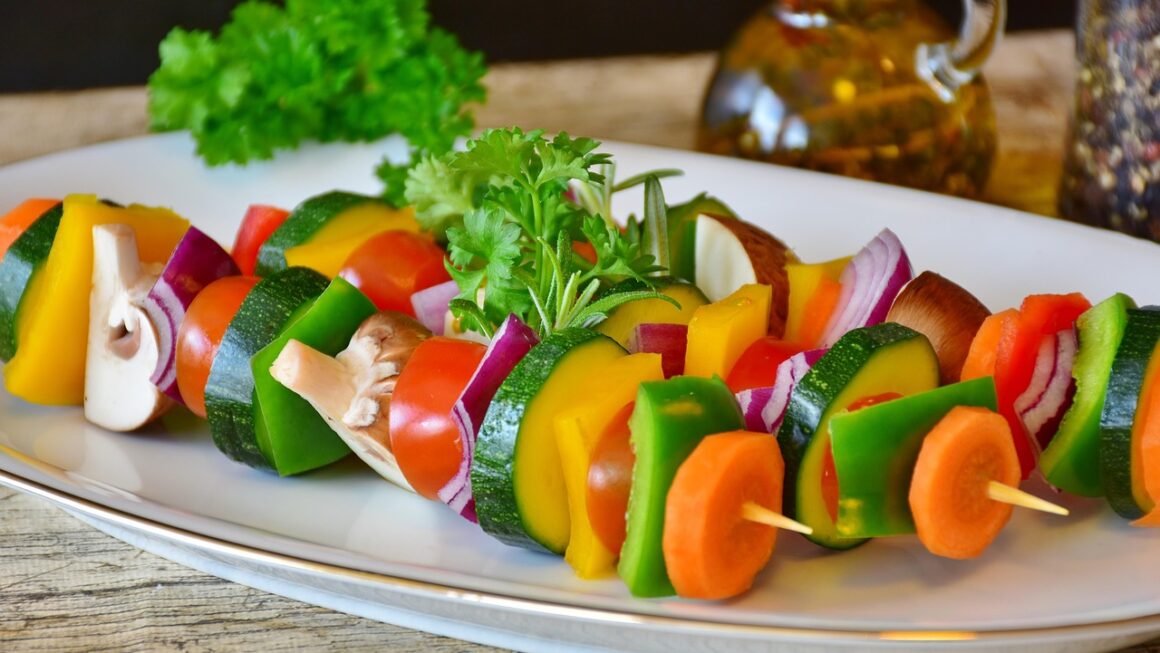
- Vegetable Sticks with Low Sodium Dip: Carrot sticks, cucumber slices, bell pepper strips with homemade hummus (easy to control salt) or a plain Greek yogurt dip (mixed with herbs).
- Unsalted Nuts & Seeds: A small handful of almonds, walnuts, or pumpkin seeds provides healthy fats and protein.
- Plain Popcorn: Air-popped popcorn, seasoned with nutritional yeast, chili powder, or herbs instead of salt.
- Hard-Boiled Eggs: A quick protein boost.
The Importance of Hydration
Often overlooked, adequate hydration is crucial for seniors, as the sensation of thirst can diminish with age.
- Water is Best: Aim for 6-8 glasses of plain water daily, unless otherwise advised by your doctor.
- Infused Water: Add slices of cucumber, lemon, lime, or berries to water for a refreshing, flavor boost without sugar or sodium.
- Herbal Teas: Caffeine-free herbal teas can contribute to your fluid intake.
Actionable Takeaway: Keep a water bottle handy throughout the day and pre-portion healthy snacks to avoid reaching for high-sodium convenience foods when hunger strikes.
Conclusion
Embracing an easy low sodium diet for seniors is a powerful step towards better health, greater vitality, and a more flavorful life. By understanding the “why,” stocking your kitchen with smart staples, and incorporating simple, delicious recipes, you can enjoy meals that are both nourishing and satisfying. Remember, reducing sodium doesn’t mean compromising on taste; it simply means exploring new avenues of flavor through herbs, spices, and fresh ingredients. Consult with your healthcare provider or a dietitian to tailor these suggestions to your specific needs, and embark on this journey to a healthier, happier you!