The daily quest to feed hungry little ones can feel like an Olympic sport. Between busy schedules, varying appetites, and the ever-present “I don’t like it!”, finding meals that are both easy to prepare and genuinely loved by kids is the holy grail for many parents. But what if we told you it doesn’t have to be a battle? This comprehensive guide is dedicated to unlocking the secrets of stress-free cooking, offering a treasure trove of easy meals kids love that will simplify your weeknights and bring joy back to the family dinner table. Get ready to transform mealtime from a chore into a cherished family experience.
Understanding Your Little Food Critics
Before diving into specific recipes, it’s crucial to understand the unique challenges and opportunities that come with feeding children. Tailoring your approach can make all the difference in creating kid-friendly recipes that truly hit the mark.
The Picky Eater Phenomenon
Picky eating is a common phase for many children, often stemming from developmental stages like neophobia (fear of new foods) or heightened sensory sensitivities. It’s rarely a reflection of your cooking skills.
- Why kids get picky: Toddlers and preschoolers are exploring their independence, and food can become a battleground. Their taste buds are also more sensitive than adults’, making strong flavors overwhelming.
- Patience is paramount: It can take 10-15 exposures for a child to accept a new food. Don’t give up after the first refusal!
- Avoid food battles: Forcing children to eat can create negative associations with food and mealtime. Focus on offering a variety and letting them decide how much to eat.
Actionable Takeaway: Remember that picky eating is often a normal developmental stage. Focus on consistency and positive reinforcement rather than coercion.
Involving Kids in the Kitchen
One of the most effective ways to encourage kids to try new foods is to let them be part of the preparation process. When they have a hand in making a meal, they’re more likely to take ownership and be curious about tasting it.
- Boosts confidence and life skills: Children learn valuable cooking techniques and gain a sense of accomplishment.
- Familiarity breeds acceptance: Seeing ingredients transformed into a meal can demystify unknown foods.
- Age-appropriate tasks:
- Toddlers (1-3 years): Washing produce, stirring ingredients, tearing lettuce.
- Preschoolers (3-5 years): Spreading, pouring, mashing, using cookie cutters.
- School-aged kids (6+ years): Measuring, chopping with supervision, simple baking, reading recipes.
Actionable Takeaway: Next time you’re cooking, invite your child to be your little helper. Even simple tasks can make them feel invested in the meal.
Breakfast & Lunch: Starting and Staying Strong
These crucial meals set the tone for the day and fuel learning and play. Keeping them easy, nutritious, and appealing is key.
Quick & Healthy Breakfast Ideas
Mornings are often a rush, but a nutritious breakfast is non-negotiable. These ideas are fast and packed with goodness.
- Overnight Oats: Combine rolled oats, milk (dairy or non-dairy), chia seeds, and fruit in a jar the night before. Kids love adding their own toppings like berries, nuts, or a drizzle of maple syrup.
- Smoothie Power-Ups: Blend fruit (berries, banana), a handful of spinach (kids won’t taste it!), Greek yogurt, and milk. A quick and easy way to pack in vitamins and protein.
- Whole-Wheat Toast Creations: Beyond butter, try avocado toast, cream cheese with cucumber slices, or a sprinkle of cinnamon sugar.
- Mini Egg Muffins: Whisk eggs with chopped veggies and cheese, pour into muffin tins, and bake. Perfect for grab-and-go breakfasts throughout the week.
Actionable Takeaway: Prep breakfast components the night before to save precious morning minutes. Think ahead for quick morning meals.
Lunchbox Heroes & At-Home Delights
Whether packing for school or serving at home, these lunch ideas are crowd-pleasers.
- Deconstructed “Lunchables”: A healthier, customizable version with whole-wheat crackers, cheese slices, turkey or ham, and fruit/veggie sticks.
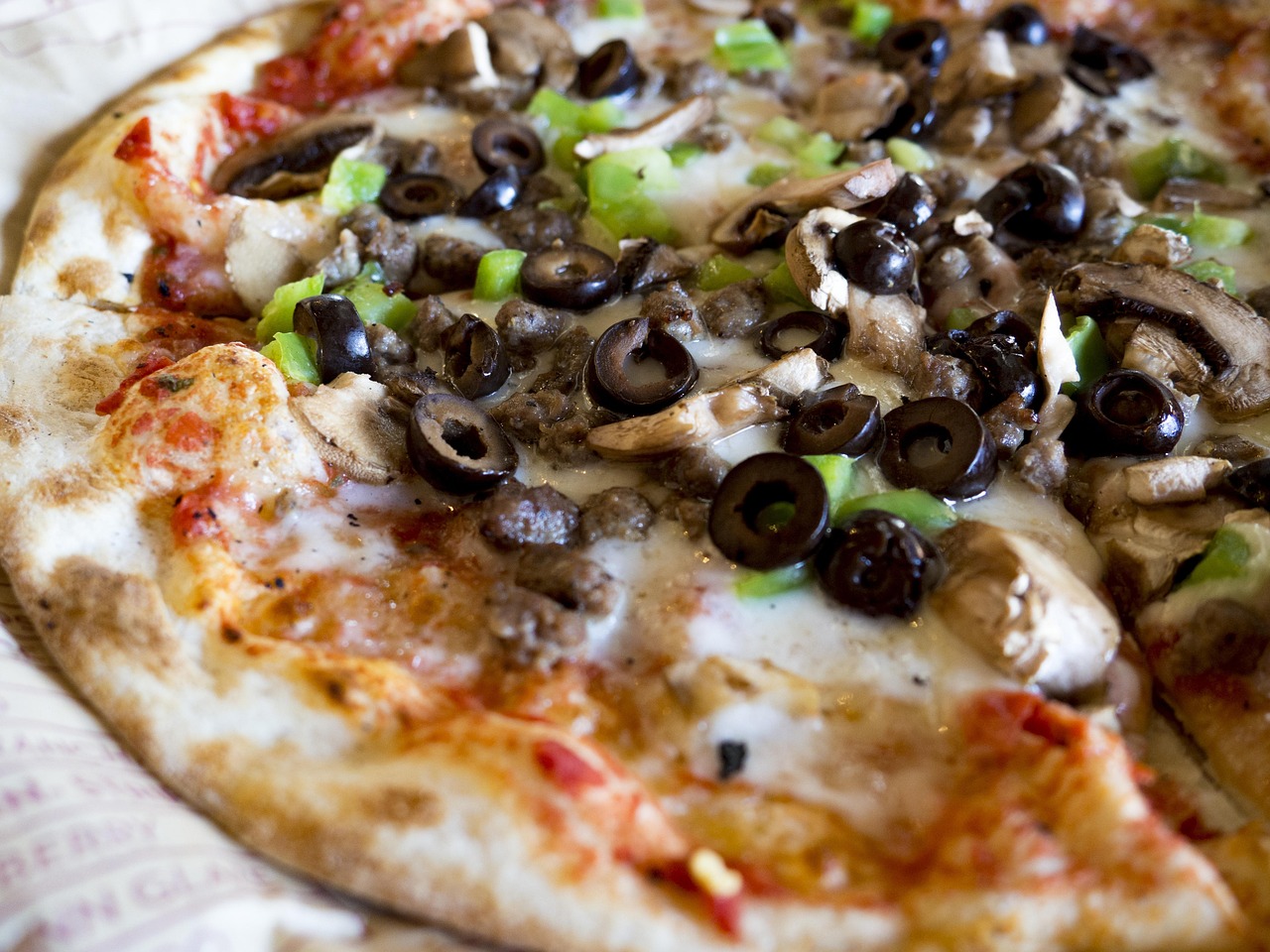
- Mini Pizzas: Use whole-wheat pita bread, English muffin halves, or tortillas as a base. Let kids add sauce, cheese, and their favorite toppings.
- Quesadillas with a Twist: Fill tortillas with cheese, black beans, corn, or shredded chicken. Serve with salsa or guacamole.
- Pasta Salad: Cooked pasta, cherry tomatoes, cucumbers, mini mozzarella balls, and a light vinaigrette. Great for making a big batch.
Actionable Takeaway: Invest in a good bento box. The visual appeal of separated foods can encourage kids to try everything in their lunch.
Dinner Time Wins: Easy & Delicious Weeknight Meals
Weeknights demand efficiency without compromising on taste or nutrition. These strategies and recipes are perfect for busy families looking for kid-approved dinners.
One-Pan Wonders & Sheet Pan Dinners
The ultimate solution for minimal cleanup and maximum flavor. These easy weeknight dinners are a game-changer.
- Sheet Pan Chicken & Veggies: Toss chopped chicken breast (or sausages), broccoli florets, bell peppers, and sweet potato cubes with olive oil and your favorite spices (paprika, garlic powder, oregano). Roast at 400°F (200°C) until cooked through.
- Salmon & Asparagus: A surprisingly kid-friendly option. Season salmon fillets and asparagus spears, roast on a sheet pan. A squeeze of lemon juice brightens the flavors.
- Sausage & Peppers: Italian sausage (chicken or pork) with sliced bell peppers and onions, roasted until tender and slightly caramelized. Serve with a side of rice or crusty bread.
Actionable Takeaway: Line your sheet pans with parchment paper for even easier cleanup!
Classic Comforts with a Healthy Twist
Sometimes, the best approach is to take familiar, well-loved dishes and make them a little healthier. These healthy family recipes are packed with flavor kids will love.
- Hidden Veggie Mac and Cheese: Blend cooked butternut squash or cauliflower into your cheese sauce. Kids get their favorite comfort food with a boost of vitamins. Use whole-wheat pasta for added fiber.
- Healthier “Chicken Nuggets”: Coat chicken breast pieces in seasoned whole-wheat breadcrumbs (or crushed cornflakes) and bake them instead of frying. Serve with a variety of dips.
- Simple Pasta Dishes:
- Broccoli Pesto Pasta: Blend steamed broccoli into store-bought or homemade pesto for a vibrant, nutritious sauce.
- Meatball & Marinara: Use lean ground meat for meatballs and a low-sugar marinara sauce.
- DIY Tacos/Burrito Bowls: Set out components like seasoned ground beef or chicken, shredded lettuce, cheese, salsa, sour cream, and tortillas/rice. Kids love building their own meals.
Actionable Takeaway: Focus on familiar flavors and textures. Kids are more likely to accept a healthy ingredient if it’s integrated into a dish they already know and love.
Snack Smarts & Hydration Habits
Snacks are essential for children’s energy levels and nutrient intake, and hydration is often overlooked. Smart choices here can make a big difference.
Fueling Little Bodies: Smart Snack Choices
Opt for snacks that combine protein, fiber, and healthy fats to keep kids full and energized between meals.
- Fruit & Nut Butter: Sliced apples or bananas with peanut butter (or other nut/seed butter).
- Greek Yogurt Parfaits: Layer plain Greek yogurt with berries and a sprinkle of granola.
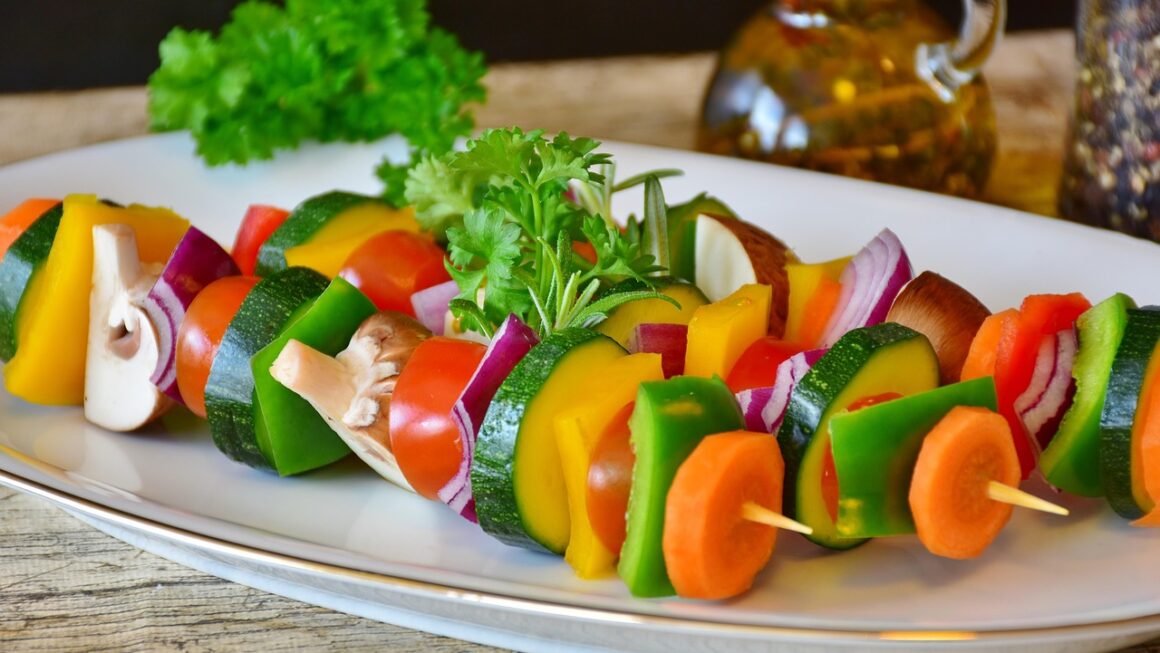
- Veggies & Dip: Carrot sticks, cucumber slices, or bell pepper strips with hummus or a yogurt-based dip.
- Homemade Trail Mix: A mix of whole-grain cereal, pretzels, dried fruit, and a few chocolate chips.
- Hard-Boiled Eggs: A quick and easy source of protein.
Actionable Takeaway: Keep a “snack station” with pre-portioned healthy options in the fridge or pantry for easy access.
Making Hydration Fun
Water is vital for children’s health, but plain water can sometimes be a hard sell. Get creative!
- Fun Water Bottles: Let kids pick out their own water bottle with their favorite characters or colors.
- Fruit-Infused Water: Add slices of cucumber, lemon, lime, or berries to a pitcher of water.
- Ice Cubes: Fun-shaped ice cubes or ice cubes made from diluted fruit juice can make water more appealing.
- “Water Challenges”: Make it a game to see who can finish their water bottle by a certain time.
Actionable Takeaway: Always have water readily available and visible for your children. Lead by example by drinking plenty of water yourself.
Strategies for Success: Beyond the Recipe
While delicious recipes are a great start, consistent success with feeding children often comes down to clever strategies and a positive mealtime environment.
The Power of Presentation
Kids eat with their eyes! Making food visually appealing can significantly increase their willingness to try it.
- Color and Variety: Aim for a colorful plate. Different colors often mean different nutrients.
- Fun Shapes: Use cookie cutters to make sandwiches, cheese, or even vegetables into stars, hearts, or dinosaurs.
- Bento Boxes: Separate compartments can make meals look organized and exciting.
- “Dip Stations”: Offer a variety of dips (ketchup, hummus, ranch, yogurt dip) with plain foods like chicken strips or veggie sticks.
Actionable Takeaway: Dedicate a few extra minutes to making the plate look appealing. It can pay off in fewer mealtime struggles.
The “One New Bite” Rule
Introducing new foods should be a low-pressure experience. The “one new bite” rule encourages exploration without demanding perfection.
- Offer, Don’t Force: Place a small portion of a new food on their plate alongside familiar favorites.
- The “No Thank You” Bite: Explain that they just need to try one bite. If they genuinely don’t like it, they can say “no thank you” and don’t have to eat more.
- Be a Role Model: Let your child see you enjoying a variety of foods. Their eating habits are heavily influenced by yours.
- Eat Together: Family meals are vital. Children who eat regularly with their families tend to have healthier diets and better academic performance.
Actionable Takeaway: Consistency and a positive environment at the dinner table are more effective than strict rules or pressure.
Conclusion
Creating easy meals kids love doesn’t have to be a daunting task. By embracing simple strategies like involving kids in the kitchen, making smart ingredient swaps, and focusing on appealing presentation, you can transform mealtime into a more enjoyable and less stressful part of your day. Remember that patience, consistency, and a little creativity are your best allies. With these kid-friendly recipes and tips, you’re well-equipped to navigate the world of picky eaters and foster healthy eating habits that will last a lifetime. Happy cooking!