Pasta often gets a bad rap, associated with heavy, calorie-laden dishes that derail healthy eating goals. But what if we told you that your favorite comfort food can be a cornerstone of a balanced, nutritious diet? It’s time to reclaim pasta as a versatile, wholesome ingredient. Forget the guilt and embrace the delicious possibilities of easy, healthy pasta meals. With a few smart choices and simple techniques, you can transform ordinary pasta into a vibrant, nutrient-packed dish that’s both satisfying and good for you.
The Truth About Pasta: A Healthy Foundation
Before diving into recipes, let’s understand why pasta can be a healthy choice. Pasta itself, especially certain varieties, provides complex carbohydrates, which are essential for sustained energy. The key lies in selecting the right kind of pasta and practicing portion control.
Choosing the Right Pasta
- Whole Wheat Pasta: This is your primary healthy upgrade. Whole wheat pasta retains the bran and germ of the wheat kernel, making it rich in fiber, B vitamins, and minerals like iron and magnesium. The fiber content helps with satiety and digestive health.
- Lentil or Chickpea Pasta: For an extra protein and fiber boost, or for gluten-free options, explore pasta made from legumes. These varieties often have a lower glycemic index and a denser nutritional profile, making them incredibly satisfying.
- Vegetable Pasta (e.g., Spinach or Beetroot Pasta): While these may contain some added vegetable powder, their primary benefit usually comes from color and a slight flavor variation rather than a significant increase in vegetable intake. Always check ingredients.
Actionable Takeaway: Opt for whole wheat pasta as your default. If you’re looking to boost protein or go gluten-free, legume-based pastas are excellent choices.
Portion Control is Key
Even the healthiest pasta can become unhealthy if consumed in excessively large portions. A standard serving of dry pasta is typically 2 ounces (about ½ cup cooked). While this might seem small, remember that pasta meals are usually complemented by nutrient-rich sauces, vegetables, and proteins, which collectively create a fulfilling meal.
- Visual Cues: A good rule of thumb for dry pasta is about the size of a cupped hand or a tennis ball when cooked.
- Balance: Aim for a plate where pasta takes up about 1/4 to 1/3, with the rest filled by vegetables and lean protein.
Actionable Takeaway: Be mindful of your pasta portions. A balanced plate is your best guide to enjoying healthy pasta without overdoing it.
Smart Sauce Choices for Nutrient Powerhouses
The sauce is where many pasta dishes go wrong, becoming overloaded with heavy creams, excessive cheese, and unhealthy fats. But it’s also where you can pack in incredible flavor and nutrition.
Tomato-Based Sauces
Marinara, arrabbiata, and puttanesca are fantastic starting points. They are naturally low in calories and fat (when made correctly) and rich in antioxidants, especially lycopene, which is enhanced when tomatoes are cooked.
- Look for: Low-sodium, no-sugar-added varieties if buying pre-made. Better yet, make your own simple sauce from crushed tomatoes, garlic, onion, and herbs.
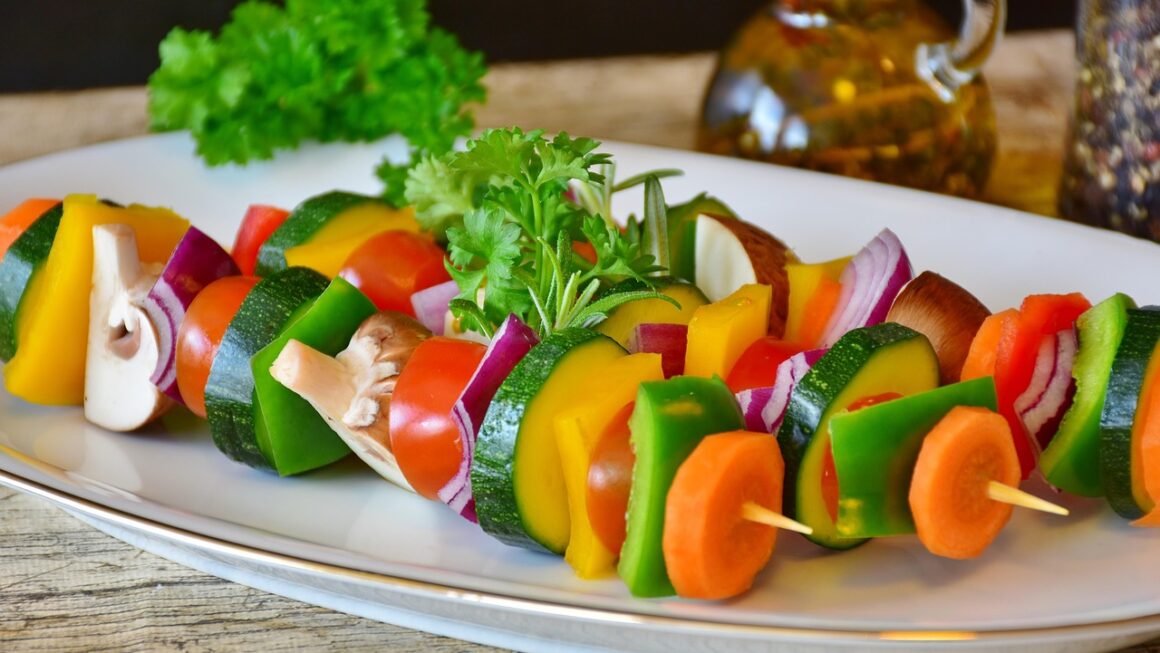
- Boost with: Sautéed vegetables like bell peppers, zucchini, carrots, or mushrooms.
- Example: A quick marinara sauce simmered with fresh basil and a pinch of red pepper flakes is both simple and deeply flavorful.
Pesto Power
Traditional pesto, made with fresh basil, pine nuts, garlic, Parmesan, and olive oil, offers healthy fats and vibrant flavor. While higher in calories, a little goes a long way.
- Homemade vs. Store-bought: Homemade allows you to control the quality of ingredients and reduce sodium. If buying store-bought, check the ingredients for excessive oils or fillers.
- Alternative Pestos: Experiment with spinach, kale, arugula, or even sun-dried tomato pesto to vary flavors and nutrients. Walnuts or almonds can replace pine nuts.
Creamy, Lighter Alternatives
Craving creamy pasta without the heavy cream? There are excellent substitutions.
- Greek Yogurt: Mix plain Greek yogurt with a little pasta water, lemon juice, and herbs for a tangy, protein-rich sauce.
- Silken Tofu: Blended silken tofu creates an incredibly smooth, dairy-free creamy base.
- Blended Vegetables: Cooked and blended cauliflower, butternut squash, or sweet potato can create surprisingly creamy and flavorful sauces, adding a hidden boost of vegetables.
Actionable Takeaway: Prioritize vegetable-rich, low-sugar tomato sauces and mindful use of pesto. Explore innovative ways to achieve creaminess using healthier alternatives.
Veggie-Packed Pasta: Maximizing Flavor & Nutrition
This is arguably the easiest and most impactful way to make your pasta meals healthier. Filling your plate with a rainbow of vegetables adds essential vitamins, minerals, fiber, and antioxidants, while naturally reducing the relative proportion of pasta.
Color Your Plate
The more colors you include, the wider the spectrum of nutrients you’re getting. Aim for at least 2-3 different vegetables in every pasta dish.
- Fiber & Satiety: Vegetables are packed with fiber, which aids digestion, helps you feel full longer, and can contribute to stable blood sugar levels.
- Vitamins & Minerals: Each vegetable brings its unique nutritional profile – Vitamin C from bell peppers, Vitamin K from greens, potassium from mushrooms, etc.
Easy Veggie Additions
Incorporating vegetables into your pasta can be incredibly simple, often requiring minimal extra cooking time.
- Roasted Vegetables: Toss broccoli florets, bell peppers, zucchini, cherry tomatoes, or asparagus with olive oil, salt, and pepper, then roast until tender-crisp. They develop a delicious sweetness and char.
- Sautéed Greens: Quickly sauté spinach, kale, Swiss chard, or arugula with garlic. They wilt down significantly, so don’t be shy with the quantity. Add them to your sauce or directly to the cooked pasta.
- Fresh Additions: Stir in fresh cherry tomatoes (halved), chopped cucumber, or a handful of fresh arugula or basil at the very end for a burst of freshness and crunch.
- Frozen Veggies for Convenience: Keep frozen peas, corn, or mixed vegetables on hand. They can be added directly to the pasta water during the last few minutes of cooking or thawed and tossed into your sauce.
Actionable Takeaway: Make vegetables the star of your pasta dish. Aim to fill at least half your plate with a vibrant mix of roasted, sautéed, or fresh veggies to boost nutrients and satisfaction.
Lean Protein Pairings for Satiety
Adding a source of lean protein transforms a carb-heavy dish into a complete, balanced meal. Protein helps build and repair tissues, and like fiber, it contributes significantly to satiety, preventing those post-pasta hunger pangs.
Chicken & Turkey
These lean meats are classic choices for pasta dishes.
- Grilled or Shredded Chicken Breast: Cook ahead of time and slice or shred to toss into your pasta.
- Ground Chicken or Turkey: Sauté with herbs and spices and mix into your tomato sauce for a hearty Bolognese-style dish.
Fish & Seafood
Seafood offers a quick-cooking protein option, often packed with omega-3 fatty acids beneficial for heart and brain health.
- Shrimp: Cooks in minutes and pairs beautifully with light sauces, pesto, or lemon-garlic preparations.
- Canned Tuna or Salmon: A pantry staple for quick, no-cook protein. Mix into a simple pasta salad or toss with olive oil, lemon, and capers.
- White Fish (Cod, Tilapia): Flakes easily and can be gently poached or baked, then added to pasta.
Plant-Based Proteins
For vegetarian or vegan options, or simply to diversify your protein sources, plant-based proteins are excellent.
- Chickpeas & Lentils: High in fiber and protein, they absorb flavors well. Add cooked lentils to marinara sauce or roasted chickpeas to a veggie pasta.
- Black Beans & Kidney Beans: Great in Tex-Mex inspired pasta dishes.
- Edamame: Offer a vibrant green color and a complete protein source.
- Tofu & Tempeh: Can be baked, pan-fried, or crumbled and seasoned to mimic ground meat textures.
Actionable Takeaway: Incorporate lean protein like chicken, fish, or plant-based options such as lentils and chickpeas to ensure your pasta meal is balanced and satisfying.
Quick & Easy Healthy Pasta Meal Ideas
Let’s put it all together with some practical, easy healthy pasta recipes that you can whip up any night of the week.
Mediterranean Delight Pasta
A fresh, vibrant dish bursting with flavors of the Mediterranean.
- Ingredients: Whole wheat penne, cherry tomatoes (halved), Kalamata olives (pitted and halved), crumbled feta cheese, fresh spinach, olive oil, garlic (minced), dried oregano, lemon juice, salt, and pepper.
- How to:
- Cook pasta according to package directions. Reserve ½ cup pasta water.
- While pasta cooks, gently sauté garlic in olive oil for 1 minute.
- Drain pasta and toss with the sautéed garlic and olive oil.
- Stir in cherry tomatoes, olives, spinach (it will wilt), oregano, lemon juice, feta, salt, and pepper. Add a splash of reserved pasta water if needed for desired consistency.
Speedy Pesto Chicken & Veggie Pasta
Utilizes pre-cooked ingredients for a lightning-fast meal.
- Ingredients: Whole wheat fusilli, pre-cooked rotisserie chicken (shredded), pesto, broccoli florets (fresh or frozen), sun-dried tomatoes (chopped), Parmesan cheese (optional).
- How to:
- Cook pasta. If using fresh broccoli, add it to the pasta water during the last 3-4 minutes of cooking. If using frozen, add to pasta water for the last 2 minutes.
- Drain pasta and broccoli.
- Toss pasta, broccoli, shredded chicken, sun-dried tomatoes, and pesto until well combined.
- Serve immediately, topped with a sprinkle of Parmesan if desired.
Hearty Lentil Marinara
A satisfying, plant-forward meal that feels robust and comforting.
- Ingredients: Whole wheat spaghetti, jarred marinara sauce (low-sodium, no sugar added), cooked lentils (canned, rinsed), onion (diced), carrot (diced), celery (diced), olive oil, Italian seasoning, fresh parsley (chopped).
- How to:
- Sauté diced onion, carrot, and celery in olive oil until softened (5-7 minutes).
- Add marinara sauce, cooked lentils, and Italian seasoning. Simmer for 10-15 minutes to allow flavors to meld.
- Cook pasta.
- Serve marinara over pasta, garnished with fresh parsley.
Creamy Avocado & Shrimp Pasta
A surprisingly rich and flavorful sauce made from healthy fats.
- Ingredients: Whole wheat linguine, ripe avocado, lemon juice, garlic (minced), shrimp (peeled and deveined), cherry tomatoes (halved), olive oil, red pepper flakes (optional), fresh cilantro or basil.
- How to:
- Cook pasta.
- While pasta cooks, make the sauce: In a food processor, blend avocado, lemon juice, minced garlic, and a splash of pasta water until smooth and creamy. Season with salt and pepper.
- Sauté shrimp in a pan with a little olive oil until pink and cooked through (3-5 minutes).
- Drain pasta, reserving some pasta water. Toss pasta immediately with the avocado sauce, adding a little pasta water if needed to reach desired consistency.
- Stir in cooked shrimp, cherry tomatoes, and red pepper flakes (if using). Garnish with fresh herbs.
Actionable Takeaway: Don’t be afraid to experiment with these quick healthy pasta recipes, customizing them with your favorite vegetables and proteins for endless variations.
Conclusion
Pasta doesn’t have to be a forbidden pleasure. By making smart choices—opting for whole grains, loading up on vegetables, choosing lean proteins, and crafting lighter sauces—you can enjoy delicious, easy healthy pasta meals that nourish your body and satisfy your cravings. Embrace the versatility of pasta as a canvas for a myriad of wholesome ingredients. So go ahead, boil up some noodles, get creative with your toppings, and rediscover the joy of guilt-free pasta dishes tonight!