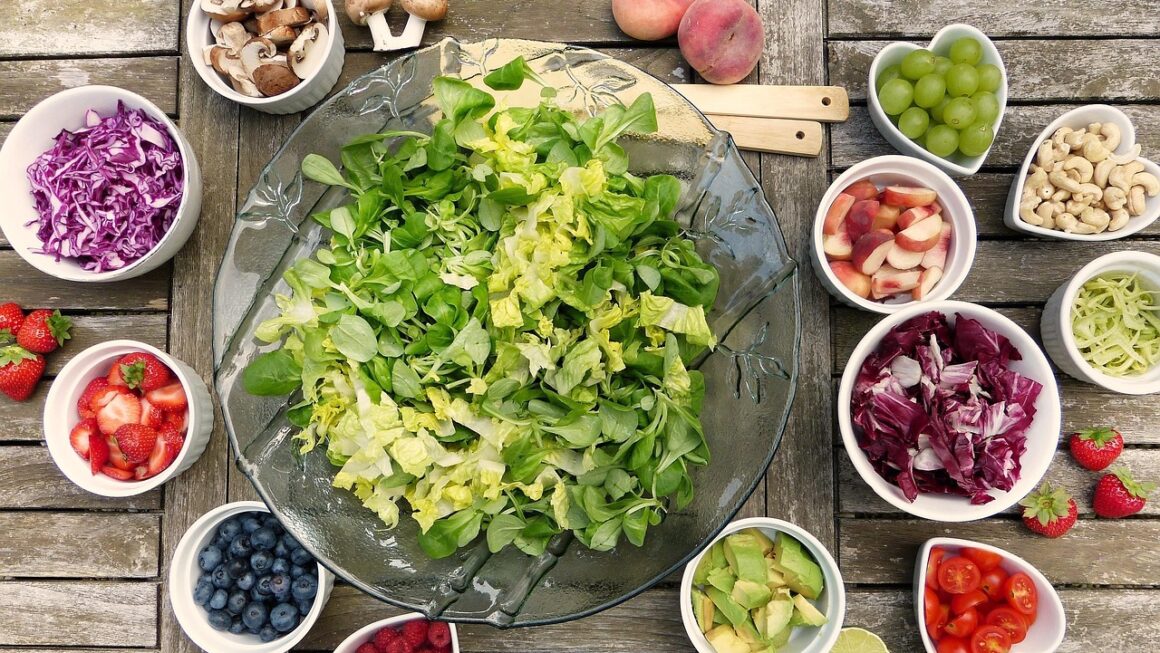

Ever thought it was impossible to combine the ethical, plant-powered principles of veganism with the fat-burning benefits of a ketogenic diet? Think again! The vegan keto meal plan is a revolutionary approach that merges the best of both worlds, offering a unique path to health, vitality, and sustainable living. If you’re looking to optimize your well-being, achieve sustainable weight management, and embrace a low-carb, high-fat lifestyle entirely from plants, you’ve landed in the right place. This comprehensive guide will demystify plant-based keto, providing you with the knowledge and tools to embark on a fulfilling and delicious journey.
Understanding Vegan Keto: A Powerful Combination
What is Vegan Keto?
At its core, a ketogenic diet (keto) is characterized by a very low intake of carbohydrates, moderate protein, and a high intake of healthy fats. This macronutrient distribution forces the body to enter a metabolic state called ketosis, where it burns fat for fuel instead of glucose. A vegan keto diet applies these same principles but restricts all animal products, including meat, dairy, eggs, and honey. This means carefully selecting plant-based foods that are naturally low in carbohydrates, rich in healthy fats, and provide adequate protein to support your body’s needs.
Benefits of a Plant-Powered Ketogenic Lifestyle
Adopting a vegan ketogenic diet can unlock a plethora of advantages for your health and the planet. Here are some key benefits:
- Sustainable Weight Management: The high fat and protein content promotes satiety, reducing cravings and leading to potential fat loss.
- Enhanced Energy and Mental Clarity: Shifting to ketones as a primary fuel source often results in stable energy levels and improved cognitive function, bypassing blood sugar spikes and crashes.
- Improved Blood Sugar Control: The very low-carb nature is highly effective in stabilizing blood glucose levels, making it beneficial for individuals managing insulin resistance or type 2 diabetes.
- Reduced Inflammation: Many plant-based, whole foods are rich in antioxidants and anti-inflammatory compounds, which can contribute to overall well-being.
- Ethical and Environmental Impact: Aligning with vegan principles reduces your environmental footprint and promotes animal welfare.
- Potential Gut Health Benefits: A focus on fibrous, whole plant foods can support a diverse and healthy gut microbiome.
Actionable Takeaway: Before diving in, take a moment to understand why you’re choosing this path. Identifying your personal health goals will be a strong motivator throughout your vegan keto meal plan journey.
The Nutritional Pillars: Macronutrients and Essential Foods
Macronutrient Breakdown for Vegan Keto
Achieving ketosis on a plant-based diet requires careful attention to your macronutrient ratios. While individual needs vary, a general guideline for a vegan keto diet typically looks like this:
- Fats: 70-75% of daily calories
- Protein: 20-25% of daily calories
- Carbohydrates: 5-10% of daily calories (usually less than 20-30g net carbs per day)
Remember that “net carbs” are total carbohydrates minus fiber, which is crucial for a plant-based diet rich in fibrous vegetables. Tracking your intake, especially in the beginning, can be incredibly helpful for staying within these ranges.
Approved Vegan Keto Foods: Your Grocery List Essentials
Building a successful low-carb vegan diet starts with stocking your pantry with the right ingredients. Focus on nutrient-dense, low-carb plant foods:
- Healthy Fats:
- Avocado: A powerhouse of healthy monounsaturated fats and potassium.
- Coconut Oil & MCT Oil: Excellent sources of medium-chain triglycerides, which can be quickly converted to ketones.
- Olive Oil: Extra virgin olive oil for dressings and low-heat cooking.
- Nuts (low-carb): Macadamia nuts, pecans, walnuts, almonds (in moderation).
- Seeds: Chia seeds, flax seeds, hemp seeds, pumpkin seeds (great for fiber and omega-3s).
- Nut Butters: Sugar-free almond butter, pecan butter, macadamia butter.
- Protein Sources:
- Tofu & Tempeh: Versatile and excellent sources of complete plant protein.
- Seitan: High in protein, but check carb content as it can vary.
- Edamame: Low-carb soybeans, great for snacks or additions to meals.
- Vegan Protein Powders: Pea protein, hemp protein, pumpkin seed protein (unsweetened).
- Nutritional Yeast: Adds a cheesy flavor and B vitamins.
- Low-Carb Vegetables:
- Leafy Greens: Spinach, kale, lettuce, bok choy, Swiss chard.
- Cruciferous Vegetables: Broccoli, cauliflower, Brussels sprouts, cabbage.
- Other Low-Carb Veggies: Zucchini, asparagus, bell peppers (especially green), mushrooms, green beans.
- Dairy Alternatives (Keto-Friendly):
- Unsweetened Plant Milks: Almond milk, coconut milk, hemp milk (check for added sugars).
- Coconut Cream: For richness in sauces and desserts.
- Vegan Cheeses: Select carefully; many contain starches or higher carb counts.
- Flavor Enhancers:
- Herbs and spices, apple cider vinegar, lemon juice, tamari or coconut aminos, mustard.
Actionable Takeaway: Print out a list of approved foods and use it for your grocery shopping. Prioritize whole, unprocessed plant foods to maximize nutrition and minimize hidden carbs.
Crafting Your Vegan Keto Meal Plan: Practical Daily Examples
A Sample Day on Vegan Keto
To help you visualize what a typical day on a vegan keto meal plan might look like, here’s an example:
Breakfast: Power-Packed Keto Smoothie
- 1 cup unsweetened almond milk
- 1/2 avocado
- 1 scoop unflavored pea or hemp protein powder
- 1 tbsp chia seeds
- Handful of spinach
- Optional: 1 tbsp MCT oil for an extra fat boost
Lunch: Mediterranean Tempeh Salad
- Large bed of mixed greens (spinach, arugula)
- 4 oz baked or pan-fried tempeh, seasoned with herbs and spices
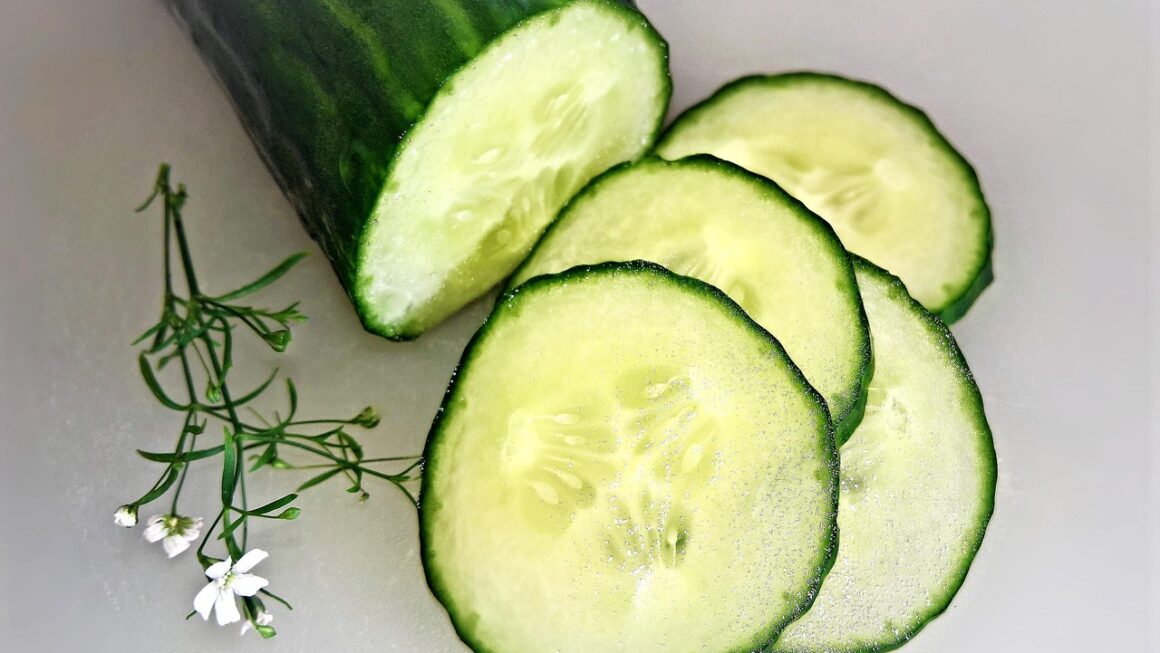
- 1/4 cup chopped cucumbers and bell peppers
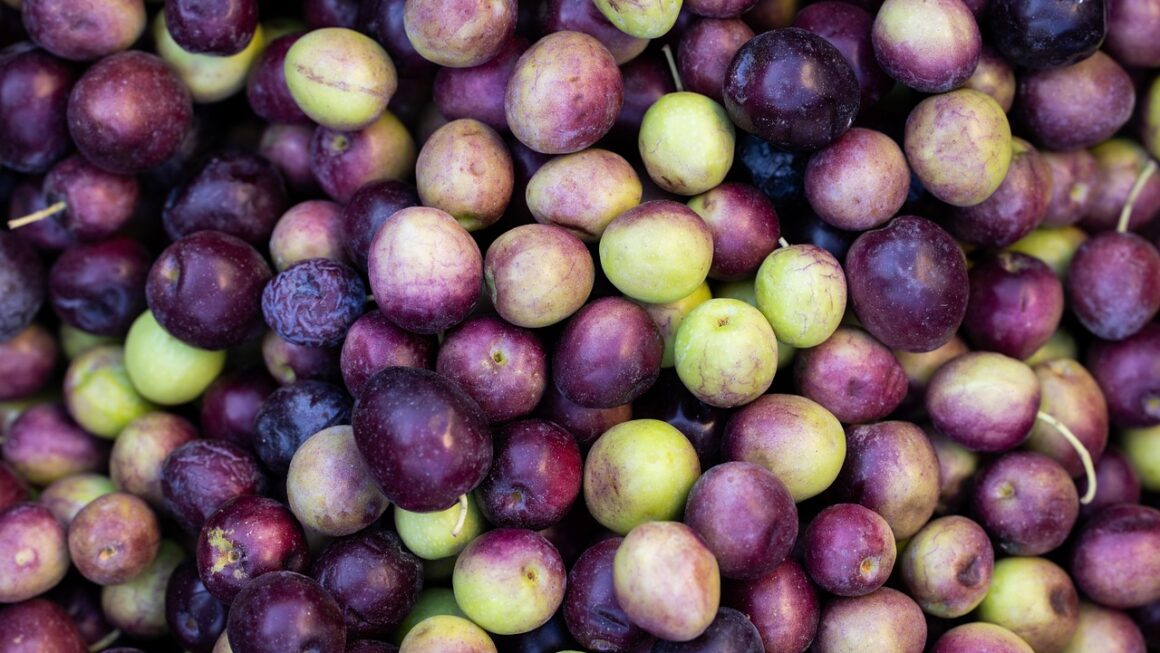
- 1/4 cup kalamata olives
- 2 tbsp olive oil and lemon juice dressing
- Optional: Sprinkle of hemp seeds for extra healthy fats and protein
Dinner: Creamy Coconut Curry with Tofu and Cauliflower Rice
- 5 oz extra-firm tofu, pressed and cubed
- 1 cup cauliflower rice
- 1/2 cup full-fat coconut milk
- Low-carb vegetables like broccoli florets, sliced mushrooms, and green beans
- Curry paste (check for sugar-free) and spices (turmeric, ginger)
- Garnish with fresh cilantro and a drizzle of sesame oil
Snacks:
- A handful of macadamia nuts or pecans
- Celery sticks with sugar-free almond butter
- A small portion of olives
Meal Prep and Planning Strategies
Success on any restrictive diet, especially a vegan ketogenic diet, heavily relies on preparation. Here are some strategies:
- Batch Cook Staples: Prepare large batches of baked tofu or tempeh, roasted low-carb vegetables, and cauliflower rice at the beginning of the week.
- Pre-Portion Snacks: Divide nuts, seeds, and veggie sticks into individual containers for easy grab-and-go options.
- Make Dressings and Sauces: Prepare keto-friendly dressings and sauces in advance to add flavor to meals quickly.
- Plan Your Week: Map out your meals for the entire week, considering your macronutrient goals. This prevents last-minute, carb-heavy choices.
- Keep Emergency Supplies: Always have some keto-friendly vegan snacks on hand for those unexpected hunger pangs or busy days.
Actionable Takeaway: Dedicate an hour or two each week to meal prep. This simple habit will dramatically increase your consistency and enjoyment on your plant-based keto journey.
Navigating Challenges and Ensuring Success
Essential Supplements for Vegan Keto
While a well-planned vegan keto diet can provide many nutrients, some are harder to obtain from plant sources, especially when carb restrictions are in place. Consult with a healthcare professional or registered dietitian before adding any supplements.
- Vitamin B12: Crucial for nerve function and blood cell formation, B12 is not naturally found in plant foods and is a must for all vegans.
- Vitamin D3: Essential for bone health and immune function. Look for vegan D3 derived from lichen.
- Omega-3s (EPA/DHA): While flax and chia provide ALA, direct EPA and DHA from algae oil can be beneficial for heart and brain health.
- Electrolytes: Sodium, potassium, and magnesium are vital, especially in the initial stages of keto, to prevent symptoms of the “keto flu.” Consider an electrolyte supplement or focus on electrolyte-rich foods (avocado, spinach, nuts, seeds).
- Iron: Monitor your iron levels. Incorporate iron-rich plant foods like spinach, lentils (in moderation), and fortified cereals, and pair them with vitamin C for better absorption.
- Zinc: Found in pumpkin seeds, hemp seeds, and lentils, but absorption can sometimes be an issue for vegans.
Overcoming Common Hurdles
Like any dietary change, adopting a vegan keto meal plan can present challenges. Being prepared can make all the difference:
- The “Keto Flu”: This common initial side effect (fatigue, headache, irritability) is often due to electrolyte imbalance and dehydration. Address it by increasing electrolyte intake (sodium, potassium, magnesium) and staying well-hydrated.
- Social Eating & Restaurants: Plan ahead! Check restaurant menus online, communicate your dietary needs clearly, or offer to bring a keto-friendly vegan dish to potlucks.
- Cravings: Cravings, especially for carbs, can be intense initially. Combat them by ensuring you’re consuming enough healthy fats and protein to feel satiated. High-fat snacks like avocado or nuts can help.
- Variety & Boredom: Explore new recipes, spices, and cooking methods. Don’t be afraid to experiment with different approved vegetables and protein sources to keep things interesting.
- Reading Labels: Become a master label reader. Hidden sugars and starches can easily derail your ketosis. Always check net carb counts carefully.
Actionable Takeaway: Proactively address potential nutrient deficiencies with mindful food choices and targeted supplementation. Embrace problem-solving strategies for common hurdles, and remember that consistency is key.
Conclusion
The vegan keto meal plan offers an exciting and effective pathway to optimal health, merging the powerful benefits of ketosis with compassionate, plant-based living. From enhanced energy and mental clarity to sustainable weight management and a reduced environmental footprint, the advantages are compelling. By understanding the core principles, embracing the right foods, and implementing smart meal planning, you can navigate this journey with confidence and enjoyment.
Remember, sustainability is key. Listen to your body, stay hydrated, prioritize whole foods, and consider professional guidance to ensure your plan is nutritionally complete. The world of plant-based keto is rich with delicious possibilities. Are you ready to transform your health and discover the power of a truly integrated lifestyle?