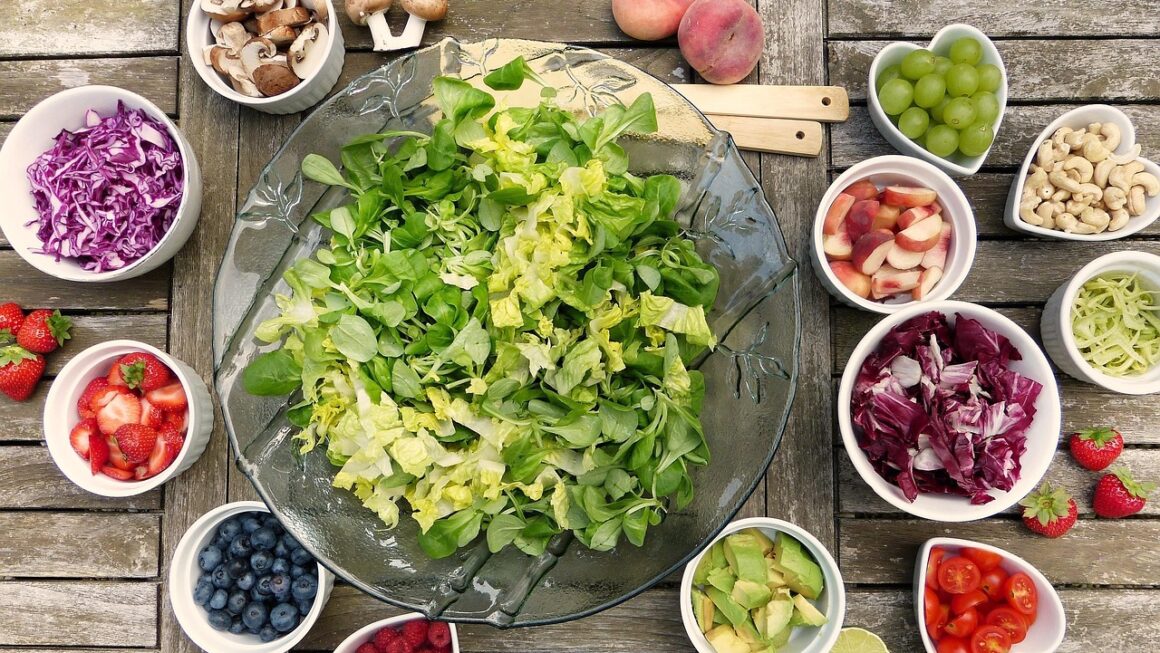
Navigating the world of dietary choices can feel overwhelming, but what if a lifestyle could offer incredible health benefits, ethical alignment, and culinary delight all at once? Enter the realm of gluten-free vegan meals. Far from restrictive, this way of eating is a vibrant celebration of plant-based goodness, free from common allergens like gluten, and packed with flavor and nutrients. Whether you’re managing celiac disease, a gluten sensitivity, looking to explore a plant-based diet, or simply seeking to enhance your well-being, embracing gluten-free vegan dishes opens up a world of delicious possibilities that nourish your body and delight your senses.
Unpacking the Gluten-Free Vegan Lifestyle
Adopting a gluten-free vegan lifestyle means making conscious choices about what you eat, guided by specific health and ethical considerations. It’s a journey that can lead to profound improvements in digestion, energy levels, and overall health.
What Does “Gluten-Free Vegan” Really Mean?
Let’s break down the two core components:
- Gluten-Free: This refers to avoiding all foods containing gluten, a protein found in wheat, barley, rye, and triticale. For individuals with celiac disease, consuming gluten can lead to severe intestinal damage and other health complications. Many others experience non-celiac gluten sensitivity, where gluten causes digestive issues, fatigue, or other symptoms.
- Vegan: A vegan diet excludes all animal products. This means no meat, poultry, fish, dairy (milk, cheese, yogurt), eggs, or honey. The motivations for going vegan are diverse, often including ethical concerns for animal welfare, environmental sustainability, and personal health benefits.
Combining these two means eating a diet entirely free from animal products AND gluten-containing grains. This might sound challenging, but with the right knowledge, it’s incredibly rewarding and delicious.
Why Choose This Path? Motivations and Benefits
People embrace gluten-free vegan meals for a variety of compelling reasons:
- Managing Health Conditions: For those with celiac disease or gluten sensitivity, it’s a medical necessity. Combining this with veganism can further reduce inflammation and support overall gut health.
- Alleviating Allergies and Intolerances: Beyond gluten, many people have sensitivities to dairy or eggs. A vegan diet naturally eliminates these common allergens, leading to improved digestive comfort.
- Ethical and Environmental Concerns: Opting for a plant-based diet significantly reduces one’s environmental footprint and avoids contributing to animal agriculture.
- Boosted Nutrient Intake: A well-planned gluten-free vegan diet is often rich in fiber, vitamins, minerals, and antioxidants, promoting vibrant health. Studies suggest that plant-based diets can lower the risk of heart disease, type 2 diabetes, and certain cancers.
- Weight Management: Many find that a whole-foods, plant-based diet naturally supports healthy weight management due to its high fiber content and nutrient density.
The Abundance of Benefits: Why GF Vegan Thrives
Beyond the initial motivations, a gluten-free vegan lifestyle offers a multitude of tangible benefits that contribute to long-term health and well-being. It’s not just about what you eliminate, but about the nutrient-rich foods you embrace.
Nutritional Powerhouse
Far from being restrictive, a well-planned gluten-free vegan diet is a treasure trove of essential nutrients:
- Rich in Fiber: Plant foods are naturally high in dietary fiber, which is crucial for digestive health, satiety, and maintaining stable blood sugar levels.
- Packed with Vitamins and Minerals: Fruits, vegetables, legumes, nuts, and seeds provide an abundant supply of vitamins (like C, E, K, and many B vitamins) and minerals (such as iron, magnesium, potassium, and zinc).
- Antioxidant-Rich: Plant-based foods are loaded with antioxidants and phytochemicals that help protect your cells from damage, reduce inflammation, and support immune function.
- Healthy Fats: Sources like avocados, nuts, seeds, and olive oil provide essential omega-3 and omega-6 fatty acids, important for brain health, hormone production, and reducing inflammation.
Actionable Takeaway: Focus on consuming a wide variety of colorful fruits and vegetables, legumes, nuts, and seeds daily to maximize your nutrient intake.
Digestive Harmony
For many, adopting gluten-free vegan meals brings profound relief to digestive woes.
- Eliminates Common Irritants: Gluten and dairy are two of the most common dietary culprits for digestive discomfort. Removing them can significantly reduce bloating, gas, stomach pain, and irregular bowel movements.
- Supports a Healthy Gut Microbiome: The high fiber content of plant foods acts as prebiotics, feeding beneficial gut bacteria. A diverse and thriving gut microbiome is linked to improved digestion, enhanced immunity, and even better mood.
- Reduced Inflammation: Both gluten and animal products can be inflammatory for some individuals. A diet centered on whole, unprocessed plant foods tends to be anti-inflammatory, promoting overall digestive ease.
Actionable Takeaway: Listen to your body and notice how eliminating gluten and animal products impacts your digestive comfort. Keep a food diary if needed to track improvements.
Sustainable and Ethical Choices
Beyond personal health, embracing gluten-free vegan meals aligns with broader global concerns.
- Environmental Impact: Plant-based diets generally have a significantly lower environmental footprint than diets heavy in animal products, requiring less land, water, and emitting fewer greenhouse gases.
- Animal Welfare: Choosing vegan meals ensures that your food choices do not contribute to animal farming practices, aligning with ethical principles of compassion for all living beings.
Actionable Takeaway: Educate yourself on the impact of food choices to deepen your commitment and find additional motivation for your lifestyle.
Building Your GF Vegan Pantry: Essential Ingredients
A well-stocked pantry is the secret weapon for effortless gluten-free vegan cooking. Focus on whole, unprocessed ingredients that form the foundation of countless delicious meals.
Gluten-Free Grains & Flours
These provide essential carbohydrates, fiber, and often protein, forming the base of many meals.
- Whole Grains: Quinoa, brown rice, wild rice, millet, certified gluten-free oats, buckwheat, corn (polenta).
- Tip: Always look for “certified gluten-free” labels on oats, as they are often cross-contaminated during processing.
- Gluten-Free Flours: Almond flour, coconut flour, oat flour (certified GF), tapioca flour, arrowroot starch, brown rice flour, sorghum flour, chickpea flour.
- Tip: For baking, experiment with commercial gluten-free all-purpose flour blends for convenience, or create your own with a mix of different flours.
Plant-Based Proteins
Ensuring adequate protein is simple with the vast array of plant-based options.
- Legumes: Black beans, kidney beans, pinto beans, chickpeas, lentils (red, green, brown), edamame.
- Tip: Keep canned beans on hand for quick meals, but soaking and cooking dried beans can be more cost-effective and allow for better digestion.
- Soy Products: Tofu (firm, extra-firm, silken), tempeh.
- Tip: Press tofu to remove excess water before cooking for a firmer texture. Marinate both tofu and tempeh for enhanced flavor.
- Nuts & Seeds: Almonds, cashews, walnuts, pumpkin seeds, sunflower seeds, chia seeds, flax seeds, hemp seeds.
- Tip: Add nuts and seeds to salads, smoothies, or use them to make creamy sauces and dressings.
- Protein-Rich Vegetables: Broccoli, spinach, asparagus, peas, mushrooms.
Healthy Fats & Flavor Enhancers
These ingredients add richness, satiety, and depth of flavor to your dishes.
- Healthy Oils: Extra virgin olive oil, avocado oil, coconut oil.
- Avocados: Excellent source of healthy fats and creaminess.
- Nut Butters: Almond butter, peanut butter, cashew butter (ensure no added sugars or oils).
- Herbs & Spices: A diverse collection is crucial for flavor. Think cumin, coriander, turmeric, paprika, oregano, basil, thyme, garlic powder, onion powder.
- Nutritional Yeast: Provides a cheesy, umami flavor, along with B vitamins.
- Tamari: A gluten-free alternative to soy sauce.
- Vinegars & Citrus: Apple cider vinegar, balsamic vinegar, lime juice, lemon juice for brightness.
Abundant Fruits & Vegetables
These are the stars of any healthy diet and should make up the bulk of your plate.
- Leafy Greens: Spinach, kale, collard greens, mixed greens.
- Root Vegetables: Sweet potatoes, carrots, beets, potatoes.
- Cruciferous Vegetables: Broccoli, cauliflower, Brussels sprouts.
- Seasonal Fruits: Berries, apples, bananas, oranges, grapes – whatever is fresh and in season.
Actionable Takeaway: Gradually stock your pantry, focusing on versatile staples first. Keep a running list of items you use frequently and replenish them when they run low.
Mastering GF Vegan Meal Planning & Preparation
With a well-stocked pantry, the next step is to make your gluten-free vegan journey smooth and sustainable. Effective meal planning and smart preparation can save you time, reduce stress, and ensure you’re always nourished.
Smart Planning Strategies
Don’t just wing it! A little planning goes a long way.
- Weekly Meal Outline: Take 15-30 minutes each week to plan your meals. Consider your schedule and how much time you have for cooking each day.
- Create a Shopping List: Based on your meal plan, make a detailed grocery list. Stick to it at the store to avoid impulse buys and ensure you have all necessary ingredients.
- Batch Cooking: Dedicate a few hours on a weekend to prepare staples.
- Cook a large batch of quinoa or brown rice.
- Roast a pan of mixed vegetables (broccoli, sweet potatoes, bell peppers).
- Wash and chop fresh greens.
- Prepare a batch of lentil soup or chili.
- Theme Nights: Assign themes to make planning fun (e.g., “Taco Tuesday,” “Stir-fry Friday,” “Soup Sunday”). Ensure your recipes are always gluten-free vegan.
Actionable Takeaway: Start with planning just 3-4 meals per week and gradually build up as you gain confidence. Use online resources and recipe blogs for inspiration.
Tips for Eating Out
Dining out doesn’t have to be a challenge for gluten-free vegans. With a little preparation, you can enjoy restaurant meals too.
- Research Restaurants: Before you go, check restaurant websites for allergen menus or call ahead to speak with the manager or chef about gluten-free vegan options.
- Communicate Clearly: When ordering, clearly state that you are gluten-free AND vegan. Mention specific ingredients to avoid (e.g., “no cheese, no meat, no dairy, no wheat, please ensure no soy sauce with wheat”).
- Look for naturally GF Vegan Options: Many cuisines offer naturally GF vegan dishes. Think Indian curries (ensure no dairy), Mexican (corn tortillas, no cheese/sour cream), or Thai (rice noodles, no fish sauce, no egg).
- Don’t Be Afraid to Ask for Modifications: Many dishes can be adapted. Ask if vegetables can be steamed or grilled with oil instead of butter, or if a dressing can be swapped for oil and vinegar.
Actionable Takeaway: Keep a mental list of your go-to safe restaurant options or dishes that are easily adaptable.
Boosting Nutrient Absorption
While plant-based foods are nutrient-dense, understanding a few principles can help maximize absorption.
- Pair Vitamin C with Iron: Plant-based iron (non-heme iron) is best absorbed when consumed with Vitamin C. Example: Lentil soup with a squeeze of lemon, or spinach salad with bell peppers.
- Soak and Sprout Legumes/Grains: Soaking or sprouting can reduce phytates, compounds that can inhibit mineral absorption, and make foods easier to digest.
- Include Healthy Fats: Fat-soluble vitamins (A, D, E, K) require fat for absorption. Always include a source of healthy fat with meals containing these vitamins (e.g., avocado with a kale salad).
- Diversify Your Diet: Eating a wide range of plant foods ensures you get a broad spectrum of nutrients and compounds that work synergistically.
Actionable Takeaway: Be mindful of nutrient pairings, especially for iron and calcium, to optimize your body’s ability to utilize these essential elements.
Delicious & Diverse: GF Vegan Meal Ideas for Every Palate
Dispelling the myth that gluten-free vegan meals are boring, here are some practical, tasty ideas for every meal of the day.
Breakfast Boosters
- Hearty Oatmeal: Certified gluten-free oats cooked with plant milk (almond, soy, oat), topped with berries, nuts, seeds (chia/flax), and a drizzle of maple syrup.
- Tofu Scramble: Crumbled firm tofu seasoned with turmeric (for color), nutritional yeast (for cheesy flavor), black salt (kala namak for eggy flavor), onions, and bell peppers. Serve with avocado and gluten-free toast or corn tortillas.
- Green Smoothie: Blend spinach or kale with a banana, plant milk, protein powder, and a tablespoon of chia seeds or almond butter.
- Buckwheat Pancakes/Waffles: Use a gluten-free pancake mix or make from scratch with buckwheat flour, serve with fresh fruit and maple syrup.
Lunchtime Delights
- Lentil Soup or Chili: A wholesome, fiber-rich soup or chili packed with vegetables and spices. Pair with gluten-free crackers.
- Quinoa Salad: Cooked quinoa mixed with chopped cucumbers, tomatoes, bell peppers, fresh herbs, chickpeas, and a lemon-tahini dressing.
- Veggie Wraps (GF): Use large lettuce leaves or gluten-free tortillas filled with hummus, shredded carrots, cucumber, bell peppers, and avocado.
- Buddha Bowls: A base of brown rice or quinoa, topped with roasted sweet potatoes, steamed broccoli, black beans, and a creamy peanut or tahini sauce.
Dinner Inspirations
- Chickpea & Spinach Curry: A fragrant, rich curry made with chickpeas, spinach, coconut milk, and aromatic spices, served with brown rice or gluten-free naan.
- Stir-Fry with Tofu/Tempeh: Sautéed mixed vegetables (broccoli, carrots, snow peas) with marinated tofu or tempeh, a gluten-free tamari-ginger sauce, served over rice noodles or brown rice.
- Stuffed Bell Peppers: Bell peppers halved and filled with a mixture of cooked quinoa, black beans, corn, diced tomatoes, and spices, then baked until tender.
- Lentil Loaf: A savory plant-based “meatloaf” made from lentils, oats (certified GF), vegetables, and herbs, served with mashed sweet potatoes and green beans.
Snack Smart
- Fruit & Nut Butter: Apple slices with almond butter.
- Hummus & Veggie Sticks: Carrots, celery, bell peppers with a side of gluten-free hummus.
- Rice Cakes with Avocado: Top gluten-free rice cakes with mashed avocado, a sprinkle of everything bagel seasoning, and red pepper flakes.
- Trail Mix: A blend of nuts, seeds, and dried fruit (ensure no gluten-containing additives).
Actionable Takeaway: Experiment with different cuisines and ingredients. Don’t be afraid to modify existing recipes to fit your gluten-free vegan needs. There’s a world of flavor waiting!
Conclusion
Embracing a gluten-free vegan lifestyle is more than just a diet; it’s a commitment to vibrant health, ethical living, and culinary adventure. From managing sensitive digestive systems and common allergies to supporting animal welfare and environmental sustainability, the benefits are expansive. With a well-stocked pantry, smart meal planning, and an open mind, you’ll discover that gluten-free vegan meals are not only achievable but incredibly delicious and deeply satisfying. So, take the leap, explore the diverse world of plant-based, gluten-free ingredients, and nourish your body with meals that truly make you thrive. Your journey to feeling fantastic starts in your kitchen!