In our fast-paced world, finding time to prepare nutritious meals often feels like an impossible task. We juggle work, family, and personal commitments, leading many of us to reach for convenient, but often unhealthy, takeout options. What if there was a way to consistently put delicious, healthy food on the table with minimal effort? Enter the humble crockpot. This kitchen hero is your secret weapon for creating easy crockpot healthy meals that are packed with flavor, nutrients, and require astonishingly little active cooking time. Say goodbye to dinner dilemmas and hello to a healthier, more relaxed approach to mealtime.
Why Crockpot for Healthy Eating?
The slow cooker isn’t just about convenience; it’s a powerful tool for elevating your healthy eating game. Understanding its core benefits will inspire you to embrace this appliance as a cornerstone of your kitchen.
Unbeatable Convenience
- Set-It-and-Forget-It Simplicity: The ultimate time-saver. Dump ingredients in the morning, and return to a fully cooked meal. This hands-off approach drastically reduces active cooking time.
- Hands-Off Cooking: Allows you to focus on other tasks, whether it’s work, family, or personal well-being, without being chained to the stove.
- Warm Welcome Home: Imagine walking through the door to the inviting aroma of a delicious, home-cooked meal, ready to be served. It transforms the end-of-day rush into a moment of culinary comfort.
- Actionable Takeaway: Plan your crockpot meals for your busiest days to maximize its convenience factor.
Maximizing Nutrition
- Gentle Cooking Preserves Nutrients: The low, slow heat of a crockpot helps to break down tough fibers while retaining more vitamins and minerals that might be lost in high-heat cooking methods.
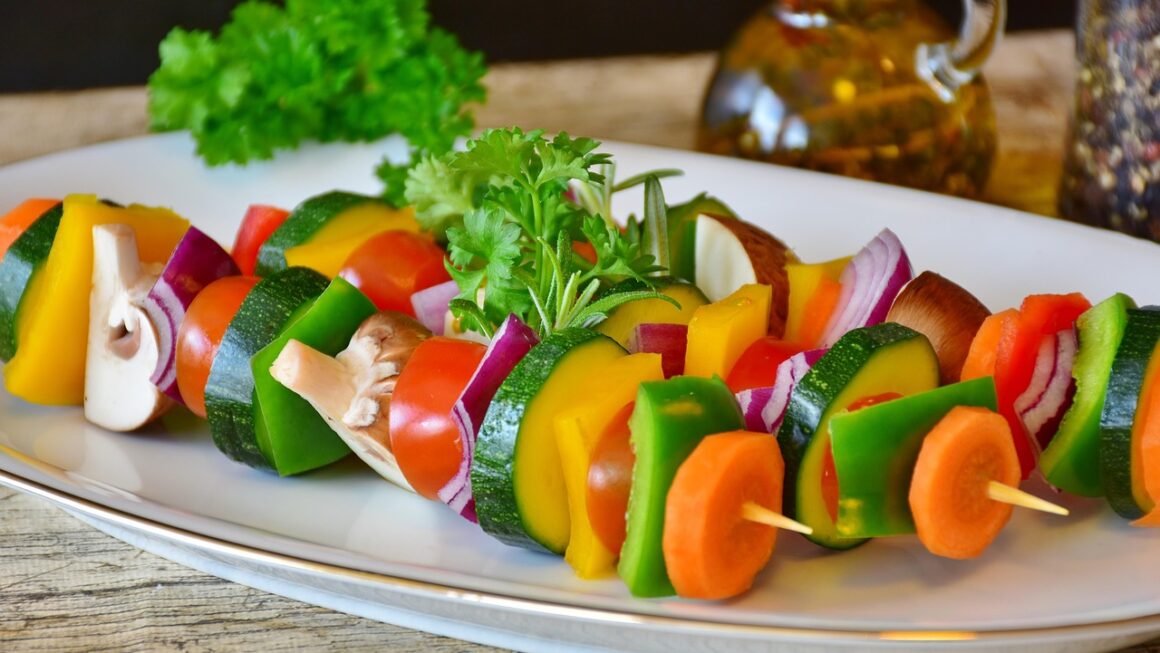
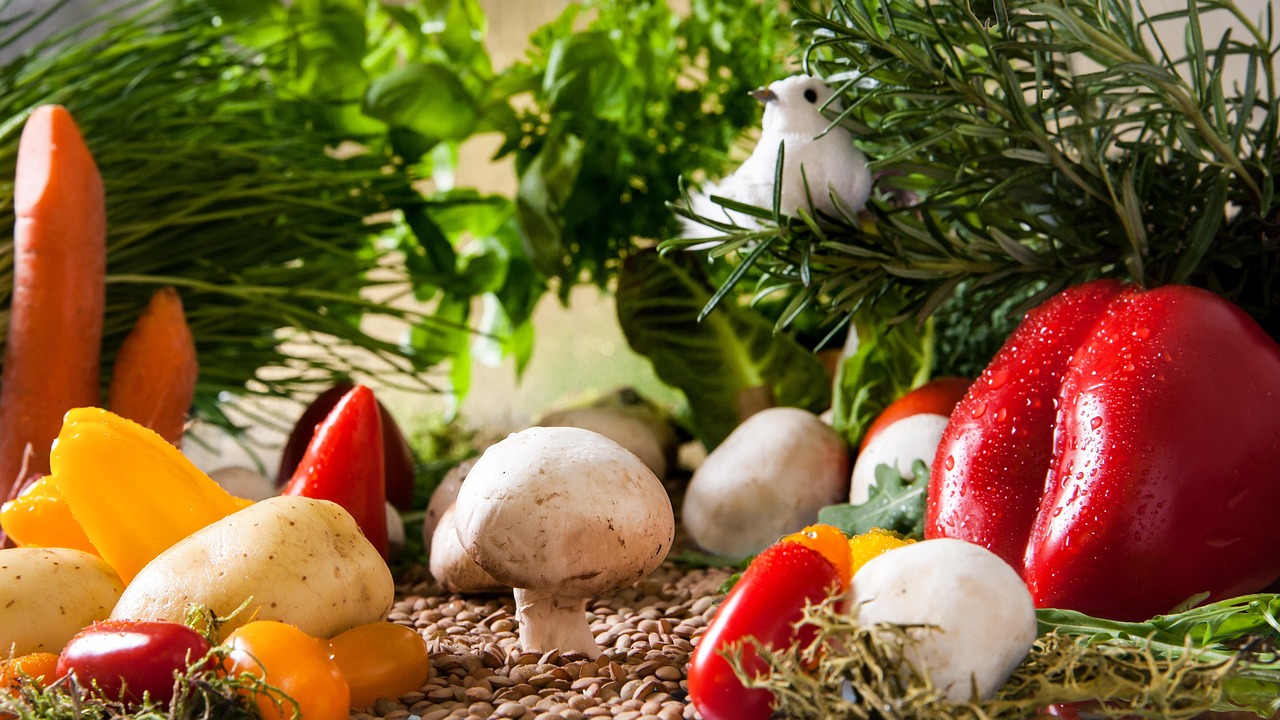
- Easy to Pack with Veggies: Crockpots are ideal for layering in a bounty of vegetables, which become tender and flavorful during the long cooking process. This makes it effortless to meet your daily recommended vegetable intake.
- Less Added Fat Needed: The moist, enclosed environment of a slow cooker means you often need less added oil or fat, as food cooks in its own juices or a minimal amount of broth, contributing to leaner meals.
- Actionable Takeaway: Prioritize recipes that call for a variety of colorful vegetables to boost the nutritional profile of your meals.
Budget-Friendly & Waste Reduction
- Tenderizes Cheaper Cuts of Meat: Slow cooking is renowned for transforming tougher, more economical cuts of meat (like chuck roast or chicken thighs) into incredibly tender, fall-off-the-bone dishes, saving you money.
- Utilize Leftovers and Wilted Produce: A crockpot is perfect for using up vegetables that are slightly past their prime, preventing food waste and extending your grocery budget.
- Batch Cooking for Savings: Making large batches of healthy slow cooker recipes means fewer impulse buys or expensive takeout meals throughout the week.
- Actionable Takeaway: Experiment with cheaper cuts of meat and seasonal vegetables to make your healthy eating more economical.
Essential Ingredients for Healthy Crockpot Meals
Building a repertoire of delicious, healthy crockpot meals starts with understanding the core ingredients that perform best in a slow cooker and contribute to a balanced diet.
Lean Proteins: The Foundation
Proteins are crucial for satiety and muscle maintenance. The slow cooker excels at making them incredibly tender.
- Chicken: Boneless, skinless chicken breasts or thighs are versatile and cook beautifully.
- Lean Beef: Opt for cuts like chuck roast, sirloin, or round for stews and shredded beef dishes.
- Pork: Pork loin or tenderloin can be used for leaner options, while pork shoulder works well for pulled pork.
- Turkey: Ground turkey for chili or turkey breast for shredded sandwiches.
- Legumes: Canned or pre-soaked dried beans (black beans, kidney beans, chickpeas) and lentils are excellent plant-based protein sources, adding fiber and substance.
- Actionable Takeaway: Always trim visible fat from meats before adding them to the crockpot to keep your meals lean.
Abundant Vegetables: Color & Nutrients
The beauty of crockpot cooking is how it coaxes out the natural sweetness and tenderness of vegetables.
- Hardy Root Vegetables: Carrots, celery, onions, potatoes, and sweet potatoes are perfect as they hold their shape and flavor during long cooking times.
- Bell Peppers & Squash: Add vibrant color and a variety of textures. Butternut squash, zucchini, and corn are excellent choices.
- Leafy Greens: Spinach or kale can be stirred in during the last 30 minutes of cooking to prevent overcooking and retain their bright color and nutrients.
- Frozen Vegetables: A convenient option; no chopping required! Just toss them in.
- Actionable Takeaway: Aim for at least 3-4 different vegetables in each crockpot meal to maximize nutrient diversity.
Wholesome Grains & Starches
These provide sustained energy and fiber, making your nutritious crockpot dinners truly complete.
- Brown Rice & Grains: While some grains like brown rice can be cooked directly in the crockpot (often requiring specific liquid ratios), others like quinoa or farro are best cooked separately and stirred in at the end.
- Potatoes & Sweet Potatoes: Excellent additions that absorb flavors and add a creamy texture.
- Actionable Takeaway: If adding grains directly, ensure adequate liquid and consider adding them later in the cooking cycle to prevent mushiness.
Flavorful & Healthy Seasonings
These are key to transforming simple ingredients into a gourmet experience without relying on unhealthy additives.
- Herbs & Spices: Fresh or dried thyme, rosemary, oregano, bay leaves, cumin, chili powder, paprika, garlic powder, onion powder are your best friends.
- Low-Sodium Broths: Chicken, beef, or vegetable broths form the liquid base. Always opt for low-sodium versions to control salt intake.
- Canned Tomatoes: Diced, crushed, or pureed tomatoes add acidity and depth.
- Vinegars: A splash of apple cider vinegar or balsamic vinegar can brighten flavors.
- Actionable Takeaway: Taste and adjust seasonings at the end of cooking, as flavors can intensify in the crockpot.
Mastering Healthy Crockpot Meal Prep
The true power of the slow cooker for healthy eating comes alive with smart meal preparation. This section offers strategies to streamline your cooking process even further.
Smart Shopping & Pre-Chopping
Preparation is key to making crockpot meal prep truly effortless.
- Bulk Buying: Purchase staple ingredients like chicken, beans, and hardy vegetables in larger quantities when they’re on sale.
- Weekend Prep Session: Dedicate an hour or two on a weekend to wash, peel, and chop all your vegetables for the week’s crockpot meals. Store them in airtight containers.
- Portioning Meat: Divide larger packs of meat into single-meal portions and store in the fridge or freezer.
- Actionable Takeaway: Have a clear meal plan for the week, listing exactly what you’ll make in your crockpot, to guide your shopping and prep.
Batch Cooking for the Week
Cook once, eat multiple times! This is a cornerstone of efficient healthy eating.
- Large Batch Cooking: Prepare a generous portion of a crockpot stew, chili, soup, or pulled chicken/pork.
- Divide and Conquer: Once cooked and cooled, divide the meal into single-serving containers. These are perfect for grab-and-go lunches or quick dinners throughout the week.
- Freeze for Later: Many crockpot meals freeze beautifully. Label containers with the dish and date, and freeze for up to 3 months.
- Actionable Takeaway: Always cool your food quickly before refrigerating or freezing to prevent bacterial growth (e.g., divide into smaller containers, or use an ice bath).
Freezer-Friendly Crockpot Kits
The ultimate in convenience, these kits turn a future cooking day into a simple “dump and go” task.
- Assemble Ingredients: In a large freezer-safe bag, combine all the raw, chopped ingredients for a specific recipe (meat, vegetables, spices, sauces – excluding broth/water which is added on cooking day).
- Label Clearly: Write the recipe name, date, and cooking instructions (e.g., “Cook on low for 6-8 hours, add 1 cup broth”) directly on the bag.
- Freeze Flat: Lay bags flat in the freezer to save space.
- Thaw & Cook: The night before cooking, transfer the bag to the refrigerator to thaw. On cooking day, simply dump the contents into your crockpot, add liquid, and cook!
- Actionable Takeaway: Experiment with 2-3 different freezer bag recipes to have on hand for busy weeks, ensuring variety in your healthy meals.
Delicious & Easy Healthy Crockpot Recipes
Ready to get cooking? Here are some versatile and incredibly tasty simple crockpot recipes that embody healthy eating without sacrificing flavor.
Lean Protein Powerhouses
These recipes are excellent for muscle maintenance and keeping you full and satisfied.
- Crockpot Chicken Fajitas:
- Ingredients: Boneless, skinless chicken breasts (sliced), bell peppers (various colors, sliced), onions (sliced), fajita seasoning (low sodium), a splash of lime juice.
- Method: Combine all ingredients in the crockpot. Cook on low for 3-4 hours or until chicken is cooked through and vegetables are tender-crisp.
- Serve with: Whole wheat tortillas, lettuce wraps, brown rice, or a fresh salsa.
- Healthy Pulled Pork/Chicken:
- Ingredients: Pork shoulder (trimmed) or boneless, skinless chicken thighs, low-sugar BBQ sauce, apple cider vinegar, a few drops of liquid smoke (optional).
- Method: Place meat in crockpot. Pour BBQ sauce and vinegar over. Cook on low for 6-8 hours (pork) or 3-4 hours (chicken) until fork-tender. Shred meat directly in the crockpot.
- Serve with: Whole wheat buns, sweet potato fries, or a side salad.
- Turkey & Black Bean Chili:
- Ingredients: Ground turkey (browned and drained), canned black beans (rinsed), diced tomatoes, corn, bell peppers, onions, chili powder, cumin, garlic powder, chicken broth.
- Method: Combine all ingredients. Cook on low for 6-8 hours.
- Serve with: A dollop of Greek yogurt, avocado slices, or a sprinkle of fresh cilantro.
Veggie-Packed Wonders
Load up on fiber and essential nutrients with these hearty vegetarian and vegetable-forward options.
- Hearty Lentil & Vegetable Soup:
- Ingredients: Brown or green lentils (rinsed), carrots, celery, onions (all diced), canned diced tomatoes, vegetable broth, bay leaves, thyme, spinach (added at the end).
- Method: Combine all ingredients (except spinach) in the crockpot. Cook on low for 6-8 hours. Stir in spinach during the last 30 minutes.
- Serve with: A crusty whole-grain bread or a side salad.
- Sweet Potato & Chickpea Curry:
- Ingredients: Diced sweet potatoes, chickpeas (rinsed), canned crushed tomatoes, coconut milk (light), curry powder, ginger, garlic, spinach (added at the end), vegetable broth.
- Method: Combine all ingredients (except spinach) in the crockpot. Cook on low for 4-6 hours until sweet potatoes are tender. Stir in spinach.
- Serve with: Brown rice or quinoa.
Tips for Success & Avoiding Common Pitfalls
Even with simple recipes, a few insider tips can make all the difference in achieving consistently delicious and safe healthy slow cooker recipes.
Don’t Overfill Your Crockpot
- Rule of Thumb: For optimal cooking and to prevent spills, your crockpot should be between half and two-thirds full.
- Why it Matters: Overfilling can lead to uneven cooking, longer cooking times, and a risk of food not reaching safe temperatures.
- Actionable Takeaway: If a recipe yields too much for your crockpot size, consider splitting it into two batches or adjusting ingredient quantities.
Mind Your Liquids
- Less is More: Crockpots retain moisture incredibly well, so you’ll generally need less liquid than conventional stove-top or oven recipes.
- Veggies Release Liquid: Many vegetables, especially onions, celery, and mushrooms, will release a significant amount of liquid during cooking.
- Start Small: Begin with about half the liquid you’d normally use for a conventional recipe and add more if the consistency isn’t right towards the end.
- Actionable Takeaway: Use low-sodium broths or water as your primary liquid base to keep meals healthy.
Timing is Everything (But Flexible)
- Low vs. High: Cooking on the LOW setting for a longer duration typically yields more tender, flavorful results than cooking on HIGH. General guideline: 1 hour on HIGH = 2 hours on LOW.
- Resist the Lid-Lifting Urge: Every time you lift the lid, the temperature inside the crockpot drops significantly, adding 15-20 minutes to the cooking time.
- Actionable Takeaway: Plan your crockpot meals to align with your schedule, opting for longer low-and-slow cooks when you’re away from home all day.
Browning Matters (Sometimes)
- Flavor Boost: For some recipes, particularly those with meat, quickly browning the meat on the stovetop before adding it to the crockpot can significantly enhance the depth of flavor.
- Not Always Necessary: Don’t skip a crockpot meal just because you don’t have time to brown the meat. It’s an optional step that adds complexity but isn’t always essential for a delicious outcome.
- Actionable Takeaway: If you have an extra 10 minutes, try browning ground meats or searing roasts before slow cooking.
Food Safety First
- Thaw Frozen Meat: For most recipes, always thaw frozen meat completely in the refrigerator before placing it in the slow cooker. Adding large pieces of frozen meat can prevent the crockpot from reaching a safe cooking temperature quickly enough, increasing the risk of bacterial growth.
- Safe Internal Temperatures: Ensure all meats reach their safe internal temperatures (e.g., chicken 165°F/74°C, ground meats 160°F/71°C, roasts 145°F/63°C) using a meat thermometer.
- Refrigerate Promptly: Leftovers should be refrigerated within 2 hours of cooking.
- Actionable Takeaway: Invest in a reliable meat thermometer for peace of mind and food safety.
Conclusion
The quest for healthy eating doesn’t have to be a battle against time or taste. The crockpot stands as a beacon of culinary simplicity, offering an unparalleled solution for creating easy crockpot healthy meals that nourish your body and soothe your soul. From its unmatched convenience and ability to maximize nutrition, to its budget-friendly appeal and incredible versatility, the slow cooker truly earns its place as an indispensable kitchen appliance. By embracing smart meal prep, stocking up on wholesome ingredients, and following a few simple tips, you can transform your mealtime routine into one of effortless health and delicious satisfaction. So, dust off your slow cooker, try one of these fantastic recipes, and embark on your journey to healthier, happier eating!