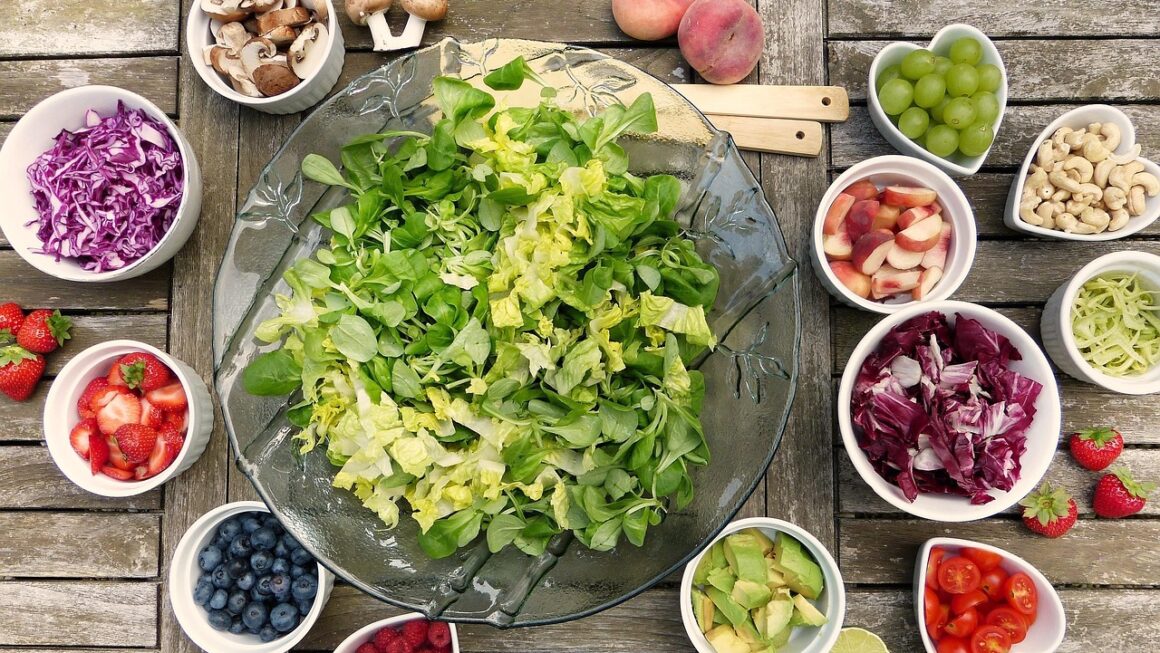

Embarking on a journey towards vibrant health often leads us to explore the profound potential of whole, unprocessed foods. Among the most talked-about dietary approaches is the raw food vegan meal plan – a lifestyle celebrated for its emphasis on living foods, bursting with natural enzymes, vitamins, and minerals. If you’re curious about revitalizing your body, boosting your energy, and achieving a new level of wellness, a raw vegan diet might be the transformative path you’ve been seeking. This comprehensive guide will demystify the raw food vegan lifestyle, offer a practical meal plan, and equip you with the knowledge to thrive on this incredible journey.
What is a Raw Food Vegan Diet?
A raw food vegan diet is a plant-based eating style that primarily consists of uncooked and unprocessed foods. The fundamental principle is to consume foods in their most natural state, often defining “raw” as foods not heated above 104-118°F (40-48°C). The belief is that cooking above these temperatures destroys essential enzymes, diminishes vitamin content, and alters the bioavailability of nutrients.
The Core Principles
- Uncooked Foods: The vast majority of foods are consumed raw, or gently warmed without exceeding the critical temperature threshold.
- Plant-Based: Excludes all animal products, including meat, dairy, eggs, and honey.
- Minimally Processed: Focuses on whole, unrefined ingredients, avoiding artificial additives, refined sugars, and hydrogenated oils.
- Enzyme Preservation: Prioritizes foods rich in enzymes, believed to aid digestion and nutrient absorption.
Foods Included & Excluded
Understanding what to eat is crucial for building a successful raw food vegan meal plan.
- Included Foods:
- Fruits: All fresh fruits, from berries and apples to tropical mangos and bananas.
- Vegetables: A wide array of leafy greens, root vegetables, cruciferous vegetables, and more.
- Nuts & Seeds: Raw almonds, walnuts, cashews, chia seeds, flax seeds, hemp seeds, pumpkin seeds (soaked or sprouted is often recommended).
- Grains & Legumes (Sprouted): Sprouted quinoa, buckwheat, lentils, mung beans, and chickpeas.
- Sea Vegetables: Nori, dulse, kelp.
- Healthy Fats: Avocados, cold-pressed olive oil, coconut oil, flaxseed oil.
- Sweeteners: Raw agave nectar, dates, maple syrup (if acceptable to individual, as it’s typically processed with heat).
- Superfoods: Spirulina, chlorella, maca, cacao.
- Fermented Foods: Raw sauerkraut, kimchi, coconut kefir (ensure truly raw).
- Excluded Foods:
- Cooked foods (e.g., baked bread, roasted vegetables, pasta, rice).
- Pasteurized products (e.g., conventional milk, juices).
- Refined sugars, flours, and oils.
- Caffeine and alcohol.
- All animal products.
Actionable Takeaway: Begin by incorporating more raw fruits and vegetables into your daily diet, even before fully committing. Experiment with raw salads, smoothies, and unheated snacks to get a feel for the textures and flavors.
Unlocking the Health Benefits of a Raw Vegan Meal Plan
Adopting a raw food vegan meal plan can bring about a myriad of health improvements, often experienced as increased vitality and a profound sense of well-being. These benefits stem directly from the diet’s emphasis on nutrient-dense, enzyme-rich, whole foods.
Enhanced Nutrient Intake
Raw foods retain their full spectrum of vitamins, minerals, and enzymes that can be degraded or destroyed by cooking. This means your body receives a powerful infusion of bioavailable nutrients.
- Vitamin Powerhouse: Higher levels of water-soluble vitamins like Vitamin C and B vitamins, which are sensitive to heat.
- Mineral Rich: Better absorption of essential minerals from unprocessed plant sources.
- Enzyme Activity: Raw foods contain their own digestive enzymes, potentially reducing the body’s need to produce as many, thus conserving metabolic energy.
Improved Digestion and Gut Health
The high fiber content in raw fruits, vegetables, nuts, and seeds is a boon for digestive health, promoting regularity and supporting a healthy gut microbiome.
- Fiber Boost: Promotes healthy bowel movements and helps prevent constipation.
- Prebiotic Effect: Plant fibers act as prebiotics, feeding beneficial gut bacteria, which can enhance immunity and mood.
- Reduced Inflammation: Many raw foods are anti-inflammatory, contributing to a calmer digestive system.
Increased Energy and Mental Clarity
Many individuals report a significant surge in energy and improved mental focus after transitioning to a raw vegan diet.
- Easier Digestion: Less energy is expended on digesting cooked and processed foods, leaving more energy for other bodily functions.
- Detoxification: The abundance of antioxidants and phytonutrients supports the body’s natural detoxification processes.
- Stable Blood Sugar: Whole, raw foods, especially fruits and vegetables, generally have a lower glycemic load, leading to more stable energy levels throughout the day.
Sustainable Weight Management
Due to its high fiber and water content, a raw vegan diet can be very effective for achieving and maintaining a healthy weight without feeling deprived.
- Naturally Low Calorie Density: Most raw fruits and vegetables are high in volume but low in calories, promoting satiety.
- Reduced Cravings: Nutrient density often leads to fewer cravings for unhealthy processed foods.
- Metabolism Boost: The active enzymes and nutrient profile can support a healthy metabolism.
Actionable Takeaway: Pay attention to how your body feels after eating raw meals versus cooked meals. Notice changes in energy levels, digestion, and mental focus to truly appreciate the benefits.
Crafting Your Ideal Raw Food Vegan Meal Plan
Successful adherence to a raw vegan diet hinges on thoughtful planning and preparation. A well-designed raw food vegan meal plan ensures you receive all necessary nutrients while enjoying a variety of delicious meals.
Balancing Macronutrients and Micronutrients
It’s vital to ensure you’re getting enough protein, healthy fats, and complex carbohydrates, along with essential vitamins and minerals.
- Protein Sources:
- Sprouted legumes (lentils, chickpeas, mung beans).
- Nuts and seeds (hemp seeds, chia seeds, almonds, walnuts).
- Spirulina, chlorella, and other supergreens.
- Nutritional yeast.
- Healthy Fats:
- Avocados.
- Raw nuts and seeds.
- Cold-pressed oils (olive, flax, coconut).
- Complex Carbohydrates:
- All fruits and vegetables.
- Sprouted grains (buckwheat, quinoa).
- Dates and other dried fruits (in moderation).
- Micronutrients: A diverse range of colorful fruits and vegetables will naturally provide a wide array of vitamins and minerals. Consider a B12 supplement as it’s primarily found in animal products.
Hydration is Key
Even though raw foods have a high water content, drinking plenty of pure water is still essential. This aids digestion, nutrient transport, and detoxification.
- Aim for 8-10 glasses of filtered water daily.
- Incorporate fresh fruit and vegetable juices, and herbal teas.
- Start your day with a large glass of lemon water.
Embracing Variety and Seasonal Eating
To prevent boredom and ensure a wide range of nutrients, rotate your foods and prioritize seasonal produce.
- Seasonal Benefits: Eating seasonal produce is often more affordable, flavorful, and environmentally friendly.
- Nutrient Diversity: Different plants offer different nutrient profiles, so variety ensures you’re covering all your bases.
- Culinary Creativity: Experiment with different raw vegan recipes, from zoodles and raw lasagnas to elaborate salads and fruit platters.
Actionable Takeaway: Plan your meals for the week. Make a grocery list based on seasonal produce and ensure you have a good balance of greens, fruits, nuts, and seeds. Consider investing in a good blender and food processor to expand your raw recipe repertoire.
A Sample 7-Day Raw Food Vegan Meal Plan
This sample raw food vegan meal plan provides a glimpse into the delicious and diverse meals you can enjoy. Remember to adjust portion sizes to your individual needs and activity levels. Always hydrate throughout the day with water or herbal teas.
Day 1: Fresh Start
- Breakfast: Green Smoothie (spinach, banana, mango, flax seeds, water).
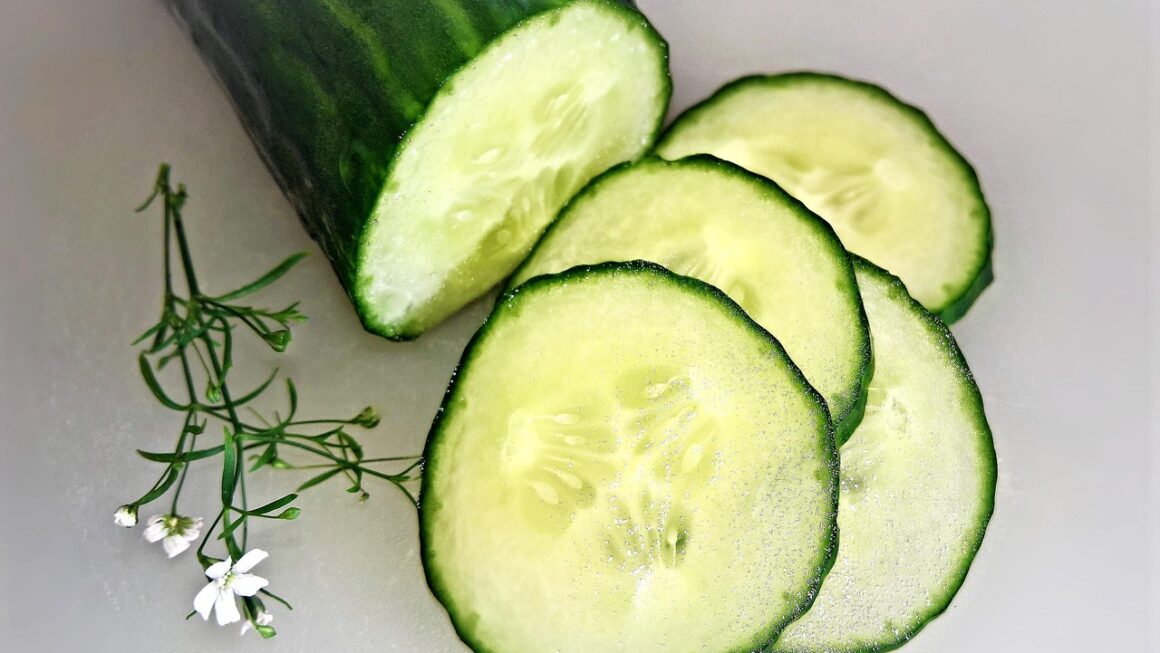
- Lunch: Large Mixed Green Salad with chopped bell peppers, cucumber, tomatoes, avocado, and a lemon-tahini dressing.
- Dinner: Zucchini Noodles with a raw marinara sauce (blended tomatoes, sun-dried tomatoes, basil, garlic, oregano, olive oil).
- Snack: Apple slices with a dollop of raw almond butter.
Day 2: Green Power
- Breakfast: Fruit Salad (mixed berries, melon, kiwi) topped with a sprinkle of hemp seeds.
- Lunch: Collard Green Wraps filled with grated carrots, red cabbage, avocado, and a spicy cashew cream sauce.
- Dinner: Raw Vegan “Sushi” Rolls (nori sheets filled with cauliflower rice, avocado, cucumber, carrot, and a tamari-ginger dipping sauce).
- Snack: Handful of raw walnuts and a few dates.
Day 3: Nut & Seed Focus
- Breakfast: Chia Seed Pudding (chia seeds soaked in almond milk with vanilla extract, topped with fresh berries).
- Lunch: “Un-Tuna” Salad (mashed sunflower seeds, celery, red onion, dulse flakes, vegan mayo alternative) served in lettuce cups.
- Dinner: Raw Vegan Lasagna (thinly sliced zucchini layers, cashew cheese, raw marinara, fresh basil).
- Snack: Celery sticks with raw cashew dip.
Day 4: Mediterranean Inspiration
- Breakfast: Smoothie Bowl (blended frozen banana, spinach, spirulina, topped with sliced banana, granola, and goji berries).
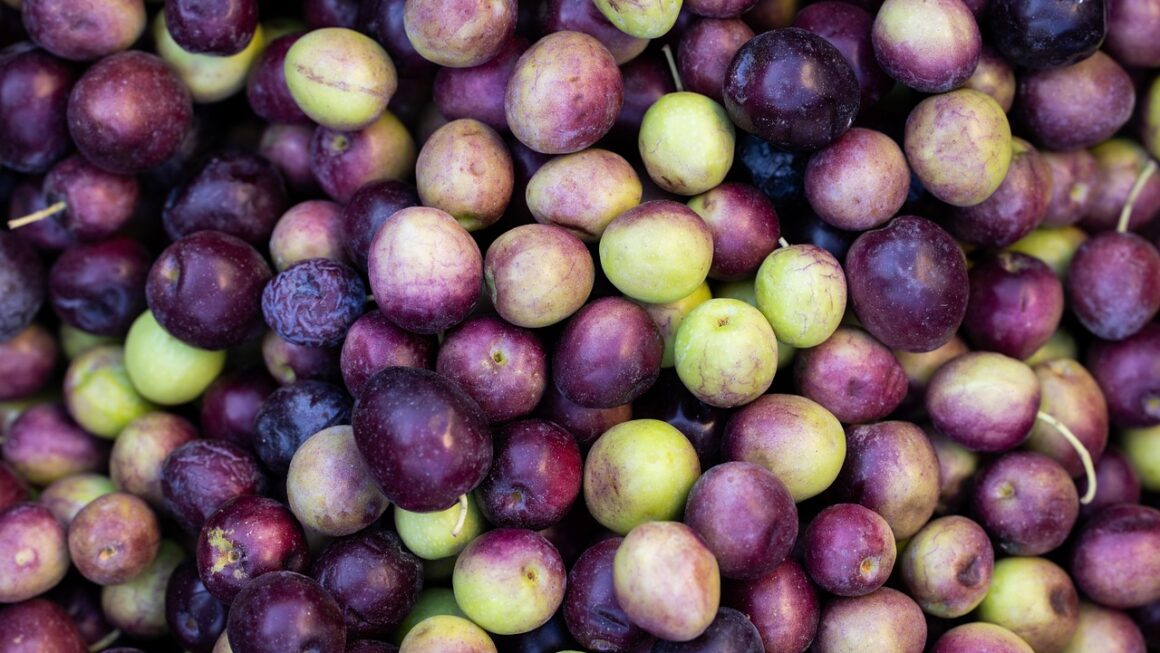
- Lunch: Large Greek Salad with olives, cucumber, tomatoes, bell peppers, fresh herbs, and a lemon-oregano vinaigrette.
- Dinner: Raw Falafel Salad (raw falafel made from sprouted chickpeas, herbs, and spices, served over greens with tahini dressing).
- Snack: A few raw olives and cherry tomatoes.
Day 5: Tropical Bliss
- Breakfast: Tropical Smoothie (pineapple, mango, coconut water, a touch of ginger).
- Lunch: Rainbow Salad (layered bell peppers, cucumber, carrots, red cabbage, corn, mixed greens) with an orange-ginger dressing.
- Dinner: Raw Coconut Curry Zoodles (zucchini noodles with a creamy coconut-ginger-lime sauce and colorful raw veggies).
- Snack: Dried mango strips (check for no added sugar) and a handful of macadamia nuts.
Day 6: Comfort & Crunch
- Breakfast: Buckwheat Porridge (sprouted buckwheat groats blended with plant milk, cinnamon, and sweetened with dates, topped with apples).
- Lunch: Hearty Salad with massaged kale, avocado, sprouted lentils, carrots, and a creamy avocado dressing.
- Dinner: Raw Pizza (nut-and-seed crust, raw marinara, cashew cheese, sliced bell peppers, mushrooms, and fresh basil).
- Snack: Flax crackers with avocado mash.
Day 7: Rejuvenate & Reflect
- Breakfast: Super Green Detox Juice (cucumber, celery, spinach, kale, apple, ginger, lemon).
- Lunch: Large “Buddha Bowl” with mixed greens, grated beets, cucumber spirals, sprouted quinoa, and a flavorful herb dressing.
- Dinner: Stuffed Bell Peppers (bell peppers filled with a mixture of finely chopped vegetables, herbs, and a raw nut/seed paté).
- Snack: Fresh berries and a few raw pecans.
Actionable Takeaway: Use this sample plan as a template. Feel free to swap out ingredients based on your preferences and what’s available seasonally. Don’t be afraid to experiment with different raw vegan recipes to keep things exciting!
Tips for Seamless Transition and Long-Term Success
Adopting a raw food vegan meal plan can be a significant change, but with the right approach, it can be an incredibly rewarding and sustainable lifestyle. Here are some tips to help you transition smoothly and thrive long-term.
Start Gradually
Don’t feel pressured to go 100% raw overnight. A gradual transition can be more sustainable and less overwhelming for your body and mind.
- One Meal at a Time: Start by making one meal raw per day (e.g., a raw breakfast smoothie).
- Increase Raw Percentages: Aim for 50% raw, then 75%, and slowly work your way up.
- Focus on Additions: Instead of focusing on what you’re cutting out, focus on adding more raw fruits and vegetables to your current diet.
Prioritize Meal Prep
Meal preparation is a game-changer for any healthy eating plan, especially a raw vegan one, as many raw recipes require some time for chopping, blending, or soaking.
- Batch Prep Basics: Wash and chop veggies, soak nuts/seeds, make large batches of dressings or sauces.
- Dehydrate if Desired: For crackers, breads, or wraps, a dehydrator can be a valuable tool.
- Keep it Simple: Don’t overcomplicate things, especially at the beginning. Simple salads and fruit bowls are perfectly nutritious.
Address Potential Nutrient Gaps
While a raw vegan diet is rich in most nutrients, a few deserve special attention.
- Vitamin B12: This is the most crucial supplement for any vegan diet. Consider a reliable B12 supplement.
- Vitamin D: Get adequate sunshine exposure, or supplement, especially in winter months or if you live in northern latitudes.
- Omega-3 Fatty Acids: Ensure sufficient intake from flax seeds, chia seeds, hemp seeds, and walnuts, or consider an algae-based Omega-3 supplement.
- Iodine: Incorporate sea vegetables like dulse or kelp, or a supplement if concerned.
Stay Hydrated and Mindful
Listen to your body, and pay attention to its signals. Hydration and mindfulness are crucial for overall well-being.
- Consistent Hydration: Carry a water bottle and sip throughout the day.
- Mindful Eating: Eat slowly, savor your food, and pay attention to hunger and fullness cues.
- Journaling: Track your food intake and how you feel to identify patterns and make adjustments.
Connect with a Community
Finding support can make the journey much easier and more enjoyable.
- Online Forums & Groups: Join raw vegan communities on social media or dedicated forums for tips, recipes, and encouragement.
- Local Meetups: Seek out local raw food potlucks or workshops.
- Inspiring Resources: Follow raw vegan chefs, bloggers, and nutritionists for inspiration and education.
Actionable Takeaway: Be patient and kind to yourself during the transition. Focus on consistency over perfection, and remember that every raw meal is a step towards better health.
Conclusion
Embracing a raw food vegan meal plan is more than just a diet; it’s a commitment to a vibrant, health-conscious lifestyle that celebrates the power of nature’s purest offerings. From boosting your energy and enhancing digestion to supporting sustainable weight management, the benefits are profound and far-reaching. By focusing on nutrient-dense, enzyme-rich fruits, vegetables, nuts, and seeds, you can nourish your body at a cellular level, experiencing unparalleled vitality and mental clarity. While the journey requires planning and mindfulness, the rewards of feeling truly alive and well are immeasurable. Take this guide as your starting point, experiment with the delicious recipes, and discover the transformative potential of living foods. Your body will thank you.