Embarking on a ketogenic diet can feel like a complete overhaul of your eating habits, and for many, the grocery store becomes a maze of confusion. Suddenly, familiar staples are off-limits, and you’re left wondering where to even begin. But fear not! A successful keto journey starts with a well-stocked kitchen, and creating a comprehensive keto shopping list is your first step towards effortlessly preparing delicious, low-carb meals. This guide will demystify keto grocery shopping, ensuring your fridge and pantry are always full of the right ingredients to keep you in ketosis and feeling great.
Stocking Your Keto Pantry: Staples and Essentials
Your keto pantry forms the backbone of your low-carb lifestyle, housing non-perishable items that are crucial for cooking, baking, and adding flavor. These are the ingredients you’ll reach for daily.
Healthy Fats & Oils
Fats are your primary energy source on keto, so investing in good quality oils and cooking fats is paramount. Aim for those rich in monounsaturated and saturated fats, while limiting polyunsaturated fats where possible.
- Avocado Oil: Excellent for high-heat cooking and dressings due to its high smoke point and neutral flavor.
- Extra Virgin Olive Oil: Ideal for dressings, marinades, and finishing dishes. Best used for lower-heat cooking to preserve its delicate flavor and antioxidants.
- Coconut Oil: A versatile oil for cooking, baking, and even adding to coffee for an energy boost. Choose unrefined for a subtle coconut flavor or refined for a neutral taste.
- MCT Oil: (Medium-Chain Triglycerides) Derived from coconut oil, it’s quickly converted into ketones, providing immediate energy. Great for adding to coffee, smoothies, or dressings (don’t cook with it at high heat).
- Ghee (Clarified Butter): Butter with milk solids removed, making it lactose-free and excellent for high-heat cooking.
- Butter (Grass-fed): Rich in healthy fats and fat-soluble vitamins. Great for cooking and adding flavor.
Actionable Takeaway: Prioritize high-quality, cold-pressed oils and grass-fed butter for superior nutritional value and flavor in your keto meals.
Low-Carb Sweeteners & Flavor Enhancers
While minimizing sugar is key, having a few keto-friendly sweeteners on hand can satisfy occasional cravings without derailing your progress.
- Erythritol: A popular sugar alcohol that’s naturally found in some fruits. It has zero net carbs and doesn’t spike blood sugar.
- Stevia: A natural sweetener derived from the stevia plant. Available in liquid drops or powder; a little goes a long way.
- Monk Fruit Sweetener: Another natural, zero-calorie sweetener with no impact on blood sugar. Often blended with erythritol.
- Vanilla Extract: Essential for keto baking and adding depth to coffee or smoothies. Ensure it’s sugar-free.
- Sugar-Free Syrups: Opt for those sweetened with erythritol or monk fruit for pancakes, coffee, or desserts. Always check the ingredients list for hidden sugars or questionable additives.
Actionable Takeaway: Use low-carb sweeteners in moderation, focusing on naturally sweet flavors from berries or spices first. Always read labels to avoid hidden carbs.
Spices & Seasonings
Don’t underestimate the power of spices to transform simple keto ingredients into gourmet meals. Most spices are naturally carb-free.
- Salt (Himalayan Pink Salt or Sea Salt): Crucial for electrolyte balance on keto.
- Black Pepper: A universal seasoning.
- Garlic Powder & Onion Powder: Great for adding savory depth without the carbs of fresh garlic/onions (though fresh is fine in moderation).
- Dried Herbs: Oregano, basil, thyme, rosemary, parsley – essential for Italian, Mediterranean, and various other cuisines.
- Paprika & Chili Powder: For smoky and spicy notes in dishes like chili or roasted meats.
- Cumin: Earthy and warm, perfect for Mexican or Indian-inspired keto meals.
Actionable Takeaway: Build a diverse spice rack to keep your keto meals exciting and flavorful, preventing flavor fatigue.
Protein Powerhouses: Fueling Your Keto Meals
Protein is vital for muscle maintenance and satiety on a ketogenic diet. Aim for high-quality sources, focusing on those with a good fat content to align with keto macros.
Meats & Poultry
These form the core of many keto meals, providing essential amino acids and fats.
- Beef: Ground beef (80/20 or higher fat content), steak (ribeye, sirloin, flank), roasts. Grass-fed options offer a better omega-3 to omega-6 ratio.
- Chicken: Thighs and drumsticks are preferred over breasts due to higher fat content. Skin-on is a bonus.
- Pork: Pork belly, chops, shoulder, bacon (sugar-free is crucial). High in fat and flavor.
- Lamb: Chops, ground lamb, roasts – an excellent source of healthy fats.
- Deli Meats: Roast beef, turkey, ham. Ensure they are low-carb and sugar-free.
Practical Tip: Consider buying in bulk when items are on sale and freezing portions to save money and ensure a steady supply.
Actionable Takeaway: Prioritize fattier cuts of meat and poultry to easily meet your fat macro goals and stay satiated.
Fish & Seafood
Excellent sources of protein and often rich in beneficial omega-3 fatty acids, which are crucial for overall health.
- Salmon: High in omega-3s, delicious baked, grilled, or pan-fried.
- Mackerel & Sardines: Canned options are convenient, budget-friendly, and packed with omega-3s. Look for those packed in olive oil or water.
- Tuna: Canned in oil or water for quick salads or wraps. Check labels for added ingredients.
- Shrimp & Prawns: Quick-cooking, versatile, and low in carbs.
- Cod, Tilapia, Haddock: Leaner fish that can be paired with buttery sauces or healthy fats.
Actionable Takeaway: Incorporate fatty fish like salmon or mackerel into your diet at least twice a week for their significant omega-3 benefits.
Eggs & Dairy (Optional)
Eggs are a keto superstar, and certain dairy products can fit into a keto diet, but choose full-fat and be mindful of carb counts.
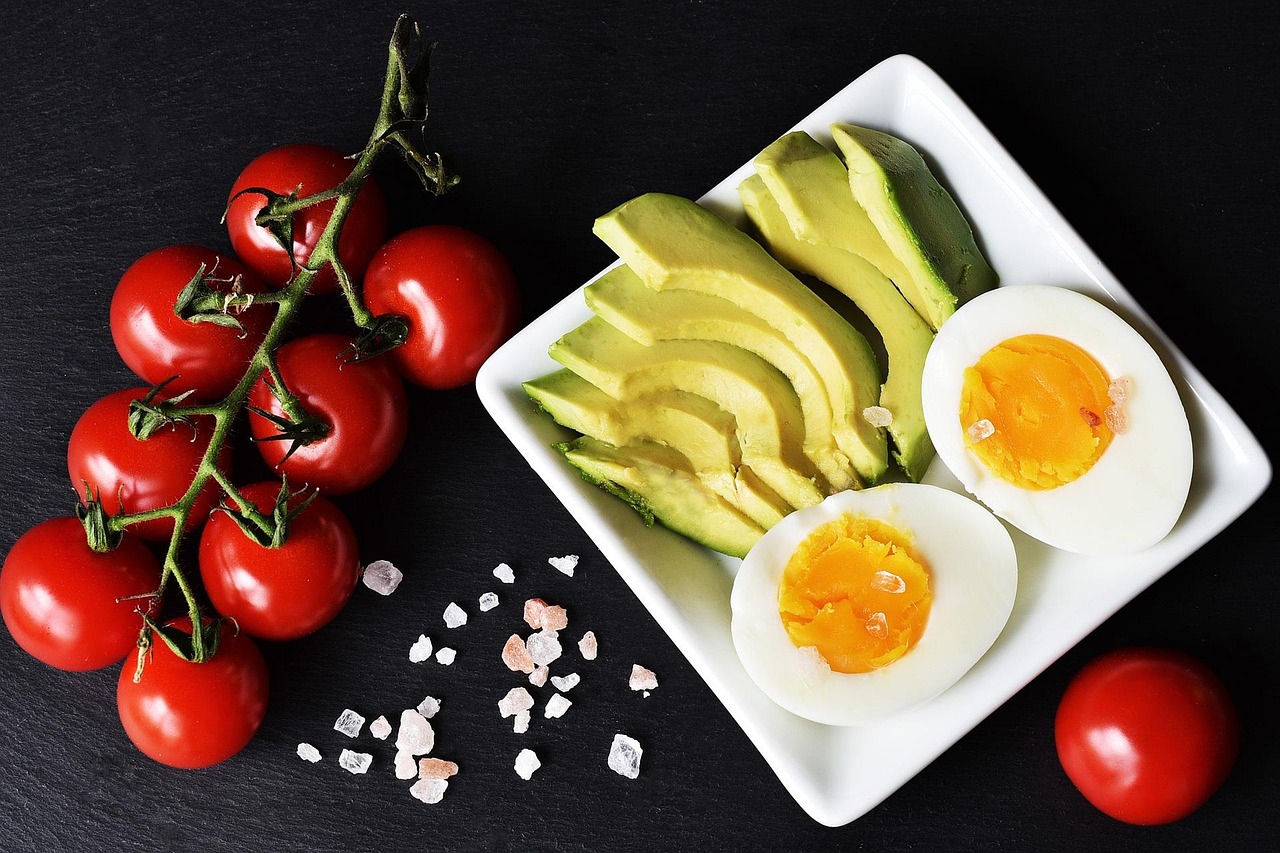
- Eggs: The ultimate keto food! Versatile for breakfast, lunch, dinner, or snacks. Pasture-raised eggs often have more nutrients.
- Full-Fat Cheese: Cheddar, mozzarella, gouda, feta, cream cheese, goat cheese. Check labels as carb counts can vary.
- Heavy Cream: For coffee, sauces, and keto desserts.
- Sour Cream: A delicious topping for many savory dishes.
- Full-Fat Greek Yogurt (Plain, Unsweetened): Can be used in moderation for some, but check carb counts carefully (usually around 6-8g net carbs per serving).
Practical Tip: For dairy, always opt for the full-fat versions to maximize satiety and minimize added sugars/carbs often found in low-fat alternatives.
Actionable Takeaway: Eggs are a must-have for any keto shopper; use full-fat dairy sparingly and always verify carb content per serving.
Vibrant Veggies & Low-Carb Fruits: Your Micronutrient Boost
Don’t forget your greens! Non-starchy vegetables are crucial for fiber, vitamins, and minerals, while some low-carb fruits can be enjoyed in moderation.
Leafy Greens & Cruciferous Veggies
These should be a staple in your keto diet, providing bulk and essential nutrients with minimal carbs.
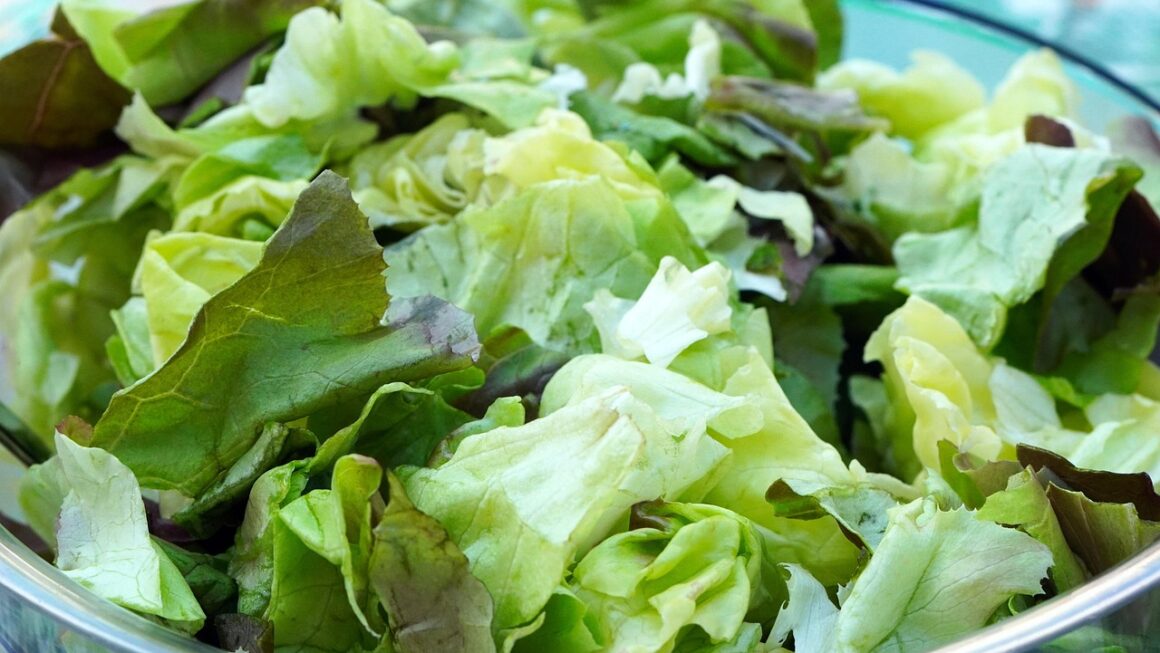
- Spinach & Kale: Excellent for salads, smoothies, sautéing, or adding to eggs.
- Romaine Lettuce & Arugula: Perfect bases for vibrant keto salads.
- Broccoli & Cauliflower: Incredibly versatile. Cauliflower can replace rice, mashed potatoes, or even pizza crust. Broccoli is great steamed or roasted.
- Brussels Sprouts & Cabbage: Delicious roasted or sautéed, and cabbage makes a great low-carb slaw.
Practical Tip: Buy frozen versions of greens like spinach or broccoli florets for convenience and to reduce food waste.
Actionable Takeaway: Fill at least half your plate with non-starchy vegetables at every meal to ensure adequate fiber and micronutrient intake.
Other Non-Starchy Vegetables
Expand your vegetable palette with these flavorful and nutritious options.
- Zucchini & Yellow Squash: Great for spiralizing into “zoodles,” grilling, or sautéing.
- Bell Peppers: Especially green and yellow (red has slightly more carbs but is fine in moderation). Excellent in stir-fries or as dippers.
- Asparagus & Green Beans: Quick to cook and delicious steamed, roasted, or pan-fried.
- Mushrooms: Sautéed, roasted, or added to sauces, they offer an umami boost.
- Avocado: The ultimate keto fruit! Packed with healthy fats, fiber, and potassium. Enjoy in salads, guacamole, or as a snack.
Actionable Takeaway: Aim for a variety of colorful non-starchy vegetables throughout the week to ensure a broad spectrum of nutrients.
Low-Carb Fruits (in moderation)
While most fruits are high in sugar, a few can be enjoyed sparingly on keto.
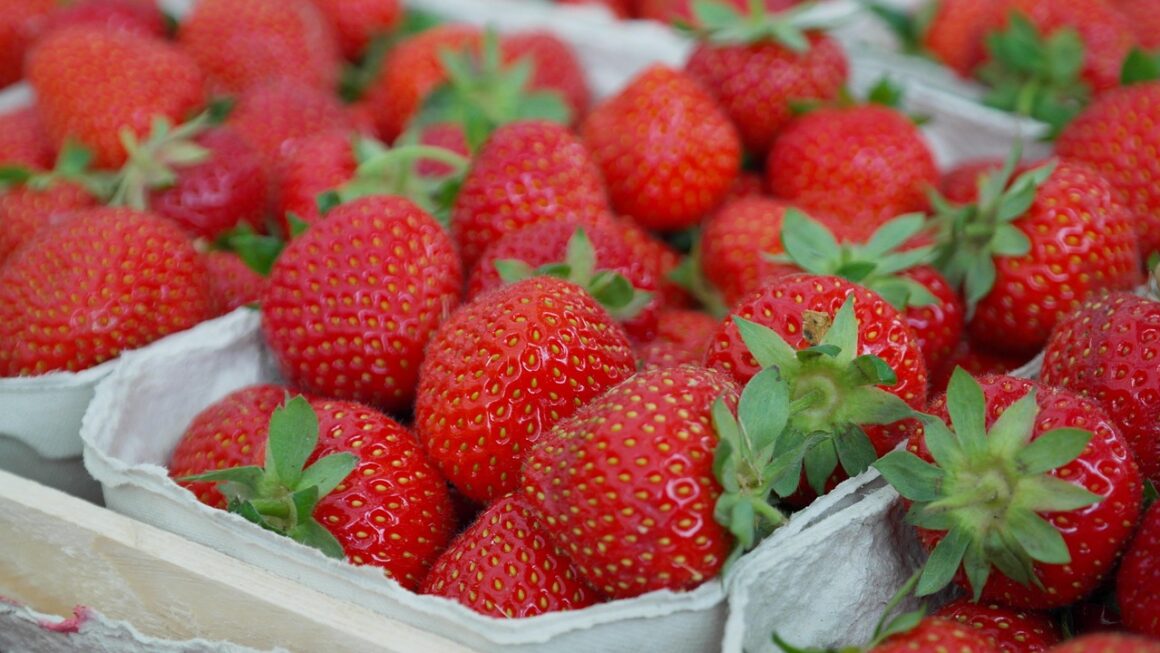
- Berries: Strawberries, blueberries, raspberries, and blackberries are the lowest in carbs. Enjoy a small handful as a treat or in keto desserts. Raspberries and blackberries are generally the lowest in net carbs.
- Lemons & Limes: Excellent for flavoring water, dressings, and marinades without adding significant carbs.
Practical Tip: Measure your fruit portions carefully to avoid exceeding your daily carb limit. A small bowl of berries might be a better choice than a large apple on keto.
Actionable Takeaway: Limit fruit intake to small portions of berries, using them more as a garnish or occasional treat rather than a daily staple.
Smart Keto Snacks & Extras: Convenience and Cravings
Having a few smart snack options and essential condiments ensures you’re always prepared and can easily manage cravings without compromising your keto goals.
Nuts & Seeds
While calorie-dense, nuts and seeds are excellent sources of healthy fats, fiber, and micronutrients. Portion control is key.
- Almonds: Good for snacking or making almond flour.
- Macadamia Nuts: One of the lowest-carb nuts and highest in monounsaturated fats.
- Pecans & Walnuts: Great for snacking, salads, or keto baking. Walnuts are also rich in omega-3s.
- Chia Seeds & Flax Seeds: Excellent sources of fiber and omega-3s. Use in smoothies, “chia pudding,” or as an egg substitute in baking.
- Pumpkin Seeds & Sunflower Seeds: Good for snacking or topping salads.
Practical Tip: Pre-portion nuts into small bags to avoid overeating, as their calories can add up quickly.
Actionable Takeaway: Include a small serving of keto-friendly nuts and seeds daily for healthy fats, fiber, and a satisfying crunch, but always practice portion control.
Keto-Friendly Dairy & Beverages
Hydration is vital, and some dairy and non-dairy options can enhance your keto experience.
- Unsweetened Almond Milk: A great low-carb alternative for smoothies, coffee, or recipes.
- Unsweetened Coconut Milk (Canned, Full-Fat): Excellent for curries, sauces, and adding richness to dishes.
- Sparkling Water: A refreshing, carb-free alternative to sugary sodas. Add lemon or lime for flavor.
- Black Coffee & Herbal Tea: Enjoy freely. Be mindful of adding sugar or high-carb creamers.
- Bone Broth: Rich in electrolytes and collagen, excellent for sipping, especially during the initial keto adaptation phase.
Practical Tip: Electrolytes are crucial on keto. Supplementing with sodium, potassium, and magnesium, often found in pink salt, avocados, and leafy greens, can prevent the “keto flu.”
Actionable Takeaway: Stay well-hydrated with water, and utilize unsweetened almond or coconut milk as keto-friendly alternatives for beverages and cooking.
Condiments & Dressings
These can be hidden sources of sugar and carbs, so careful label reading is essential.
- Mayonnaise: Opt for avocado oil-based mayo to avoid inflammatory seed oils.
- Mustard: Most types (Dijon, yellow, spicy brown) are low-carb, but check for added sugars.
- Sugar-Free Ketchup: Many brands now offer low-carb, sugar-free options.
- Apple Cider Vinegar: Great for dressings and known for its health benefits.
- Hot Sauce: Most hot sauces are keto-friendly, but always double-check ingredients.
- Full-Fat Salad Dressings: Vinaigrettes made with olive or avocado oil, or creamy dressings with low-carb ingredients. Avoid low-fat or fat-free options, which often contain more sugar.
Actionable Takeaway: Become a meticulous label reader for all condiments; hidden sugars can quickly add up and sabotage your keto efforts.
Conclusion
Navigating the grocery store on a ketogenic diet doesn’t have to be daunting. With this comprehensive keto shopping list, you’re now equipped with the knowledge to fill your cart with nutrient-dense, low-carb foods that will support your health and weight loss goals. Remember to prioritize whole, unprocessed ingredients, embrace healthy fats, and keep an eye on carb counts. Start by stocking your pantry with essentials, then gradually add fresh produce, quality proteins, and keto-friendly snacks. With a well-stocked kitchen, you’ll find preparing delicious and satisfying keto meals becomes second nature, making your journey towards a healthier lifestyle both enjoyable and sustainable. Happy shopping!