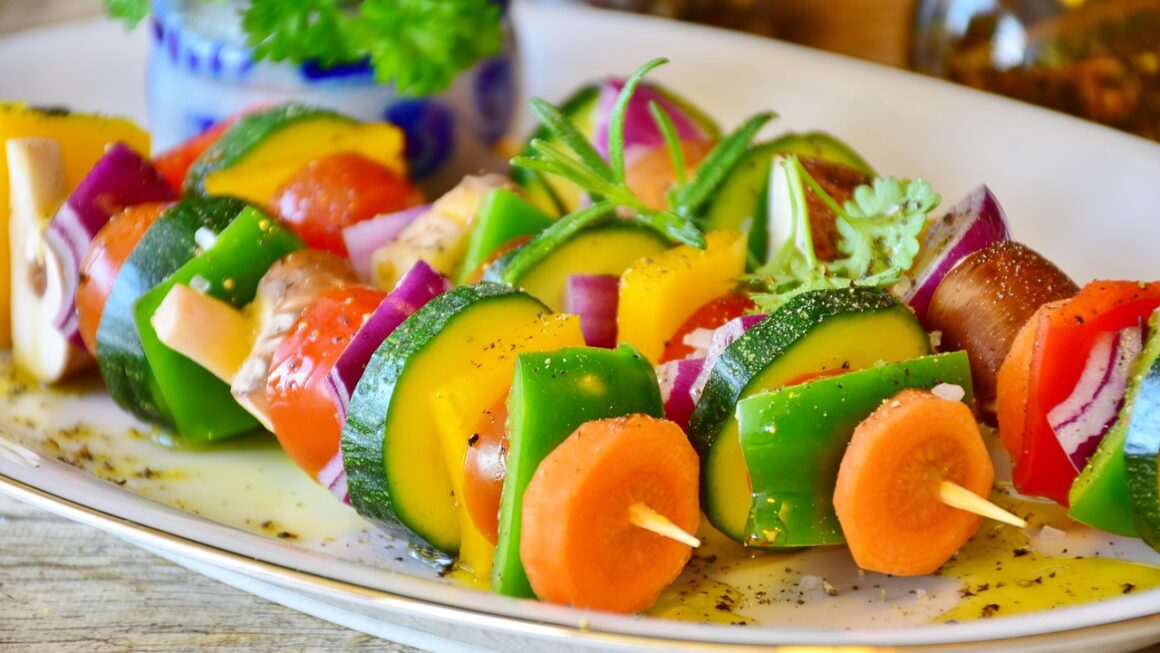
Navigating the world of toddler nutrition can feel like a high-stakes culinary adventure. One moment your little one is devouring everything in sight, the next they’re treating their plate like a biohazard. For busy parents, the quest for easy toddler meals that are both nutritious and appealing is a daily challenge. But what if feeding your toddler didn’t have to be a battle? What if you could whip up healthy, simple dishes that your child would actually eat, without spending hours in the kitchen? This comprehensive guide is designed to empower you with practical strategies and delicious ideas for hassle-free mealtimes, turning feeding frustrations into joyful family moments.
The Philosophy of Easy Toddler Meals
Feeding a toddler isn’t just about nutrition; it’s about fostering a positive relationship with food and establishing healthy eating habits. The core principle behind easy toddler meals is simplicity – for both the parent and the child.
Why Simplicity Matters
- Reduced Parental Stress: Less time cooking complex dishes means more time for other tasks, or simply enjoying your child.
- Increased Acceptance: Toddlers often prefer familiar, uncomplicated foods. Overly complex flavors or textures can be intimidating.
- Focus on Fundamentals: Simple meals make it easier to ensure your child is getting a balanced intake of essential nutrients without complicated recipes.
Nutritional Balance Without Complexity
A balanced toddler diet doesn’t require gourmet cooking. It means offering a variety of foods from the major food groups. Think of it as a spectrum of colors and textures rather than a meticulously crafted dish.
- Proteins: Essential for growth and development (e.g., eggs, chicken, beans).
- Fruits & Vegetables: Packed with vitamins and fiber (e.g., berries, steamed broccoli, sweet potatoes).
- Whole Grains: Provide sustained energy (e.g., whole wheat pasta, oats).
- Healthy Fats: Crucial for brain development (e.g., avocado, olive oil).
Actionable Takeaway: Prioritize one item from each key food group at most meals. Keep ingredients simple and recognizable.
Understanding Toddler Preferences
Toddlers are unique eaters with specific needs and evolving tastes. Keeping these in mind can significantly improve mealtime success.
- Small Portions: Offer small amounts and allow them to ask for more. Overwhelm can lead to rejection.
- Colorful & Appealing: Toddlers eat with their eyes! Brightly colored foods are often more inviting.
- Easy to Eat: Finger foods are king. Cut food into bite-sized, manageable pieces to prevent choking hazards and encourage independence.
- Familiarity: Introduce new foods alongside familiar favorites to increase acceptance.
Go-To Staples for Quick & Healthy Toddler Meals
Building a pantry and fridge stocked with versatile, toddler-friendly ingredients is your secret weapon for whipping up quick toddler recipes in a flash. These staples are the building blocks for countless healthy toddler food options.
Protein Powerhouses
Proteins are vital for your toddler’s rapid growth and development, providing energy and building blocks for muscles and tissues.
- Eggs: Scrambled, hard-boiled, or in an omelet. Ready in minutes and highly versatile.
- Example: Scrambled eggs with a sprinkle of cheese.
- Plain Yogurt (full-fat): A great source of calcium and probiotics. Mix with fruit for flavor.
- Example: Yogurt with mashed berries.
- Beans & Lentils: Canned beans (rinsed well) are quick additions to almost anything.
- Example: Black beans as a side, or mashed in a quesadilla.
- Cooked Chicken/Turkey: Shredded or diced, perfect for mixing into pasta or rice.
- Example: Diced chicken mixed with whole wheat pasta and pesto.
Fruit & Veggie Heroes
Vitamins, minerals, and fiber are crucial. Make fruits and veggies accessible and appealing.
- Berries: Blueberries, raspberries, and strawberries are naturally sweet and perfect finger foods.
- Example: A handful of blueberries for snack or breakfast topping.
- Bananas: The ultimate grab-and-go fruit.
- Example: Sliced banana with a smear of nut butter.
- Steamed Veggies: Broccoli florets, carrot sticks, green beans – softened for easy chewing.
- Example: Steamed broccoli with a tiny bit of butter.
- Sweet Potatoes: Roasted or mashed, they offer a naturally sweet flavor and are packed with Vitamin A.
- Example: Roasted sweet potato fries (homemade, less salt).
Whole Grain Wonders
Whole grains provide sustained energy and essential fiber for digestive health.
- Whole Wheat Pasta: A fantastic base for various sauces and additions.
- Example: Pasta with butter and a sprinkle of Parmesan.
- Oats: Quick to cook and can be customized with fruits, nuts, or seeds.
- Example: Oatmeal with sliced apple.
- Whole Wheat Bread/Tortillas: Great for sandwiches, quesadillas, or toast.
- Example: Mini whole wheat pita with hummus.
Healthy Fats
Crucial for brain development and nutrient absorption. Be mindful of allergies with nuts.
- Avocado: Creamy and nutrient-dense, easily mashed or sliced.
- Example: Avocado slices or mashed avocado on toast.
- Nut Butters (e.g., peanut, almond): A good source of protein and healthy fats. Ensure it’s smooth to prevent choking.
- Example: Thin layer of peanut butter on apple slices (cut into moons).
Actionable Takeaway: Keep your pantry stocked with at least one item from each of these categories to always have ingredients on hand for spontaneous meal creation.
Creative & Quick Meal Ideas (Breakfast, Lunch, Dinner)
With your pantry staples in place, let’s explore practical, simple toddler meals for any time of day that are both nourishing and appealing.
Breakfast in a Flash
Starting the day right doesn’t have to mean elaborate cooking.
- Yogurt Parfait: Layers of plain full-fat yogurt, a handful of berries, and a sprinkle of low-sugar whole-grain cereal.
- Tip: Let your toddler “build” their own for engagement.
- Banana “Nice” Cream: Blend frozen banana slices with a splash of milk or yogurt for a naturally sweet, creamy treat.
- Tip: Add a tiny bit of cocoa powder for a chocolatey twist.
- Quick Oatmeal: Instant oats with mashed fruit (banana, berries) and a dash of cinnamon.
- Egg Muffins: Whisk eggs with finely diced veggies (spinach, bell peppers), pour into greased muffin tins, and bake. (Can be made ahead and reheated.)
Actionable Takeaway: Focus on combining a protein, a fruit, and a whole grain for a balanced start.
Lunchbox Lifesavers
Whether for daycare or a quick home lunch, these ideas are packable and satisfying.
- Mini Pizzas: Whole wheat English muffin halves or pita bread topped with tomato sauce, a sprinkle of cheese, and maybe some finely diced bell peppers. Broil until cheese is melted.
- Quesadilla Squares: Whole wheat tortilla with cheese and mashed beans, folded and cooked until crispy. Cut into triangles or squares.
- Tip: Serve with a side of mild salsa or avocado for dipping.
- Deconstructed Sandwich: Instead of a full sandwich, offer small pieces of turkey/chicken, cheese cubes, whole-wheat crackers, and sliced cucumber.
- Pasta Salad: Cooked whole wheat pasta tossed with a bit of olive oil, diced cooked chicken, peas, and tiny cheese cubes.
Actionable Takeaway: Offer a variety of textures and colors in small, separate portions to encourage exploration.
Dinner Done Right
Evening meals can be simple, leveraging batch cooking or quick assembly.
- Sheet Pan Dinners: Toss cut-up chicken (or tofu), sweet potato, and broccoli florets with a drizzle of olive oil and a pinch of salt/pepper. Roast until cooked through.
- Tip: This minimizes cleanup!
- Fish Sticks (Homemade or High-Quality Frozen): Serve with steamed green beans and a side of applesauce. Ensure low-sodium options for frozen.
- Lentil Soup: A hearty, fiber-rich soup that can be made in a large batch. Serve with whole-wheat bread for dipping.
- Tip: Blend some of the soup smooth if your toddler is texture-sensitive.
- “Builder’s Plate”: A selection of individual items like cooked peas, shredded cheese, small pieces of cooked chicken, and apple slices. Let your toddler choose and combine.
Actionable Takeaway: Look for opportunities to cook once and create components that can be used in multiple meals (e.g., roasted chicken, steamed veggies).
Smart Strategies for Picky Eaters & Mealtime Success
Almost every toddler goes through a picky eating phase. These strategies can help turn mealtime struggles into moments of connection and exploration, focusing on picky eater solutions.
Offer Choices, Not Ultimatums
Empower your toddler by giving them a sense of control, but within your healthy boundaries.
- “Would you like broccoli or carrots with dinner?” (Both healthy options)
- “Do you want your yogurt in the blue bowl or the green bowl?”
- “Would you like to try one bite or two bites of your new food?”
Actionable Takeaway: Limit choices to two or three acceptable options to prevent overwhelm.
The “Dip” Trick
Toddlers love to dip! This simple trick can make less appealing foods more exciting.
- Hummus: For carrot sticks, cucumber slices, bell pepper strips.
- Guacamole: With whole-wheat crackers, sweet potato fries, or chicken pieces.
- Plain Yogurt (or unsweetened applesauce): For fruit pieces or even mild chicken nuggets.
- Ketchup/Ranch (in moderation): If it gets them to eat a vegetable, it might be worth a small amount.
Involve Them in Meal Prep
When toddlers participate in the process, they’re more likely to try the end result.
- Washing fruits and vegetables.
- Stirring ingredients (cold mixtures).
- Setting the table.
- Tearing lettuce or herbs.
Actionable Takeaway: Even small tasks can foster ownership and curiosity about food. Studies suggest children involved in cooking are more likely to try new foods.
Don’t Force It: Understanding Their Appetite
Toddlers’ appetites fluctuate significantly. Respect their cues.
- The “Division of Responsibility”: As parents, you decide what, when, and where food is offered. Your child decides how much and whether they eat.
- Avoid Power Struggles: Forcing food can create negative associations with eating.
- One-Bite Rule: If introducing new foods, gently encourage “just one bite” without pressure. If they refuse, that’s okay. Offer it again another time.
Actionable Takeaway: Trust your child’s body to regulate its hunger. Offer consistent, healthy meals and snacks, and avoid making food a battleground.
Meal Prep Hacks for Busy Parents
Meal preparation is the ultimate time-saver, transforming the way you approach feeding toddlers and ensuring a consistent supply of nutritious meals for toddlers without daily stress.
Batch Cooking Basics
Dedicate a short time once or twice a week to prepare components that can be mixed and matched.
- Cook a large batch of grains: Quinoa, brown rice, or whole wheat pasta. Store in individual portions.
- Roast a tray of vegetables: Sweet potatoes, broccoli, carrots. They’re great warm or cold.
- Prepare proteins: Cook a whole chicken to shred, hard-boil a dozen eggs, or cook a big batch of lentils.
Actionable Takeaway: Spend 1-2 hours on a Sunday to set yourself up for stress-free weeknight meals.
Freezer-Friendly Foods
The freezer is your best friend for convenience. Cook double batches and freeze half.
- Meatballs/Meatloaf: Form into mini portions suitable for toddlers.
- Muffins/Waffles/Pancakes: Whole wheat varieties are great. Thaw and reheat quickly.
- Soups/Stews: Portion into individual servings for quick reheating.
- Pureed Fruits/Vegetables: Freeze in ice cube trays to add to yogurts, smoothies, or oatmeal.
Smart Snack Stash
Prevent “hangry” meltdowns by having healthy, accessible snacks ready to go.
- Washed and cut fruit: Grapes (halved for safety), apple slices, orange segments.
- Cheese sticks or cubes: Easy to grab and full of calcium.
- Whole-grain crackers: With a side of hummus or nut butter.
- Homemade trail mix: Cereal, dried fruit, pumpkin seeds (ensure appropriate for age/choking risk).
Actionable Takeaway: Designate a “toddler snack drawer” in the fridge and pantry with pre-portioned, ready-to-eat items.
Conclusion
Feeding a toddler doesn’t have to be a source of constant stress or culinary complexity. By embracing the philosophy of easy toddler meals, focusing on simple yet nutritious ingredients, and employing smart strategies for both mealtime and meal prep, you can transform your kitchen into a hub of healthy, happy eating. Remember, consistency, variety, and a positive approach are far more important than any single “perfect” meal. Trust your instincts, enjoy the process, and celebrate every small victory. You’ve got this!