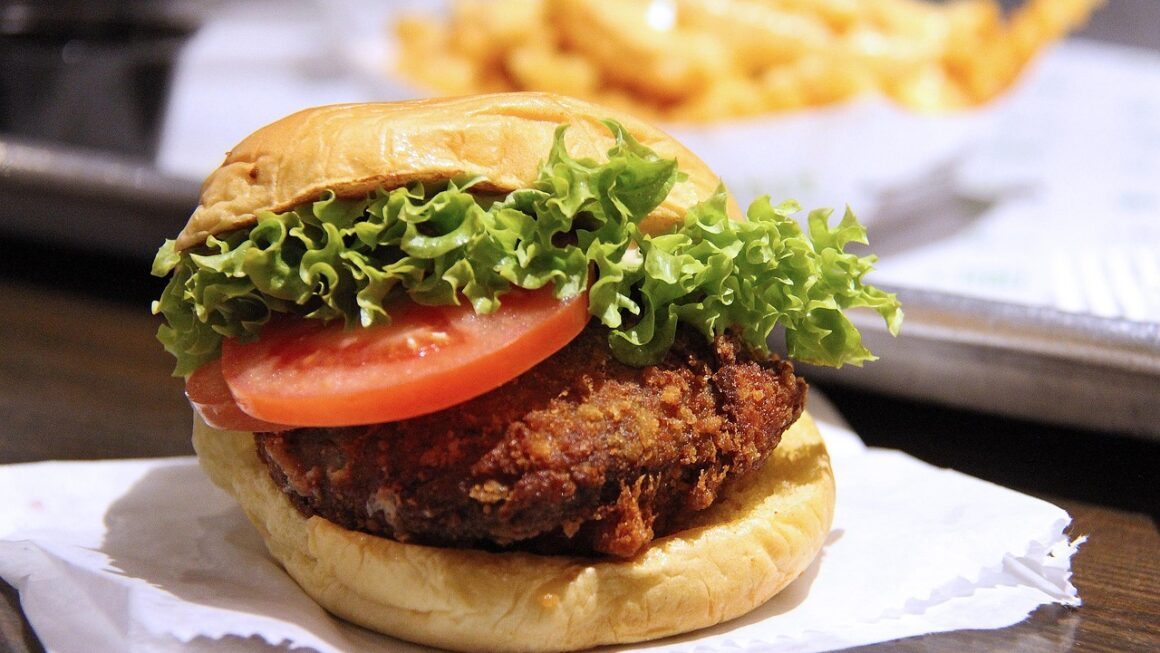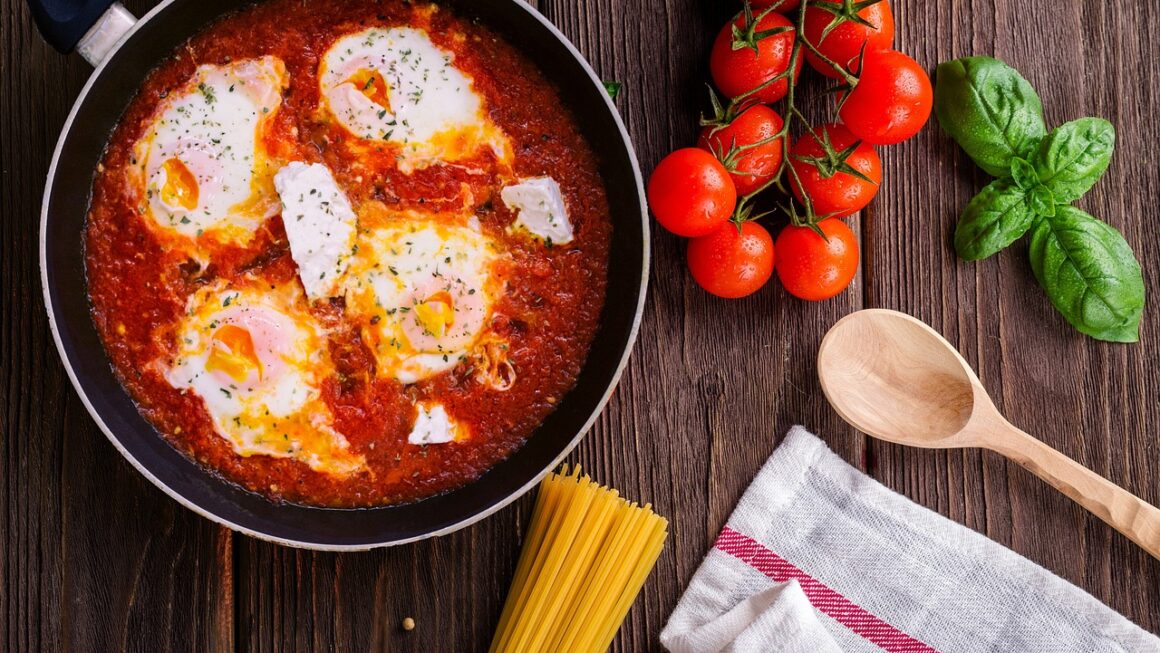
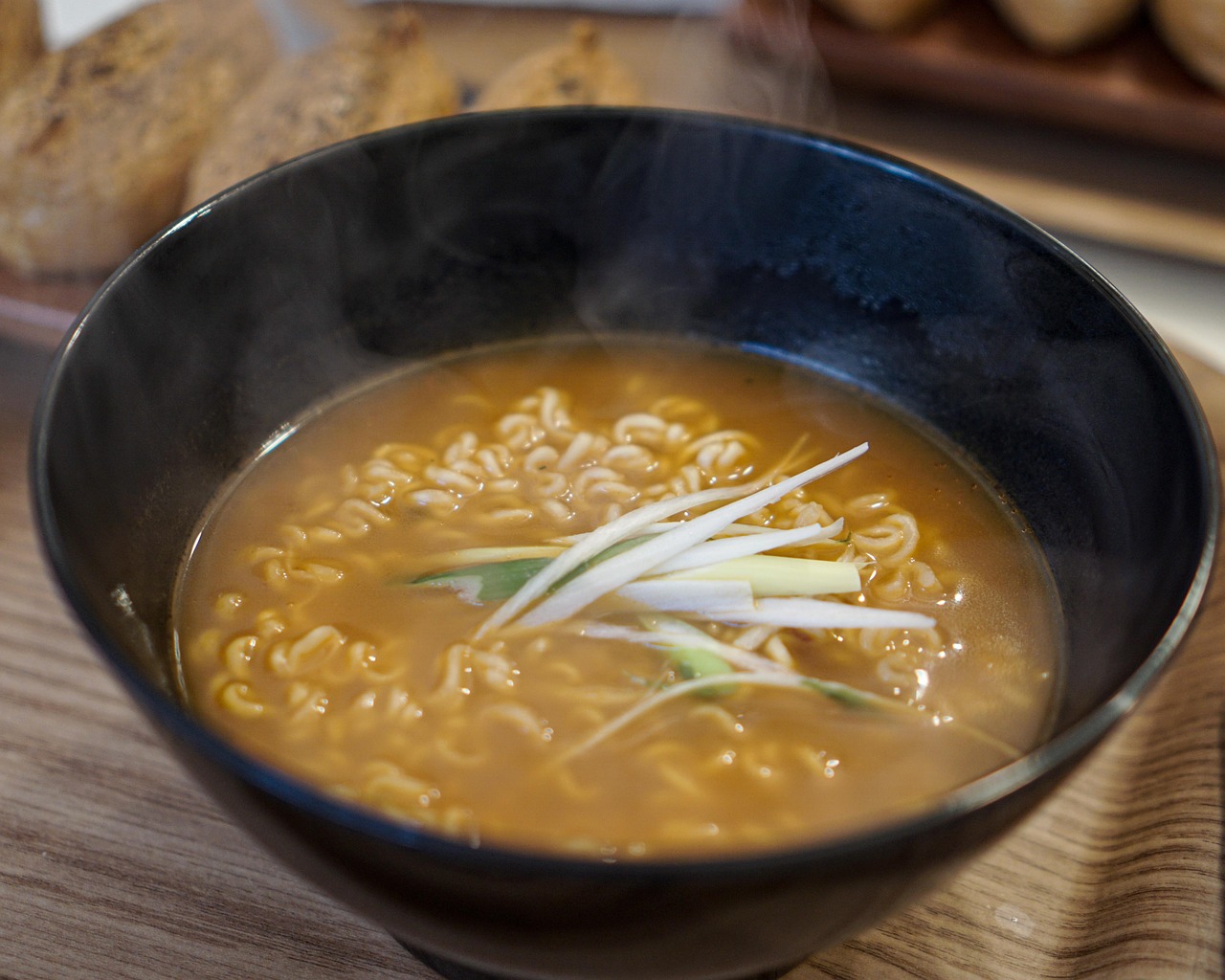
There’s a universal language spoken through food, and perhaps its most comforting dialect is “comfort food dinners.” After a long day, whether it’s battling deadlines, navigating busy streets, or simply facing the everyday grind, the thought of a warm, familiar, and utterly satisfying meal can be the ultimate balm for the soul. These aren’t just meals; they’re experiences – a hug on a plate, a nostalgic journey back to childhood, or simply a delicious way to unwind. From bubbling casseroles to rich, slow-cooked stews, comfort food dinners offer more than just sustenance; they provide a profound sense of well-being, connection, and pure, unadulterated joy. Let’s dive into the wonderful world of dishes that nourish both body and spirit.
What Makes a Dinner “Comfort Food”? Understanding the Core Elements
Defining comfort food goes beyond a simple recipe; it’s about the feeling it evokes. While individual preferences vary, several core elements consistently contribute to a dish earning its comforting status.
Emotional Resonance & Nostalgia
- Childhood Memories: Many comfort foods are deeply tied to our past, reminiscent of meals prepared by parents or grandparents. The smell of a specific dish can instantly transport us back to simpler times.
- Sense of Security: These foods often represent stability and safety, reinforcing positive emotional associations.
Actionable Takeaway: To create your own comfort food, think about dishes from your past that bring you joy and try to recreate them, or find new recipes that mimic those comforting flavors and textures.
Flavor Profile & Texture
- Rich & Savory: Comfort foods are typically rich in umami, often featuring slow-cooked meats, robust broths, or creamy sauces. Think hearty, not necessarily delicate.
- Warmth: Served warm or hot, contributing to a physical sense of coziness.
- Pleasing Textures: Often soft, tender, and yielding (like mashed potatoes or slow-cooked meats), sometimes contrasted with a satisfying crispness (like a crunchy topping on a casserole).
- Familiar Spices: While diverse, many comfort foods rely on a pantry of common, well-loved spices that contribute to their recognizable taste.
Actionable Takeaway: Don’t shy away from rich ingredients like butter, cream, or cheese when crafting a comfort meal – they’re key to the desired depth of flavor and satisfying texture.
Simplicity & Wholesomeness
- Uncomplicated Ingredients: Often made with basic, readily available ingredients that don’t require specialized shopping.
- Straightforward Preparation: While some may take time (like a slow roast), the steps are generally not overly complex or intimidating.
- Hearty Portions: Meant to fill you up and satisfy, often yielding leftovers for continued enjoyment.
Actionable Takeaway: Focus on fresh, quality ingredients for simple dishes, as their inherent goodness will shine through.
Classic Comfort Food Dinners: Timeless Favorites
Certain dishes have cemented their place in the comfort food hall of fame, beloved across generations and cultures. These are the go-to meals when you need warmth, satisfaction, and a taste of home.
Hearty & Homey Dishes
- Macaroni and Cheese: The quintessential comfort food. Whether it’s a creamy stovetop version or a baked casserole with a crispy breadcrumb topping, it’s pure bliss. Tip: Use a blend of cheeses (cheddar, Gruyere, a touch of cream cheese) for complex flavor.
- Shepherd’s Pie / Cottage Pie: A savory meat filling (beef for Cottage Pie, lamb for Shepherd’s Pie) topped with fluffy mashed potatoes and baked until golden. A complete meal in one dish.
- Meatloaf with Mashed Potatoes and Gravy: A classic American dinner that’s simple yet incredibly satisfying. The rich gravy ties it all together.
Actionable Takeaway: Invest in a good quality cast iron skillet or baking dish – they distribute heat evenly and contribute to that perfect crust and texture for many of these classics.
Soups, Stews & Chilis
- Chicken Noodle Soup: The ultimate cold-weather remedy and soul soother. Homemade broth makes all the difference.
- Beef Stew: Tender chunks of beef and root vegetables simmered in a rich, savory gravy. Perfect for a slow cooker or Dutch oven.
- Chili Con Carne: A versatile and flavorful dish, perfect with cornbread or over rice. Customize with your favorite beans, meats, and spice levels.
Actionable Takeaway: For deeper flavor in stews and chilis, brown your meat thoroughly before adding liquids, and allow ample simmering time for flavors to meld.
Pasta & Casseroles
- Lasagna: Layers of pasta, rich meat sauce, creamy béchamel or ricotta, and melted cheese. A labor of love that pays off in deliciousness.
- Baked Ziti / Pasta Bakes: Similar to lasagna but often simpler, combining pasta with sauce, meat (optional), and plenty of cheese, then baked.
- Tuna Noodle Casserole: A nostalgic favorite featuring egg noodles, canned tuna, a creamy sauce, and often a crunchy topping.
Actionable Takeaway: Don’t underestimate the power of a crispy, cheesy, or breadcrumb topping on a casserole – it adds crucial texture and flavor contrast.
Modern Twists on Comfort Food: Elevating the Classics
While classics are timeless, modern culinary trends allow us to explore new dimensions of comfort food, making them healthier, more gourmet, or globally inspired without losing their comforting essence.
Gourmet Upgrades & Elevated Ingredients
- Truffle Mac and Cheese: Adding truffle oil or actual truffles elevates a simple mac and cheese into a luxurious experience.
- Short Rib Ragu with Pappardelle: Slow-braised, melt-in-your-mouth short ribs in a rich tomato sauce, served over wide pasta.
- Gourmet Grilled Cheese: Think artisan breads, aged cheeses, caramelized onions, or fig jam for a grown-up version of a childhood favorite.
Actionable Takeaway: Even small upgrades, like using fresh herbs or a higher quality cheese, can significantly enhance the flavor of a classic comfort dish.
Healthier Comfort Options
- Cauliflower Mashed “Potatoes”: A low-carb, nutrient-dense alternative that still provides a creamy, satisfying side.
- Lighter Cream Sauces: Using Greek yogurt, pureed vegetables, or evaporated milk can reduce fat while maintaining creaminess.
- Vegetable-Packed Versions: Loading up casseroles, stews, and chilis with extra vegetables boosts nutrition without sacrificing flavor.
Actionable Takeaway: Substitute refined grains with whole grains (e.g., whole wheat pasta) or add a hidden vegetable puree to sauces for a nutrient boost without altering the comfort factor too much.
Global Comfort Food Influences
- Japanese Ramen: A deeply flavorful broth, tender noodles, and an array of toppings create a bowl of ultimate warmth and satisfaction.
- Indian Curries: Rich, aromatic, and often creamy, curries like Butter Chicken or Saag Paneer offer profound comfort with complex spice profiles.
- Mexican Enchiladas: Corn or flour tortillas filled with meat or cheese, smothered in a rich sauce, and baked until bubbly.
- Italian Risotto: Creamy, slow-cooked rice dishes, often infused with mushrooms, saffron, or parmesan, epitomize elegant comfort.
Actionable Takeaway: Explore comfort foods from different cultures – you might discover a new favorite that offers a fresh perspective on what “comfort” can taste like.
The Science and Psychology Behind Comfort Eating
Why do we instinctively reach for certain foods when we’re stressed, sad, or simply seeking a feeling of ease? The answer lies in a fascinating interplay of biology, psychology, and learned behaviors.
Hormonal & Neurochemical Responses
- Serotonin Boost: Many comfort foods are rich in carbohydrates, which temporarily increase levels of serotonin in the brain – a neurotransmitter associated with feelings of well-being and happiness.
- Oxytocin Release: The act of sharing a meal, especially one prepared with love, can stimulate oxytocin, the “bonding hormone,” which promotes feelings of connection and trust.
Actionable Takeaway: Acknowledge that comfort eating has a physiological basis, but also be mindful of portion sizes and balance with nutritious choices.
Memory Association & Conditioning
- Pavlovian Response: Just like Pavlov’s dogs, we can become conditioned to associate certain foods with positive experiences (e.g., grandma’s cookies with warmth and love). Over time, merely seeing or smelling these foods can trigger those comforting emotions.
- Emotional Regulation: In moments of stress or sadness, comfort foods can provide a temporary distraction and a perceived sense of relief, helping us cope with difficult emotions.
Actionable Takeaway: Create new positive memories around comfort foods by cooking them with loved ones or celebrating special occasions with these dishes.
The Role of Sensory Experience
- Warmth: The physical warmth of a hearty stew or hot soup contributes directly to a feeling of coziness and security.
- Rich Textures: Creamy, soft, and unctuous textures are often associated with indulgence and satisfaction, stimulating pleasure centers in the brain.
Actionable Takeaway: Pay attention to the full sensory experience when eating comfort food – savor the aroma, feel the warmth, appreciate the textures, and truly taste each bite.
Tips for Crafting the Ultimate Comfort Food Dinner Experience
Elevating a simple comfort food dinner from good to unforgettable involves attention to detail, quality ingredients, and a touch of passion.
Quality Ingredients & Preparation Techniques
- Invest in Good Stock/Broth: A high-quality homemade or store-bought stock forms the backbone of many comforting soups, stews, and sauces.
- Slow Cooking is Key: Many comfort foods benefit from long, slow cooking methods (braising, simmering, slow roasting) which tenderize meats, meld flavors, and create incredible depth.
- Don’t Skimp on Fat (Responsibly): Butter, olive oil, and rendered fats contribute significantly to flavor and mouthfeel in comfort dishes. Use them wisely for maximum impact.
Actionable Takeaway: Plan ahead for dishes that require longer cooking times; the patience will be rewarded with richer flavors.
Enhancing Flavor & Aroma
- The Power of Herbs & Spices: Fresh herbs like parsley, thyme, and rosemary, along with warm spices like paprika, cumin, and bay leaves, can transform a dish.
- Aromatics Base: Always start with a sofrito (onions, carrots, celery) or mirepoix as the foundation for deep flavor in many savory dishes.
- Acids for Brightness: A squeeze of lemon juice or a splash of vinegar at the end of cooking can brighten rich dishes and prevent them from tasting heavy.
Actionable Takeaway: Taste your food frequently throughout the cooking process and adjust seasonings; don’t be afraid to experiment with spices.
Presentation & Serving Suggestions
- Garnish Generously: A sprinkle of fresh herbs, a dollop of sour cream, or a grating of cheese can make even the humblest comfort food look appealing.
- Serve Warm: Ensure comfort foods are served piping hot to enhance their physical comforting qualities.
- Thoughtful Pairings:
- Bread: Crusty bread for dipping in stews or soaking up sauces.
- Simple Salad: A light, fresh salad can provide a welcome contrast to rich main dishes.
- Drinks: A glass of red wine with a beef stew or a crisp cider with a pot roast complements the meal beautifully.
Actionable Takeaway: Even if it’s just for yourself, take a moment to plate your comfort food nicely – enjoying with your eyes is part of the experience.
Batch Cooking & Freezing
- Double the Recipe: Many comfort foods (stews, chilis, casseroles, meatloaf) freeze exceptionally well. Cook a double batch and freeze half for a future easy meal.
- Portion Control: Freeze individual portions for quick, comforting lunches or dinners when you don’t have time to cook from scratch.
Actionable Takeaway: Label and date your frozen meals clearly so you know exactly what you have and when to consume it.
Conclusion
Comfort food dinners are more than just meals; they are culinary anchors, grounding us in warmth, nostalgia, and pure deliciousness. They nourish not only our bodies but also our souls, offering a welcome respite from the demands of daily life. Whether you’re simmering a classic beef stew, baking a cheesy lasagna, or exploring global comfort like a fragrant Indian curry, the goal remains the same: to create an experience that feels like a warm hug from the inside out.
Embrace the joy of cooking and savoring these heartfelt meals. Experiment with new recipes, rediscover old favorites, and most importantly, enjoy the profound sense of comfort they bring to your dinner table. What’s your go-to comfort food dinner? Share your favorites and inspire others!