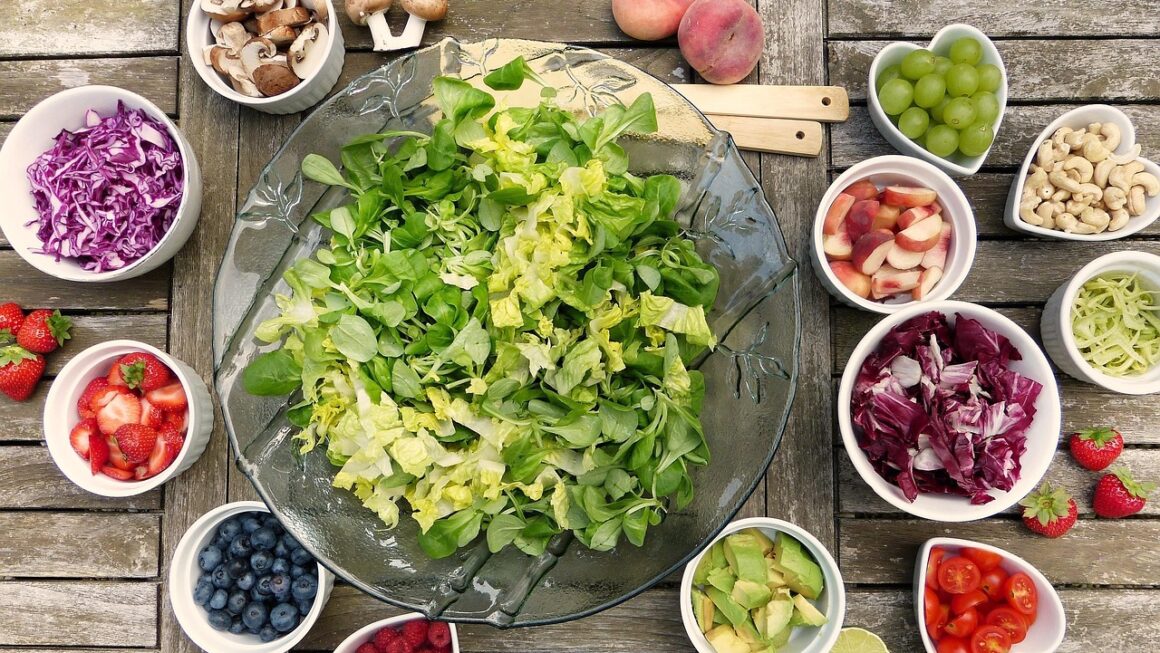
Tired of the daily “what’s for dinner?” dilemma? Imagine a week where healthy, delicious, and entirely plant-based meals are ready and waiting, freeing up your evenings and saving you money. Welcome to the world of vegan meal prep! This isn’t just about cooking ahead; it’s a lifestyle hack that transforms your relationship with food, bringing structure, nutrition, and peace of mind to your busy schedule. Whether you’re a seasoned vegan or just curious about incorporating more plant-based meals, mastering the art of vegan meal prep will revolutionize your kitchen and your well-being. Let’s dive into practical, mouth-watering ideas that make healthy eating effortless.
Why Embrace Vegan Meal Prep?
Vegan meal prep isn’t just a trend; it’s a powerful strategy for anyone looking to optimize their health, manage their time, and reduce their environmental footprint. The benefits extend far beyond just having food ready to eat.
Unleash Health & Nutritional Benefits
- Consistent Nutrient Intake: Planning meals ensures you’re consistently getting a diverse range of vitamins, minerals, fiber, and plant-based protein. Say goodbye to nutrient gaps from last-minute, less-healthy choices.
- Weight Management: Pre-portioned meals help control serving sizes, making it easier to stick to your dietary goals without feeling deprived.
- Increased Whole Foods: Meal prepping naturally encourages the use of whole, unprocessed ingredients like vegetables, fruits, legumes, and grains, reducing reliance on packaged foods.
- Support for Specific Diets: Easily tailor your meals to be gluten-free, high-protein, low-carb, or allergy-friendly, ensuring you meet your specific health needs.
Save Time, Money & Reduce Stress
- Time Efficiency: Dedicate a few hours once or twice a week to cooking, and enjoy stress-free meals for days. This frees up precious evening time for hobbies, family, or relaxation. A study by the Journal of the Academy of Nutrition and Dietetics found that individuals who meal prepped consumed more vegetables and spent less on food.
- Budget-Friendly: Buying ingredients in bulk and cooking from scratch is almost always cheaper than eating out or relying on convenience foods. You’ll also minimize impulse purchases at the grocery store.
- Minimize Food Waste: With a clear plan, you buy only what you need and use ingredients efficiently, significantly cutting down on food spoilage and waste.
- Reduce Decision Fatigue: Eliminate the daily dilemma of what to cook. Your meals are planned, prepped, and ready, making healthy eating the default choice.
Positive Environmental Impact
- Lower Carbon Footprint: A plant-based diet inherently has a lower environmental impact than one heavy in animal products. Meal prepping reinforces this by reducing food waste and potentially transportation emissions from frequent grocery trips.
- Sustainable Habits: It encourages mindful consumption and a deeper connection to your food sources, fostering more sustainable long-term eating habits.
Essential Vegan Meal Prep Strategies
To truly master vegan meal prep, you need a solid game plan. It’s not just about cooking a lot of food; it’s about smart planning, efficient execution, and proper storage.
The Power of Planning: Your Weekly Vegan Meal Plan
- Theme Your Week: Assign themes like “Taco Tuesday” or “Curry Night” to simplify meal idea generation.
- Build Around Staples: Choose 2-3 main protein sources (lentils, chickpeas, tofu), 2-3 complex carbs (quinoa, brown rice, sweet potatoes), and a variety of vegetables.
- Check Your Calendar: Consider your schedule for the upcoming week. Do you have a busy evening where a no-fuss meal is essential? Plan for that.
- Create a Detailed Grocery List: Once your meals are planned, list every ingredient you’ll need, organized by grocery store section. This saves time and prevents impulse buys.
Batch Cooking Basics for Vegan Prep
Batch cooking is the cornerstone of efficient vegan meal prep. Focus on components that can be used in multiple dishes.
- Grains Galore: Cook a large batch of quinoa, brown rice, farro, or couscous. These form the base of bowls, salads, and even stir-fries.
Example: Cook 4 cups of dry quinoa to yield about 12 cups cooked. This can serve as a base for lunches and dinners for several days.
- Legumes & Lentils: Cook dried beans (chickpeas, black beans, kidney beans) from scratch in an Instant Pot or slow cooker, or simply stock up on canned varieties. Lentils cook quickly and are incredibly versatile.
Example: Prepare a large pot of basic seasoned black beans to use in tacos, burritos, or as a side.
- Roasted Vegetables: Chop and roast a variety of vegetables (broccoli, bell peppers, sweet potatoes, Brussels sprouts, carrots) with olive oil and spices. They’re great for adding to almost any meal.
Tip: Roast higher water content veggies (like zucchini) separately to prevent sogginess.
- Protein Powerhouses: Bake or pan-fry a large block of tofu or tempeh, marinate and bake a batch of seitan, or cook up some high-protein pasta.
Smart Storage Solutions & Food Safety
Proper storage is crucial to keep your prepped meals fresh and safe.
- Airtight Containers: Invest in high-quality glass or BPA-free plastic containers. Glass is ideal as it doesn’t stain or retain odors and can be microwaved.
- Portion Control: Use containers that match your ideal serving sizes. This makes grabbing a meal quick and prevents overeating.
- Cool Completely: Always allow food to cool completely before transferring it to containers and refrigerating. This prevents condensation and bacterial growth.
- Label & Date: Clearly label containers with the meal name and date. Most prepped vegan meals will last 3-5 days in the refrigerator.
- Freezer-Friendly: For longer storage (weeks to months), choose freezer-safe containers for items like soups, chilis, cooked grains, and some sauces.
Delicious Vegan Meal Prep Ideas for Breakfast & Lunch
Kickstart your day and power through your midday slump with these convenient and nutritious vegan meal prep options.
Power-Packed Vegan Breakfasts
- Overnight Oats:
- How to Prep: Combine rolled oats, plant milk, chia seeds, and your choice of sweetener in individual jars.
- Flavor Combos: Try berry-vanilla, peanut butter-banana, apple-cinnamon, or chocolate-cherry. Top with fresh fruit, nuts, or seeds right before serving.
- Shelf Life: 3-4 days in the fridge.
- Chia Seed Puddings:
- How to Prep: Whisk chia seeds with plant milk and a sweetener. Let it thicken in the fridge.
- Flavor Combos: Mango-passionfruit, matcha-coconut, or a simple vanilla bean. Layer with fruit compotes or granola.
- Shelf Life: 5-7 days in the fridge.
- Vegan Breakfast Burritos:
- How to Prep: Scramble tofu with black beans, bell peppers, onions, and spices. Fill whole wheat tortillas, wrap tightly in foil, and store in the fridge or freezer.
- Reheat: Microwave or bake in the oven until warmed through.
- Shelf Life: 3-4 days in the fridge, up to 1 month in the freezer.
Satisfying Vegan Lunches
- Hearty Grain Bowls:
- How to Prep: Cook a batch of quinoa or brown rice. Roast a variety of vegetables (sweet potatoes, broccoli, carrots). Prepare a protein (baked tofu, tempeh, or cooked lentils). Make a batch of dressing (tahini-lemon, peanut sauce).
- Assemble: Layer grain, veggies, protein, and a drizzle of dressing. Keep dressing separate until serving to prevent sogginess.
- Shelf Life: 3-5 days in the fridge (components stored separately).
- Mason Jar Salads:
- How to Prep: Layer dressing at the bottom, followed by hardier vegetables (carrots, bell peppers, cucumbers), then grains or beans, then delicate greens at the top.
- Why it Works: This layering prevents greens from getting soggy. Shake before eating.
- Shelf Life: 3-5 days in the fridge.
- Deconstructed Wraps & Sandwiches:
- How to Prep: Prepare fillings like hummus, roasted red pepper spread, sliced cucumber, shredded carrots, pre-cooked spiced chickpeas, or a batch of chickpea salad.
- Assemble Daily: Keep components separate and assemble your wrap or sandwich fresh each day.
- Shelf Life: Fillings last 3-5 days in the fridge.
Wholesome Vegan Dinner & Snack Prep
Dinner is often where meal prep truly shines, offering a comforting, ready-made meal after a long day. Don’t forget those crucial snacks to keep you energized between meals!
Hearty Vegan Dinners
- Lentil Soup or Chili:
- How to Prep: Cook a large pot of your favorite lentil soup or vegan chili. These dishes often taste even better the next day!
- Customization: Add a dollop of vegan sour cream, fresh cilantro, or avocado before serving.
- Shelf Life: 5-7 days in the fridge, or freeze individual portions for up to 3 months.
- Vegan Curries & Stews:
- How to Prep: Make a big batch of coconut curry with chickpeas, vegetables (sweet potatoes, spinach, cauliflower), or a hearty bean stew.
- Serve With: Cook a separate batch of rice or quinoa to serve alongside.
- Shelf Life: 4-5 days in the fridge, or freeze for longer.
- Pasta Sauces & Stir-Fry Components:
- How to Prep: Prepare a large batch of marinara sauce, pesto, or a savory stir-fry sauce. Chop and separate stir-fry vegetables and protein (tofu/tempeh).
- Assemble: Cook pasta or noodles fresh, then combine with the pre-made sauce or quickly stir-fry the prepped components.
- Shelf Life: Sauces 5-7 days in fridge, prepped veggies 3-4 days.
Smart & Satisfying Vegan Snacks
- Hummus & Veggie Sticks:
- How to Prep: Make a batch of homemade hummus or buy a large tub. Wash, peel, and chop carrots, celery, bell peppers, and cucumbers into sticks.
- Portion: Divide hummus into small containers with a side of veggie sticks.
- Shelf Life: Hummus 5-7 days, prepped veggies 3-5 days.
- Fruit & Nut Butter Packs:
- How to Prep: Slice apples or pears and portion out some almond or peanut butter into small containers.
- Tip: Squeeze a little lemon juice on sliced fruit to prevent browning.
- Shelf Life: Sliced fruit 2-3 days, nut butter longer.
- Energy Bites or Bars:
- How to Prep: Combine oats, dates, nuts, seeds, and flavors like cocoa powder or shredded coconut in a food processor. Roll into balls or press into a pan and cut into bars.
- Storage: Store in an airtight container in the fridge or freezer.
- Shelf Life: 1-2 weeks in the fridge, up to 1 month in the freezer.
Advanced Vegan Meal Prep Hacks & Customization
Ready to level up your vegan meal prep? These hacks will add flavor, variety, and convenience to your routine, ensuring you never get bored.
Flavor Boosting Essentials
Don’t let your prepped meals be bland! Prepare flavor boosters that can elevate any dish.
- Homemade Dressings & Sauces: Make big batches of versatile dressings like tahini-lemon, vinaigrettes, or peanut sauce. Store them in squeeze bottles or jars.
- Spice Blends & Marinades: Create your own curry powder, taco seasoning, or a quick marinade for tofu/tempeh.
- Herbs & Aromatics: Chop garlic, ginger, and onions in advance. Store fresh herbs (parsley, cilantro) correctly to keep them vibrant longer.
Freezer-Friendly Vegan Meals
The freezer is your best friend for long-term meal prep. Think beyond soups and chilis.
- Batch Cook & Freeze: Lentil loaves, bean burgers, cooked grains, and even some cooked vegetables (like roasted sweet potatoes) freeze well.
- Smoothie Packs: Portion out fruits, greens, and seeds into individual freezer bags. Add plant milk and blend when ready.
- Pre-Marinated Proteins: Marinate tofu, tempeh, or seitan and freeze. Thaw and cook fresh when needed.
Adapting to Dietary Needs & Preferences
Vegan meal prep is highly customizable, making it perfect for specific dietary requirements.
- Gluten-Free: Opt for quinoa, brown rice, gluten-free oats, and corn tortillas. Ensure all packaged ingredients are certified GF.
- High Protein: Focus on legumes, tofu, tempeh, seitan, high-protein pasta, and protein powders in smoothies.
- Low Carb: Use cauli-rice, zoodles, and prioritize non-starchy vegetables. Pair with high-protein vegan options.
- Oil-Free: Use vegetable broth for sautéing, and oil-free dressings like tahini-lemon or nut-based sauces.
Don’t Forget the Greens: Storing Leafy Vegetables
Leafy greens are essential but can wilt quickly. Here’s how to keep them fresh:
- Wash & Dry Thoroughly: Use a salad spinner to remove as much moisture as possible.
- Paper Towel Method: Line an airtight container with a paper towel, add greens, and place another paper towel on top. This absorbs excess moisture.
- Store Away from Ethylene Producers: Keep greens away from fruits like apples and bananas, which release ethylene gas that speeds up spoilage.
Conclusion
Embracing vegan meal prep is one of the most impactful changes you can make for your health, your wallet, and your peace of mind. From vibrant breakfast jars to hearty dinners and smart snacks, the possibilities are endless and deliciously plant-based. By implementing smart planning, efficient batch cooking, and proper storage, you’ll transform your kitchen into a hub of healthy, ready-to-eat meals. Take the leap, experiment with these ideas, and discover the incredible freedom that comes with a well-stocked fridge and a week of delicious vegan food. Happy prepping!