Thinking about embracing a vegan lifestyle but worried about the cost and complexity? You’re not alone! A common misconception is that plant-based eating automatically translates to expensive specialty ingredients and endless hours in the kitchen. However, we’re here to bust that myth wide open. Eating vegan can be incredibly affordable, satisfying, and refreshingly simple. With a few smart strategies and a focus on wholesome, budget-friendly staples, you can enjoy delicious, nutritious vegan meals without breaking the bank or sacrificing your precious time. Get ready to discover how cheap and easy vegan meals can become a staple in your culinary repertoire!
The Foundation: Harnessing Affordable Vegan Staples
The secret to budget-friendly vegan eating lies in your pantry. By stocking up on versatile, long-lasting, and inexpensive ingredients, you create a robust foundation for countless delicious meals. These staples are often the most nutrient-dense and form the backbone of a truly cost-effective plant-based diet.
Grains and Legumes – Your Budget Superheroes
These powerhouses are your best friends when it comes to creating satisfying, protein-rich, and incredibly inexpensive vegan meals. Always opt for dried varieties when possible, as they are significantly cheaper per serving than their canned counterparts.
- Lentils: Red, green, or brown lentils are quick-cooking, packed with protein and fiber. They’re perfect for soups, stews, hearty dahl, or even forming the base of a “meat” loaf or veggie burgers.
- Beans (dried): Black beans, pinto beans, kidney beans, cannellini beans – the variety is endless. Buying them dried in bulk offers immense savings. Use them in chili, burritos, salads, dips, or homemade refried beans.
- Rice: A global staple for a reason. Brown rice provides more fiber and nutrients, while white rice is incredibly versatile. Buy large bags for the best value.
- Pasta: Inexpensive and available in many shapes and forms, pasta is a go-to for quick and filling meals. Pair it with simple vegetable-based sauces.
- Oats: Beyond breakfast porridge, oats can be used as a binder in veggie burgers, a thickener for soups, or even in savory dishes.
Versatile Vegetables and Fruits
While fresh produce can sometimes feel pricey, smart choices and preservation methods keep costs down.
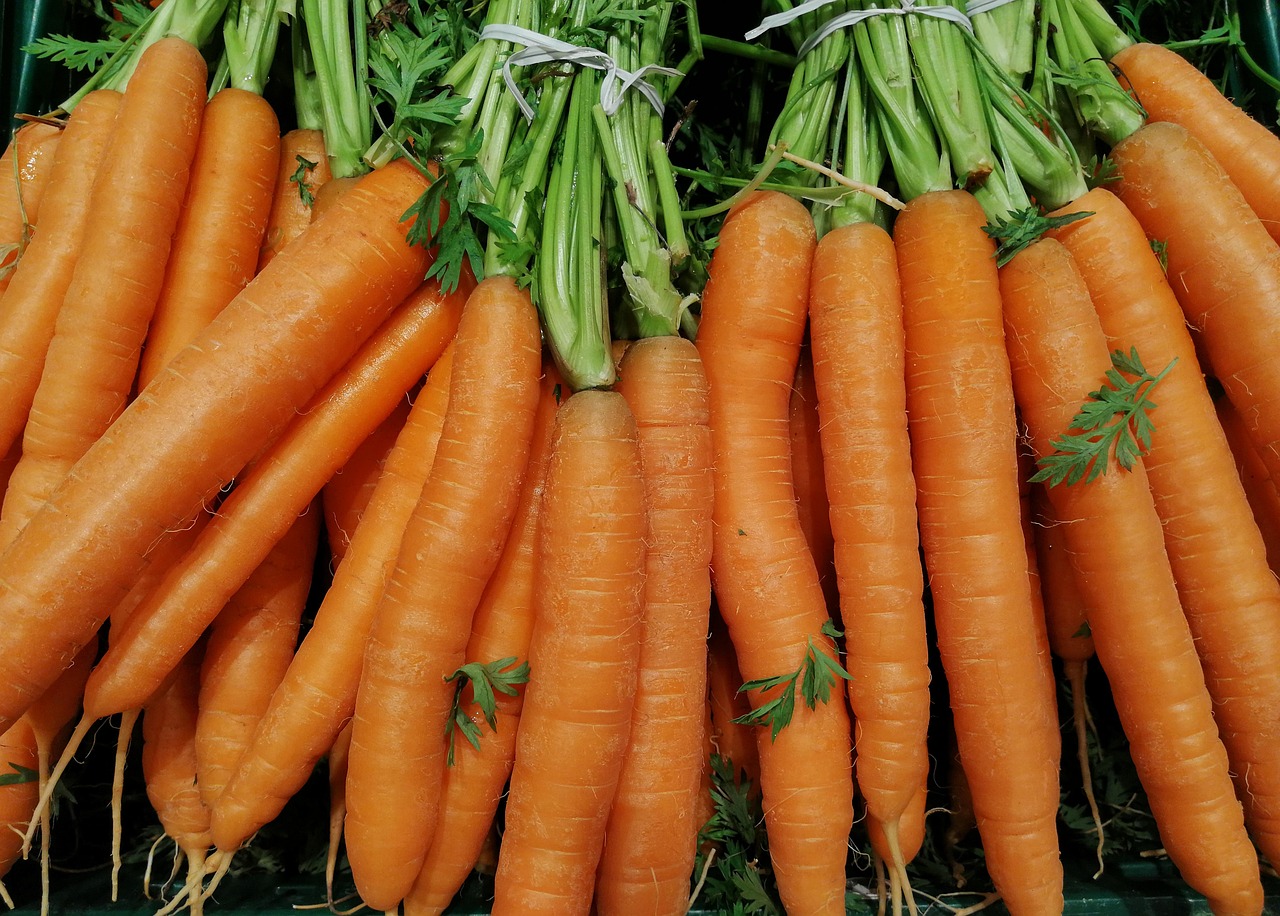
- Root Vegetables: Potatoes, carrots, onions, sweet potatoes, and garlic are incredibly affordable, offer excellent nutritional value, and have a long shelf life, making them perfect pantry residents.
- Seasonal Produce: Always prioritize what’s in season locally. It’s not only fresher and tastes better but is also significantly cheaper due to abundance.
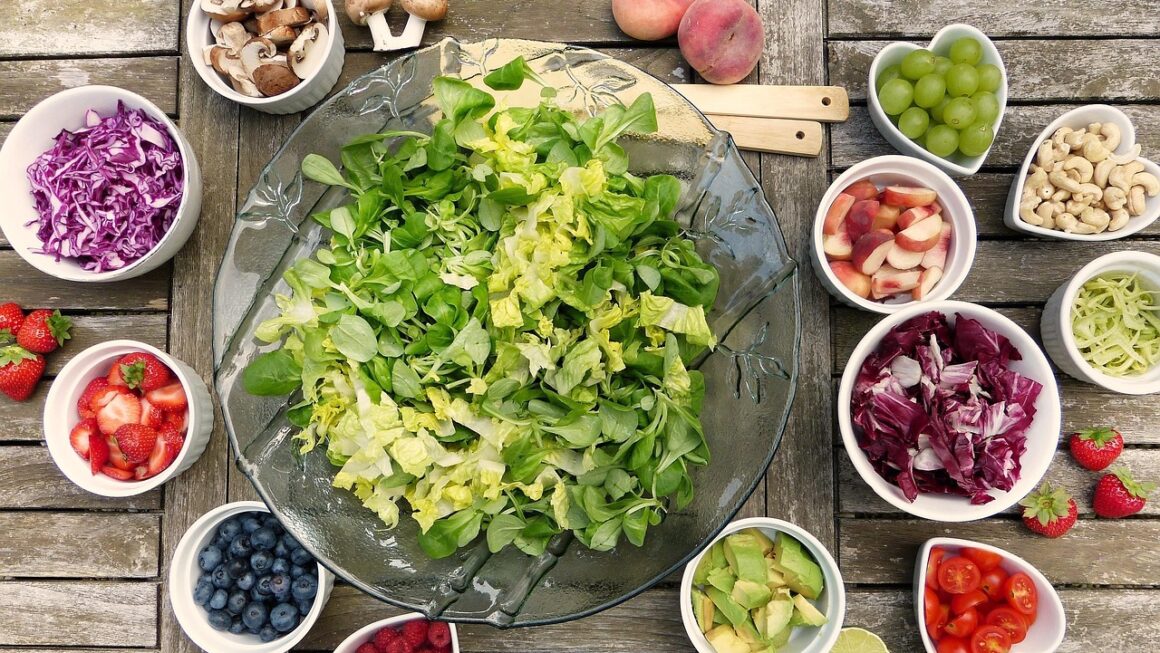
- Frozen Fruits & Veggies: Don’t underestimate the power of the freezer aisle! Frozen berries, spinach, peas, corn, and mixed vegetables are often cheaper than fresh alternatives (especially out of season), just as nutritious, and prevent spoilage.
Essential Flavor Boosters
These ingredients amplify the taste of simple dishes, making them feel gourmet without the added expense.
- Spices & Herbs: Buy larger containers or in bulk from ethnic markets for better value. Cumin, chili powder, garlic powder, onion powder, paprika, turmeric, oregano, and dried basil are excellent starting points.
- Vinegars & Oils: Apple cider vinegar, white vinegar, vegetable oil, and olive oil (when on sale) are kitchen essentials for dressings, sautéing, and adding tang.
- Nutritional Yeast: A vegan secret weapon! It provides a cheesy, savory flavor that’s fantastic in sauces, sprinkled on popcorn, or added to tofu scrambles.
- Affordable Plant Milks: Look for store-brand soy milk or oat milk, which are often the most economical choices for drinking, cooking, and baking.
Actionable Takeaway: Stock your pantry strategically with these core ingredients. They are the backbone of countless inexpensive, nutritious, and delicious vegan meals. Aim to buy dried beans/lentils and large bags of grains.
Smart Shopping: Your Wallet’s Best Friend
Having a well-stocked pantry is just one piece of the puzzle. How and where you shop can dramatically impact your grocery bill. With a few intentional habits, you can become a savvy shopper and keep your food budget firmly in check.
Plan Before You Shop
Impulse buys and unplanned trips are the enemies of a tight budget. A little preparation goes a long way.
- Meal Plan: Dedicate a short time each week to plan your meals. This prevents daily “what’s for dinner?” stress and ensures you only buy what you need.
- Make a List: Stick to your grocery list religiously. This curbs impulse purchases and ensures you don’t forget essential items, preventing extra trips.
- Check Weekly Ads: Browse grocery store flyers and apps for sales. Build your meal plan around discounted produce, grains, and pantry staples.
Shop Smart at the Store
Where and how you navigate the aisles can lead to significant savings.
- Embrace Bulk Bins: For grains, beans, lentils, pasta, nuts, seeds, and spices, buying from the bulk section is almost always cheaper than pre-packaged options. Bring your own reusable bags or containers to reduce waste.
- Choose Store Brands: Generic or store-brand products often offer the same quality as name brands but at a fraction of the cost. This is especially true for canned goods, pasta, and plant milks.
- Explore Ethnic Markets: These are treasure troves for affordable and exotic spices, unique and budget-friendly produce, and large bags of grains and legumes at unbeatable prices.
- Don’t Shun Canned & Frozen: As mentioned before, frozen fruits and vegetables are excellent. Canned tomatoes, beans, and corn are fantastic for quick meals and long-term storage.
Grow Your Own (Even a Little!)
You don’t need a huge garden to benefit from growing your own food. Even small efforts can save you money and provide fresh flavor.
- Start Small: Begin with herbs like basil, parsley, cilantro, or green onions in a windowsill pot. Fresh herbs can be surprisingly expensive at the store.
- Regrow Scraps: Many vegetables like romaine lettuce, celery, and green onions can be regrown from their bases in a shallow dish of water.
Actionable Takeaway: Strategic meal planning, diligent list-making, and savvy shopping habits like utilizing bulk bins and store brands can cut your grocery bill dramatically, making vegan eating incredibly budget-friendly.
Meal Prep Mastery: Time & Money Saved
Efficient meal preparation is a cornerstone of both a time-saving and budget-conscious vegan lifestyle. By dedicating a little time upfront, you prevent food waste, ensure you always have healthy options, and avoid costly last-minute takeout.
Batch Cooking for Big Savings
Cook large quantities of staple ingredients that can be mixed and matched throughout the week.
- Cook Grains & Legumes: Dedicate an hour once a week to cook big batches of rice, quinoa, and various beans/lentils (from dried, if possible). Store them in airtight containers in the fridge or freeze portions.
- Chop Vegetables: Pre-chop onions, peppers, carrots, celery, and other resilient vegetables. This makes quick stir-fries, soups, or salads a breeze on busy weeknights.
- Make a Big Batch of Sauce: A large pot of homemade tomato sauce, a simple pesto (using affordable greens like spinach or kale), or a versatile savory dressing can elevate multiple meals and save you from buying expensive jarred options.
Repurposing Ingredients Creatively
Minimizing food waste is crucial for saving money. Learn to see leftovers as new opportunities!
- Leftover Rice: Transform it into fried rice, rice bowls, or even use it as a binder for veggie burgers.
- Cooked Beans: Mash them into a quick dip, add them to salads, use them as a filling for burritos, or blend them into a hearty soup.
- Wilting Greens: Don’t throw them out! Sauté them into a stir-fry, add them to a pasta sauce, or blend them into a smoothie.
Freezer-Friendly Meals
Your freezer is your best friend for convenience and budget management. Prepare extra portions of these meals to freeze for future quick dinners.
- Soups & Stews: Almost all vegan soups and stews, especially lentil, bean, and vegetable-based ones, freeze beautifully.
- Chili & Curries: Excellent for batch cooking. Freeze individual portions for quick, wholesome meals.
- Veggie Burgers & Lentil Loaf: Prepare the patties or loaves and freeze them cooked or uncooked. Simply thaw and cook when needed.
Actionable Takeaway: Invest a couple of hours each week into meal prep. This habit will save you significant money and time, ensuring you always have quick, healthy, and affordable vegan options on hand, preventing costly last-minute purchases.
Delicious & Dirt-Cheap Vegan Meal Ideas
Now for the fun part – putting it all together! These practical, budget-friendly meal ideas demonstrate just how easy and inexpensive vegan cooking can be. They focus on the staples we’ve discussed and require minimal fuss.
Hearty Breakfasts
- Oatmeal/Porridge: The ultimate cheap and healthy breakfast. Cook rolled oats with water or inexpensive plant milk. Top with frozen berries (thawed), a sprinkle of cinnamon, and a few nuts or seeds from your bulk stash.
- Tofu Scramble: Crumbled firm tofu seasoned with turmeric (for color), nutritional yeast (for cheesy flavor), black salt (kala namak for an eggy taste), and your favorite spices. Sauté with onions, bell peppers, and spinach. Serve with a slice of whole-wheat toast.
- Peanut Butter Banana Toast: Simple, satisfying, and energizing. Whole-wheat toast with a generous spread of affordable peanut butter and sliced banana.
Satisfying Lunches
- Lentil Soup: A staple for a reason! Made with red or green lentils, carrots, celery, onions, potatoes, and vegetable broth. Incredibly filling, nutritious, and cheap to make in a large batch.
- Chickpea Salad Sandwiches/Wraps: Mash cooked chickpeas with vegan mayo (or avocado for a healthier fat), finely diced celery, red onion, and your favorite spices (like curry powder or dill). Serve on whole-wheat bread or in a wrap with lettuce.
- Leftover Grain Bowls: Combine leftover cooked grains (rice, quinoa) with roasted vegetables (e.g., sweet potatoes, broccoli), cooked beans, and a simple dressing made from oil, vinegar, and spices.
Wholesome Dinners
- Pasta with Marinara & Lentils: Cook pasta according to package directions. Sauté garlic and onion, then add canned crushed tomatoes and herbs. Stir in cooked lentils for a protein boost. Serve with a side of steamed frozen veggies.
- Black Bean Burgers: Mash cooked black beans with oats or breadcrumbs, onions, garlic, and your favorite chili spices. Form into patties and pan-fry or bake. Serve on an inexpensive bun or lettuce wrap with simple toppings.
- Hearty Chili: A large pot of chili made with kidney beans, black beans, canned tomatoes, corn, onions, peppers, and chili spices can feed a crowd and provides excellent leftovers. Serve with rice or corn chips.
- Tofu/Tempeh Stir-fry: Pan-fry pressed tofu or tempeh until golden. Add mixed frozen vegetables and a simple sauce made from soy sauce, ginger, garlic, and a touch of maple syrup or sugar. Serve over rice.
Actionable Takeaway: Experiment with these simple recipes. You’ll quickly discover that delicious, filling, and incredibly cheap vegan meals are not only possible but incredibly easy to prepare using everyday ingredients.
Conclusion
As you can see, the world of vegan eating is far from expensive or complicated. By focusing on readily available, affordable plant-based staples, adopting smart shopping habits, mastering basic meal prep, and embracing simple, delicious recipes, you can enjoy a vibrant, healthy, and compassionate diet without straining your budget. Not only will your wallet thank you, but your health and the planet will too.
Embrace the journey to discovering just how many delicious cheap and easy vegan meals you can create. Start small, experiment with new ingredients, and enjoy the incredible flavors and benefits of a plant-powered plate. Happy cooking!