Embarking on a ketogenic diet can feel like stepping into a new culinary world, especially when it comes to grocery shopping. The aisles might suddenly seem filled with landmines of hidden carbs and sugars. But fear not! With a well-structured keto grocery list, navigating your local supermarket transforms from a daunting challenge into an empowering step towards your health goals. A comprehensive list is your secret weapon, ensuring your pantry and fridge are stocked with delicious, compliant foods, making meal prep a breeze and keeping you firmly in ketosis. Let’s dive into creating the ultimate shopping guide that will set you up for keto success, saving you time, money, and the dreaded “what can I eat?” dilemma.
The Essential Fats & Oils: Fueling Your Keto Journey
On a ketogenic diet, fats are your primary energy source. Roughly 70-80% of your daily calories should come from healthy fats. Stocking up on the right oils and fatty foods is paramount for satiety, energy, and overall well-being. Prioritize high-quality, minimally processed options.
Why Fats Are King on Keto
- Sustained Energy: Fats provide a steady stream of energy, preventing the blood sugar spikes and crashes associated with carbohydrates.
- Increased Satiety: Fatty foods are incredibly filling, helping to reduce cravings and overeating.
- Nutrient Absorption: Many essential vitamins (A, D, E, K) are fat-soluble, meaning they require fat for proper absorption in the body.
- Brain Health: Specific fats, like MCTs and omega-3s, are crucial for cognitive function and brain health.
Must-Have Keto Fats for Your Pantry
- Extra Virgin Olive Oil: Perfect for dressings, drizzling, and lower-heat cooking. Opt for cold-pressed for maximum benefits.
- Avocado Oil: With a high smoke point and neutral flavor, it’s excellent for cooking, baking, and making homemade mayonnaise.
- Coconut Oil: A fantastic source of Medium-Chain Triglycerides (MCTs), which can be quickly converted to ketones for energy. Use for cooking, baking, or in your coffee.
- Grass-Fed Butter/Ghee: Rich in beneficial fatty acids like butyrate and CLA. Great for cooking, adding to coffee, or simply spreading on keto bread.
- Lard/Tallow: Traditional animal fats that are highly stable for high-heat cooking and add incredible flavor to dishes.
- Mayonnaise (Avocado Oil-Based): Ensure it’s made with avocado oil (not inflammatory seed oils) and has no added sugar.
Actionable Takeaway: Invest in a few high-quality cooking oils suitable for different heat levels. Always check labels for hidden sugars or unhealthy additives in processed fat products like mayonnaise or salad dressings. Making your own is often the best option!
Protein Powerhouses: Your Foundation for Muscle & Satiety
While keto emphasizes fats, protein is crucial for maintaining muscle mass, supporting various bodily functions, and keeping you full. The key is to consume moderate amounts of high-quality protein, typically 20-25% of your daily calories, to avoid knocking yourself out of ketosis (via gluconeogenesis).
Quality Over Quantity: Choosing Keto Proteins
Focus on sources that are rich in essential amino acids and, ideally, contain some healthy fats. Look for pasture-raised, grass-fed, or wild-caught options when possible, as they often have a better nutrient profile.
Top Protein Picks for Your Keto Shopping Cart
- Beef:
- Ground Beef (80/20 or higher fat): Versatile for burgers, casseroles, meatloaf.
- Steaks (Ribeye, Sirloin, Chuck): Great for grilling or pan-searing.
- Roasts (Chuck Roast, Brisket): Perfect for slow-cooking and meal prep.
- Pork:
- Pork Chops, Loin: Leaner cuts that benefit from fatty sauces.
- Pork Belly, Bacon (sugar-free): Excellent sources of fat and flavor.
- Pork Rinds: A zero-carb, crunchy snack.
- Chicken & Poultry:
- Chicken Thighs, Drumsticks, Wings: Higher fat content than breasts, excellent for keto.
- Whole Chicken: Roasting a whole chicken provides meat for several meals.
- Dark Meat Turkey: Similar to chicken thighs, a great alternative.
- Fish & Seafood:
- Salmon, Mackerel, Sardines: Rich in omega-3 fatty acids, crucial for brain and heart health.
- Tuna (canned in oil): Convenient and protein-packed (check for added carbs if in water).
- Shrimp, Scallops, Cod: Leaner options that pair well with butter or creamy sauces.
- Eggs:
- Whole Eggs: The ultimate keto superfood! Versatile, affordable, and packed with nutrients. Opt for pasture-raised if possible.
Actionable Takeaway: When selecting meats, don’t shy away from fattier cuts – they are your friends on keto. Consider buying in bulk and freezing portions to save money and time.
Low-Carb Vegetables: Fiber, Vitamins, and Flavor
While fruits are generally off-limits due to high sugar content, a wide array of non-starchy vegetables are perfectly keto-friendly. They provide essential vitamins, minerals, antioxidants, and fiber, crucial for gut health and preventing common keto side effects like constipation.
The Green Light: Why Veggies Are Crucial
- Micronutrient Density: Packed with vitamins like C and K, and minerals like potassium and magnesium.
- Fiber Content: Supports healthy digestion and satiety.
- Antioxidants: Helps combat oxidative stress and inflammation.
- Volume & Flavor: Adds bulk, texture, and vibrant flavor to your keto meals without significant carbs.
Your Go-To Keto-Friendly Vegetable List
- Leafy Greens:
- Spinach, Kale, Swiss Chard: Great for sautéing, salads, or adding to smoothies.
- Romaine Lettuce, Butter Lettuce, Arugula: Perfect bases for fresh salads.
- Cruciferous Vegetables:
- Broccoli, Cauliflower: Incredibly versatile. Cauliflower can be mashed, riced, or roasted as a potato substitute.
- Brussels Sprouts: Delicious roasted with bacon or butter.
- Cabbage: Great for stir-fries, slaws, or roasted wedges.
- Other Low-Carb Favorites:
- Zucchini, Yellow Squash: Spiralize into noodles, sauté, or grill.
- Asparagus, Green Beans: Simple, elegant side dishes.
- Bell Peppers (especially green, red in moderation): Adds crunch and flavor to stir-fries or eaten raw with dips.
- Mushrooms: Sautéed with garlic and butter, or added to almost any savory dish.
- Avocado: A fatty fruit (yes, it’s a fruit!) that’s a keto superstar. High in potassium and healthy fats.
- Celery: Excellent for snacking with nut butter or adding crunch to salads.
Actionable Takeaway: Aim for a variety of colorful vegetables to ensure a broad spectrum of nutrients. Don’t be afraid to experiment with different cooking methods like roasting, steaming, or sautéing to enhance their flavors.
Dairy, Nuts & Seeds: Versatile Keto Staples
These categories offer a fantastic range of textures, flavors, and additional nutrients for your keto diet. However, careful portion control and label reading are essential due to varying carb counts.
Full-Fat Dairy & Non-Dairy Alternatives
Dairy can be a delicious addition to your keto diet, but always opt for full-fat, unsweetened varieties. Be mindful of individual tolerance, as some people find dairy can stall weight loss or cause digestive issues.
- Heavy Cream: For coffee, sauces, whipped cream, or soups.
- Sour Cream & Cream Cheese: Great for dips, sauces, and keto baking.
- Hard Cheeses (Cheddar, Parmesan, Mozzarella, Gouda): Excellent for snacking, melting, or grating over dishes. Check for lower-carb varieties.
- Full-Fat Unsweetened Yogurt/Kefir: In moderation, these fermented options can provide probiotics (check carb count carefully).
- Unsweetened Almond Milk/Coconut Milk (canned, full-fat): Ideal for smoothies, coffee, or cooking as a dairy alternative.
Nutrient-Dense Nuts & Seeds for Snacking & Cooking
Nuts and seeds are convenient, nutrient-dense, and packed with healthy fats and some protein. However, their carb counts can add up quickly, so moderation is key.
- Nuts:
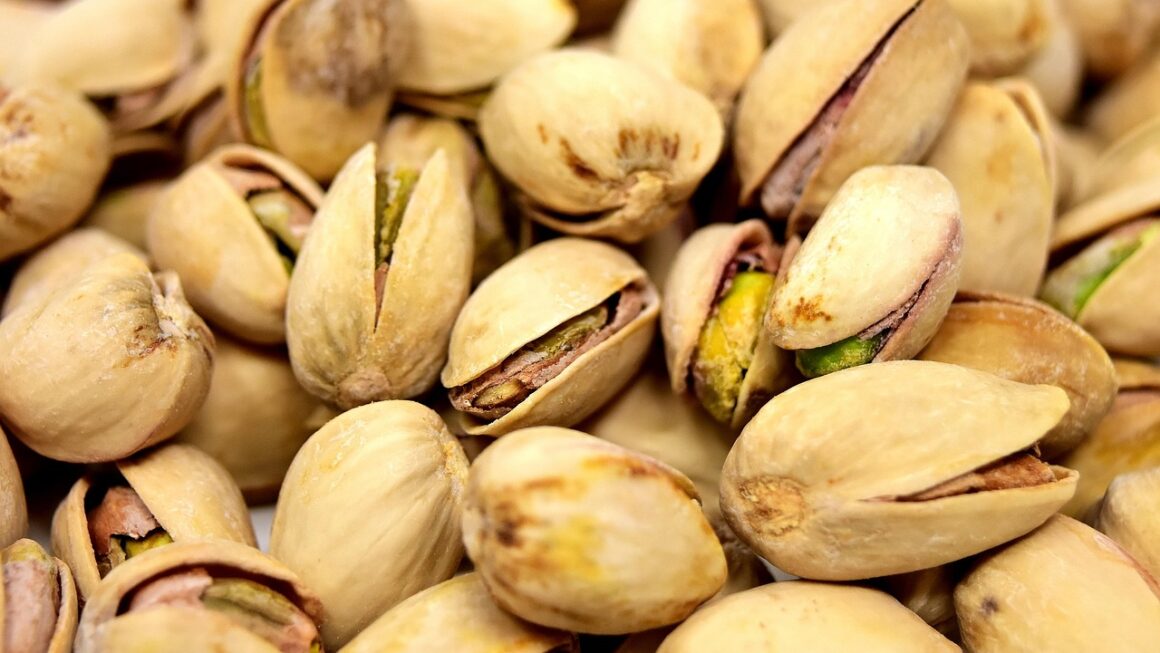
- Macadamia Nuts: Very high in fat, low in carbs – a keto favorite.
- Pecans, Brazil Nuts: Good fat profile, moderate carbs.
- Almonds (sliced, slivered, or whole): Versatile for snacking, baking, or adding to salads.
- Walnuts: Good source of omega-3s, but higher in carbs than macadamias or pecans.
- Seeds:
- Chia Seeds: High in fiber and omega-3s, great for puddings or thickening.
- Flax Seeds (ground): Another excellent source of fiber and omega-3s.
- Hemp Hearts: Mild flavor, good source of protein and healthy fats.
- Pumpkin Seeds, Sunflower Seeds: Great for snacking or topping salads.
Actionable Takeaway: When buying dairy, always check the sugar content. For nuts and seeds, measure out portions and track their carb impact to stay within your daily limits. They are calorie-dense!
Flavor Boosters & Pantry Essentials: Elevate Your Keto Meals
A bland keto diet is a recipe for failure. Stocking your pantry with herbs, spices, and low-carb condiments will transform your meals, making them exciting and delicious without adding hidden sugars or carbs.
Herbs, Spices & Condiments: The Flavor Makers
These staples are critical for culinary success. They allow you to add depth and variety to even the simplest keto dishes.
- Basic Spices: Sea salt, Black pepper, Garlic powder, Onion powder, Paprika, Cumin, Chili powder, Italian seasoning.
- Fresh Herbs: Parsley, Cilantro, Basil, Rosemary, Thyme, Dill.
- Condiments (sugar-free, low-carb):
- Mustard: Dijon, Yellow, or Stone-ground (check ingredients).
- Hot Sauce: Tabasco, Frank’s RedHot (most are low-carb, but always check).
- Apple Cider Vinegar: For dressings, marinades, and health benefits.
- Tamari or Coconut Aminos: Low-carb alternatives to soy sauce.
- Nutritional Yeast: Adds a cheesy, umami flavor.
- Sugar-Free Ketchup/BBQ Sauce: Choose brands specifically made for keto (e.g., Primal Kitchen, G Hughes).
- Sugar-Free Salad Dressings: Vinaigrettes made with healthy oils or creamy ranch/blue cheese (again, check labels).
Baking & Sweetener Essentials (Optional)
If you enjoy keto baking or crave something sweet occasionally, these items will allow you to create delicious low-carb treats.
- Keto Flours:
- Almond Flour: A staple for many keto baked goods, relatively low in carbs.
- Coconut Flour: Highly absorbent, great for specific recipes, but use sparingly as it’s higher in carbs than almond flour.
- Low-Carb Sweeteners:
- Erythritol: A sugar alcohol that is generally well-tolerated.
- Stevia: A natural, zero-calorie sweetener (liquid or powdered).
- Monk Fruit: Another natural, zero-calorie option, often blended with erythritol.
- Xanthan Gum/Psyllium Husk Powder: Useful as binders and thickeners in keto cooking and baking.
Actionable Takeaway: Read ingredient labels religiously for all sauces, marinades, and pre-packaged goods. Sugar hides in many forms! Building a robust spice cabinet means you’ll never have a boring keto meal.
Conclusion
A well-curated keto grocery list is more than just a shopping aid; it’s a foundational tool for success on your ketogenic journey. By prioritizing healthy fats, moderate proteins, and an abundance of low-carb vegetables, alongside essential pantry staples, you’re setting yourself up for delicious, satisfying meals that support your health goals. This comprehensive guide equips you to confidently navigate the grocery store, making smart choices that keep you in ketosis and feeling fantastic. So, grab your reusable bags, print this list, and get ready to stock your kitchen with the building blocks of a vibrant, low-carb lifestyle. Happy shopping and even happier eating!