In our fast-paced world, the demands of work, family, and personal commitments often leave little time for elaborate meal preparation. This constant juggle frequently leads to unhealthy takeout choices or repetitive, uninspiring dinners. What if there was a simple, effective way to reclaim your evenings, save money, and enjoy delicious, homemade meals without the daily grind of cooking? Enter the art of preparing easy meals to freeze and reheat – a culinary superpower that transforms mealtime stress into effortless enjoyment. Discover how a little upfront planning can liberate your week and ensure a steady supply of nutritious, ready-to-eat dishes.
Why Embrace Freezer Meal Prep?
The concept of cooking ahead and freezing meals isn’t new, but its value in modern life is more profound than ever. Freezer meal prep is a game-changer for anyone looking to eat better, spend less, and reduce daily stress. Imagine coming home after a long day and having a delicious, homemade dinner ready to be reheated in minutes. This isn’t just a dream; it’s an achievable reality with the right strategies.
The Unbeatable Advantages
- Time-Saving: Cook once, eat multiple times. Studies suggest that effective meal planning can save individuals up to 10 hours a week, freeing up valuable time for other activities.
- Cost-Efficiency: Buying ingredients in bulk for multiple meals often reduces your grocery bill. Additionally, having meals ready at home drastically cuts down on expensive takeout orders and impulse food purchases.
- Healthier Choices: When you prepare your own meals, you have complete control over the ingredients. This means less processed food, fewer unhealthy fats, and the ability to tailor meals to your dietary needs and preferences.
- Reduced Stress: The daily “what’s for dinner?” dilemma can be a significant source of stress. With a freezer full of ready-to-go meals, that mental load is dramatically lightened.
- Less Food Waste: Utilizing ingredients for multiple meals reduces the likelihood of produce going bad before it’s used, contributing to a more sustainable kitchen.
Actionable Takeaway: Start small. Pick one recipe this week that you love and double it, freezing half for a future meal. This simple step can kickstart your freezer meal journey.
Top Categories of Freezer-Friendly Dishes
Not all meals are created equal when it comes to freezing and reheating. The key is to choose recipes that maintain their texture, flavor, and integrity after being frozen and thawed. Here are some of the best types of freezer-friendly recipes that consistently deliver delicious results.
Soups and Stews: Warmth in a Bowl
Soups and stews are perhaps the quintessential freezer meals. Their liquid base helps protect ingredients from freezer burn, and their flavors often deepen after freezing. Just remember to undercook any pasta or rice if it’s included, as it can get mushy upon reheating.
- Practical Examples:
- Hearty Lentil Soup: Packed with vegetables and protein, it’s a wholesome meal that freezes beautifully.
- Classic Beef Chili: A crowd-pleaser that tastes even better after a stay in the freezer.
- Chicken Noodle Soup: Freeze the broth and vegetables separately from the cooked chicken and noodles for best results, combining when reheating.
- Freezing Tip: Cool completely, then portion into freezer-safe containers or bags. Lay bags flat to save space.
Casseroles and Bakes: Comfort Food Made Easy
Casseroles are perfect for assembly-line prep and can often go directly from the freezer to the oven (with extended cooking time). They are ideal for feeding families or having comforting dishes ready for busy weeknights.
- Practical Examples:
- Vegetarian Lasagna: Assemble with uncooked noodles and sauce, then freeze. Bake from frozen or thawed.
- Shepherd’s Pie: A hearty mix of ground meat and vegetables topped with mashed potatoes.
- Chicken & Broccoli Bake: Creamy chicken and broccoli mixture, often with rice or pasta, topped with cheese.
- Freezing Tip: Assemble casseroles in disposable aluminum pans for easy freezer-to-oven transfer and no dishwashing! Cover tightly with foil before freezing.
Sauces and Marinades: Flavor Boosters
Don’t underestimate the power of freezing components. Having homemade sauces or marinades on hand can elevate a simple weeknight meal in minutes.
- Practical Examples:
- Homemade Marinara Sauce: Perfect for pasta, pizza, or dipping.
- Bolognese Sauce: A rich, meaty sauce that’s fantastic over any pasta.
- Pesto: Freeze in ice cube trays for individual servings to toss with pasta or spread on sandwiches.
- Curry Paste/Sauce Base: Freeze concentrated flavor bases to quickly whip up a curry later.
- Freezing Tip: Portion into ice cube trays for smaller servings, then transfer cubes to a freezer bag.
Breakfast & Lunch Power-Ups
Freezer meals aren’t just for dinner! Prepping breakfasts and lunches can be just as beneficial, ensuring you start your day right and avoid expensive midday meals.
- Practical Examples:
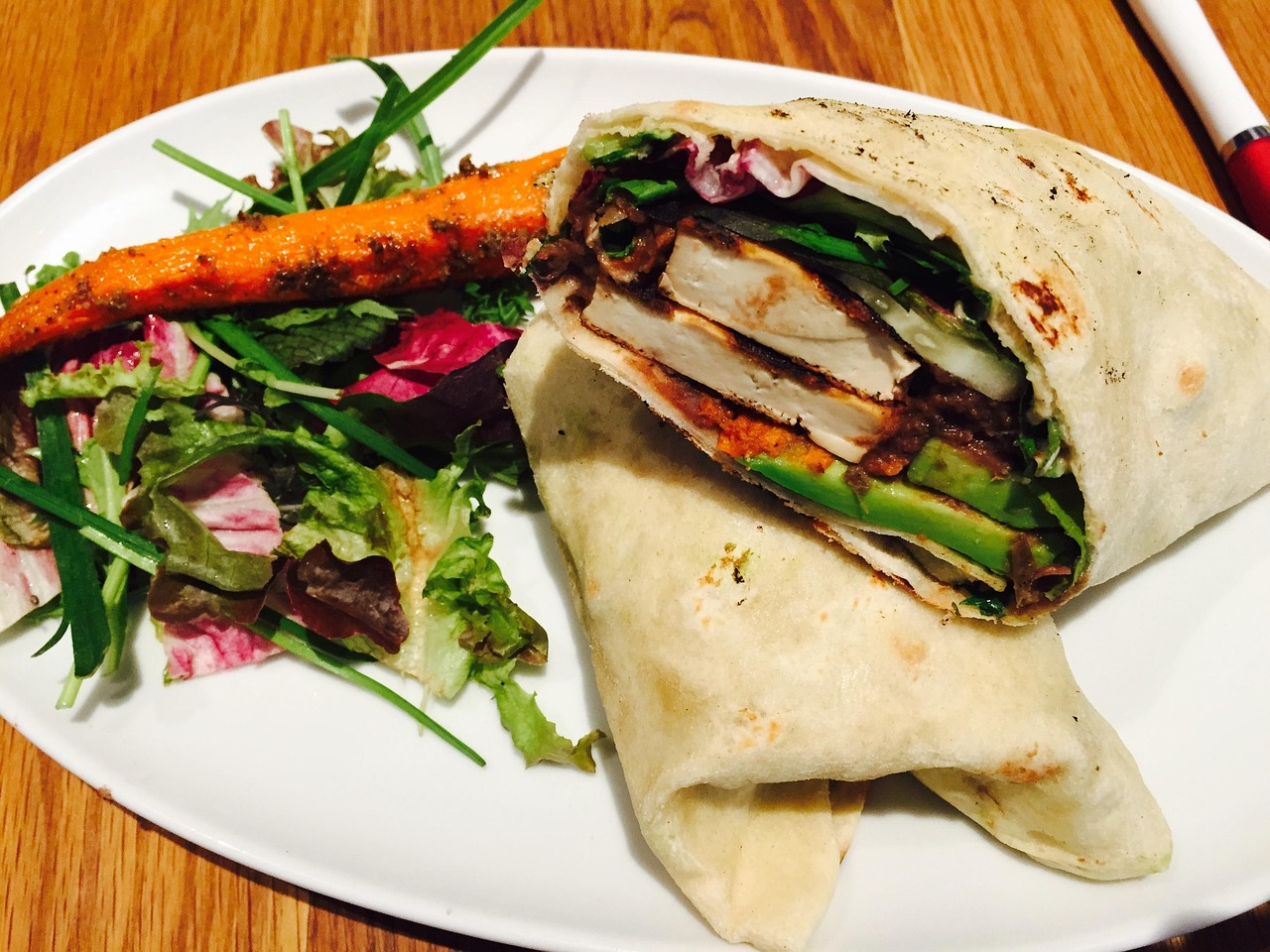
- Breakfast Burritos: Filled with eggs, cheese, beans, and your favorite veggies. Wrap individually in foil.
- Smoothie Packs: Pre-portioned bags of fruit, spinach, and protein powder ready to blend with liquid.
- Baked Oatmeal Cups: Individual portions of baked oatmeal that can be reheated in the microwave.
- Energy Bites: No-bake options that freeze well and are great for quick snacks.
- Freezing Tip: Wrap individual portions tightly to prevent freezer burn and make grab-and-go easier.
Actionable Takeaway: Choose at least one recipe from each category that sounds appealing and try it out. Diversifying your freezer stash keeps meals exciting.
Essential Freezing & Reheating Techniques
The success of your make-ahead meals hinges on proper freezing and reheating. Following these guidelines ensures food safety, preserves flavor, and maintains optimal texture.
Proper Packaging for Longevity
Effective packaging is your first line of defense against freezer burn and flavor degradation.
- Airtight Containers: Use high-quality, freezer-safe containers with tight-fitting lids. Glass containers are excellent as they can often go from freezer to oven/microwave.
- Freezer Bags: Ideal for flat freezing soups, stews, and sauces, saving precious freezer space. Squeeze out as much air as possible before sealing.
- Aluminum Foil: A good secondary layer for casseroles or individually wrapped items. Heavy-duty foil works best.
- Labeling is Key: Always label containers or bags with the dish name, date it was prepared, and simple reheating instructions. A good practice is to include the “use by” date (typically 3-6 months for most cooked meals).
Safe Thawing Methods
Thawing food safely is as important as cooking it properly to prevent bacterial growth.
- Refrigerator Thawing: This is the safest method. Place frozen food in the refrigerator 24-48 hours before you plan to cook it. Large items might take even longer.
- Cold Water Bath: For quicker thawing, place the sealed freezer bag or container in a bowl of cold water, changing the water every 30 minutes. Cook immediately after thawing.
- Microwave Thawing: Use the defrost setting on your microwave. Food thawed in the microwave should be cooked immediately as some areas may begin to warm up.
- Never Thaw at Room Temperature: This allows bacteria to multiply rapidly in the “danger zone” (40°F – 140°F / 4°C – 60°C).
Reheating for Optimal Flavor & Texture
The goal is to bring your meal back to its delicious original state, ensuring it reaches an internal temperature of 165°F (74°C).
- Oven Reheating: Best for casseroles, baked dishes, and anything you want to achieve a crispy top on. Cover with foil to prevent drying out, then uncover for the last few minutes if desired. Reheat from thawed for best results, or from frozen at a lower temperature for longer.
- Stovetop Reheating: Ideal for soups, stews, sauces, and sautéed dishes. Reheat over medium-low heat, stirring frequently, adding a splash of broth or water if needed to prevent sticking or drying.
- Microwave Reheating: Quickest for individual portions. Use a microwave-safe dish and cover to retain moisture. Stir halfway through for even heating.
- Moisture Management: Many dishes benefit from a splash of water, broth, or milk during reheating to prevent them from drying out.
Actionable Takeaway: Invest in a few high-quality, freezer-safe containers and a food thermometer. Proper labeling and safe reheating are non-negotiable for delicious and safe freezer meals.
Smart Strategies for Successful Freezer Meal Prep
To make freezer meal prep a sustainable habit, it’s essential to develop smart strategies that fit your lifestyle. It’s not just about cooking; it’s about efficient planning and execution.
Batch Cooking: Your Best Friend
Batch cooking involves preparing large quantities of a single recipe or component at once, saving significant time and effort in the long run.
- Double (or Triple) Your Favorite Recipes: When you’re already cooking, it takes minimal extra effort to double a recipe. Cook one portion for dinner tonight and freeze the rest.
- Dedicated Prep Day: Designate a specific block of time (e.g., a Sunday afternoon) for your freezer meal prep. Put on some music, and turn it into an enjoyable activity.
- Cook Components: Instead of full meals, sometimes it’s easier to cook large batches of components like cooked ground meat, roasted vegetables, or rice. These can then be assembled into different meals later.
Diversify Your Freezer Stash
While batch cooking is efficient, having a variety of meals in your freezer prevents meal fatigue. No one wants to eat the same chili for five weeks straight!
- Rotate Recipes: Plan a rotation of 4-6 different freezer-friendly meals to keep things interesting.
- Keep an Inventory: A simple whiteboard or app can help you track what you have, when it was frozen, and when it needs to be used. This also helps in planning your next prep session.
- Mix and Match: Freeze meal components separately. For example, a bag of cooked shredded chicken can be used for tacos, quesadillas, or a quick chicken soup.
The “Cook-Once, Serve-Twice” Method
This clever strategy involves cooking a larger amount of a particular ingredient or dish, and then repurposing the leftovers into a completely different meal for freezing.
- Example 1: Roast Chicken: Roast a whole chicken for dinner. Shred the leftover meat and use it to make chicken enchiladas or chicken pot pie filling for the freezer.
- Example 2: Ground Beef: Cook a large batch of seasoned ground beef. Use half for tacos tonight, and transform the other half into a base for a chili or bolognese sauce to freeze.
Actionable Takeaway: Try the “Cook-Once, Serve-Twice” method this week. Cook extra protein for one dinner, and plan to transform the leftovers into a freezer meal for another night.
Overcoming Common Freezer Meal Challenges
While the benefits of freezer meals are abundant, some common challenges can arise. Knowing how to prevent and address these issues will make your freezer meal journey smoother and more rewarding.
Preventing Freezer Burn
Freezer burn occurs when food is exposed to air, leading to dehydration and discoloration, which affects texture and flavor. It doesn’t make food unsafe, but it certainly diminishes its appeal.
- Airtight Packaging is Paramount: Use high-quality freezer bags, vacuum sealers, or sturdy containers with tight seals.
- Remove Excess Air: Before sealing bags, press out as much air as possible. For containers, press plastic wrap directly onto the surface of the food before securing the lid.
- Cool Completely: Never put warm food directly into the freezer. It raises the freezer’s temperature, potentially thawing surrounding items, and can lead to more ice crystal formation on the food itself.
- Use Within Recommended Times: While food can be safe for a long time in the freezer, quality starts to degrade after 3-6 months for most cooked meals.
Avoiding Soggy Textures
Some dishes can become mushy or watery after freezing and reheating, particularly those with high water content or delicate textures.
- Undercook Pasta/Rice: If a recipe includes pasta or rice, cook it slightly al dente or even omit it and cook fresh when reheating.
- Separate Components: For dishes like stir-fries, freeze the sauce and protein/veggies separately. Combine and cook fresh rice when serving.
- Choose Wisely: Some vegetables, like lettuce, cucumbers, or raw tomatoes, do not freeze well due to their high water content. Stick to heartier vegetables like carrots, peas, corn, and broccoli.
- Add Freshness Post-Reheat: Garnish with fresh herbs, a squeeze of lemon, or a sprinkle of cheese after reheating to bring back vibrancy.
Maximizing Freezer Space
A full freezer is a good freezer, but an organized one is even better.
- Flat Freezing: Lay freezer bags containing soups or sauces flat on a baking sheet until frozen solid, then stack them vertically like files.
- Stackable Containers: Opt for containers that nest or stack efficiently.
- Vertical Storage: Utilize vertical space with shelves or bins if your freezer allows.
- Regular Audits: Periodically go through your freezer, using up older items and reorganizing.
Actionable Takeaway: Always ensure food is completely cooled before packaging, and use appropriate airtight containers or bags to prevent freezer burn and maintain quality.
Conclusion
Embracing the world of easy meals to freeze and reheat is more than just a culinary hack; it’s a lifestyle upgrade. By dedicating a little time upfront, you unlock countless hours of freedom, enjoy healthier and more diverse meals, and significantly reduce food waste and grocery expenses. Your freezer becomes your ultimate ally in the quest for a more organized, less stressful, and deliciously fed life. So, take the plunge! Start with a favorite recipe, explore new freezer-friendly dishes, and discover the immense satisfaction of having wholesome, homemade meals ready whenever hunger strikes. Your future self will undoubtedly thank you for the foresight and flavor you’ve meticulously stored away.