Embarking on a plant-based journey doesn’t mean sacrificing your protein goals. In fact, a high-protein vegan meal plan can be incredibly diverse, delicious, and nutritionally robust, supporting everything from muscle growth to sustained energy and overall health. Gone are the days when plant-based diets were synonymous with protein deficiency. Today, a wealth of plant-powered foods offers abundant protein, fiber, and essential micronutrients, making it easier than ever to thrive without animal products. This detailed guide will demystify high-protein vegan eating, providing you with the knowledge, resources, and a practical meal plan blueprint to confidently fuel your body.
The Power of Plant Protein: Debunking Myths and Highlighting Benefits
Understanding the true potential of plant-based protein is the first step towards a successful high-protein vegan diet. It’s not just about meeting your daily macros; it’s about unlocking a host of health benefits.
Dispelling Protein Myths
One of the most persistent myths surrounding veganism is the difficulty of obtaining sufficient protein. Let’s set the record straight:
- Myth: Plant proteins are incomplete. While many individual plant foods may be lower in one or two essential amino acids compared to animal sources, consuming a variety of plant proteins throughout the day easily provides all necessary amino acids. Your body expertly combines them.
- Myth: You need to combine proteins at every meal. The concept of “complementary proteins” (like rice and beans) needing to be eaten together at one sitting has largely been debunked by nutrition science. As long as you eat a varied diet, your body will gather all the amino acids it needs.
- Myth: Plant protein isn’t as effective for muscle building. Studies show that when protein intake is matched, plant-based proteins can be just as effective as animal proteins for muscle protein synthesis and recovery, especially when combined with resistance training.
Health Benefits Beyond Muscle
A high-protein vegan diet offers far more than just muscle support. It’s a cornerstone for overall well-being:
- Improved Heart Health: Plant-based diets are naturally lower in saturated fat and cholesterol, contributing to healthier blood pressure and reduced risk of heart disease.
- Enhanced Digestive Health: High fiber content from plant proteins (legumes, grains, vegetables) promotes a healthy gut microbiome, aids digestion, and prevents constipation.
- Sustainable Weight Management: The fiber and protein in plant foods promote satiety, helping you feel fuller for longer and potentially reducing overall calorie intake.
- Reduced Risk of Chronic Diseases: A diet rich in plants is associated with a lower risk of type 2 diabetes, certain cancers, and metabolic syndrome.
- Increased Energy Levels: The sustained release of energy from complex carbohydrates, coupled with adequate protein, can lead to more consistent energy throughout the day.
Actionable Takeaway: Embrace the diversity of plant proteins. Focus on eating a wide range of protein-rich plant foods daily, and rest assured that you can easily meet and exceed your protein requirements.
Key Plant-Based Protein Sources for Your Plate
Building a high-protein vegan meal plan starts with understanding where your protein comes from. These versatile ingredients form the backbone of a robust plant-based diet.
Legumes: The Versatile Powerhouses
Legumes are staples for a reason – they’re affordable, versatile, and packed with protein and fiber.
- Lentils: About 9 grams of protein per 1/2 cup cooked. Great in soups, stews, curries, or as a meat substitute.
- Chickpeas (Garbanzo Beans): Roughly 7.5 grams of protein per 1/2 cup cooked. Perfect for hummus, salads, roasted snacks, or “chickpea tuna” sandwiches.
- Black Beans: Around 7.6 grams of protein per 1/2 cup cooked. Excellent in tacos, burritos, chili, or black bean burgers.
- Kidney Beans: Approximately 7.7 grams of protein per 1/2 cup cooked. Ideal for chili, salads, or bean stews.
- Edamame: About 8.5 grams of protein per 1/2 cup shelled. A fantastic snack or addition to stir-fries.
Grains & Seeds: Tiny but Mighty
Don’t underestimate the protein punch in whole grains and seeds, many of which also provide healthy fats and fiber.
- Quinoa: A complete protein with about 4 grams per 1/2 cup cooked. Use it as a base for bowls, in salads, or as a side dish.
- Oats: Roughly 5 grams of protein per 1/2 cup dry. A breakfast champion, fantastic in overnight oats, smoothies, or homemade protein bars.
- Hemp Seeds: An impressive 10 grams of protein per 3 tablespoons. Sprinkle on salads, smoothies, or oatmeal. Also rich in omega-3s.
- Chia Seeds: About 3 grams of protein per 2 tablespoons. Excellent for chia puddings, smoothies, or as an egg replacer.
- Brown Rice: Around 2.5 grams of protein per 1/2 cup cooked. A good base for any meal.
Soy Products: A Protein Champion
Soy-based foods are some of the most concentrated plant protein sources and are incredibly versatile.
- Tofu: Ranges from 10-20 grams of protein per 1/2 cup, depending on firmness. Marinate and bake, fry, scramble, or blend into sauces.
- Tempeh: Around 15 grams of protein per 1/2 cup. Fermented soybean product with a firm, nutty texture. Great for grilling, baking, or in stir-fries.
- Edamame (again): Fresh or frozen, delicious as a snack or in dishes.
- Soy Milk: Typically 7-8 grams of protein per cup. Use in smoothies, cereal, or coffee.
Nuts & Nut Butters: Healthy Fats & Protein
While higher in fat, nuts and nut butters provide a convenient protein boost and healthy fats.
- Almonds: About 6 grams of protein per 1/4 cup.
- Peanuts/Peanut Butter: Approximately 7 grams of protein per 2 tablespoons.
- Cashews: Around 5 grams of protein per 1/4 cup.
- Walnuts: About 4 grams of protein per 1/4 cup.
Vegan Protein Powders (Optional Boost)
For those with higher protein needs (e.g., athletes) or looking for a convenient boost, protein powders are an excellent option.
- Pea Protein: Highly digestible, typically 20-25 grams per scoop.
- Rice Protein: Often combined with pea protein for a complete amino acid profile.
- Hemp Protein: Rich in omega-3s and fiber.
- Blended Plant Proteins: Many brands offer blends of pea, rice, hemp, and other sources for a comprehensive profile.
Actionable Takeaway: Diversify your pantry with a selection of these protein-rich foods. Think about how you can incorporate at least 2-3 different sources into your daily meals.
Crafting Your High-Protein Vegan Meal Plan: A Daily Blueprint
Putting it all together into a practical daily plan is key. Here’s a blueprint with examples that can be mixed and matched to suit your preferences and schedule.
Breakfast: Fueling Your Day
Start strong with a protein-packed meal to kickstart your metabolism and maintain energy levels.
- Tofu Scramble with Veggies: Crumble 1/2 block of firm tofu, sauté with onions, bell peppers, spinach, nutritional yeast (for cheesy flavor and B vitamins), and turmeric (for color). Serve with a side of whole-wheat toast. (Approx. 20-25g protein)
- High-Protein Oatmeal: Cook 1/2 cup rolled oats with soy milk. Stir in 1 scoop of vegan protein powder, 2 tablespoons of chia seeds, and top with 1/4 cup berries and 2 tablespoons of chopped almonds. (Approx. 25-30g protein)
- Super Green Smoothie: Blend 1 cup unsweetened soy milk, 1 scoop vegan protein powder, 1 cup spinach, 1/2 frozen banana, 1 tablespoon almond butter, and 1 tablespoon hemp seeds. (Approx. 25-30g protein)
Lunch: Sustained Energy
Keep your energy stable through the afternoon with a hearty and balanced lunch.
- Lentil & Veggie Power Bowl: Combine 1 cup cooked lentils, 1/2 cup cooked quinoa, mixed greens, chopped cucumber, tomatoes, and bell peppers. Top with a lemon-tahini dressing. (Approx. 20-25g protein)
- Chickpea Salad Sandwich/Wrap: Mash 1 cup chickpeas with vegan mayo, celery, red onion, mustard, and spices. Serve on whole-wheat bread or in a large lettuce wrap. Pair with a side of edamame. (Approx. 18-22g protein)
- Leftover Chili or Soup: Batch cook a big pot of bean chili or a hearty lentil soup at the beginning of the week for quick and easy lunches. (Approx. 15-20g protein per serving)
Dinner: Satisfying & Nutritious
End your day with a satisfying meal that replenishes your body and prepares you for rest.
- Tempeh Stir-fry with Brown Rice: Sauté 4 oz sliced tempeh (marinated in soy sauce, ginger, garlic) with broccoli, carrots, snap peas, and bell peppers. Serve over 1 cup cooked brown rice. (Approx. 25-30g protein)
- Black Bean & Sweet Potato Tacos: Fill whole-wheat tortillas with a mixture of seasoned black beans, roasted sweet potatoes, avocado, salsa, and a sprinkle of nutritional yeast. (Approx. 18-22g protein per 2 tacos)
- Vegan Lentil Loaf with Mashed Potatoes & Green Beans: Prepare a savory lentil loaf using lentils, breadcrumbs, vegetables, and flax egg. Serve with creamy mashed potatoes (made with plant milk) and steamed green beans. (Approx. 20-25g protein per slice)
Snacks: Bridging the Gaps
Strategic snacking can help you meet your protein goals, especially if you have higher needs.
- Handful of Almonds and an Apple: Quick, easy, and satisfying. (Approx. 6g protein)
- Hummus with Veggie Sticks or Whole-Grain Crackers: 1/4 cup hummus. (Approx. 4-5g protein)
- Edamame Pods: Steamed and lightly salted. (Approx. 8.5g protein per 1/2 cup shelled)
- Vegan Protein Bar: Choose bars with whole-food ingredients and minimal added sugar. (Protein varies, typically 10-20g)
- Peanut Butter on Celery or Banana: 2 tablespoons of peanut butter. (Approx. 7g protein)
Practical Example: Sample Day’s Meal Plan
- Breakfast: Tofu Scramble with whole-wheat toast (25g protein)
- Snack: Handful of almonds (6g protein)
- Lunch: Lentil Power Bowl with tahini dressing (22g protein)
- Snack: Edamame (8.5g protein)
- Dinner: Tempeh Stir-fry with brown rice (28g protein)
- Evening Snack (optional): High-protein smoothie (25g protein)
Total estimated protein for this sample day: ~114.5g
Actionable Takeaway: Experiment with these examples and customize them to fit your taste and lifestyle. Focus on including at least one significant protein source at each meal and thoughtful snacks.
Tips for Maximizing Protein Absorption and Overall Nutrition
Beyond simply eating protein, a few key practices can help you optimize nutrient absorption and ensure a well-rounded vegan diet.
Combining Proteins for Completeness
While not necessary at every single meal, thinking about protein complementation over the course of a day can be helpful. Plant foods are rich in various amino acids, and by consuming a variety, you ensure you get all nine essential amino acids.
- Legumes + Grains: Think rice and beans, peanut butter on whole-wheat bread, or hummus with pita.
- Nuts/Seeds + Legumes: A lentil salad with pumpkin seeds, or a chickpea stew topped with cashews.
- Soy + Grains/Vegetables: Tofu with quinoa and stir-fried vegetables.
This approach naturally happens when you eat a diverse vegan diet, so no need for complex calculations.
Importance of Variety
Variety is the spice of life, and also the key to comprehensive nutrition. Each plant food offers a unique array of vitamins, minerals, antioxidants, and phytochemicals.
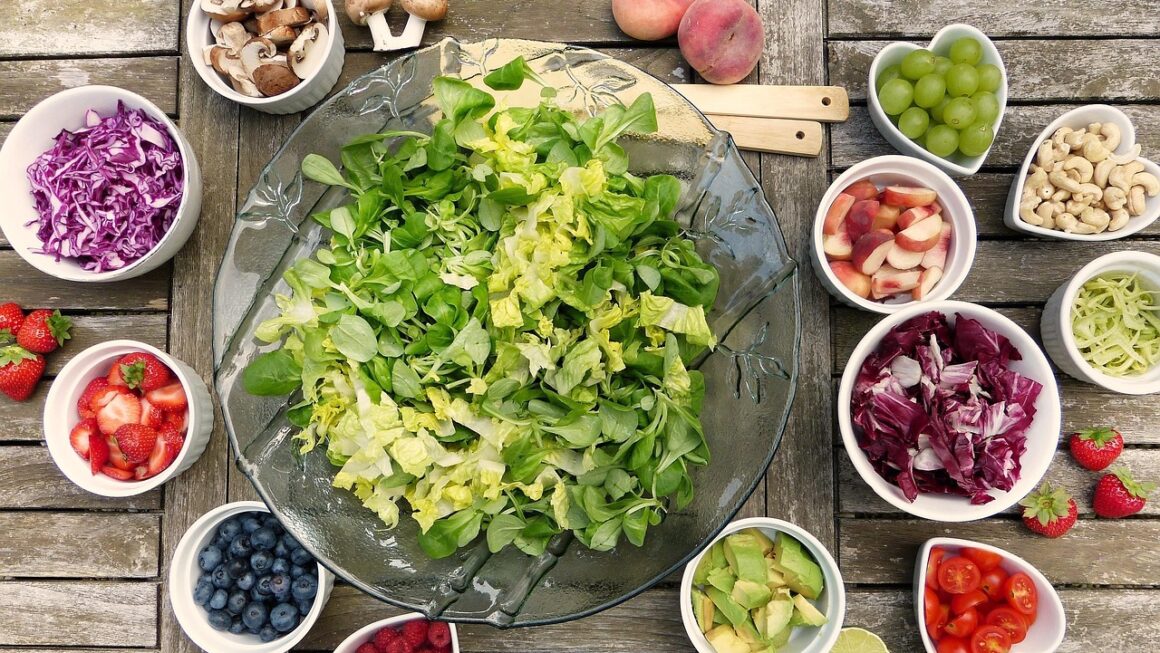
- Color Your Plate: Eat a rainbow of fruits and vegetables to ensure a broad spectrum of nutrients.
- Rotate Your Staples: Don’t stick to just one type of bean or grain. Switch between lentils, black beans, chickpeas, quinoa, brown rice, etc.
- Explore New Foods: Discover less common but nutrient-dense options like nutritional yeast, spirulina, or various types of sprouts.
Hydration & Digestion
Adequate water intake is crucial for all bodily functions, including metabolism and nutrient transport. A high-fiber diet, while beneficial, also requires sufficient fluids to move smoothly through the digestive system.
- Drink Plenty of Water: Aim for at least 8 glasses (2 liters) of water daily, more if you’re active.
- Don’t Forget Electrolytes: Especially during intense workouts, consider natural sources of electrolytes like coconut water or a pinch of sea salt in your water.
Listen to Your Body
Nutrition isn’t one-size-fits-all. Your individual protein needs might vary based on your activity level, age, and health goals. General recommendations for adults are around 0.8 grams of protein per kilogram of body weight, but active individuals, athletes, or those looking to build muscle may aim for 1.2-2.0 grams/kg.
- Adjust Portions: If you’re very active, increase your serving sizes of protein-rich foods. If you’re less active, you might need slightly less.
- Monitor Energy Levels: Pay attention to how you feel. Consistent energy and satiety after meals are good indicators that you’re fueling yourself effectively.
- Consult a Professional: If you have specific dietary concerns or health goals, consider consulting a registered dietitian experienced in plant-based nutrition.
Actionable Takeaway: Prioritize dietary diversity and stay well-hydrated. Pay attention to your body’s signals and adjust your intake as needed, understanding that a varied vegan diet naturally covers most nutritional bases.
Conclusion
Adopting a high-protein vegan meal plan is not only achievable but also incredibly rewarding for your health, the planet, and animal welfare. By focusing on a diverse array of plant-based protein sources, understanding their nutritional benefits, and applying practical meal planning strategies, you can easily meet your protein requirements and thrive on a compassionate diet. From hearty breakfasts to satisfying dinners and strategic snacks, the world of high-protein vegan eating is rich with flavor, texture, and boundless nutritional potential. Embrace the power of plants, experiment with new recipes, and enjoy the journey to a stronger, healthier you!