The aroma of simmering tomato sauce, the delightful chew of fresh pasta, the rich depth of olive oil – Italian cuisine is a global love affair. But for those embracing a plant-based lifestyle, a common misconception often arises: can Italian food truly be enjoyed without cheese, meat, or eggs? The emphatic answer is a resounding YES! Far from being a culinary compromise, vegan Italian meals open up a vibrant world of flavors, textures, and traditional dishes reimagined. Prepare to embark on a delicious journey that celebrates the very essence of Italian cooking, proving that plant-based options are not just possible, but incredibly authentic and satisfying.
The Heart of Vegan Italian Cuisine: Flavorful Foundations
At its core, Italian food thrives on fresh, high-quality ingredients, many of which are inherently vegan. The magic lies in understanding how to layer these natural flavors to create depth and complexity without relying on animal products. This foundational knowledge is key to crafting truly authentic plant-based Italian dishes.
The Power of Produce: Vegetables & Legumes
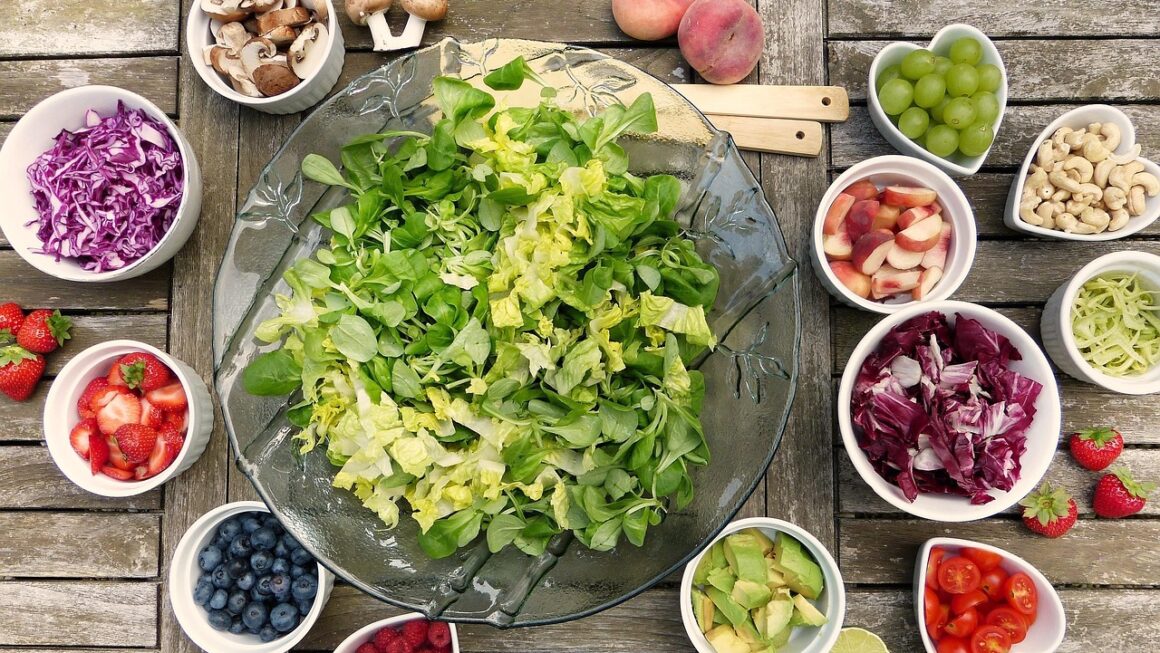
Italy’s fertile lands yield an abundance of vegetables, making them central to many traditional recipes. From the robust eggplant of Sicily to the sweet bell peppers of Calabria, produce is not merely a side dish; it’s the star.
- Eggplant: Indispensable for dishes like Melanzane alla Parmigiana (veganized with plant-based cheese), Caponata, or simple grilled eggplant.
- Zucchini: Versatile in fritters, pasta sauces, baked dishes, or even raw in salads.
- Artichokes: A Roman specialty, delicious fried (Carciofi alla Romana) or in risottos and pasta dishes.
- Mushrooms: Porcini, cremini, and shiitake add umami richness to risottos, sauces, and stews.
- Beans & Lentils: Chickpeas, cannellini beans, and lentils are staples in hearty soups (Pasta e Fagioli), stews, and salads, providing protein and texture.
Actionable Takeaway: Prioritize seasonal, fresh vegetables. They are the backbone of flavor and nutrition in vegan Italian cooking. Visit your local farmer’s market for the best selection.
Herbaceous Harmony: Fresh Herbs & Aromatics
Italian cooking would be incomplete without its aromatic symphony of herbs and spices. These plant-based powerhouses elevate simple ingredients into extraordinary meals.
- Basil: The soul of pesto, Caprese salads, and any fresh tomato sauce. Use it fresh and add at the end of cooking to preserve its delicate flavor.
- Oregano: Essential for pizza, tomato sauces, and Mediterranean salads, offering a robust, earthy note.
- Parsley: A ubiquitous garnish, also chopped into pestos, gremolata, and incorporated into vegetable dishes.
- Rosemary & Thyme: Perfect for roasting potatoes, focaccia, or infusing olive oil.
- Garlic & Onion: The dynamic duo that forms the “soffritto” (flavor base) for countless Italian dishes. Sauté slowly to build a deep, sweet foundation.
- Red Pepper Flakes: For that touch of “peperoncino” heat, especially in pasta dishes like Aglio e Olio or Arrabbiata.
Actionable Takeaway: Don’t underestimate the impact of fresh herbs. Grow a small herb garden or buy fresh bunches weekly to infuse your dishes with authentic Italian vibrancy.
Olive Oil & Tomatoes: The Unsung Heroes
These two ingredients are the bedrock of Italian cooking and are, thankfully, perfectly vegan. Their quality significantly impacts the final taste of any dish.
- Extra Virgin Olive Oil (EVOO): The liquid gold of Italy. Use high-quality EVOO for finishing dishes, in dressings, and for light sautéing. A good EVOO offers fruity, peppery, and sometimes bitter notes that are characteristic of true Italian flavor.
- Tomatoes: Whether fresh, canned San Marzano whole peeled tomatoes, or concentrated paste, tomatoes provide acidity, sweetness, and a rich umami depth.
- Fresh Tomatoes: Ideal for bruschetta, salads, and light, quick sauces in summer.
- Canned Whole Peeled Tomatoes (San Marzano): The gold standard for slow-cooked sauces, offering balanced sweetness and low acidity.
- Tomato Paste: A concentrated flavor enhancer, perfect for deepening the richness of stews and sauces.
Actionable Takeaway: Invest in a high-quality extra virgin olive oil and premium canned San Marzano tomatoes. These staples will elevate your vegan Italian cooking significantly.
Mastering Vegan Pasta & Sauces: Beyond the Basics
Pasta is synonymous with Italy, and thankfully, most dried pasta is naturally vegan. The challenge often lies in creating creamy, cheesy sauces without dairy. But with a little creativity and knowledge, incredible plant-based pasta dishes are well within reach.
Navigating Pasta Choices: Egg-Free Delights
The good news is that the vast majority of dried pasta available in supermarkets is made simply from semolina flour and water, making it naturally vegan. Fresh pasta, however, often contains eggs.
- Dried Pasta: Look for brands that list only “durum wheat semolina” and “water” in the ingredients. This includes popular shapes like spaghetti, penne, rigatoni, fusilli, and farfalle.
- Fresh Vegan Pasta: Many specialty stores and some supermarkets now offer fresh egg-free pasta. Alternatively, making your own at home with flour and water is a rewarding experience.
- Gluten-Free Options: An increasing variety of gluten-free pasta made from rice, corn, or legumes are also available and typically vegan.
Actionable Takeaway: Always check the ingredient list for “egg” or “eggs” when buying pasta, especially fresh varieties. When in doubt, stick to dried pasta made only from semolina and water.
Creamy & Cheesy Without Dairy: Sauce Innovations
Achieving that luscious creaminess and savory “cheese” flavor without dairy is easier than you think, thanks to ingenious plant-based ingredients.
- Cashew Cream: Soaked and blended cashews create an incredibly rich and neutral cream base for Alfredo, carbonara-style sauces, or enriching tomato sauces.
- Nutritional Yeast: A culinary superstar for vegans, nutritional yeast provides a distinct cheesy, umami flavor. Sprinkle it over pasta, stir into sauces, or use in “parmesan” alternatives.
- Plant-Based Milks & Cheeses: Unsweetened almond, soy, or oat milk can be used in béchamel sauces. A growing range of vegan parmesan, mozzarella, and ricotta alternatives are now available, greatly expanding possibilities for dishes like lasagna and baked ziti.
- Tofu/Silken Tofu: Blended silken tofu can add a creamy texture and protein to sauces, or pressed firm tofu can be crumbled and seasoned for a ricotta-like filling.
Actionable Takeaway: Experiment with cashew cream and nutritional yeast. These two ingredients are game-changers for creating dairy-free creamy and cheesy Italian sauces.
Rich Tomato-Based Classics: Marinara & Puttanesca
Many classic Italian sauces are naturally vegan or easily adaptable, with the humble tomato taking center stage.
- Marinara: A simple, elegant sauce made from tomatoes, garlic, basil, and olive oil. It’s the quintessential vegan Italian sauce, perfect for nearly any pasta.
- Arrabbiata: Marinara with a kick! Adds red pepper flakes for a spicy finish.
- Puttanesca: A robust, flavorful sauce with tomatoes, olives, capers, garlic, and red pepper flakes. Its intense salty and savory notes make it incredibly satisfying.
- Pesto (Veganized): Traditional pesto uses Pecorino Romano and Parmigiano-Reggiano. Easily veganized by omitting the cheese or substituting with nutritional yeast and vegan parmesan.
Actionable Takeaway: Master a basic marinara sauce recipe. It’s a foundational skill that will serve you well in countless vegan Italian dishes, from pasta to pizza bases.
Creative Vegan Italian Main Courses: Beyond Pasta
While pasta is beloved, vegan Italian cuisine offers a wealth of satisfying main courses, from crispy pizzas to comforting risottos and hearty “meat” alternatives.
Irresistible Vegan Pizza: Crusts, Toppings & Cheese
Pizza is inherently flexible and adapts beautifully to vegan ingredients. The key is a good crust and flavorful toppings.
- The Crust: Most traditional pizza dough is vegan (flour, water, yeast, salt, olive oil). You can make your own or find pre-made vegan options.
- The Sauce: Classic marinara is a perfect vegan base.
- Toppings Galore: This is where vegan pizza shines!
- Vegetables: Mushrooms, bell peppers, onions, zucchini, eggplant, spinach, olives, artichoke hearts, sun-dried tomatoes.
- Herbs: Fresh basil, oregano, rosemary.
- Vegan “Meats”: Crumbled vegan sausage, pepperoni alternatives, or seasoned seitan.
- Vegan Cheese: Choose a good quality vegan mozzarella that melts well. Alternatively, a sprinkle of nutritional yeast or a dollop of cashew ricotta can provide a creamy texture without processed cheese.
Actionable Takeaway: Embrace vegetable toppings! Load your vegan pizza with a variety of colorful, seasonal vegetables for maximum flavor and nutrition.
Decadent Risotto & Gnocchi: Plant-Based Perfection
These comforting Italian staples are surprisingly easy to veganize without sacrificing their signature creamy texture or delicate flavor.
- Vegan Risotto: Arborio rice, vegetable broth, and careful stirring are the foundation.
- Creaminess: Achieved with starchy rice, a knob of vegan butter, a swirl of cashew cream, or a sprinkle of nutritional yeast at the end.
- Flavor Combinations: Mushroom risotto, asparagus risotto, pumpkin risotto, or tomato risotto are all excellent vegan options.
- Vegan Gnocchi: Traditional gnocchi is made from potatoes and flour, often without eggs.
- Sauce Pairings: Serve with a simple marinara, a sage and “butter” sauce (vegan butter), or a creamy pesto.
- Texture: Light and pillowy gnocchi is key – avoid overworking the dough.
Actionable Takeaway: When making risotto, use warm vegetable broth and add it gradually, stirring constantly. This technique is crucial for achieving the perfect creamy consistency.
Hearty “Meat” Alternatives: Polpette & Lasagna
For those craving the hearty satisfaction of traditional meat-based Italian dishes, plant-based alternatives deliver robust flavor and texture.
- Vegan “Meatballs” (Polpette): Made from a blend of lentils, mushrooms, breadcrumbs, herbs, and spices, these can be baked or pan-fried and simmered in marinara sauce.
- Vegan Lasagna: Layered with rich tomato sauce, vegan ricotta (made from tofu or cashews), spinach, roasted vegetables (like zucchini or eggplant), and a melty vegan mozzarella, this is a crowd-pleaser.
- Stuffed Shells/Manicotti: Similar to lasagna, these pasta shells can be filled with a savory mixture of vegan ricotta, spinach, and herbs, then baked in marinara.
Actionable Takeaway: Don’t be afraid to get creative with plant-based proteins. Lentils, mushrooms, and firm tofu are excellent bases for replicating the satisfying texture of meat in Italian dishes.
Authentic Vegan Italian Appetizers & Sides: Setting the Scene
No Italian meal is complete without a delightful array of appetizers (antipasti) and sides that perfectly complement the main course. Many traditional options are naturally vegan or easily adaptable.
Delightful Antipasti & Crostini
Antipasti are designed to whet the appetite, and plant-based options are abundant and delicious.
- Bruschetta al Pomodoro: Toasted bread rubbed with garlic, drizzled with olive oil, and topped with fresh diced tomatoes, basil, and a pinch of salt. A truly classic vegan starter.
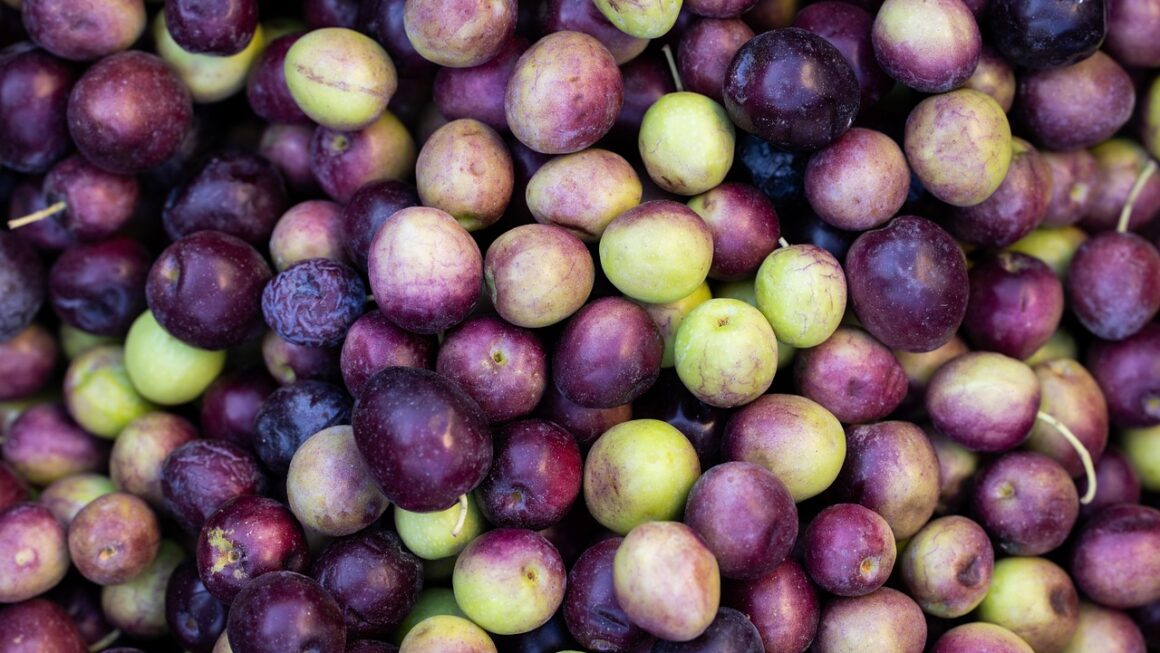
- Marinated Olives: A simple bowl of high-quality Italian olives marinated with herbs (rosemary, thyme), garlic, and orange peel.
- Roasted Vegetables: Balsamic-glazed bell peppers, zucchini, or asparagus make fantastic additions to an antipasto platter.
- Farinata/Cecina: A savory pancake made from chickpea flour, water, and olive oil, baked until crispy. Naturally gluten-free and vegan.
Actionable Takeaway: Always have good quality bread, tomatoes, garlic, and fresh basil on hand. You’re never far from an impromptu bruschetta!
Fresh Salads & Vibrant Vegetables
Simple, fresh salads and vegetable dishes cleanse the palate and provide a refreshing contrast to richer courses.
- Panzanella: A Tuscan bread salad made with stale bread, ripe tomatoes, cucumber, red onion, basil, and a red wine vinaigrette. A perfect summer salad.
- Insalata Mista: A mixed green salad with a simple dressing of good quality olive oil, red wine vinegar, salt, and pepper.
- Braised Greens: Sautéed or braised bitter greens like rapini (broccoli rabe) or chicory with garlic and red pepper flakes.
- Grilled Artichoke Hearts: Marinated and grilled, these are flavorful and tender.
Actionable Takeaway: Keep dressings simple. A high-quality extra virgin olive oil and a good vinegar are often all you need to elevate fresh produce.
Artisanal Breads: Focaccia & Ciabatta
Italian meals often feature delicious breads, many of which are vegan and perfect for dipping in olive oil or sopping up sauces.
- Focaccia: A flat oven-baked Italian bread, often topped with herbs (rosemary), coarse salt, and plenty of olive oil. Its airy, chewy texture is delightful.
- Ciabatta: A rustic Italian white bread known for its elongated, broad, and somewhat flattened shape, and porous texture. Great for sandwiches or dipping.
- Grissini (Breadsticks): Crispy, thin breadsticks are often vegan and a lovely accompaniment to antipasti.
Actionable Takeaway: A warm loaf of focaccia or ciabatta alongside a small bowl of quality olive oil with a sprinkle of herbs and red pepper flakes is a simple yet elegant starter.
Sweet Endings: Vegan Italian Desserts
Italian desserts are famous for their richness and indulgence. While many traditional options rely on dairy and eggs, clever adaptations mean you don’t have to miss out on a sweet finish.
Reimagining Classic Desserts: Tiramisu & Panna Cotta
With plant-based alternatives, these iconic Italian sweets can be made just as decadent and satisfying.
- Vegan Tiramisu: Ladyfingers (ensure they are egg-free) soaked in strong coffee, layered with a rich mascarpone-like cream made from whipped coconut cream, silken tofu, or cashew cream, and dusted with cocoa powder.
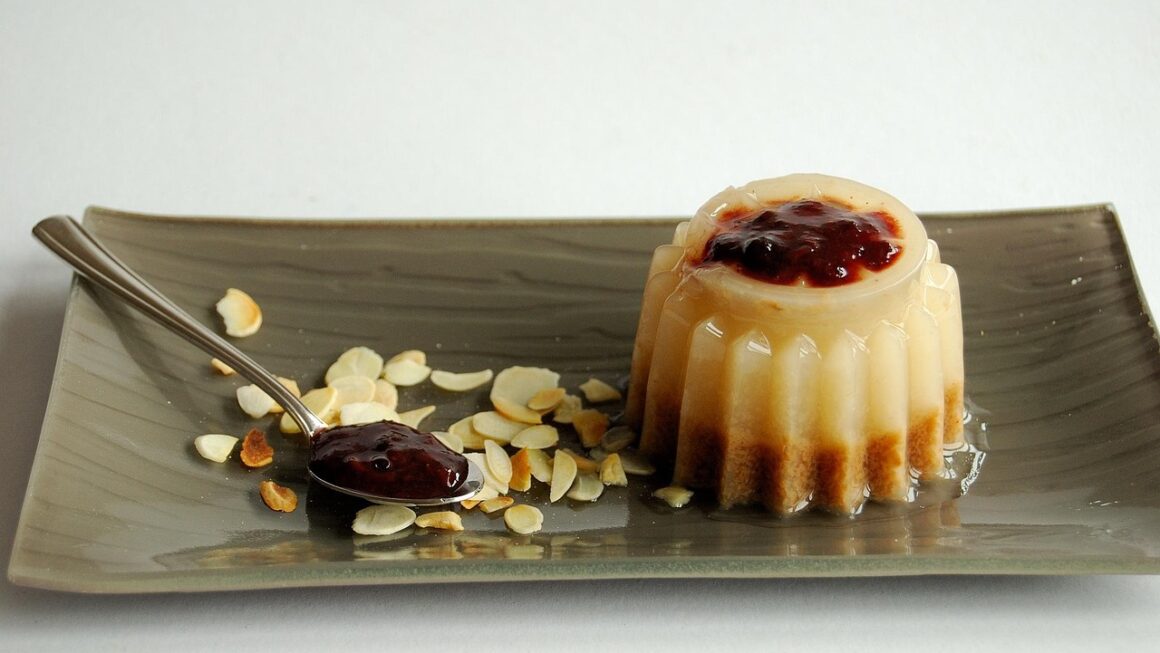
- Vegan Panna Cotta: A creamy, wobbly dessert made from plant-based cream (coconut or cashew), sweetened, and set with agar-agar (a plant-based gelling agent) instead of gelatin. Serve with fresh berries or a fruit coulis.
- Cannoli (Vegan filling): While the shell is harder to veganize authentically, a vegan ricotta filling (from tofu or cashews) can be piped into store-bought vegan cannoli shells or served in a deconstructed form.
Actionable Takeaway: Coconut cream is an excellent base for rich, dairy-free dessert creams. Chill a can of full-fat coconut milk overnight and scoop out the thick cream for whipping.
Fruity & Light Options: Sorbets & Biscotti
For those who prefer a lighter, naturally vegan sweet, Italy offers refreshing and satisfying choices.
- Sorbets: Naturally vegan, Italian sorbets (sorbetto) are a refreshing and vibrant end to any meal. Lemon, raspberry, and mango are classic flavors.
- Biscotti: Many biscotti recipes are naturally vegan or can be easily adapted by substituting eggs with flax eggs or applesauce. Perfect for dipping in coffee or plant-based milk.
- Fresh Fruit: A simple platter of fresh, seasonal fruit (fragole – strawberries, ciliegie – cherries, fichi – figs) is a classic Italian dessert, light and elegant.
Actionable Takeaway: Keep a few scoops of high-quality fruit sorbet in your freezer for an instant, refreshing vegan Italian dessert.
Conclusion
The journey through vegan Italian cuisine is a testament to the versatility and inherent plant-friendliness of one of the world’s most beloved food traditions. From the robust foundations of fresh produce, herbs, and olive oil to innovative plant-based pasta sauces, hearty main courses, and delightful desserts, a world of flavor awaits. Embracing a vegan Italian meal doesn’t mean sacrificing authenticity or deliciousness; it means discovering new dimensions of taste, celebrating the bounty of the earth, and perhaps even rekindling a deeper connection with culinary traditions. So go ahead, don your apron, gather your ingredients, and let the rich, vibrant, and utterly satisfying flavors of vegan Italy fill your kitchen and your heart.