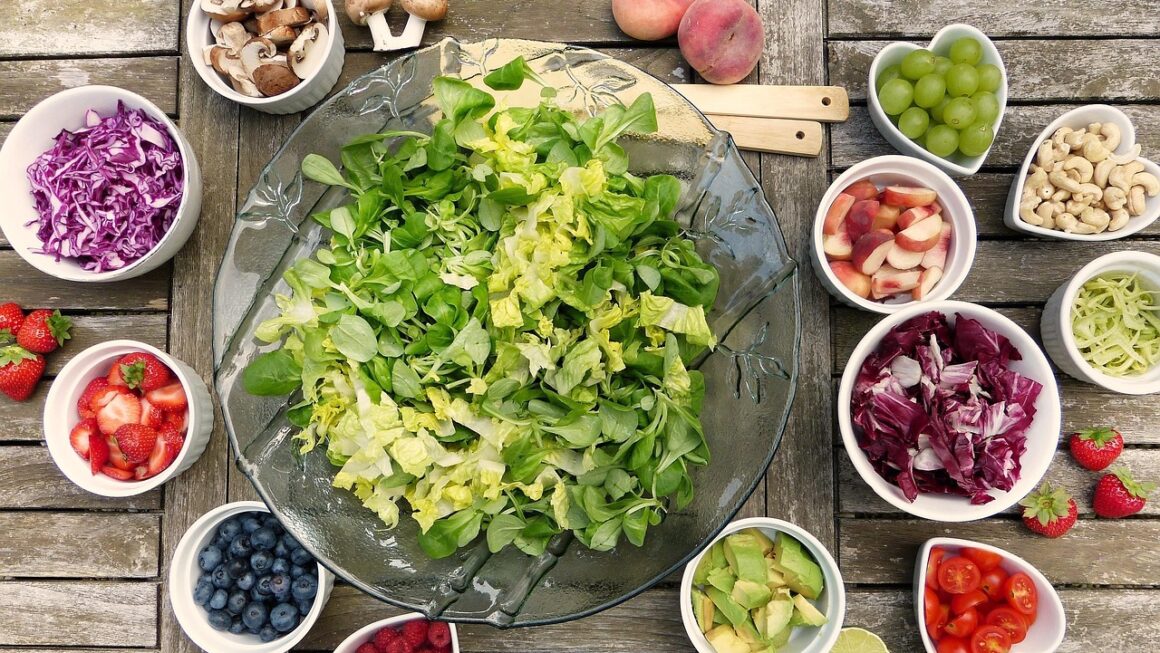
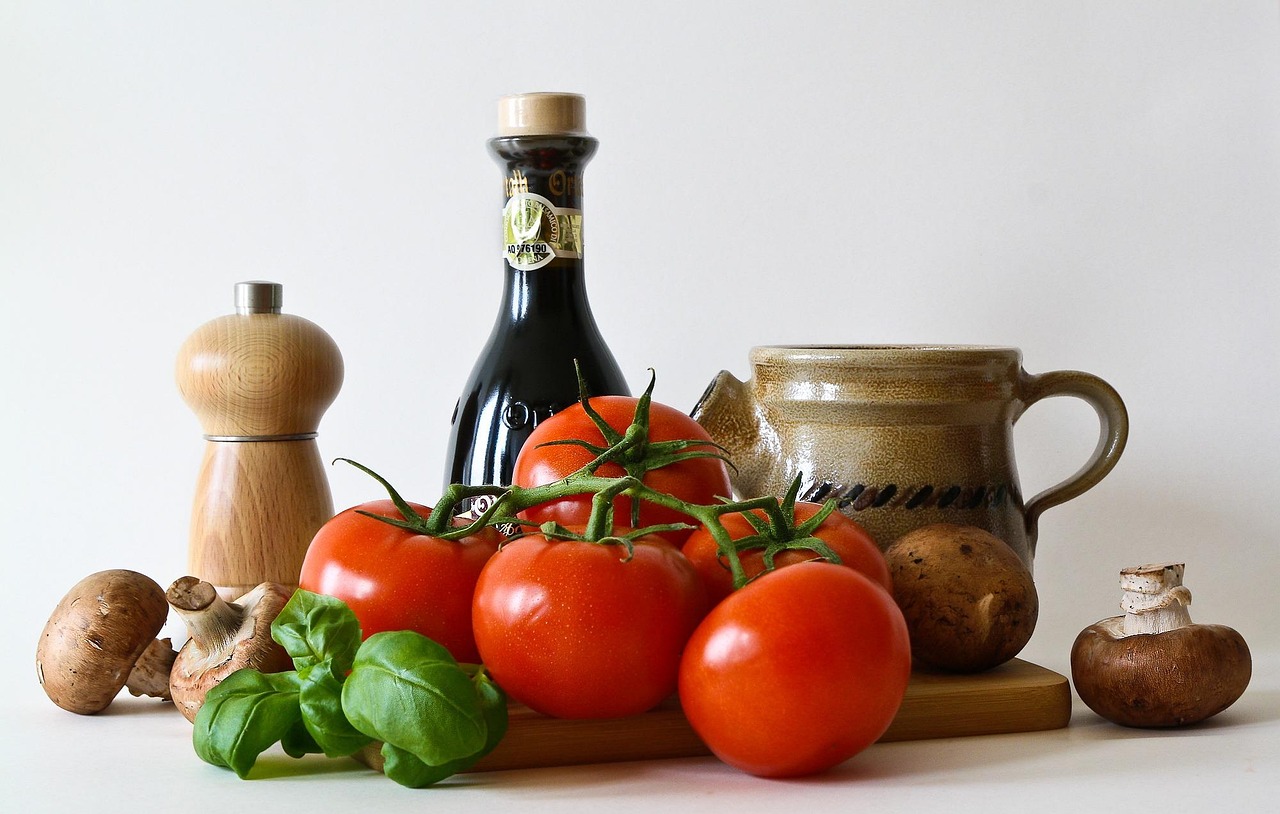
Embarking on a journey to optimize your health often leads to exploring various dietary approaches. Two powerful trends gaining significant traction are low-carb eating and veganism, each celebrated for its distinct benefits. But what happens when you combine them? The low-carb vegan diet emerges as a compelling pathway for those seeking to harness the metabolic advantages of reduced carbohydrate intake alongside the ethical and environmental upsides of a plant-based lifestyle. This guide will demystify the low-carb vegan landscape, offering a comprehensive meal plan, practical tips, and essential insights to help you thrive on this unique and nutrient-rich eating style.
Understanding the Low-Carb Vegan Landscape
The synergy of a low-carb and vegan approach can offer a unique set of health benefits, from enhanced blood sugar control to sustainable weight management. However, navigating this dietary path requires a clear understanding of its principles and food choices.
What is a Low-Carb Vegan Diet?
A low-carb vegan diet is defined by significantly reducing carbohydrate intake while exclusively consuming plant-based foods. While “low-carb” can be subjective, it generally means aiming for 20-50 grams of net carbs per day (total carbs minus fiber). This dietary pattern encourages the body to switch from burning glucose for energy to burning fat, potentially leading to a state of ketosis for some individuals (often referred to as a “vegan keto” diet).
- Focus: Non-starchy vegetables, healthy fats, and plant-based proteins.
- Exclusion: All animal products (meat, dairy, eggs, honey) and high-carb plant foods (grains, legumes, starchy vegetables, most fruits, refined sugars).
- Goal: To achieve metabolic flexibility, stable energy levels, and support various health objectives.
Why Go Low-Carb and Vegan?
Combining these two powerful diets offers a range of potential benefits that can significantly impact overall well-being.
- Weight Management: Reducing carbohydrates can lead to decreased appetite and increased fat burning, aiding in weight loss.
- Blood Sugar Control: Eliminating refined sugars and starches helps stabilize blood glucose levels, making it beneficial for individuals with insulin resistance or type 2 diabetes.
- Improved Energy Levels: Many report more sustained energy and fewer “crashes” throughout the day as the body adapts to fat as its primary fuel source.
- Heart Health: A diet rich in plant-based healthy fats (like avocados, nuts, seeds) and fiber can support cardiovascular health.
- Inflammation Reduction: Plant-based diets are inherently anti-inflammatory, and reducing processed foods further enhances this effect.
- Ethical and Environmental Impact: Aligning with vegan principles reduces animal suffering and contributes to a smaller environmental footprint.
Essential Nutrients and Considerations
While highly beneficial, a low-carb vegan diet requires careful planning to ensure nutritional adequacy. Pay close attention to these key nutrients:
- Protein: Essential for muscle maintenance and satiety. Focus on sources like tofu, tempeh, seitan, pea protein, hemp seeds, and nuts.
- Healthy Fats: Crucial for energy, hormone production, and nutrient absorption. Avocados, nuts, seeds, olive oil, and coconut oil are excellent choices.
- Fiber: Even with reduced carbs, ensuring adequate fiber from non-starchy vegetables is vital for digestive health.
- Vitamins and Minerals: B12, Iron, Calcium, Iodine, Omega-3s (EPA/DHA), and Vitamin D are often highlighted for vegans. Strategic food choices and targeted supplementation may be necessary.
Staple Foods for Your Low-Carb Vegan Pantry
Building a successful low-carb vegan meal plan starts with stocking your kitchen with the right ingredients. These staples will form the foundation of your delicious and nutritious meals.
Protein Powerhouses
Protein is paramount for satiety and muscle maintenance. Here are some excellent low-carb vegan protein sources:
- Tofu & Tempeh: Versatile and excellent sources of complete protein. Tofu is great for scrambles and stir-fries, while tempeh has a firmer texture ideal for grilling or baking.
- Seitan: A wheat-gluten-based protein, high in protein and very low in carbs. Excellent meat substitute.
- Lupin Flour/Flakes: A less common but powerful protein source, very low in carbs.
- Hemp Seeds: (approx. 2g net carbs per 3 tbsp) Offer complete protein and omega-3s, great for salads, smoothies, or toppings.
- Chia Seeds: (approx. 1g net carbs per 2 tbsp) High in fiber and protein, perfect for puddings or as an egg replacer.
- Nutritional Yeast: A cheesy flavor enhancer and good source of B vitamins (including B12 if fortified).
- Vegan Protein Powders: (pea, hemp, pumpkin seed protein) Can be a convenient way to boost protein intake.
Healthy Fats are Your Friend
Healthy fats are your primary energy source on a low-carb diet. Embrace these options:
- Avocados: Rich in monounsaturated fats, fiber, and potassium.
- Nuts & Seeds: Almonds, walnuts, pecans, macadamia nuts, flax seeds, pumpkin seeds, sunflower seeds. Consume in moderation due to calorie density.
- Olive Oil: Extra virgin olive oil for dressings and light sautéing.
- Coconut Oil: Great for cooking at higher temperatures.
- Nut Butters: Unsweetened almond, cashew, or peanut butter (in moderation).
Low-Carb Vegetable Stars
These non-starchy vegetables are the backbone of your low-carb vegan meals, providing essential vitamins, minerals, and fiber.
- Leafy Greens: Spinach, kale, collard greens, romaine lettuce, Swiss chard.
- Cruciferous Vegetables: Broccoli, cauliflower, Brussels sprouts, cabbage.
- Other Favorites: Zucchini, bell peppers, asparagus, mushrooms, green beans, celery, cucumber, eggplant.
- Limited Fruits: Small portions of berries (strawberries, raspberries, blueberries) can be enjoyed due to their lower sugar content.
Flavor Boosters and Extras
Don’t forget to add depth and excitement to your dishes with these low-carb vegan flavor enhancers:
- Herbs & Spices: All fresh and dried herbs, garlic, ginger, turmeric, cumin, chili powder.
- Vinegars: Apple cider vinegar, red wine vinegar, balsamic vinegar (in moderation due to sugar content).
- Mustard: Dijon, yellow, or whole grain (check labels for added sugar).
- Soy Sauce/Tamari: For umami flavor.
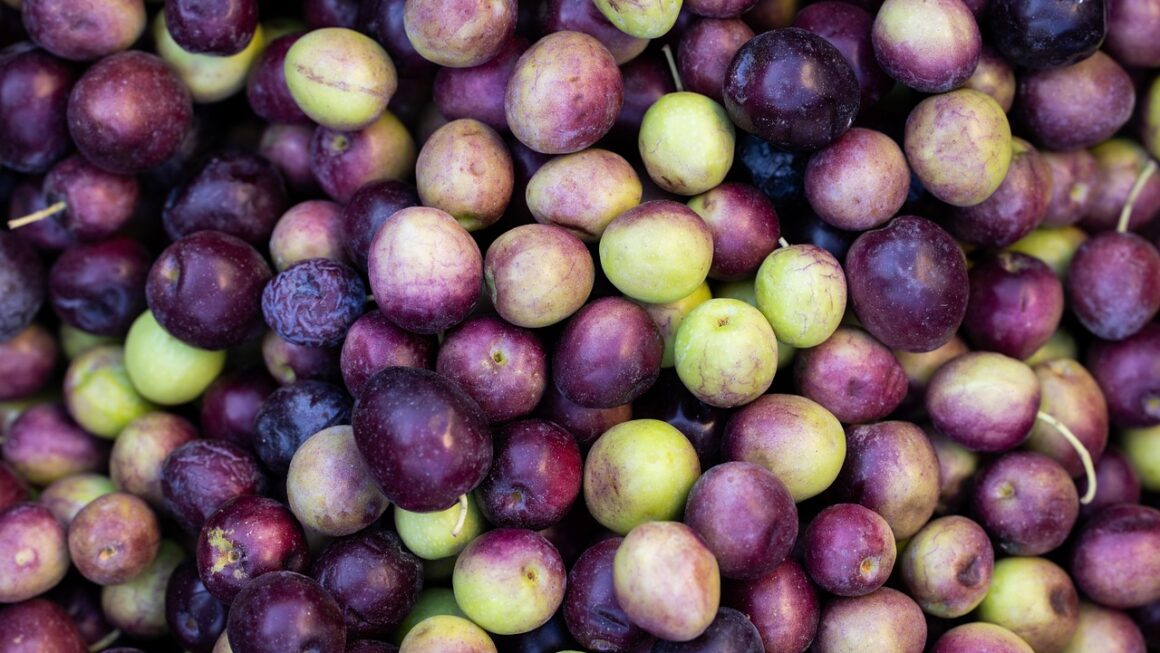
- Olives: Green or black olives for healthy fats and salty notes.
- Fermented Foods: Kimchi, sauerkraut (check for sugar-free varieties).
Crafting Your Low-Carb Vegan Meal Plan: A 7-Day Example
Consistency is key on any diet, and a structured meal plan can make all the difference. This 7-day example offers inspiration and variety, keeping your net carb count low and your nutrient intake high. Remember to adjust portion sizes based on your individual needs and activity levels.
Day 1-3 Sample Plan
Day 1
- Breakfast: Tofu scramble with spinach, mushrooms, and nutritional yeast, cooked in coconut oil.
- Lunch: Large mixed greens salad with sliced avocado, pumpkin seeds, cucumber, bell peppers, and a tahini-lemon dressing.
- Dinner: Tempeh stir-fry with broccoli, bok choy, and a low-sodium tamari-ginger sauce.
- Snack: Handful of almonds.
Day 2
- Breakfast: Chia seed pudding made with unsweetened almond milk, topped with a few raspberries and hemp seeds.
- Lunch: Leftover tempeh stir-fry.
- Dinner: Cauliflower “steaks” baked with olive oil, garlic, and herbs, served with a side of sautéed kale.
- Snack: Celery sticks with almond butter.
Day 3
- Breakfast: Smoothie: Unsweetened almond milk, spinach, 1/2 avocado, scoop of vegan protein powder, chia seeds.
- Lunch: “No-tuna” salad made with mashed chickpeas (though chickpeas are higher carb, a small amount as a base can fit within limits, or use mashed tofu for lower carb) or mashed hearts of palm, celery, vegan mayo, and dill, served in lettuce cups.
- Dinner: Vegan “meatballs” (made from seitan or mushrooms/walnuts) with zucchini noodles and a sugar-free marinara sauce.
- Snack: A few olives and a slice of vegan cheese (check carb count).
Day 4-7 Sample Plan
Day 4
- Breakfast: Tofu scramble with asparagus and a sprinkle of nutritional yeast.
- Lunch: Large mixed green salad with seitan strips, cherry tomatoes, and a vinaigrette dressing.
- Dinner: Creamy mushroom soup (made with full-fat coconut milk) with a side of roasted Brussels sprouts.
- Snack: Small handful of pecans.
Day 5
- Breakfast: Savory “oatmeal” (made from hemp seeds or finely chopped cauliflower) with sautéed greens and a drizzle of olive oil.
- Lunch: Leftover creamy mushroom soup.
- Dinner: Tofu “feta” salad: diced firm tofu marinated in olive oil, lemon, and oregano, tossed with cucumber, bell peppers, spinach, and olives.
- Snack: Small portion of strawberries.
Day 6
- Breakfast: Vegan protein pancakes (made with low-carb flour blend like almond flour) topped with a few berries and sugar-free syrup.
- Lunch: Lettuce wraps filled with seasoned tempeh crumbles, avocado, and salsa.
- Dinner: Low-carb vegan pizza: cauliflower crust topped with sugar-free tomato sauce, mushrooms, bell peppers, olives, and vegan mozzarella (optional).
- Snack: Edamame (in moderation, check carb count).
Day 7
- Breakfast: Scrambled lupin flakes with nutritional yeast and kale.
- Lunch: Large bowl of zucchini noodles with a pesto made from basil, nutritional yeast, pumpkin seeds, and olive oil.
- Dinner: Vegan curry made with full-fat coconut milk, broccoli, cauliflower, green beans, and seitan chunks, served with cauliflower rice.
- Snack: Avocado slices sprinkled with “Everything Bagel” seasoning.
Smart Snacking Options
Keep hunger at bay and nutrient intake optimized with these low-carb vegan snack ideas:
- Nut & Seed Mix: Almonds, walnuts, pumpkin seeds.
- Avocado: Sliced with salt and pepper, or mashed into guacamole.
- Celery & Bell Pepper Sticks: With almond butter or a low-carb vegan dip.
- Olives: A handful provides healthy fats.
- Sugar-Free Vegan Jello/Gummies: Check ingredients carefully.
- Small Portion of Berries: Strawberries or raspberries.
- Vegan Protein Shake: With unsweetened almond milk.
Navigating Challenges and Ensuring Nutritional Adequacy
Adopting any restrictive diet can present unique challenges. A low-carb vegan diet is no exception, but with careful planning, most hurdles can be effectively managed.
Addressing Potential Nutrient Gaps
The combination of veganism and low-carb eating naturally limits certain food groups, making strategic nutrient intake crucial.
- Vitamin B12: This is the most critical supplement for all vegans. B12 is not found reliably in plant foods, so a supplement is essential.
- Omega-3 Fatty Acids (EPA & DHA): While flax, chia, and hemp seeds provide ALA (which converts to EPA/DHA), the conversion rate is often inefficient. Consider an algae-based EPA/DHA supplement.
- Iron: Incorporate iron-rich vegan foods like spinach, kale, fortified cereals (if carb allowance permits), and pumpkin seeds. Pair with Vitamin C-rich foods to enhance absorption.
- Calcium: Focus on calcium-fortified plant milks, tofu set with calcium sulfate, collard greens, kale, and sesame seeds.
- Vitamin D: Sun exposure is ideal, but many, regardless of diet, benefit from a Vitamin D3 (vegan lichen-derived) supplement, especially in winter months.
- Iodine: Seaweed (in moderation), iodized salt, or a supplement can help meet needs.
- Zinc: Pumpkin seeds, hemp seeds, and some fortified foods are good sources.
Overcoming Common Hurdles
Awareness and preparation are key to overcoming typical challenges encountered on a low-carb vegan diet.
- “Keto Flu” Symptoms: In the initial phase, some people experience headaches, fatigue, or irritability as their body adapts. Ensure adequate hydration and electrolyte intake (magnesium, potassium, sodium). Vegetable broths and electrolyte supplements can help.
- Limited Food Choices: It can feel restrictive. Focus on variety within the allowed foods and experiment with new recipes and spices to keep meals exciting. Meal prepping can significantly reduce decision fatigue.
- Social Situations: Eating out or at gatherings can be tricky. Look for salads, steamed vegetables, or ask for modifications (e.g., no croutons, oil and vinegar dressing on the side). Pack your own snacks if necessary.
- Cravings: Cravings for high-carb foods are common initially. Having low-carb vegan alternatives on hand (e.g., berries, nuts, vegan keto-friendly desserts) can help manage them.
Tips for Long-Term Success
To make the low-carb vegan lifestyle sustainable and enjoyable, integrate these practical strategies:
- Listen to Your Body: Pay attention to hunger cues, energy levels, and how different foods make you feel. Adjust your macros and food choices accordingly.
- Stay Hydrated: Drink plenty of water throughout the day. Electrolyte balance is crucial, especially on a low-carb diet.
- Track Your Intake: Especially in the beginning, using an app to track your macronutrients (carbs, protein, fat) can help ensure you’re staying within your desired carb range and meeting protein goals.
- Experiment with Recipes: Don’t be afraid to try new ingredients and cooking methods. There’s a wealth of low-carb vegan recipes available online.
- Plan Ahead: Meal prepping and having a well-stocked pantry are your best friends for consistency.
- Consult a Professional: Consider working with a registered dietitian or nutritionist experienced in vegan and low-carb diets to ensure you’re meeting all your nutritional needs.
Practical Tips for Success and Sustainability
Successfully maintaining a low-carb vegan diet involves more than just knowing what to eat; it’s about developing sustainable habits that fit your lifestyle.
Mastering Meal Prep
Meal preparation is arguably the most powerful tool for adhering to a low-carb vegan diet. It saves time, money, and reduces the likelihood of impulse, off-plan eating.
- Batch Cook Staples: Prepare large quantities of roasted vegetables (broccoli, cauliflower, Brussels sprouts), baked tofu or tempeh, and creamy dressings at the beginning of the week.
- Pre-Chop Ingredients: Wash and chop your leafy greens, bell peppers, zucchini, and other vegetables so they’re ready to grab for salads, scrambles, or stir-fries.
- Portion Out Meals: Divide your prepped food into individual containers for easy grab-and-go lunches and dinners.
- Frozen Assets: Utilize frozen low-carb vegetables (spinach, broccoli florets) for quick additions to any meal without worrying about spoilage.
Smart Shopping and Label Reading
Navigating the grocery store requires a keen eye when following a low-carb vegan diet.
- Focus on Whole Foods: Prioritize fresh produce, nuts, seeds, and unprocessed protein sources.
- Read Nutrition Labels Diligently:
- Check “Total Carbohydrates” and “Dietary Fiber.” Calculate net carbs (Total Carbs – Fiber).
- Look for Added Sugars: Many seemingly healthy products can hide added sugars (dextrose, corn syrup, fruit juice concentrate).
- Beware of Fillers: Some vegan processed foods might contain starches or sugars to improve texture or flavor.
- Shop the Perimeter: The outer aisles of the grocery store typically house fresh produce, while the inner aisles contain more processed items.
Hydration and Electrolytes
Maintaining proper hydration and electrolyte balance is especially important on a low-carb diet, as reduced carbohydrate intake can affect fluid retention.
- Drink Plenty of Water: Aim for at least 8 glasses (2 liters) of water daily, more if you’re active.
- Electrolyte Balance:
- Sodium: Don’t be afraid to lightly salt your food.
- Potassium: Found in avocados, spinach, mushrooms, and leafy greens.
- Magnesium: Rich sources include leafy greens, pumpkin seeds, and almonds. Consider a magnesium supplement if needed.
- Bone Broth Alternatives: Vegetable broth can provide some electrolytes.
- Avoid Sugary Drinks: Stick to water, unsweetened tea, and black coffee.
Conclusion
The low-carb vegan diet offers a powerful and sustainable path for those seeking to enhance their health through plant-based nutrition and metabolic optimization. By prioritizing non-starchy vegetables, healthy fats, and diverse plant proteins, you can enjoy delicious, satisfying meals while reaping benefits like improved blood sugar control, weight management, and sustained energy. While it requires thoughtful planning to ensure complete nutrition, with the right knowledge and a well-stocked pantry, this dietary approach is both feasible and incredibly rewarding. Remember to listen to your body, consider supplementation for key nutrients like B12 and Omega-3s, and consult with a healthcare professional to ensure it aligns with your individual health needs. Embrace the abundance of whole, plant-based foods, and embark on your journey to a healthier, more vibrant you!