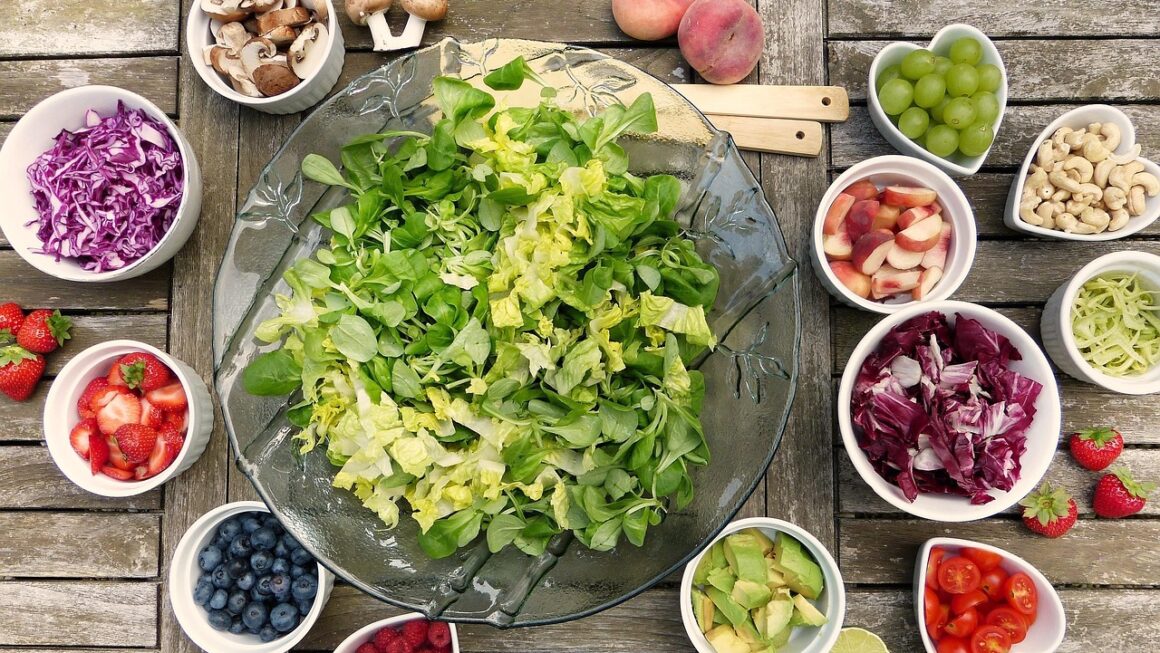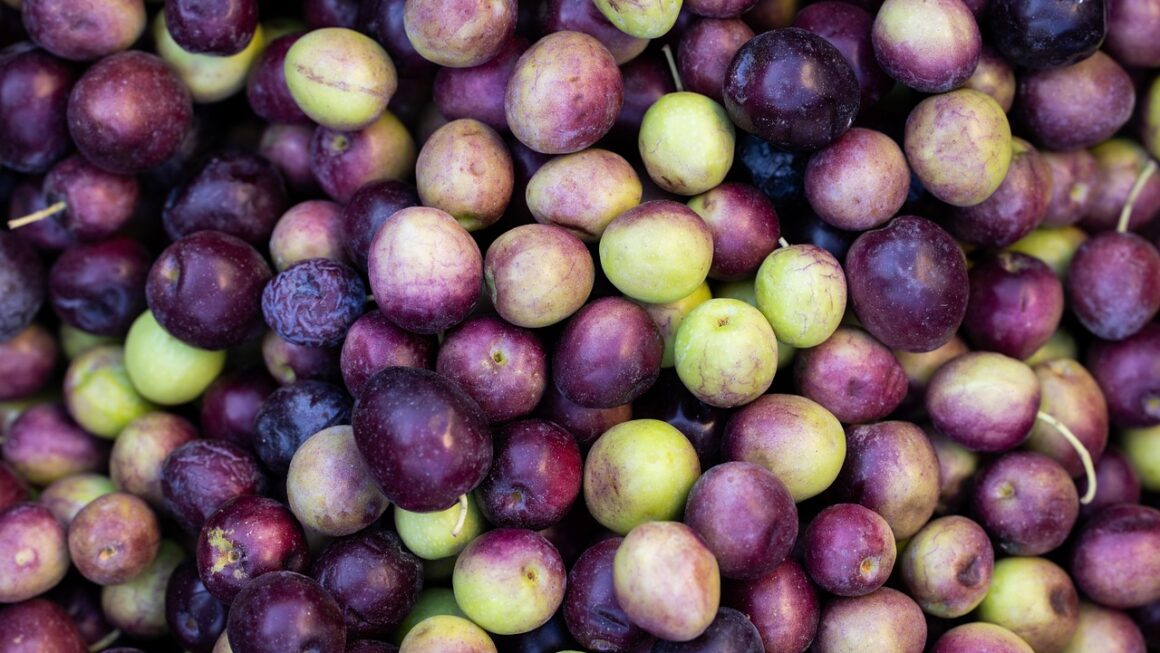
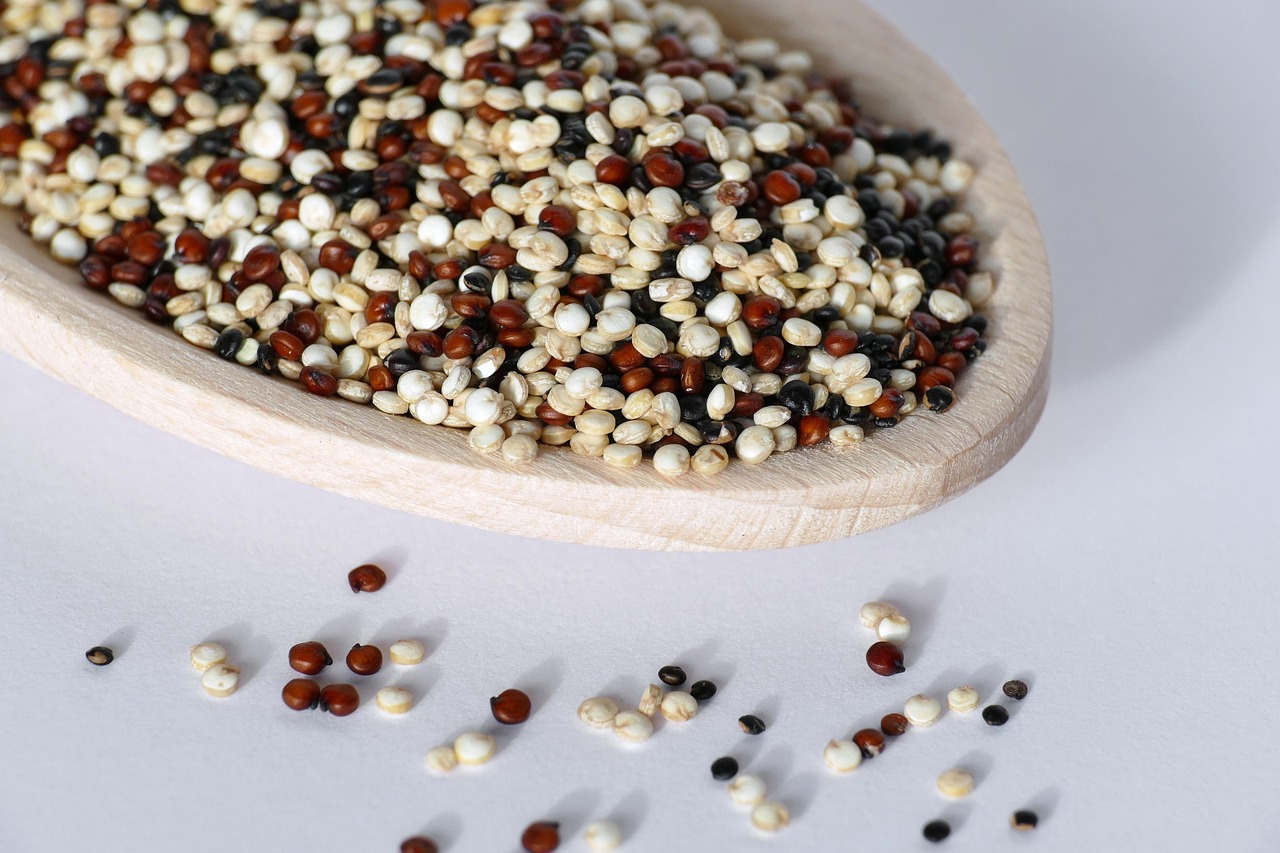
The culinary landscape is constantly evolving, and at its vibrant intersection lies a movement that is as rich in flavor as it is in history: Black vegan meals. Far more than just a diet, this cuisine is a celebration of heritage, innovation, and wellness, taking traditional African, Caribbean, and Southern American dishes and reimagining them through a compassionate, plant-based lens. From the smoky depths of collard greens to the vibrant spices of a Jollof rice, Black vegan food offers an incredible array of tastes, textures, and aromas that are both deeply comforting and astonishingly healthful. Get ready to embark on a delicious journey that honors culture, nourishes the body, and delights the senses.
The Rich Tapestry of Black Vegan Cuisine
Black vegan cuisine is a testament to culinary ingenuity, transforming beloved traditional dishes into plant-based masterpieces without sacrificing an ounce of their soul. It’s a culinary journey deeply rooted in history, tradition, and a profound understanding of plant-based ingredients.
Historical Roots and Adaptation
The foundations of Black vegan meals are laid in centuries-old culinary traditions from West Africa, the Caribbean, and the American South. These cultures have historically incorporated a high proportion of plant-based foods, often out of necessity or spiritual practice. The shift to fully vegan often involves a mindful substitution of animal products while retaining the essence and flavor profiles.
- West African Influence: Ingredients like yams, plantains, rice, and legumes have been staples, forming the basis for hearty stews and flavorful grain dishes.
- Caribbean Flair: Tropical fruits, root vegetables like taro and cassava, and vibrant spices like allspice and Scotch bonnet peppers define many dishes, naturally lending themselves to plant-based interpretations.
- Southern Soul Food: While often associated with meat, many iconic soul food ingredients like collard greens, black-eyed peas, okra, and sweet potatoes are inherently plant-based, requiring only the removal of animal fats (like ham hocks) for vegan versions.
Core Ingredients and Flavor Profiles
The secret to the irresistible appeal of Black vegan meals lies in their masterful use of a diverse pantry and bold seasoning. These dishes are anything but bland; they burst with layers of flavor.
- Legumes & Grains: Black-eyed peas, lentils, chickpeas, kidney beans, rice (brown, white, wild), quinoa, and fonio are foundational for protein and texture.
- Vibrant Vegetables: Collard greens, kale, mustard greens, okra, sweet potatoes, yams, bell peppers, onions, and garlic are essential for nutrients and bulk.
- Aromatic Spices & Herbs: Smoked paprika, cayenne pepper, thyme, allspice, curry powder, garlic powder, onion powder, bay leaves, and fresh herbs create depth and warmth.
- Umami Boosters: Nutritional yeast, mushrooms, sun-dried tomatoes, and sometimes a touch of liquid smoke are ingeniously used to replicate savory, meaty undertones.
Flavorful Staples: Reimagining Classic Black Dishes
The beauty of Black vegan cuisine is its ability to honor tradition while embracing innovation. Classic dishes are not just veganized; they are often elevated, showcasing the incredible versatility of plant-based ingredients.
Southern Comfort Goes Plant-Based
Southern soul food is synonymous with comfort, and vegan versions deliver all the warmth and satisfaction without the animal products.
- Vegan Mac and Cheese: Often made with a creamy cashew-based sauce, nutritional yeast for cheesiness, and a blend of spices, baked to golden perfection. Practical tip: Use plant milk (unsweetened, unflavored) and a mix of cashews and carrots for an authentic color and texture.
- Smoky Collard Greens: Traditionally cooked with ham hocks, vegan collards achieve that deep, smoky flavor using smoked paprika, a touch of liquid smoke, onions, garlic, and vegetable broth. Actionable takeaway: Slow-cook your greens until tender for maximum flavor absorption.
- Black-Eyed Peas with Stewed Tomatoes: A New Year’s Day staple, made vegan by simply omitting pork products and focusing on the rich blend of onions, bell peppers, garlic, and spices.
- Vegan Cornbread: Easily made with plant milk and a flax egg (ground flaxseed mixed with water) as an egg replacer, resulting in a moist, crumbly, and slightly sweet accompaniment.
Caribbean and African Influences
From the spicy stews of West Africa to the vibrant curries of the Caribbean, these plant-based interpretations are bursting with exotic flavors.
- Vegan Jollof Rice: This iconic West African dish features long-grain rice cooked in a savory tomato and pepper sauce with aromatic spices. Vegan versions retain all the authentic taste, often using vegetable broth and a blend of fresh ingredients.
- Ackee and “Saltfish” (Hearts of Palm): A traditional Jamaican breakfast, veganized by using hearts of palm or shredded jackfruit in place of saltfish, stir-fried with ackee, peppers, onions, and Scotch bonnet for that signature kick. Practical example: Marinate the hearts of palm in a little seaweed for a subtle oceanic flavor.
- Peanut Stew (Mafe): A rich and hearty West African stew, naturally vegan when prepared with vegetables like sweet potatoes, spinach, and a creamy peanut butter base, spiced with ginger and chili.
- Plantain Dishes: Whether fried, baked, or incorporated into stews, plantains are a versatile and naturally vegan staple across many Black cuisines.
Nutritional Powerhouse: Health Benefits of Black Vegan Meals
Beyond their incredible taste, Black vegan meals are packed with health-promoting nutrients, offering significant benefits for well-being.
Disease Prevention and Management
A diet rich in whole plant foods has been consistently linked to improved health outcomes, and Black vegan meals are no exception.
- Heart Health: High in fiber and low in saturated fat and cholesterol, these meals can significantly reduce the risk of heart disease. Studies show that plant-based diets can lower blood pressure and cholesterol levels.
- Diabetes Management: The abundance of complex carbohydrates and fiber helps stabilize blood sugar levels, making it beneficial for preventing and managing type 2 diabetes.
- Cancer Prevention: Rich in antioxidants and phytochemicals from fruits, vegetables, and legumes, a plant-based diet can help protect against various cancers.
- Weight Management: High fiber content promotes satiety, aiding in healthy weight management without calorie restriction.
Nutrient-Dense and Wholesome
Black vegan cuisine naturally emphasizes ingredients that are powerhouses of essential vitamins and minerals.
- Rich in Fiber: Essential for digestive health, blood sugar regulation, and satiety. Legumes, whole grains, and leafy greens are excellent sources.
- Abundant in Vitamins and Minerals:
- Iron: From collard greens, lentils, black-eyed peas (enhance absorption with Vitamin C from bell peppers or tomatoes).
- Vitamin A: Plentiful in sweet potatoes, carrots, and dark leafy greens.
- Potassium: Found in plantains, sweet potatoes, and leafy greens.
- Calcium: Available in fortified plant milks, collard greens, and tofu.
- Powerful Antioxidants: Berries, colorful vegetables, and spices provide compounds that combat oxidative stress and inflammation.
Energy and Vitality
Fueling your body with whole, unprocessed plant foods provides sustained energy and enhances overall vitality.
- Sustained Energy: Complex carbohydrates from grains and legumes offer a steady release of glucose, preventing energy crashes.
- Improved Digestion: The high fiber content supports a healthy gut microbiome and regular bowel movements.
- Mental Clarity: A nutrient-rich diet can positively impact mood and cognitive function, helping to reduce brain fog and improve focus.
Making It Accessible: Tips for Your Black Vegan Journey
Embracing Black vegan meals is easier than you might think. With a few practical tips and a willingness to explore, you can create delicious and nourishing dishes in your own kitchen.
Stocking Your Pantry
A well-stocked pantry is your best friend on a plant-based journey. Focus on versatile staples that form the backbone of Black vegan cooking.
- Legumes: Canned or dried black-eyed peas, lentils, kidney beans, chickpeas.
- Grains: Rice (brown, white), quinoa, grits, cornmeal.
- Spices & Seasonings: Smoked paprika, garlic powder, onion powder, cayenne pepper, thyme, curry powder, allspice, nutritional yeast, liquid smoke, quality sea salt.
- Oils & Vinegars: Olive oil, avocado oil, apple cider vinegar.
- Produce: Onions, garlic, sweet potatoes, plantains, collard greens, kale, bell peppers.
- Plant Milks: Unsweetened almond, soy, or oat milk for cooking and baking.
- Umami Enhancers: Tomato paste, mushrooms, soy sauce or tamari.
Actionable Takeaway: Start by replacing one animal-based ingredient in a traditional recipe with a plant-based alternative each week. For example, swap ham hocks for smoked mushrooms in your collard greens.
Mastering Flavor and Texture
Achieving the depth and richness of traditional Black cuisine in vegan dishes requires understanding how to build flavor without meat.
- Layer Your Spices: Don’t just add all spices at once. Sauté aromatics (onions, garlic, celery) first, then add dried spices to toast them before adding liquids.
- Umami Building: Utilize nutritional yeast for a cheesy, savory note. Smoked paprika and liquid smoke are fantastic for replicating smoky flavors. Mushrooms, especially cremini or shiitake, add a deep, earthy umami.
- Texture Contrast: Combine creamy elements (e.g., cashew cream, pureed beans) with hearty textures (e.g., roasted root vegetables, pan-seared tofu or tempeh).
- Slow Cooking: Many traditional dishes benefit from long, slow simmering to allow flavors to meld and develop depth, even for plant-based versions.
Practical Tip: When making a stew, caramelize your onions thoroughly before adding other ingredients; this forms a crucial flavor base.
Finding Inspiration and Community
The Black vegan movement is thriving, offering a wealth of resources and support.
- Cookbooks & Blogs: Explore cookbooks by Black vegan chefs and food bloggers who specialize in this cuisine. They often share family recipes adapted for plant-based living.
- Social Media: Instagram and Pinterest are treasure troves of recipes, cooking videos, and food photography from the Black vegan community.
- Local Markets: Farmers’ markets and ethnic grocery stores can introduce you to new ingredients and provide fresh, seasonal produce essential for authentic flavors.
- Community Groups: Online forums and local meetups can offer encouragement, shared recipes, and a sense of belonging.
Actionable Takeaway: Follow a few prominent Black vegan food influencers or blogs to consistently discover new recipes and tips. Examples include @SweetPotatoSoul, @IHeartVegans, or @Eat_Figs_Not_Pigs.
Conclusion
Black vegan meals are a vibrant, flavorful, and incredibly healthful expression of culinary heritage. They seamlessly blend the richness of African, Caribbean, and Southern traditions with the principles of plant-based eating, proving that you never have to sacrifice taste for wellness or cultural connection. By embracing this cuisine, you’re not just exploring delicious food; you’re celebrating a legacy of resilience, creativity, and the power of plants to nourish both body and soul. So, roll up your sleeves, gather your spices, and get ready to create some truly unforgettable plant-based masterpieces that honor history and tantalize your taste buds.