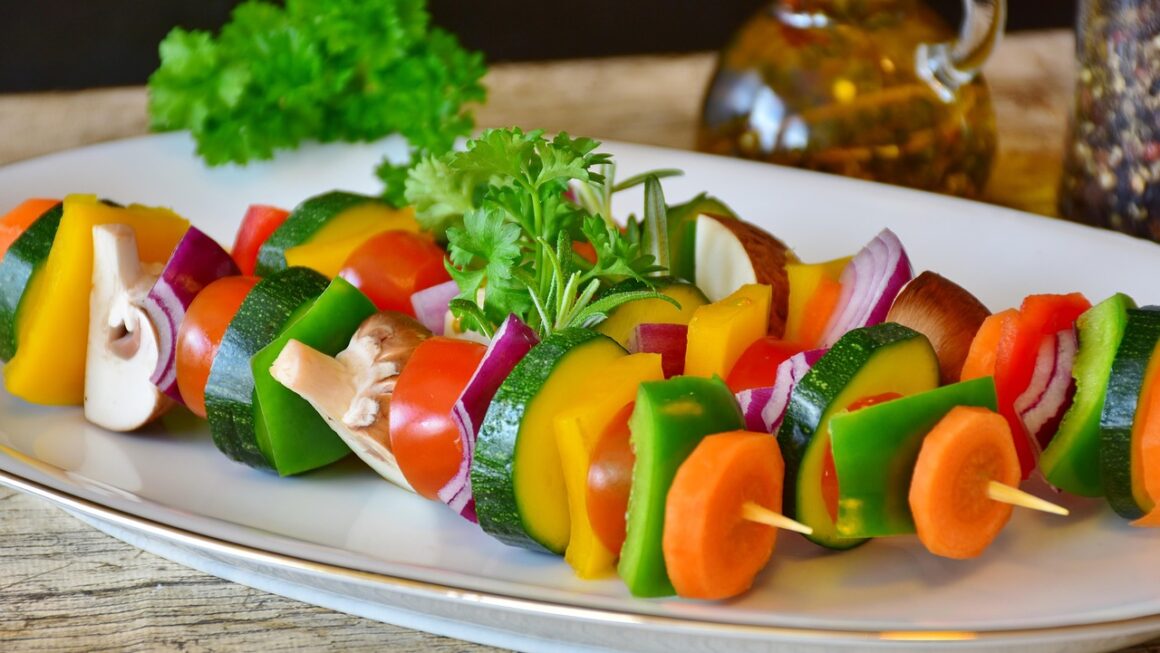

Embarking on a ketogenic diet often conjures images of endless bacon and cheese, but savvy keto-dieters know that vegetables are the unsung heroes of a successful low-carb lifestyle. Far from being an optional extra, incorporating the right “keto veggies” is fundamental for nutritional completeness, satiety, and preventing the dreaded “keto flu.” This comprehensive guide will peel back the layers on which vegetables you can feast on freely, which to enjoy in moderation, and which to judiciously avoid, ensuring your keto journey is not just effective but also deliciously vibrant and rich in essential micronutrients.
Understanding Keto-Friendly Vegetables
The core principle of the ketogenic diet is to significantly reduce carbohydrate intake to induce a metabolic state called ketosis. While most vegetables are healthy, not all are keto-friendly. The key lies in their net carb count.
What are Net Carbs?
- Total Carbs: This is the total carbohydrate content listed on nutrition labels.
- Fiber: Dietary fiber is a type of carbohydrate that your body cannot digest. It passes through your system largely intact and does not raise blood sugar.
- Net Carbs Calculation: To find the net carbs, you subtract the total fiber from the total carbohydrates (Net Carbs = Total Carbs – Fiber). This is the number that matters most for keto.
Keto-friendly vegetables are those with a low net carb count, allowing you to consume them in larger quantities without exceeding your daily carb limit (typically 20-50g per day).
The Role of Fiber in Keto
Fiber is incredibly important on a ketogenic diet for several reasons:
- Digestive Health: Helps prevent constipation, a common side effect of reduced carbohydrate intake.
- Satiety: Adds bulk to your meals, helping you feel fuller for longer.
- Blood Sugar Control: Slows down the absorption of sugars, leading to a more stable blood glucose response.
- Prebiotic Benefits: Certain fibers feed beneficial gut bacteria, promoting a healthy microbiome.
Actionable Takeaway: Always prioritize vegetables rich in fiber to support digestive health and satiety while keeping net carbs low. Reading nutrition labels (or using reliable food databases) is crucial for accurate carb tracking.
Top Green & Leafy Keto Veggies
Green leafy vegetables are the backbone of a nutrient-dense ketogenic diet. They are incredibly low in net carbs and packed with vitamins, minerals, and antioxidants.
Spinach & Kale
- Spinach: A true keto superstar! It’s exceptionally low in net carbs (around 1g net carbs per cup), versatile, and rich in Vitamin K, Vitamin A, and iron.
- Kale: Slightly higher in carbs than spinach but still very keto-friendly (around 2-3g net carbs per cup). It’s a powerhouse of Vitamins K, A, and C, and various antioxidants.
Practical Uses:
- Spinach: Add raw to salads, sauté with garlic and butter as a side, blend into keto smoothies, or wilt into scrambled eggs.
- Kale: Massage with olive oil for a salad base, roast into crispy kale chips, or add to soups and stews for extra nutrients.
Lettuce Varieties & Arugula
- Romaine, Butter, Iceberg Lettuce: All are excellent choices for salads and wraps. They are incredibly low in calories and carbs, providing a satisfying crunch.
- Arugula: Offers a peppery, slightly bitter flavor that can elevate any salad or serve as a vibrant base for grilled meats. It’s also very low in carbs.
Practical Uses:
- Lettuce: Use large leaves as wraps for burgers or tacos, create refreshing side salads, or shred for an extra layer in sandwiches.
- Arugula: Toss with a simple olive oil and lemon dressing, add to pizzas after baking, or use as a garnish for steak.
Other Keto-Friendly Greens
- Swiss Chard: Similar to spinach and kale in nutritional profile, with beautiful colorful stems. Great sautéed or braised.
- Collard Greens: Heartier leaves that are fantastic braised with bacon or smoked meat, providing a rich, savory side dish.
Actionable Takeaway: Stock up on various leafy greens. They are incredibly versatile and provide a solid foundation of micronutrients for your keto meals. Aim to include at least one type of green vegetable with most of your meals.
Cruciferous Powerhouses for Keto
Cruciferous vegetables are another cornerstone of a keto diet. They are highly nutritious, high in fiber, and their versatility makes them excellent low-carb substitutes for starchy foods.
Broccoli & Cauliflower
- Cauliflower: The ultimate keto chameleon! With only about 3g net carbs per cup, it can transform into rice, mashed potatoes, pizza crust, and more. It’s rich in Vitamin C and K.
- Broccoli: A fantastic source of Vitamin C, K, and fiber (around 3-4g net carbs per cup). Its robust flavor holds up well to various cooking methods.
Practical Uses:
- Cauliflower: Make “cauliflower rice” for stir-fries, mash it with butter and cream cheese for a low-carb “mashed potato,” roast florets with olive oil and spices, or blend into creamy soups.
- Broccoli: Steam or roast with garlic, add to curries or casseroles, chop finely for a cold salad, or enjoy raw with a keto-friendly dip.
Brussels Sprouts & Cabbage
- Brussels Sprouts: These mini cabbages are surprisingly delicious when roasted or pan-fried, offering a slightly bitter yet sweet flavor. They provide about 5g net carbs per cup cooked.
- Cabbage: Incredibly low in net carbs (around 3g net carbs per cup shredded) and highly economical. It’s a great source of Vitamin C and K.
Practical Uses:
- Brussels Sprouts: Halve and roast with bacon, pan-fry with butter, or shred raw for a unique slaw.
- Cabbage: Use shredded in coleslaws (with a keto dressing), sauté as a side, make “un-stuffed” cabbage roll bowls, or ferment into sauerkraut for gut health.
Actionable Takeaway: Don’t underestimate the power of cruciferous vegetables. Their ability to mimic high-carb foods makes them invaluable for maintaining variety and satisfaction on keto. Experiment with different preparations to find your favorites.
Other Low-Carb Veggies to Embrace
Beyond the greens and cruciferous, there’s a colorful array of other keto veggies to keep your meals exciting and diverse.
Zucchini & Cucumber
- Zucchini: With about 2-3g net carbs per cup, zucchini is a versatile squash often used as a pasta substitute. It’s high in water content and provides Vitamin C.
- Cucumber: Extremely low in carbs (around 3g net carbs per cup), refreshing, and hydrating. Excellent for snacking or adding crunch to salads.
Practical Uses:
- Zucchini: Spiralize into “zoodles” for pasta dishes, grill or sauté slices, bake into keto bread, or hollow out and stuff with meat and cheese.
- Cucumber: Slice for snacking with guacamole or cream cheese, add to salads, make refreshing infused water, or create a cool, low-carb tzatziki.
Asparagus & Green Beans
- Asparagus: A delicate and flavorful spring vegetable with about 2g net carbs per cup. It’s a good source of Vitamin K and folate.
- Green Beans: While slightly higher in carbs than some other options (around 4g net carbs per cup), they are still perfectly acceptable in moderation. They offer fiber and Vitamin C.
Practical Uses:
- Asparagus: Roast with olive oil and parmesan, steam and top with hollandaise sauce, or grill alongside your favorite protein.
- Green Beans: Sauté with garlic and butter, blanch and toss in salads, or incorporate into casseroles.
Bell Peppers (in moderation)
Bell peppers add color and flavor, but their carb count varies by color and size:
- Green Bell Peppers: Lowest in carbs (around 3g net carbs per cup).
- Red & Yellow Bell Peppers: Sweeter, thus higher in carbs (around 5-7g net carbs per cup).
Practical Uses:
- Use green bell peppers more freely in stir-fries, fajitas, or chopped salads.
- Enjoy red and yellow bell peppers in smaller portions or as an occasional treat to add sweetness and Vitamin C.
Actionable Takeaway: Don’t limit yourself to just green veggies! Explore the variety of low-carb options to keep your meals interesting and ensure a wide spectrum of nutrients. Always be mindful of portion sizes, especially for those slightly higher in carbs like green beans and red bell peppers.
Veggies to Limit or Avoid on Keto
While most vegetables are nutrient-dense, some are simply too high in starch or sugar to fit into a strict ketogenic diet without pushing you out of ketosis.
Starchy Root Vegetables
These vegetables are typically grown underground and act as sugar storage for the plant, making them very high in carbs.
- Potatoes: Including white potatoes, sweet potatoes, yams. Extremely high in starch (20-30g net carbs per medium potato).
- Carrots: While healthy, their natural sweetness means higher carbs (around 6g net carbs per medium carrot). Small amounts might be okay, but not ideal for large portions.
- Parsnips, Turnips, Rutabagas: Also root vegetables with significant carb counts.
Reason for Limitation: Their high starch content quickly converts to glucose in the body, leading to a spike in blood sugar and hindering ketosis.
Legumes
Beans and lentils are often praised for their fiber and protein, but they are also very carbohydrate-dense.
- Black Beans, Kidney Beans, Chickpeas: All are high in carbs (e.g., around 20-30g net carbs per cup cooked).
- Lentils: Similar carb count to beans.
- Peas: While often mistaken for a vegetable, green peas are legumes and contain around 10-15g net carbs per cup.
Reason for Limitation: The high carbohydrate content of legumes makes them unsuitable for strict keto, although some individuals might incorporate very small amounts if their daily carb limit allows.
Other High-Carb Vegetables (and commonly mistaken “vegetables”)
- Corn: Often thought of as a vegetable, corn is a grain and very high in sugar and starch (around 25g net carbs per cup).
- Squash (winter varieties): Butternut squash, acorn squash, pumpkin (though pumpkin can be used in small amounts for flavor) are higher in carbs than their summer counterparts like zucchini.
- Onions: While small amounts for flavoring are usually fine, large quantities of onions (especially cooked) can add up in carbs (around 10g net carbs per cup chopped).
Actionable Takeaway: Be vigilant about avoiding or severely limiting these high-carb vegetables. If you’re unsure, always check the net carb count. Prioritize the low-net-carb options discussed earlier to stay comfortably within your daily carb limits.
Conclusion
Far from being restrictive, a well-planned ketogenic diet embraces a bounty of delicious, nutrient-rich vegetables. By focusing on low-net-carb options like leafy greens, cruciferous vegetables, and various summer squashes, you can ensure your body receives essential vitamins, minerals, and fiber without compromising ketosis. These “keto veggies” not only provide bulk and satiety but also add vibrant flavors and textures to your meals, making the keto lifestyle sustainable and enjoyable.
Embrace the colorful world of keto-friendly produce, experiment with different cooking methods, and remember that variety is key to both nutritional completeness and culinary delight. A plate rich in the right vegetables is a plate rich in health, setting you up for long-term success on your ketogenic journey.