In a world increasingly seeking healthier, more sustainable ways to fuel our bodies, one dietary approach stands out for its vibrant simplicity and profound benefits: raw vegan meals. Imagine a plate bursting with nature’s purest ingredients, minimally processed, and brimming with life-giving nutrients. This isn’t just a trend; it’s a lifestyle embraced by many for its promise of enhanced energy, improved digestion, and a deep connection to whole, unprocessed foods. Whether you’re curious about a complete dietary shift or simply looking to incorporate more fresh, plant-based goodness into your routine, exploring the realm of raw vegan cuisine opens up a delicious and incredibly healthy world.
Understanding Raw Vegan Meals: A Fresh Perspective
The raw vegan diet is an approach to eating that emphasizes unprocessed, uncooked plant-based foods. It’s about consuming ingredients in their most natural state, often believed to retain maximum nutritional value.
What is Raw Veganism?
- Definition: A dietary practice that excludes all animal products (meat, dairy, eggs, honey) and focuses on plant-based foods that have not been heated above 104-118°F (40-48°C).
- Core Principles:
- Uncooked: Retaining live enzymes and heat-sensitive nutrients.
- Unprocessed: Avoiding refined sugars, processed oils, and artificial ingredients.
- Plant-Based: Relying entirely on fruits, vegetables, nuts, seeds, sprouted grains, and legumes.
- Why the Temperature Limit? Proponents believe cooking at higher temperatures destroys vital enzymes, diminishes vitamin content, and can create harmful compounds.
Why Choose Raw? The Appeal of Living Foods
People are drawn to raw veganism for a variety of compelling reasons, often reporting significant improvements in their overall well-being.
- Nutrient Retention: Raw foods are packed with heat-sensitive vitamins (like Vitamin C and B vitamins), minerals, and phytonutrients that can be degraded by cooking.
- Enhanced Energy Levels: Many report a noticeable boost in energy and reduction in fatigue, often attributed to the body expending less energy on digestion.
- Improved Digestion: The high fiber content and natural enzymes in raw foods aid in efficient digestion and nutrient absorption.
- Ethical and Environmental Considerations: Aligning with a plant-based diet often reflects a commitment to animal welfare and reduced environmental impact.
Actionable Takeaway: Consider experimenting with one raw meal a day to begin experiencing the immediate vibrancy that fresh, uncooked ingredients can bring to your energy and digestion.
The Nutritional Powerhouse: Benefits of a Raw Vegan Diet
Beyond the philosophical aspects, the health advantages of incorporating more raw vegan meals are scientifically supported and widely experienced by adherents.
Abundance of Vitamins, Minerals, and Live Enzymes
Raw plant foods are natural reservoirs of essential nutrients.
- Vitamins and Minerals: Rich in Vitamin C, K, folate, potassium, magnesium, and many trace minerals crucial for bodily functions. For example, a single cup of raw spinach provides more than your daily Vitamin K needs.
- Live Enzymes: Raw foods contain their own digestive enzymes, which can support your body’s enzymatic processes, potentially reducing the strain on your pancreas.
- Phytonutrients and Antioxidants: Fruits and vegetables are loaded with protective compounds like flavonoids, carotenoids, and polyphenols that combat oxidative stress and inflammation, supporting long-term health.
Enhanced Digestion and Gut Health
A thriving gut is key to overall health, and raw vegan meals are exceptional for promoting it.
- High Fiber Content: The insoluble and soluble fiber in raw fruits, vegetables, nuts, and seeds acts as a prebiotic, feeding beneficial gut bacteria and promoting regular bowel movements.
- Natural Probiotics: Fermented raw foods like sauerkraut, kimchi, and kombucha (raw versions) introduce beneficial bacteria directly into your gut microbiome.
- Reduced Inflammation: Many cooked and processed foods can contribute to gut inflammation. A raw diet, rich in anti-inflammatory compounds, can help soothe and heal the digestive tract.
Sustainable Energy and Mental Clarity
Say goodbye to the afternoon slump with a diet that offers consistent, clean energy.
- Stable Blood Sugar: The complex carbohydrates and fiber in raw whole foods prevent rapid spikes and crashes in blood sugar, leading to sustained energy.
- Reduced Toxin Load: By eliminating processed foods, artificial additives, and unhealthy fats, the body can focus its energy on vital functions rather than detoxification, leading to clearer thinking.
- Improved Sleep: Many individuals report better sleep quality and duration, which directly impacts daytime energy and mental function.
Weight Management and Natural Detoxification
Achieving and maintaining a healthy weight is often a natural outcome of a raw vegan lifestyle.
- Lower Calorie Density: Most raw fruits and vegetables are naturally low in calories but high in water and fiber, promoting satiety without excessive caloric intake.
- Natural Cleansing: The high water content and detoxifying nutrients support the body’s natural elimination pathways (kidneys, liver, skin), aiding in the removal of metabolic waste and environmental toxins.
- Elimination of Unhealthy Fats and Sugars: By cutting out processed foods, you naturally eliminate sources of unhealthy trans fats, refined sugars, and excessive sodium that contribute to weight gain and fluid retention.
Actionable Takeaway: Focus on incorporating a wide spectrum of colorful raw fruits and vegetables into your daily meals to maximize your intake of diverse nutrients and antioxidants. Aim for “eating the rainbow” every day.
Crafting Delicious Raw Vegan Meals: Practical Approaches
Dispelling the myth that raw vegan meals are bland or restrictive, this approach offers an explosion of flavors, textures, and creative possibilities.
Breakfast Delights: Kickstarting Your Day Raw
Start your morning with a nutrient-dense, energizing meal.
- Smoothie Bowls: Blend frozen fruits (berries, bananas, mango), leafy greens (spinach, kale), plant milk, and superfoods (chia seeds, spirulina). Top with fresh fruit, granola (raw version), and nuts.
- Green Smoothies: A quick blend of water, leafy greens, a banana or apple, and optional protein powder.
- Fruit & Nut Parfaits: Layers of chopped fresh fruit, raw nuts (like cashews or almonds), seeds (hemp, flax), and a dollop of raw vegan yogurt or coconut cream.
- Overnight Raw Oats: Mix rolled oats (certified gluten-free if needed) with plant milk, chia seeds, sweeteners like dates or maple syrup, and fruit. Let sit overnight.
Example: A vibrant berry smoothie bowl made with frozen mixed berries, half a banana, a handful of spinach, almond milk, and a tablespoon of hemp seeds, topped with fresh raspberries, raw cacao nibs, and shredded coconut.
Lunch Innovations: Satisfying Midday Meals
Keep your energy high and your palate intrigued with creative raw lunches.
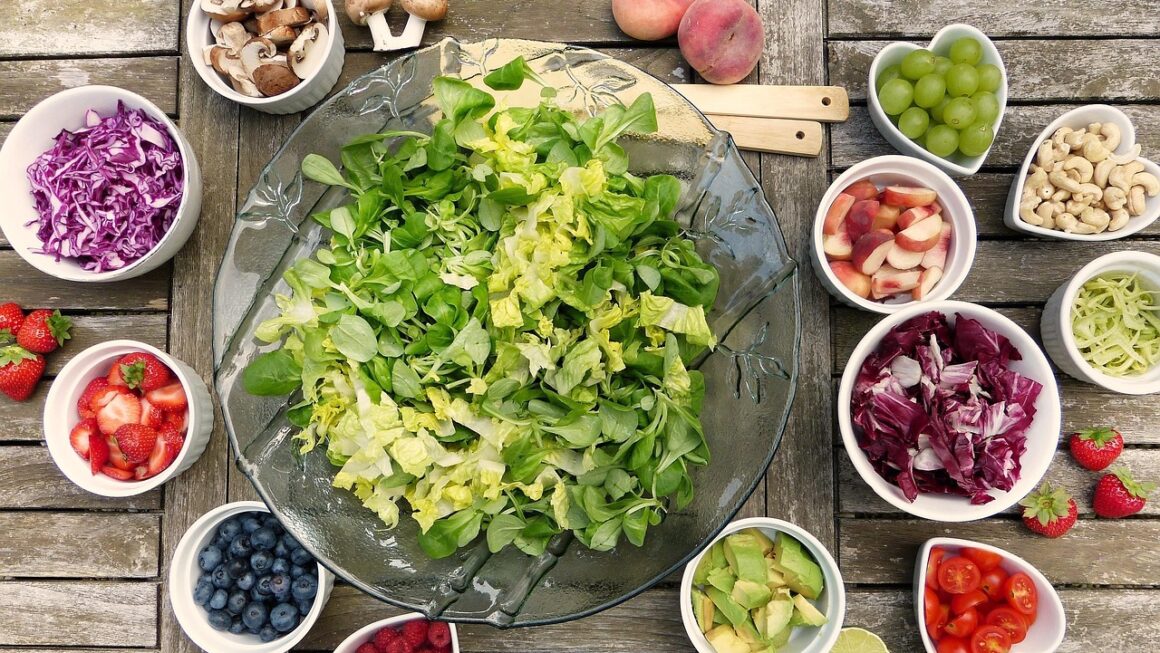
- Massive Salads: Go beyond lettuce! Use a base of mixed greens, shredded cabbage, spiralized zucchini or carrots, and pile on chopped veggies, sprouts, herbs, avocado, and a generous homemade raw dressing.
- Raw Wraps: Use large lettuce leaves (romaine, collard greens) or dehydrated raw flax wraps as your base. Fill with hummus (raw version made from sprouted chickpeas), shredded veggies, avocado, and a sprinkle of nuts or seeds.
- Raw “Pasta” Dishes: Spiralize zucchini, carrots, or cucumbers into noodles. Toss with a rich raw marinara sauce (blended tomatoes, sun-dried tomatoes, herbs, garlic), pesto (basil, pine nuts, nutritional yeast), or a creamy cashew sauce.
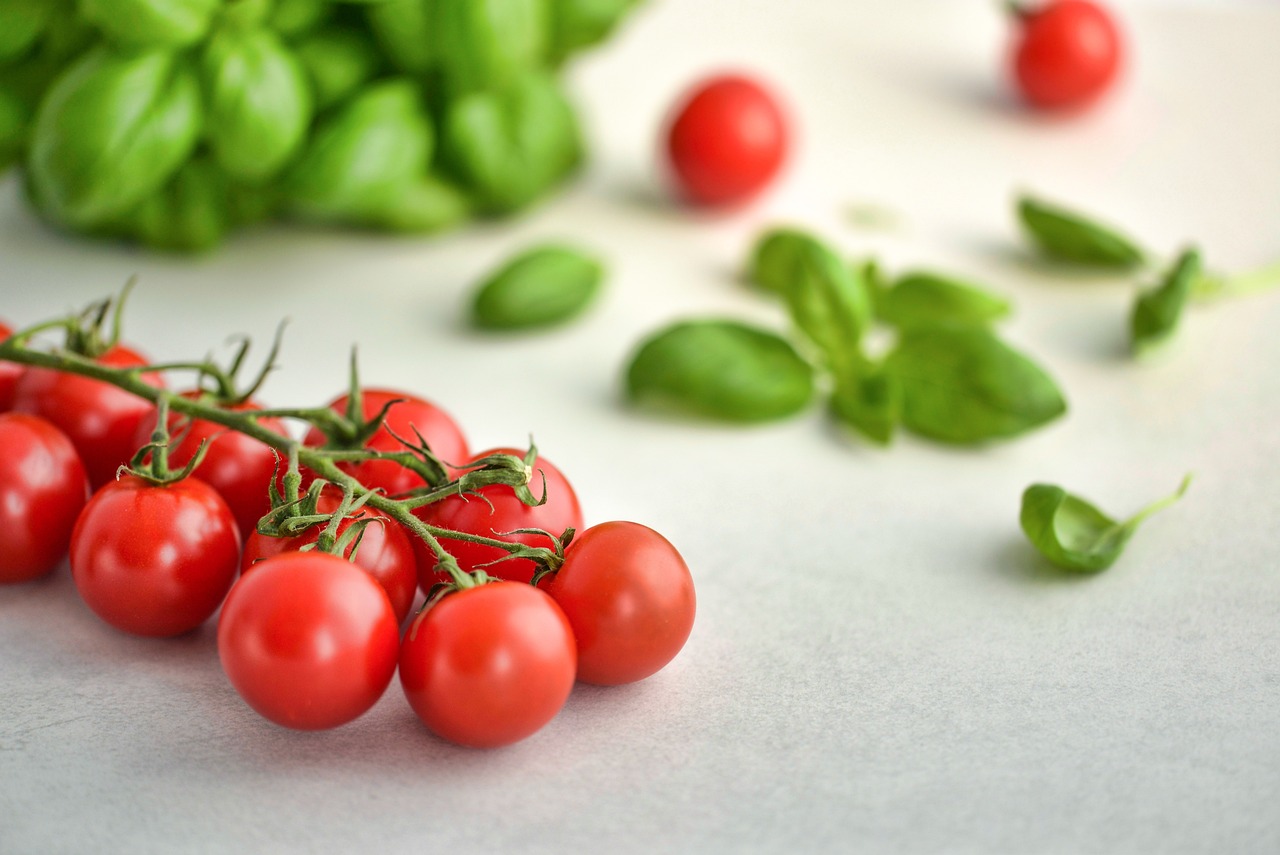
Example: Zucchini noodles tossed with a vibrant pesto made from fresh basil, spinach, pine nuts, garlic, lemon juice, and nutritional yeast, topped with cherry tomatoes and a sprinkle of raw pumpkin seeds.
Dinner Creations: Elegant and Nourishing Evenings
Raw dinners can be as sophisticated and satisfying as any cooked meal.
- Gourmet Salads: Elevate your salad game with more complex ingredients like marinated mushrooms, dehydrated veggie chips, fermented vegetables, or raw nut “cheese.”
- Raw Pizzas: Dehydrated flax or nut-based crusts topped with raw marinara, thinly sliced vegetables, herbs, and a dollop of cashew cream or sun-dried tomato “cheese.”
- Lettuce Tacos/Burritos: Fill large lettuce cups with seasoned nut meat (walnuts, pecans, spices), salsa, guacamole, and shredded veggies.
- Raw Lasagna: Layers of thinly sliced zucchini, macadamia ricotta cheese, pesto, and marinara sauce.
Example: A beautiful raw lasagna featuring layers of thinly sliced zucchini, a creamy cashew “ricotta” cheese, a vibrant sun-dried tomato marinara, and fresh basil leaves.
Snack Smarts: Healthy Bites Between Meals
Keep hunger at bay and nutrient intake high with smart raw vegan snacks.
- Fresh Fruit: Apples, bananas, berries, oranges, grapes – simple, sweet, and satisfying.
- Veggies & Dips: Carrot sticks, cucumber slices, bell pepper strips with guacamole or a raw almond/sunflower seed dip.
- Nuts & Seeds: A handful of raw almonds, walnuts, cashews, or a mix of pumpkin and sunflower seeds provides healthy fats and protein.
- Raw Energy Balls: Dates, nuts, raw cacao powder, and coconut blended and rolled into convenient energy bites.
Actionable Takeaway: Experiment with one new raw vegan recipe each week from a different meal category. You’ll be surprised by the versatility and deliciousness of these living foods!
Essential Tools and Techniques for a Raw Vegan Kitchen
While simplicity is key, certain tools and techniques can significantly enhance your raw vegan culinary journey, making preparation easier and more creative.
Must-Have Appliances for Raw Food Prep
These appliances can transform your raw ingredients into culinary masterpieces.
- High-Speed Blender: Essential for ultra-smooth smoothies, creamy sauces, nut milks, and blended soups. Brands like Vitamix or Blendtec are popular choices.
- Food Processor: Ideal for making “ricotta” cheeses from nuts, chopping vegetables, creating raw pie crusts, and processing ingredients for dips and spreads.
- Spiralizer: Turns vegetables like zucchini, carrots, and cucumbers into beautiful “noodles” for raw pasta dishes, salads, and garnishes.
- Dehydrator (Optional but Recommended): Allows you to gently dry foods at low temperatures, creating raw crackers, breads, fruit leathers, veggie chips, and warming foods without “cooking.”
Key Preparation Techniques to Master
Understanding these techniques unlocks a world of raw vegan possibilities.
- Soaking: Soaking nuts and seeds improves digestibility, activates enzymes, and makes them easier to blend into creams and milks. Soaking legumes like chickpeas or lentils before sprouting is also crucial.
- Sprouting: Sprouting grains, seeds, and legumes dramatically increases their nutrient content and makes them more bioavailable. Examples include sprouted lentils, quinoa, or sunflower seeds.
- Fermenting: Creating raw sauerkraut, kimchi, or rejuvelac adds beneficial probiotics and distinctive flavors to your meals.
- Marinating: Soaking vegetables like mushrooms or bell peppers in tamari, olive oil, and herbs can soften them and infuse them with deep flavor, mimicking cooked textures.
Stocking Your Raw Vegan Pantry
A well-stocked pantry makes meal prep a breeze.
- Fresh Produce: An abundance of organic fruits and vegetables (leafy greens, cruciferous veggies, root vegetables, berries, citrus).
- Nuts & Seeds: Raw almonds, cashews, walnuts, pecans, hemp seeds, chia seeds, flax seeds, pumpkin seeds.
- Dried Fruits: Dates, figs, raisins (ensure no added sugars or oils).
- Healthy Fats: Extra virgin olive oil (cold-pressed), avocado oil, flax oil, coconut oil (raw, virgin).
- Superfoods: Spirulina, chlorella, raw cacao powder, goji berries, maca powder.
- Flavor Enhancers: Himalayan pink salt, nutritional yeast, raw apple cider vinegar, tamari/nama shoyu, fresh herbs, spices.
Actionable Takeaway: Invest in a good quality high-speed blender and a spiralizer first. These two tools alone will dramatically expand your raw vegan recipe repertoire and make meal preparation much more enjoyable.
Transitioning to Raw Veganism: Tips for Success
Embarking on a raw vegan journey can be incredibly rewarding. Here are some practical tips to help you succeed, whether you’re going fully raw or simply incorporating more living foods.
Start Gradually and Listen to Your Body
A sudden, drastic change can be overwhelming. Ease into it.
- Incremental Changes: Begin by replacing one meal a day with a raw vegan option, like a green smoothie for breakfast or a large salad for lunch.
- “Raw Until 4”: Some people adopt a “raw until 4 PM” approach, eating raw meals during the day and a cooked vegan meal in the evening.
- Observe and Adjust: Pay attention to how your body feels. Not everyone thrives on the exact same foods or ratios. Adjust your intake based on your energy levels, digestion, and overall well-being.
- Potential Detox Symptoms: Be aware that some people experience temporary “detox” symptoms (headaches, fatigue, skin breakouts) as their body adjusts. These usually subside within a few days or weeks.
Hydration is Key
Water is essential for life, and even more so on a raw food diet.
- Pure Water: Drink plenty of filtered water throughout the day.
- Fresh Juices: Incorporate freshly pressed fruit and vegetable juices to flood your body with easily absorbable nutrients.
- Herbal Teas: Unsweetened herbal teas can also contribute to your hydration and offer additional health benefits.
- High Water Content Foods: Raw fruits and vegetables naturally have high water content, aiding in hydration.
Seek Support and Education
You don’t have to navigate this journey alone.
- Online Communities: Join raw vegan Facebook groups, forums, or Instagram communities for inspiration, support, and advice.
- Cookbooks and Blogs: Explore the vast array of raw vegan cookbooks and blogs for delicious recipes and practical tips.
- Nutrition Professionals: If you’re considering a long-term or strict raw vegan diet, consult with a nutritionist or dietitian specializing in plant-based diets to ensure you’re meeting all your nutritional needs.
- Educate Yourself: Learn about nutrient combining, essential amino acids, and vitamin B12 supplementation (crucial for all vegans, raw or not).
Plan Your Meals and Stock Your Pantry
Preparation prevents falling back into old habits.
- Meal Prepping: Dedicate time each week to wash, chop, and store fresh produce. Prepare dressings and sauces in advance.
- Grocery List: Create a detailed grocery list based on your planned meals to ensure you have all the necessary ingredients.
- Emergency Snacks: Always have raw nuts, seeds, fruits, or energy balls on hand to avoid unhealthy cravings when hunger strikes.
Actionable Takeaway: Don’t aim for perfection overnight. Focus on consistency and making sustainable changes. Celebrate small victories and remember that every raw meal you incorporate is a step towards greater health and vitality.
Conclusion
Embracing raw vegan meals is more than just a diet; it’s an invitation to experience food in its most vibrant and nutrient-dense form. From the first energizing sip of a green smoothie to the satisfying crunch of a gourmet raw salad, this way of eating offers a pathway to enhanced well-being, improved digestion, and sustained energy. By focusing on whole, unprocessed plant foods, you nourish your body with an abundance of vitamins, minerals, and live enzymes, fostering a deeper connection to nature’s bounty.
Whether you choose to fully commit to a raw vegan lifestyle or simply integrate more living foods into your current routine, the benefits are undeniable. With a few essential tools, creative recipes, and a commitment to listening to your body, you can unlock a world of delicious, health-boosting raw vegan meals. So, take the leap, experiment with new flavors and textures, and discover the incredible power of eating fresh, alive, and plant-powered.