In a world increasingly conscious of health, ethics, and sustainability, two dietary paths are converging to create a powerful and transformative lifestyle: gluten-free and vegan. Far from restrictive, embracing gluten-free vegan meals opens up a vibrant universe of delicious, nutritious, and incredibly satisfying culinary experiences. Whether you’re navigating food sensitivities, seeking a healthier lifestyle, or committed to compassionate eating, this guide will illuminate the path to thriving on a plant-based, gluten-free diet, proving that allergy-friendly meals can be both simple to prepare and exquisitely flavorful.
Understanding the Power of Gluten-Free Vegan Eating
The combination of a gluten-free and vegan diet might sound daunting, but it’s a rapidly growing movement driven by health benefits, ethical considerations, and environmental impact. Understanding its foundations is the first step to unlocking its potential.
What is Gluten-Free Vegan?
A gluten-free vegan diet is one that excludes all animal products (meat, dairy, eggs, honey) and all ingredients containing gluten (wheat, barley, rye, and their derivatives). This means a focus on whole, unprocessed foods like:
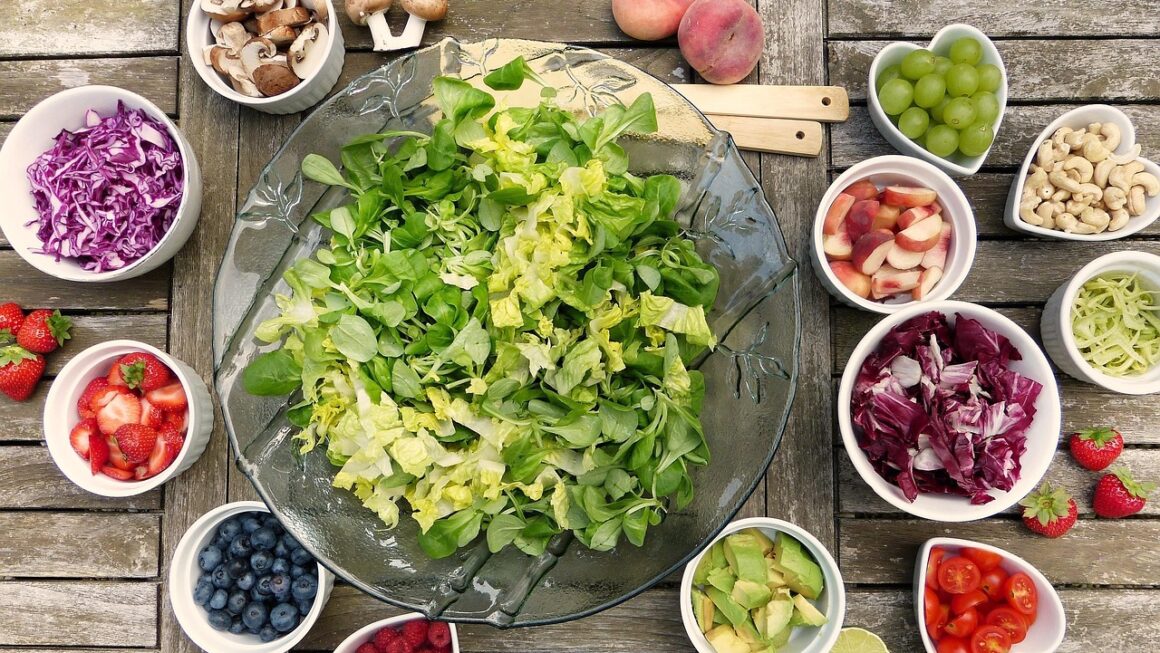
- Fruits and vegetables
- Legumes (beans, lentils, peas)
- Gluten-free grains (rice, quinoa, oats – certified GF, corn, millet, buckwheat)
- Nuts and seeds
- Plant-based oils and fats
Why Choose This Lifestyle?
The motivations for adopting a gluten-free vegan diet are diverse and compelling, ranging from personal health to global well-being.
- Health Benefits: Many individuals experience reduced inflammation, improved digestion, increased energy, and better weight management. It’s often chosen by those with Celiac disease, non-celiac gluten sensitivity, or dairy allergies. A well-planned diet can be rich in fiber, vitamins, and minerals.
- Ethical Considerations: For vegans, choosing this lifestyle aligns with a commitment to animal welfare and a desire to avoid exploiting animals for food.
- Environmental Impact: Plant-based diets generally have a lower carbon footprint, use less water, and require less land compared to diets rich in animal products. This contributes to a more sustainable food system.
Actionable Takeaway: Before diving in, reflect on your primary motivations. This clarity will be your compass as you explore the world of gluten-free vegan meals, helping you stay committed and focused on your goals.
Navigating Common Challenges and Solutions
Any dietary shift comes with its learning curve. For gluten-free vegan meals, understanding potential nutritional gaps and mastering ingredient swaps are key to long-term success and enjoyment.
Nutritional Considerations
While a well-planned gluten-free vegan diet is incredibly healthy, it’s important to be mindful of certain nutrients typically found in animal products or gluten-containing grains.
- Vitamin B12: Primarily found in animal products. Supplementation is highly recommended for all vegans.
- Iron: Abundant in legumes, dark leafy greens, fortified cereals, and seeds. Pair iron-rich foods with Vitamin C (e.g., bell peppers, citrus) to enhance absorption.
- Calcium: Found in fortified plant milks and yogurts, tofu (calcium-set), collard greens, kale, broccoli, and sesame seeds.
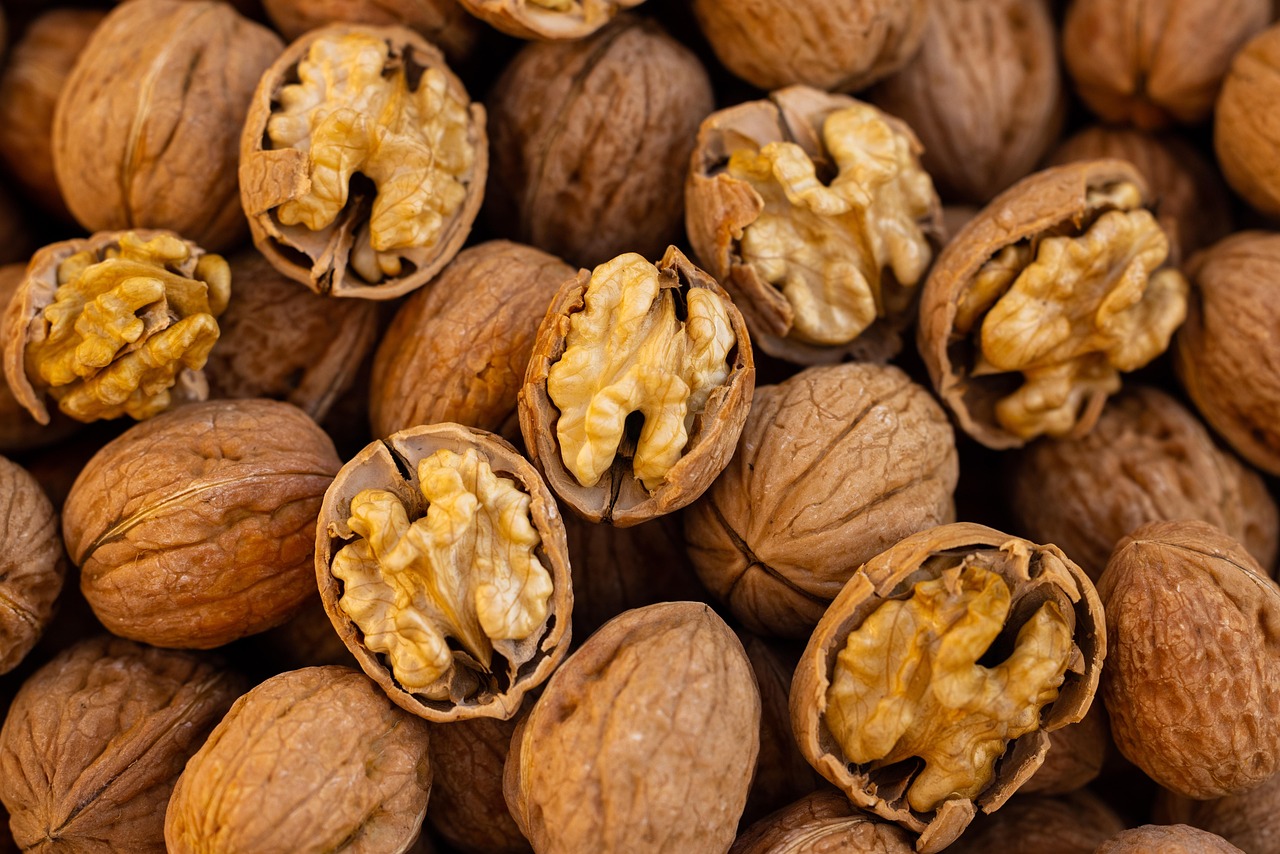
- Omega-3 Fatty Acids: ALA is found in flaxseeds, chia seeds, walnuts, and hemp seeds. Consider an algae-based DHA/EPA supplement for direct sources.
- Vitamin D: Essential for calcium absorption. Sun exposure, fortified foods, and supplements are good sources.
Ingredient Swaps and Staples for Gluten-Free Vegan Meals
Building a pantry with the right staples makes preparing allergy-friendly meals effortless.
- Gluten-Free Grains:
- Quinoa: A complete protein, versatile for salads, bowls, or as a side.
- Brown Rice: A staple for many dishes, from stir-fries to pilafs.
- Oats (Certified GF): Perfect for breakfast porridge, baking, or granola.
- Millet, Buckwheat, Sorghum: Offer variety in texture and nutrients.
- Plant-Based Proteins:
- Legumes: Chickpeas, lentils, black beans, kidney beans are protein powerhouses.
- Tofu & Tempeh: Versatile and absorb flavors beautifully. Great for stir-fries, scrambles, or baking.
- Edamame: Excellent in salads or as a snack.
- Nuts & Seeds: Provide protein, healthy fats, and fiber.
- Dairy Alternatives:
- Plant Milks: Almond, soy, oat (certified GF), coconut, rice milk for beverages, baking, and cooking.
- Vegan Cheeses: Many brands offer gluten-free options made from nuts or starches.
- Vegan Yogurts: Made from coconut, almond, or soy milk.
Actionable Takeaway: Stock your pantry with a diverse range of gluten-free grains, legumes, and fortified plant-based products. Consult with a dietitian if you have concerns about meeting all nutritional requirements on a plant-based, gluten-free diet.
Delicious Gluten-Free Vegan Meal Ideas for Any Time of Day
Gone are the days when gluten-free vegan meals meant bland or restrictive options. The culinary landscape is rich with vibrant, flavorful dishes suitable for every palate and occasion.
Breakfast Boosters
Start your day right with energizing and satisfying options.
- Overnight Oats: Certified GF rolled oats soaked in plant milk with chia seeds, fresh fruit, and a drizzle of maple syrup.
- Tofu Scramble: Crumbled tofu seasoned with turmeric (for color), black salt (kala namak for eggy flavor), nutritional yeast, and vegetables like spinach and mushrooms.
- Smoothie Bowls: Blend frozen fruit with plant milk and a scoop of vegan protein powder, topped with granola, nuts, and seeds.
- Gluten-Free Vegan Pancakes/Waffles: Made with GF flour blends, served with fresh berries and maple syrup.
Lunchtime Legends
Quick, nutritious, and easy-to-pack lunches are essential for busy days.
- Quinoa Salad with Roasted Vegetables: Mix cooked quinoa with roasted bell peppers, zucchini, red onion, chickpeas, and a lemon-tahini dressing.
- Lentil Soup: A hearty and protein-rich soup, naturally gluten-free and easily customizable with various vegetables.
- Chickpea “Tuna” Salad Sandwiches: Mashed chickpeas mixed with vegan mayo, celery, and herbs, served on gluten-free bread or lettuce wraps.
- Buddha Bowls: A base of brown rice, topped with steamed greens, roasted sweet potatoes, black beans, and an avocado dressing.
Dinner Delights
Explore comforting and creative options for your evening meal.
- Sweet Potato and Black Bean Enchiladas: Corn tortillas (naturally GF) filled with a mix of seasoned sweet potatoes and black beans, topped with salsa and vegan cheese.
- Lentil Shepherd’s Pie: A savory lentil and vegetable base topped with creamy mashed sweet potatoes instead of dairy and gluten-containing potato toppings.
- Coconut Curry with Tofu and Vegetables: Aromatic curry sauce with firm tofu, broccoli, bell peppers, and snap peas, served over jasmine or basmati rice.
- Gluten-Free Pasta with Pesto Rosso: Use GF pasta (rice, corn, lentil-based) with a homemade sun-dried tomato and basil pesto (ensure no Parmesan).
Snack Sensations
Keep hunger at bay with healthy, satisfying gluten-free vegan snacks.
- Hummus with Vegetable Sticks: Carrots, celery, cucumber, and bell peppers dipped in homemade or store-bought hummus.
- Apple Slices with Almond Butter: A classic combo providing fiber, protein, and healthy fats.
- Roasted Chickpeas: Crispy, seasoned chickpeas are a great source of plant protein and fiber.
- Trail Mix: A blend of nuts, seeds, and dried fruit (check for added sugars and ensure no gluten-containing items).
Actionable Takeaway: Don’t be afraid to experiment! Start with familiar dishes and adapt them to be gluten-free and vegan. Websites and cookbooks offer a treasure trove of delicious GF vegan recipes.
Mastering Meal Prep and Planning for Success
For those new to gluten-free vegan meals, or anyone with a busy schedule, meal preparation is a game-changer. It ensures you always have healthy, compliant options ready, preventing last-minute unhealthy choices.
Benefits of GF Vegan Meal Prep
Investing time in meal prep yields significant rewards:
- Time Saving: Cook once, eat multiple times during the week.
- Cost-Effective: Buying in bulk and cooking at home is generally cheaper than eating out.
- Portion Control: Easier to manage serving sizes and caloric intake.
- Reduced Stress: No daily decision-making about what to eat.
- Consistent Nutrition: Ensures you’re consistently consuming nutrient-dense plant-based, gluten-free meals.
Practical Meal Prep Strategies
Start small and build your routine.
- Plan Your Menu: Choose 2-3 main dishes and a couple of snack options for the week. Consider recipes that share ingredients.
- Shop Smart: Create a detailed grocery list based on your menu to avoid impulse buys and ensure you have all necessary gluten-free vegan ingredients.
- Batch Cook Staples: Cook large batches of quinoa, brown rice, lentils, or roasted vegetables that can be used in multiple meals.
- Pre-Chop Vegetables: Wash and chop veggies for stir-fries, salads, or snacks. Store them in airtight containers.
- Assemble Components: Instead of fully assembling, prepare components separately. For example, cook your grain, protein, and vegetables, then combine them fresh daily for variety.
Actionable Takeaway: Dedicate a few hours one day a week (e.g., Sunday afternoon) to planning and preparing your gluten-free vegan meals. Even simple steps like cooking a large batch of rice or chopping vegetables can make a huge difference.
Tips for Eating Out and Socializing on a GF Vegan Diet
Eating out and navigating social gatherings can feel challenging on a specific diet. However, with a little preparation and clear communication, enjoying food experiences while adhering to your gluten-free vegan lifestyle is entirely possible.
Research Before You Go
Your smartphone is your best friend when dining out.
- Check Menus Online: Many restaurants highlight gluten-free and vegan options. Look for specific symbols or sections.
- Read Reviews: Search for reviews mentioning “gluten-free vegan” experiences at the restaurant.
- Call Ahead: If you’re unsure, call the restaurant during off-peak hours to speak with a manager or chef about their ability to accommodate your dietary needs.
Communicate Clearly
When ordering, be specific and polite.
- Explain Your Needs: Clearly state you need “gluten-free and vegan options.” Explain that “vegan means no meat, dairy, eggs, or honey” and “gluten-free means no wheat, barley, rye, or cross-contamination.”
- Ask About Ingredients: Inquire about sauces, marinades, and preparation methods. For example, “Is this stir-fried with soy sauce containing wheat?” or “Is the soup thickened with flour?”
- Suggest Modifications: Often, dishes can be made suitable with simple omissions or substitutions (e.g., “Can I have the salad without cheese and croutons, and with an oil and vinegar dressing?”).
When attending social events, consider offering to bring a dish that you know is safe and delicious. This way, you contribute to the meal and ensure you have something to eat.
Actionable Takeaway: Empower yourself with knowledge and confidence. Proactive research and clear communication are the most effective tools for enjoying social food experiences while maintaining your allergy-friendly meals and lifestyle.
Conclusion
Embracing gluten-free vegan meals is more than just a diet; it’s a journey towards enhanced well-being, ethical choices, and a sustainable future. From understanding the foundational principles to mastering meal prep and confidently navigating social settings, the path is rich with opportunity. You don’t have to sacrifice flavor or convenience to align your eating with your values and health needs. Instead, you’ll discover a vibrant world of plant-based ingredients, innovative recipes, and a profound sense of vitality. Take the first step today – explore new recipes, experiment with fresh ingredients, and savor the incredible journey of healthy gluten-free vegan eating. Your body, the animals, and the planet will thank you.