Embarking on a journey to shed those extra pounds often involves exploring various dietary approaches. Among the most discussed and increasingly popular is the vegan meal plan for weight loss. Far from being restrictive or bland, a well-structured plant-based diet can be a remarkably effective and sustainable path to achieving your weight goals, all while boosting overall health and well-being. This comprehensive guide will walk you through the principles, practicalities, and powerful benefits of adopting a vegan diet to successfully and healthily manage your weight.
The Power of a Plant-Based Diet for Weight Loss
A vegan diet, centered around whole plant foods, naturally aligns with many principles of healthy weight management. By eliminating animal products, you often inadvertently reduce your intake of saturated fats and cholesterol, while significantly increasing your fiber consumption.
Why Veganism Aids Weight Loss
- High Fiber Content: Plant foods like fruits, vegetables, legumes, and whole grains are packed with fiber. Fiber promotes satiety, keeping you feeling fuller for longer and reducing the likelihood of overeating. It also supports healthy digestion and can help regulate blood sugar levels.
- Lower Calorie Density: Many plant foods, especially fruits and vegetables, have a lower calorie density compared to animal products and processed foods. This means you can consume larger portions and feel more satisfied with fewer calories overall.
- Reduced Saturated Fat Intake: A vegan diet naturally minimizes saturated fat, which is often found in animal products and can contribute to weight gain and heart disease. Instead, it encourages healthier unsaturated fats from sources like avocados, nuts, and seeds.
- Focus on Whole Foods: When done correctly, a vegan weight loss plan prioritizes unprocessed, whole foods, which are nutrient-dense and free from the empty calories and additives found in many convenience foods.
Key Nutritional Considerations for Weight Loss
While a vegan diet offers many advantages, it’s crucial to ensure you’re getting all essential nutrients to support energy levels and overall health during weight loss.
- Protein: Essential for satiety, muscle preservation, and metabolism. Excellent vegan sources include lentils, chickpeas, beans, tofu, tempeh, seitan, quinoa, nuts, and seeds.
- Iron: Often a concern for vegans, but easily obtained from leafy greens, lentils, beans, fortified cereals, and dried fruits. Pair with Vitamin C-rich foods for better absorption.
- Vitamin B12: This is the only vitamin not reliably found in plant foods and requires supplementation or fortified foods (e.g., plant milks, nutritional yeast).
- Omega-3 Fatty Acids: Important for brain and heart health. Flaxseeds, chia seeds, walnuts, and algae-based supplements are good sources.
- Calcium & Vitamin D: Crucial for bone health. Fortified plant milks, leafy greens, tofu, and sun exposure (for Vitamin D) are key.
Actionable Takeaway: Embrace the fiber-rich, lower-calorie density of whole plant foods, but be mindful of essential nutrients like protein, B12, and iron to ensure a balanced and effective weight loss journey.
Building Your Balanced Vegan Plate
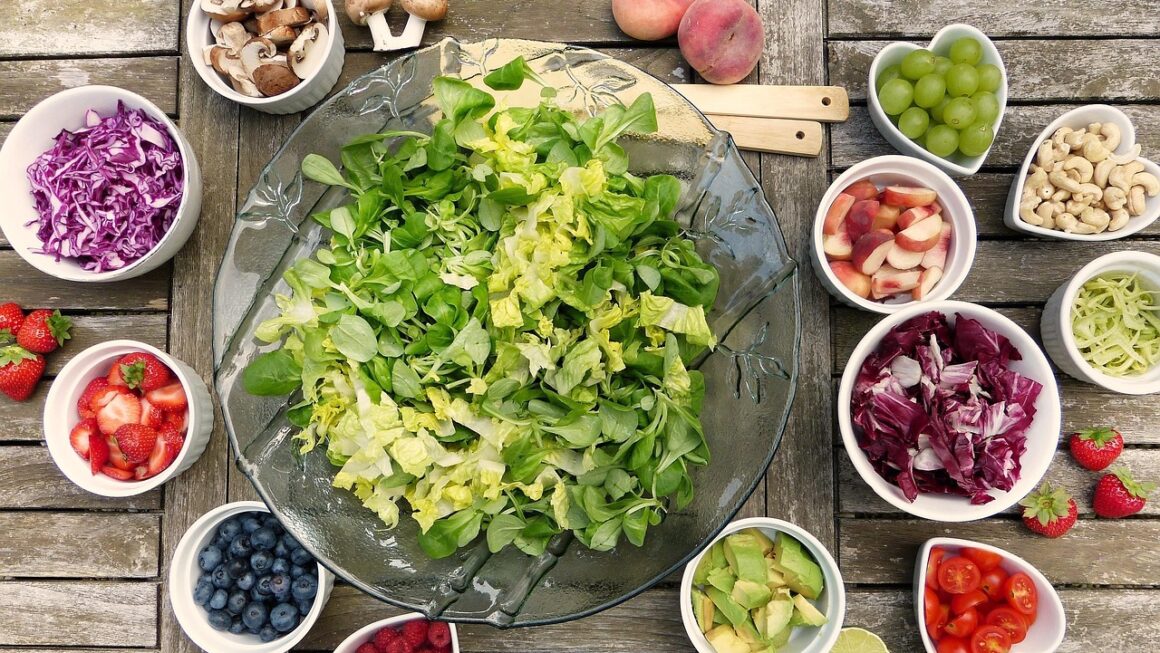
Successful weight loss on a vegan diet hinges on creating balanced meals that provide sustained energy, satiety, and all necessary nutrients without excessive calories. Think of your plate as a canvas for a vibrant array of plant foods.
Macronutrient Breakdown for Weight Loss
To optimize your vegan meal plan for weight loss, focus on the right balance of macronutrients:
- Protein (20-30% of calories): Prioritize lean plant proteins at every meal. This helps with muscle preservation, satiety, and thermogenesis (the energy your body uses to digest food).
- Examples: 1/2 cup cooked lentils (~9g protein), 3 oz firm tofu (~8g protein), 1/4 cup pumpkin seeds (~8g protein).
- Complex Carbohydrates (45-55% of calories): Choose whole grains and starchy vegetables for sustained energy and fiber. Avoid refined carbs which can lead to blood sugar spikes and crashes.
- Examples: Quinoa, brown rice, oats, sweet potatoes, whole wheat pasta (in moderation).
- Healthy Fats (20-30% of calories): While vital for hormone production and nutrient absorption, fats are calorie-dense. Consume in moderation from healthy sources.
- Examples: Avocado, nuts (almonds, walnuts), seeds (chia, flax, hemp), olive oil.
The Importance of Fiber and Water
These two elements are your secret weapons for weight loss and overall health on any diet, especially vegan:
- Fiber: Aim for 25-30 grams of fiber per day, easily achievable with a plant-rich diet. Fiber creates bulk in your stomach, signaling fullness, and helps regulate bowel movements, preventing bloating.
- Water: Staying adequately hydrated is crucial. Water can help you feel full, supports metabolism, and ensures all bodily functions are running smoothly. Often, thirst is mistaken for hunger, leading to unnecessary snacking. Aim for 8-10 glasses daily.
Actionable Takeaway: Construct meals around a base of plant proteins, complemented by complex carbohydrates and healthy fats, ensuring ample fiber and water intake for optimal satiety and metabolic function.
Practical Vegan Meal Planning & Preparation
Consistency is key for weight loss, and effective meal planning and preparation can make your vegan journey significantly easier and more enjoyable. It saves time, money, and reduces the likelihood of impulse unhealthy choices.
Sample Daily Meal Structure
Here’s a practical outline for a day of balanced vegan eating for weight loss:
- Breakfast (300-400 calories):
- Option 1: Overnight oats with 1/2 cup rolled oats, 1 cup unsweetened plant milk, 1 tbsp chia seeds, 1/2 cup berries, and a sprinkle of chopped walnuts.
- Option 2: Tofu scramble with spinach, bell peppers, nutritional yeast, and a slice of whole-wheat toast.
- Lunch (400-500 calories):
- Option 1: Large Buddha bowl with 1 cup cooked quinoa, 1 cup mixed greens, 1/2 cup roasted sweet potatoes, 1/2 cup black beans, 1/4 avocado, and a lemon-tahini dressing.
- Option 2: Hearty lentil soup with a side salad (light dressing).
- Dinner (450-550 calories):
- Option 1: Tempeh stir-fry: 4 oz tempeh, 2 cups mixed vegetables (broccoli, carrots, snow peas), 1/2 cup brown rice, light soy sauce/tamari.
- Option 2: Chickpea and vegetable curry with a small portion of whole-grain naan or brown rice.
- Snacks (150-250 calories each, 1-2 per day if needed):
- Apple slices with 1 tbsp almond butter.
- A small handful of mixed nuts and seeds.
- Veggies sticks (carrots, cucumber, bell peppers) with 2 tbsp hummus.
- Small fruit smoothie with spinach, banana, and plant protein powder.
Meal Prep Strategies for Success
Streamline your weekly meals with these effective prep tips:
- Batch Cook Grains and Legumes: Cook a large batch of quinoa, brown rice, lentils, or chickpeas at the beginning of the week. These can be stored and added to salads, bowls, or soups throughout the week.
- Chop and Store Vegetables: Pre-chop veggies for stir-fries, salads, or snacks. Roasted vegetables can also be made in advance.
- Prepare Dressings/Sauces: Make your own healthy dressings or sauces in bulk to avoid store-bought versions high in sugar and unhealthy fats.
- Portion Control: Divide your cooked meals into individual containers for quick grab-and-go lunches or dinners.
- Smart Shopping List: Plan your meals for the week, then create a detailed shopping list to ensure you have all ingredients and minimize food waste.
Actionable Takeaway: Structure your day with balanced vegan meals and leverage meal prep techniques to ensure you always have healthy, delicious options readily available, making adherence to your plan effortless.
Navigating Challenges and Staying Motivated
Any weight loss journey comes with its unique set of challenges. A vegan diet is no exception, but with the right strategies, you can overcome obstacles and sustain your progress for the long term.
Common Pitfalls to Avoid
Be aware of these potential traps when following a vegan meal plan for weight loss:
- Reliance on Processed Vegan Foods: Not all vegan foods are healthy. Vegan junk food (e.g., highly processed meat alternatives, sugary desserts, fried snacks) can be just as detrimental to weight loss as their non-vegan counterparts. Focus on whole, unprocessed ingredients.
- Insufficient Calorie Intake: While calorie reduction is necessary for weight loss, eating too little can slow your metabolism, lead to nutrient deficiencies, and make you feel constantly hungry and fatigued. Aim for a moderate calorie deficit.
- Lack of Protein: Not consuming enough protein can lead to muscle loss instead of fat loss, and impact satiety, making adherence difficult. Ensure diverse protein sources at each meal.
- Neglecting Micronutrients: Ensure you’re getting adequate vitamins and minerals. Track your intake initially or consult with a nutritionist if unsure.
Tips for Long-Term Success
Cultivating healthy habits is crucial for sustainable weight loss and overall well-being:
- Start Gradually: If you’re new to veganism, consider a gradual transition. Start by making one meal a day vegan, then slowly increase.
- Find Support: Connect with online communities, friends, or family who support your journey. Sharing experiences and tips can be incredibly motivating.
- Focus on Non-Scale Victories: Celebrate increased energy, better sleep, improved skin, and enhanced fitness levels. Weight is just one measure of progress.
- Experiment with Recipes: Keep your diet exciting by trying new vegan recipes regularly. This prevents boredom and ensures a wider range of nutrients.
- Stay Active: Combine your vegan meal plan with regular physical activity. Exercise not only burns calories but also builds muscle, boosts metabolism, and improves mood.
- Practice Mindful Eating: Pay attention to your body’s hunger and fullness cues. Eat slowly, savor your food, and avoid distractions during meals.
Actionable Takeaway: Be vigilant about avoiding highly processed vegan foods and ensure adequate nutrient intake. Foster long-term success by embracing gradual changes, seeking support, and focusing on a holistic approach to health and wellness.
Conclusion
A well-planned vegan meal plan for weight loss is more than just a diet; it’s a powerful and sustainable lifestyle choice that can deliver profound benefits for your body, mind, and the planet. By focusing on whole, unprocessed plant foods, you can naturally reduce calorie intake, boost fiber consumption, and nourish your body with essential nutrients, all contributing to effective and healthy weight management.
Remember, success lies in careful planning, consistent effort, and a willingness to explore the incredible diversity of plant-based cuisine. Embrace the journey, experiment with flavors, and watch as you not only achieve your weight loss goals but also cultivate a vibrant, healthier you. Start today, and discover the transformative power of a plant-based approach to well-being!