Navigating the ketogenic diet often feels like a constant quest for foods that fit the strict low-carb requirements. While meats and fats are obvious choices, vegetables can sometimes be a grey area, prompting questions like, “Are peas keto?” or “Can I eat carrots on keto?” One such versatile and beloved ingredient that frequently sparks curiosity is the humble mushroom. Known for its earthy flavor and meaty texture, mushrooms are a culinary staple worldwide. But do these fungi earn a spot on your keto plate? Let’s dive deep into the nutritional facts and discover why mushrooms are not just keto-friendly but also a fantastic addition to your low-carb lifestyle.
Understanding the Keto Diet and Carb Counting
Before we pinpoint mushrooms’ place in the keto world, it’s crucial to grasp the fundamental principles of the ketogenic diet. This dietary approach is designed to shift your body’s metabolism from burning glucose (carbs) for energy to burning fat, producing compounds called ketones. This state is known as ketosis.
What is Ketosis?
- High Fat: Typically 70-80% of daily calories.
- Moderate Protein: Around 20-25% of daily calories.
- Very Low Carb: Usually limited to 20-50 grams of net carbs per day.
Achieving and maintaining ketosis hinges on severely restricting carbohydrate intake. This means careful attention to the carb content of every food item, including vegetables.
The Importance of Net Carbs
When evaluating foods for keto, “net carbs” are your best friend. Net carbs are calculated by subtracting the fiber content from the total carbohydrates. Fiber is a type of carbohydrate that your body doesn’t digest or absorb for energy, so it doesn’t impact blood sugar levels in the same way digestible carbs do.
- Net Carbs = Total Carbs – Fiber
This distinction is vital for vegetables, as many are rich in fiber, making their net carb count significantly lower than their total carb count.
Nutritional Profile of Mushrooms: Are They Keto-Friendly?
The good news for mushroom lovers following a keto diet is resounding: yes, mushrooms are overwhelmingly keto-friendly! They are naturally low in carbohydrates, high in fiber, and packed with an array of essential nutrients, making them an excellent choice for satisfying hunger and adding flavor without derailing ketosis.
Carb Content and Fiber
Let’s look at the numbers. Most common mushroom varieties boast incredibly low net carb counts. For example, a 1-cup serving (about 70 grams) of raw sliced white button mushrooms contains:
- Total Carbs: Approximately 3 grams
- Fiber: Approximately 1 gram
- Net Carbs: Approximately 2 grams
Compared to the typical daily limit of 20-50 net carbs, a serving of mushrooms barely makes a dent. This low carb count allows you to enjoy them generously without worry.
Beyond the Carbs: Essential Nutrients
Mushrooms are nutritional powerhouses, offering much more than just low carbs:
- B Vitamins: Riboflavin (B2), Niacin (B3), and Pantothenic Acid (B5) which are crucial for energy metabolism.
- Selenium: A powerful antioxidant that supports immune health.
- Copper: Essential for red blood cell formation and iron absorption.
- Potassium: Important for fluid balance and blood pressure regulation.
- Vitamin D: Some mushrooms, especially those exposed to UV light, can be a good plant-based source of Vitamin D, vital for bone health and immunity.
- Antioxidants: Ergothioneine and glutathione, which help protect cells from damage.
These nutrients make mushrooms a valuable addition to any diet, especially one that might restrict other food groups.
Popular Keto-Friendly Mushroom Varieties
The world of mushrooms is vast and varied, offering a range of flavors and textures. The good news is that most culinary mushrooms are low in net carbs and suitable for a ketogenic diet. Here are some popular varieties and their approximate net carb counts per 100-gram serving (roughly 1 cup sliced):
White Button Mushrooms
- Net Carbs: ~2.3 grams
- Flavor Profile: Mild and earthy.
- Usage: Extremely versatile, perfect for sautéing, salads, omelets, and stir-fries.
Cremini (Baby Bella) Mushrooms
- Net Carbs: ~2.5 grams
- Flavor Profile: More intense and savory than button mushrooms.
- Usage: Great for roasting, sauces, stuffings, and grilling.
Portobello Mushrooms
- Net Carbs: ~2.7 grams
- Flavor Profile: Rich, meaty, and umami-packed.
- Usage: Their large caps are excellent as a low-carb “burger bun” or a vegetarian steak alternative. Fantastic grilled or baked.
Shiitake Mushrooms
- Net Carbs: ~4.8 grams
- Flavor Profile: Deep, woody, and intensely savory.
- Usage: Popular in Asian cuisine. Adds a robust flavor to soups, broths, stir-fries, and sauces.
Oyster Mushrooms
- Net Carbs: ~3.2 grams
- Flavor Profile: Delicate, slightly peppery, with a tender texture.
- Usage: Excellent sautéed, fried, or added to light broths and stir-fries.
Enoki Mushrooms
- Net Carbs: ~3.2 grams
- Flavor Profile: Mild, slightly fruity, with a crisp texture.
- Usage: Often used raw in salads or added to hot pots and soups at the last minute.
Actionable Takeaway: Don’t be afraid to experiment with different mushroom varieties. Each offers a unique culinary experience that can keep your keto meals exciting and flavorful.
Incorporating Mushrooms into Your Keto Meal Plan
Given their low net carb count and rich flavor, mushrooms are incredibly easy to integrate into a wide range of keto recipes. They can add volume, texture, and a desirable umami depth to your meals without adding excessive carbohydrates.
Practical Tips for Cooking with Mushrooms on Keto
- Sauté in Healthy Fats: Cook mushrooms in butter, ghee, olive oil, or avocado oil to boost your fat intake while adding flavor.
- Pair with Protein: Mushrooms complement meats, poultry, and eggs perfectly. Think steak with sautéed mushrooms or a mushroom and cheese omelet.
- Use as a Base or Filler: Their meaty texture makes them ideal for replacing higher-carb ingredients. For example, finely chopped mushrooms can extend ground meat in a keto chili or meatloaf.
- Season Generously: Mushrooms absorb flavors well. Use garlic, herbs (thyme, rosemary, parsley), salt, and pepper to enhance their natural taste.
Keto Mushroom Recipe Ideas
Here are some delicious ways to enjoy mushrooms while staying in ketosis:
- Keto Mushroom & Spinach Omelet: Sauté sliced mushrooms and spinach in butter, then fold into a cheesy omelet for a quick and satisfying breakfast.
- Stuffed Portobello Caps: Fill large portobello mushroom caps with a mixture of ground sausage, cream cheese, herbs, and Parmesan cheese. Bake until golden and tender.
- Creamy Garlic Mushroom Sauce: Sauté mushrooms with garlic, then deglaze with a splash of dry white wine (optional) and simmer in heavy cream and Parmesan cheese. Serve over keto noodles (like zucchini or shirataki) or grilled chicken.
- Mushroom “Steaks” with Asparagus: Grill or pan-sear large portobello caps seasoned with balsamic vinegar (small amount for flavor, or sugar-free alternative), garlic, and herbs. Serve alongside butter-sauteed asparagus.
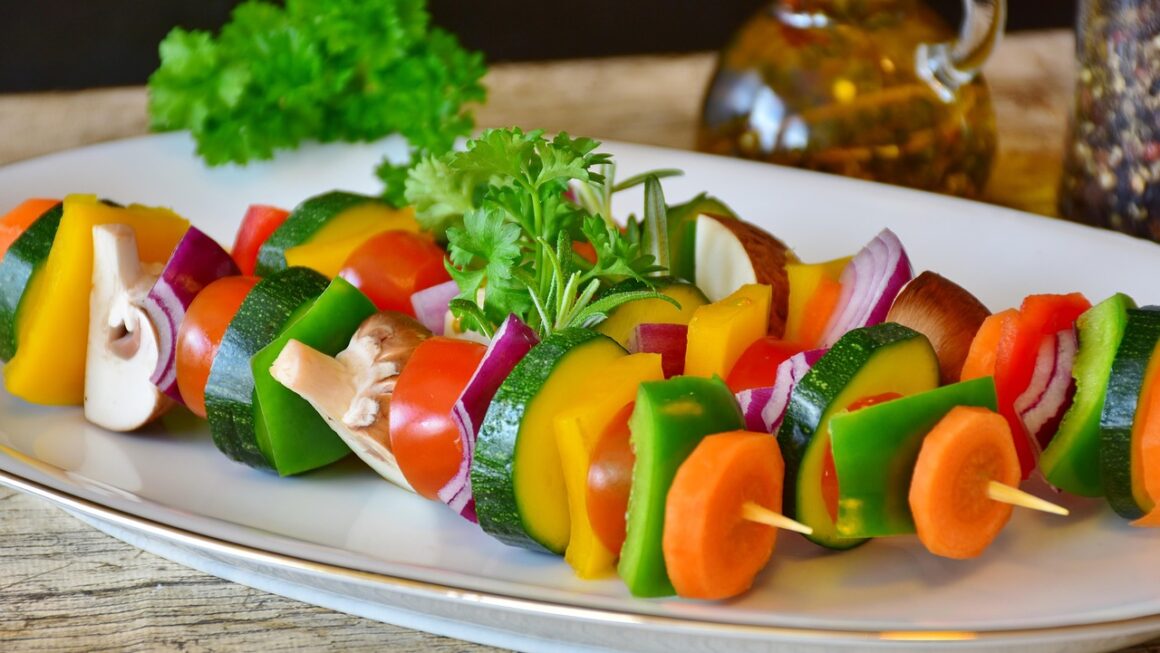
- Keto Beef and Mushroom Skewers: Thread chunks of beef, whole button mushrooms, and bell peppers (in moderation due to slightly higher carbs) onto skewers and grill.
Actionable Takeaway: Don’t just see mushrooms as a side dish; elevate them to a main component of your keto meals to enjoy their flavor and nutritional benefits.
Potential Health Benefits of Mushrooms Beyond Keto
While their keto-friendliness is a major plus, the health benefits of mushrooms extend far beyond just being low-carb. Incorporating them regularly can contribute significantly to overall well-being.
Immune System Support
Mushrooms contain beta-glucans, a type of fiber that has been shown to modulate the immune system, helping to strengthen the body’s defenses against illness. Certain varieties like shiitake and reishi are particularly noted for their immunomodulatory properties.
Antioxidant Powerhouse
Rich in antioxidants like selenium, ergothioneine, and glutathione, mushrooms help combat oxidative stress in the body. Oxidative stress is linked to chronic diseases and aging, so consuming antioxidant-rich foods is crucial for cellular health.
Gut Health and Prebiotic Effects
The fiber in mushrooms, including chitin and beta-glucans, acts as a prebiotic. This means it feeds beneficial gut bacteria, promoting a healthy gut microbiome. A balanced gut is essential for digestion, nutrient absorption, and even mood regulation.
Source of Vitamin D (UV-Exposed)
Mushrooms are unique among vegetables in their ability to produce Vitamin D when exposed to ultraviolet (UV) light. Look for “UV-treated” or “Vitamin D-enhanced” mushrooms, or simply expose fresh mushrooms to sunlight for 15-30 minutes before cooking to significantly boost their Vitamin D content.
Support for Satiety and Weight Management
Mushrooms are low in calories but high in fiber and water, contributing to a feeling of fullness. This can be particularly beneficial for individuals on a keto diet looking to manage their weight by feeling satisfied with fewer calories.
Actionable Takeaway: Beyond their carb profile, embrace mushrooms for their diverse health benefits, which can enhance your overall wellness journey.
Conclusion
The verdict is clear: mushrooms are not just keto-friendly, they are an absolute staple for anyone following a low-carb, high-fat diet. Their remarkably low net carb count, coupled with their rich nutritional profile and versatile culinary applications, makes them an invaluable ingredient. From common button mushrooms to exotic shiitakes, these fungi offer a wealth of flavor, texture, and health benefits that can help you stay satisfied, nourish your body, and keep your keto journey exciting. So go ahead, incorporate mushrooms generously into your keto meals, and enjoy all the delicious advantages they bring to your plate!