Embarking on a weight loss journey often involves sifting through countless diet plans, each promising transformative results. Amidst this vast landscape, a well-planned vegan diet stands out as a powerful and sustainable approach, not just for shedding pounds but also for significantly enhancing overall health. Shifting to a plant-based lifestyle for weight loss isn’t about deprivation; it’s about abundance – filling your plate with nutrient-dense, fiber-rich foods that naturally promote satiety, boost metabolism, and support a healthy body composition. This comprehensive guide will walk you through the principles, practicalities, and a sample meal plan to help you achieve your weight loss goals the compassionate, plant-powered way.
The Power of a Plant-Based Approach for Weight Loss
Adopting a vegan diet for weight loss is more than just cutting out animal products; it’s about embracing a wealth of whole, unprocessed plant foods that are inherently beneficial for managing weight.
Why Vegan for Weight Loss?
The science increasingly supports the efficacy of plant-based diets for weight management. Here’s why they work:
- High Fiber Content: Plant foods are packed with dietary fiber, which aids digestion, promotes feelings of fullness (satiety), and can help reduce overall calorie intake. This means you feel satisfied with fewer calories.
- Lower Calorie Density: Most plant-based foods, especially fruits, vegetables, and whole grains, have a lower calorie density compared to many animal products and processed foods. You can eat larger portions for fewer calories.
- Improved Gut Health: The fiber and diverse nutrients in a vegan diet foster a healthy gut microbiome, which plays a crucial role in metabolism, nutrient absorption, and even appetite regulation.
- Reduced Saturated Fat & Cholesterol: A whole-foods vegan diet naturally eliminates saturated fat and cholesterol found in animal products, contributing to better heart health and often leading to a leaner body composition.
- Rich in Micronutrients: You’ll consume an abundance of vitamins, minerals, and antioxidants, supporting optimal bodily functions and energy levels essential for an active lifestyle.
Actionable Takeaway: Focus on whole, unprocessed plant foods to maximize fiber intake and leverage their naturally lower calorie density for effective weight loss.
Common Misconceptions Addressed
Many myths surround vegan diets, especially concerning weight loss:
- “Lack of Protein”: Plant-based diets offer ample protein from sources like legumes, tofu, tempeh, quinoa, nuts, and seeds. Protein is crucial for satiety and muscle maintenance during weight loss.
- “Too Restrictive”: While it involves eliminating certain foods, a vegan diet opens up a world of diverse and delicious plant-based ingredients and recipes. The variety is immense!
- “Difficult to Get Nutrients”: A well-planned vegan diet is rich in most nutrients. Key considerations might be Vitamin B12 (requiring supplementation), Vitamin D, Iron, Calcium, and Omega-3s, all of which can be managed through fortified foods or careful planning.
Key Principles of a Successful Vegan Weight Loss Plan
To ensure your vegan weight loss journey is both effective and sustainable, it’s essential to understand the core principles that guide healthy eating habits.
Calorie Awareness, Not Calorie Counting
While a vegan diet often naturally leads to a caloric deficit due to its high fiber and low-calorie density, being aware of your intake is still beneficial. Instead of meticulously counting every calorie, focus on:
- Nutrient Density: Choose foods that offer the most nutrients for their caloric value. Think leafy greens, berries, beans, and whole grains over refined grains, sugary snacks, or excessive amounts of nuts and seeds (which are healthy but calorie-dense).
- Portion Control: Even healthy vegan foods can contribute to weight gain if consumed in excess. Use smaller plates, measure high-calorie items like nuts, seeds, and oils, and learn to recognize your body’s true hunger and fullness cues.
- Mindful Eating: Eat slowly, savor your food, and pay attention to how you feel. This helps prevent overeating and improves digestion.
Actionable Takeaway: Prioritize nutrient-dense, whole plant foods, practice portion control, and listen to your body’s hunger signals.
Prioritizing Protein & Fiber
These two macronutrients are your best allies for weight loss on a vegan diet.
- Protein: Essential for building and repairing tissues, maintaining muscle mass (which boosts metabolism), and promoting satiety.
- Excellent Vegan Protein Sources: Lentils, chickpeas, black beans, kidney beans, tofu, tempeh, seitan, edamame, quinoa, oats, nutritional yeast, almonds, walnuts, pumpkin seeds, chia seeds, hemp seeds, plant-based protein powders.
- Fiber: Keeps you feeling full, aids digestion, stabilizes blood sugar, and supports a healthy gut.
- Abundant Vegan Fiber Sources: All fruits (especially berries, apples, pears), all vegetables (especially leafy greens, broccoli, carrots), whole grains (oats, brown rice, whole wheat bread), legumes (beans, lentils), nuts, and seeds.
Hydration and Mindful Eating
Often overlooked, these factors are critical for a successful weight loss journey:
- Hydration: Drink plenty of water throughout the day. Sometimes, what feels like hunger is actually thirst. Water also aids metabolism and helps the body function optimally. Aim for 8-10 glasses daily.
- Mindful Eating: Eat without distractions, pay attention to the textures, flavors, and aromas of your food. Chew slowly. This practice enhances enjoyment and allows your brain to register fullness before you’ve overeaten.
Building Your Vegan Weight Loss Meal Plan: Practical Guide
A well-structured meal plan is the cornerstone of any successful weight loss strategy. Here’s how to build yours on a vegan diet.
Essential Pantry Staples for Vegan Weight Loss
Stocking your kitchen with these items makes healthy vegan eating effortless:
- Legumes: Canned or dried beans (black, kidney, cannellini), lentils (red, green, brown), chickpeas.
- Whole Grains: Oats, quinoa, brown rice, whole wheat pasta, whole grain bread.
- Nuts & Seeds: Almonds, walnuts, chia seeds, flax seeds, hemp seeds, pumpkin seeds (in moderation due to calorie density).
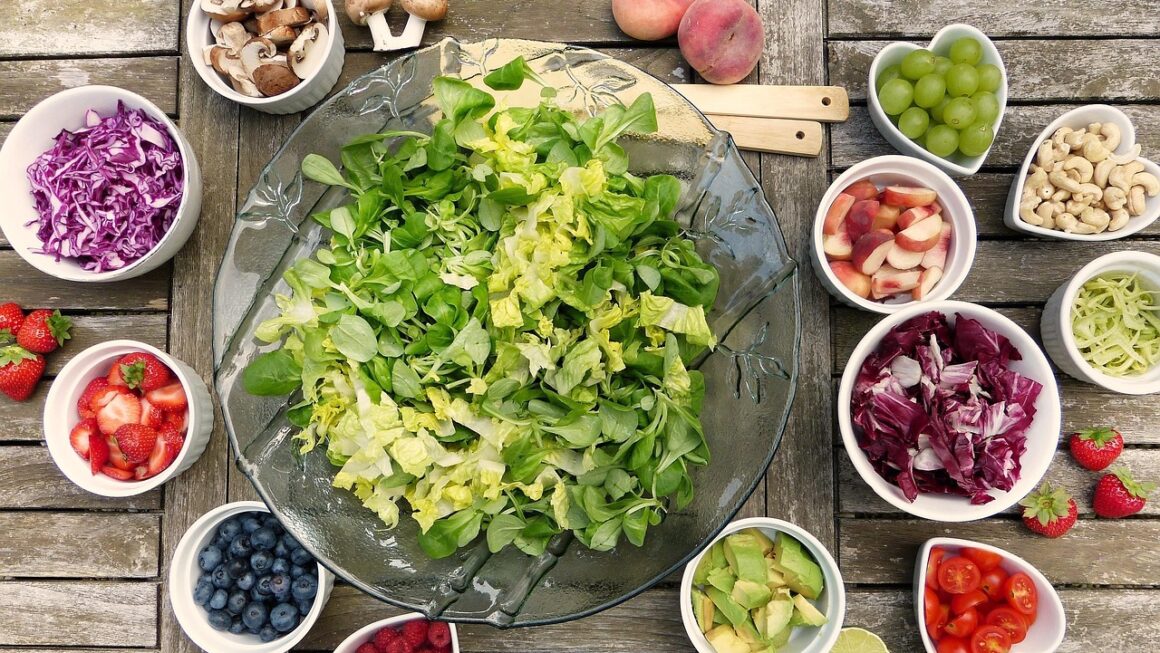
- Fresh Produce: An abundance of seasonal fruits and vegetables. Prioritize leafy greens, berries, broccoli, bell peppers, carrots, sweet potatoes.
- Plant Milks: Unsweetened almond, soy, oat, or cashew milk.
- Tofu & Tempeh: Versatile protein sources for various dishes.
- Healthy Oils & Vinegars: Olive oil, avocado oil, apple cider vinegar, balsamic vinegar.
- Spices & Herbs: Flavor without added calories.
Actionable Takeaway: Keep your pantry and fridge stocked with these staples to make meal prep easy and accessible.
Sample 7-Day Vegan Weight Loss Meal Plan
Here’s a practical example of a full day’s eating plan to inspire your own vegan weight loss journey. Remember to adjust portion sizes based on your individual needs and activity level.
Day 1
- Breakfast:
1/2 cup rolled oats cooked with 1 cup unsweetened almond milk, topped with 1/2 cup mixed berries, 1 tbsp chia seeds, and a sprinkle of cinnamon.
- Lunch:
Large salad with mixed greens, 1/2 cup chickpeas, chopped cucumber, bell peppers, cherry tomatoes, and a light lemon-tahini dressing.
- Dinner:
Tofu Scramble: 4 oz firm tofu crumbled and sautéed with spinach, mushrooms, onions, turmeric (for color), and black salt, served with 1/2 avocado.
- Snacks:
Apple slices with 1 tbsp almond butter.
Day 2
- Breakfast:
Green Smoothie: 1 cup spinach, 1/2 banana, 1/2 cup pineapple, 1 tbsp hemp seeds, 1 cup unsweetened soy milk.
- Lunch:
Leftover Tofu Scramble from Day 1, served in a whole-wheat wrap with extra greens.
- Dinner:
Lentil Soup: Hearty homemade lentil soup (rich in veggies and fiber), served with a slice of whole-grain bread.
- Snacks:
1/4 cup mixed raw nuts.
Day 3
- Breakfast:
Whole-wheat toast (1 slice) with 1/4 cup mashed avocado and everything bagel seasoning, served with a side of sliced tomatoes.
- Lunch:
Quinoa Bowl: 1 cup cooked quinoa with 1/2 cup black beans, corn, salsa, and a dollop of vegan sour cream.
- Dinner:
Chickpea Curry: Mild chickpea and vegetable curry (broccoli, carrots, peas) served with 1/2 cup brown rice.
- Snacks:
Carrot sticks and 2 tbsp hummus.
Actionable Takeaway: Plan your meals in advance and batch cook staples like quinoa, lentils, and roasted vegetables to save time during the week.
Smart Snacking for Weight Loss
Snacks can be an ally or an enemy in your weight loss journey. Choose wisely:
- Fruits: Berries, apples, oranges, bananas.
- Vegetables: Celery sticks, carrot sticks, bell pepper strips with hummus.
- Nuts & Seeds: A small handful of almonds, walnuts, or pumpkin seeds (watch portions!).
- Edamame: Steamed and lightly salted.
- Rice Cakes: Plain with a spread like avocado or a tiny bit of nut butter.
- Plant-based Yogurt: Unsweetened, with a few berries.
Navigating Challenges and Sustaining Success
Weight loss is rarely a linear journey. Being prepared for common hurdles can help you stay on track and ensure long-term success.
Overcoming Cravings and Hunger Pangs
Cravings are normal, but here’s how to manage them on a vegan diet:
- Fiber Up: Ensure your meals are high in fiber to maintain satiety.
- Protein Power: Include a good source of protein at every meal.
- Hydrate: Often, thirst can be mistaken for hunger. Drink a large glass of water and wait 15-20 minutes.
- Distraction: Engage in an activity that takes your mind off food.
- Healthy Swaps: Have go-to healthy vegan alternatives for common cravings (e.g., fruit for sweets, air-popped popcorn for chips).
Eating Out and Social Situations
Maintaining your vegan weight loss plan while socializing is entirely possible:
- Research Ahead: Look up restaurant menus online and identify vegan-friendly options or dishes that can be easily modified.
- Communicate: Don’t hesitate to speak to your server about ingredients and ask for substitutions (e.g., no cheese, extra veggies, dressing on the side).
- Focus on Veggies: Opt for large salads, roasted vegetable dishes, or bean-based entrees.
- Bring Your Own: If attending a gathering where food options might be limited, bring a healthy vegan dish to share.
Actionable Takeaway: Preparation is key. Plan your meals, bring healthy snacks when out, and don’t be afraid to ask for modifications.
Incorporating Exercise for Optimal Results
While diet is paramount for weight loss, physical activity significantly enhances your results and overall well-being:
- Cardiovascular Exercise: Activities like brisk walking, jogging, cycling, or swimming help burn calories and improve heart health. Aim for at least 150 minutes of moderate-intensity cardio per week.
- Strength Training: Lifting weights or bodyweight exercises builds muscle mass, which boosts your metabolism even at rest. Incorporate 2-3 sessions per week.
- Flexibility & Balance: Yoga or Pilates can improve flexibility, reduce stress, and enhance body awareness.
Conclusion
A well-structured vegan diet offers a powerful and sustainable pathway to achieving your weight loss goals, all while promoting incredible health benefits. By prioritizing whole, unprocessed plant foods, focusing on fiber and protein, staying hydrated, and practicing mindful eating, you can naturally create a caloric deficit that leads to effective and lasting weight loss. Remember, consistency, preparation, and patience are your best allies on this journey. Embrace the abundance of the plant kingdom, fuel your body with nutrient-rich foods, and discover the vitality that comes with a compassionate, plant-powered lifestyle. Start planning your meals today, take that first step, and watch your body transform!