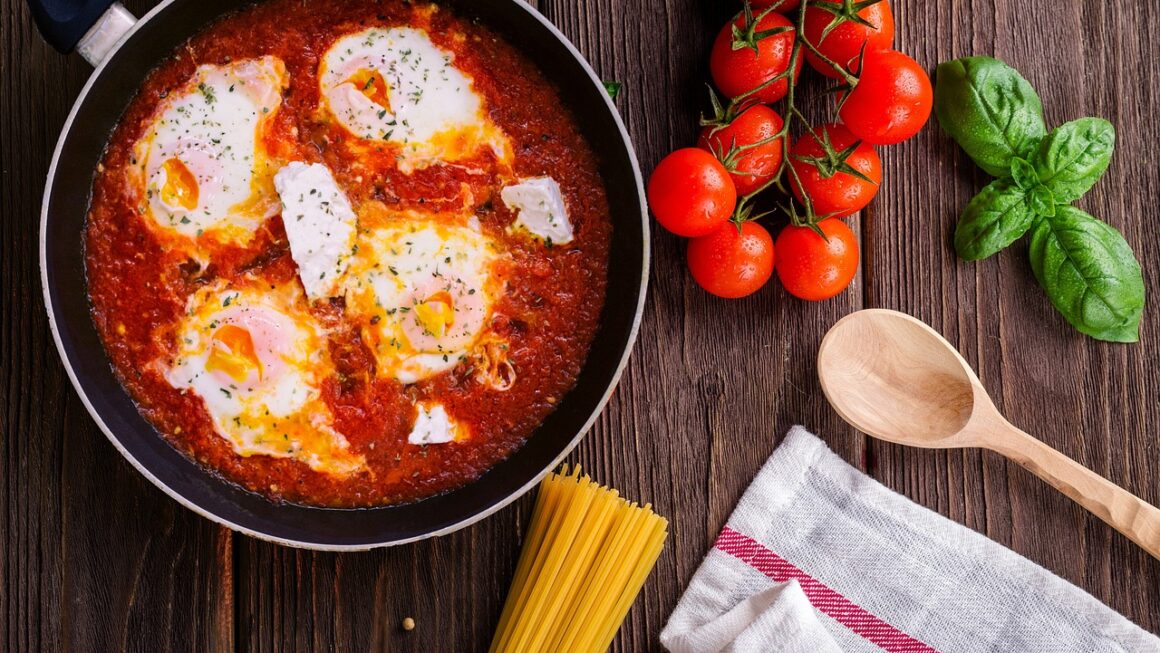

In a world that constantly demands our attention and energy, there’s a universal craving for something that wraps us in warmth, familiarity, and pure contentment. This craving often leads us straight to the embrace of comforting food. It’s more than just sustenance; it’s a culinary hug, a spoonful of nostalgia, and a delicious antidote to stress. From steaming bowls of soup on a rainy day to a slice of your grandmother’s pie, comfort food holds a special place in our hearts and on our plates, offering a unique blend of emotional satisfaction and sensory delight.
What Defines Comfort Food?
Comfort food is often deeply personal, yet universally understood. It’s the dish that evokes a sense of well-being, security, and happiness. But what exactly qualifies a meal for this esteemed category?
More Than Just Calories
While many comfort foods are rich in carbohydrates and fats, providing a quick energy boost and a feeling of satiety, their true power lies beyond nutritional values. They connect us to our past, to loved ones, and to simpler times. It’s often associated with:
- Nostalgia: Dishes linked to childhood memories or significant life events.
- Emotional Connection: Food prepared by someone special, like a parent or grandparent.
- Simplicity: Often uncomplicated dishes that are easy to prepare and eat, requiring little fuss.
The Sensory Experience
The appeal of comforting food is a full-sensory experience. It’s not just about how it tastes, but also how it looks, smells, and feels. Think about:
- Aroma: The inviting smell of baking bread or simmering stew filling the home.
- Texture: The creamy consistency of mashed potatoes, the crispy crunch of fried chicken, or the tender chewiness of pasta.
- Warmth: Many comfort foods are served hot, providing a literal and figurative warmth that soothes.
Cultural Context
What’s considered comfort food varies wildly across cultures, reflecting diverse histories, ingredients, and culinary traditions. For some, it might be an Italian pasta dish; for others, a Japanese ramen bowl or an Indian lentil soup. This diversity highlights the deeply personal and cultural roots of our food preferences.
Actionable Takeaway: Reflect on your own definition of comfort food. What dishes immediately come to mind? Understanding your personal triggers can help you proactively prepare for moments when you need a little culinary cheer.
The Psychology of Soothing Sustenance
The powerful connection between food and mood is no accident. Our brains are wired to associate certain foods with feelings of contentment and reward.
Memory, Emotion, and Taste
When we eat foods that remind us of happy times, our brains release neurotransmitters like dopamine, which is associated with pleasure, and serotonin, which contributes to feelings of well-being. This is why comfort eating is often a form of self-medication, a way to temporarily alleviate stress, sadness, or anxiety.
- Conditioned Response: Over time, eating a particular food repeatedly in a comforting context creates a strong neural pathway.
- Emotional Regulation: For many, comfort food acts as a coping mechanism, offering a temporary escape or solace.
The Role of Ingredients
Certain ingredients themselves play a role in our comfort response. Carbohydrates, for example, can boost serotonin levels in the brain, contributing to a sense of calmness. Fats make food more palatable and satisfying, signaling satiety. The combination creates a powerful feel-good effect.
Practical Example: A warm bowl of oatmeal, rich in complex carbohydrates, can be incredibly comforting not just because it’s familiar, but also due to its physiological impact on serotonin production.
Mindful Indulgence
While the psychological benefits are clear, it’s important to approach comfort food with mindfulness. The goal isn’t to overindulge or use food as your sole coping mechanism, but to enjoy it as part of a balanced emotional toolkit.
Actionable Takeaway: When you reach for comfort food, try to do so mindfully. Savor each bite, appreciate the flavors and textures, and acknowledge the positive emotions it brings, rather than eating on autopilot.
A Global Pantry of Comfort Classics
Every culture has its signature comfort foods, staples that bring people together and soothe the soul. Exploring these can be a delicious journey.
Savory Satisfiers
Hearty and often rich, savory comfort foods are perfect for colder days or when you need a substantial meal.
- Macaroni and Cheese: The quintessential American comfort food, known for its creamy, cheesy goodness.
- Chicken Noodle Soup: A universal remedy for colds and bad days, symbolizing care and recovery.
- Shepherd’s Pie: A British classic featuring a savory minced meat filling topped with a fluffy potato crust.
- Lasagna: Layers of pasta, meat sauce, and cheese, a celebratory and satisfying Italian dish.
Sweet Sanctuaries
For those with a sweet tooth, dessert comfort foods offer a different kind of solace.
- Apple Pie: A classic American dessert, warm and fragrant, often served with ice cream.
- Chocolate Chip Cookies: The taste of home and childhood, perfect with a glass of milk.
- Rice Pudding: A creamy, sweet, and simple dessert found in various forms globally.
International Inspirations
Expanding your comfort food horizons can be incredibly rewarding.
- Ramen (Japan): A steaming bowl of noodles, broth, meat, and vegetables, customized to perfection.
- Dal (India): A comforting and nutritious lentil stew, often served with rice or bread.
- Poutine (Canada): French fries topped with cheese curds and gravy – hearty and indulgent.
- Feijoada (Brazil): A rich stew of black beans and various cuts of pork and beef.
Actionable Takeaway: Dare to try a comfort food from another culture. You might discover a new favorite that brings a unique kind of warmth and satisfaction to your table.
Crafting Your Own Comfort: Tips & Recipes
The best comfort food is often homemade, infused with your effort and love. Making it yourself allows you to control ingredients and tailor it to your exact preferences.
Essential Comfort Food Ingredients
Stocking your pantry with these staples can make spontaneous comfort cooking a breeze:
- Carbohydrates: Pasta, rice, potatoes, bread, flour.
- Dairy: Milk, cheese, butter, cream.
- Proteins: Chicken broth, canned beans, eggs, ground meat (can be frozen).
- Aromatics: Onions, garlic, carrots, celery.
- Spices: Salt, pepper, paprika, herbs like thyme and rosemary.
Simple Comfort Food Recipes to Try
- Classic Tomato Soup with Grilled Cheese: A timeless duo. Use quality canned tomatoes, fresh basil, and good bread for a gourmet twist.
- Creamy Mashed Potatoes: Boil potatoes until tender, mash with warm milk, butter, salt, and pepper until smooth and fluffy.
- Hearty Lentil Soup: Sauté onions, carrots, and celery, add lentils, vegetable broth, diced tomatoes, and your favorite herbs. Simmer until lentils are tender.
- Simple Baked Apple Crumble: Slice apples, toss with cinnamon and a touch of sugar. Top with a mixture of flour, oats, brown sugar, and butter, then bake until golden.
Personalizing Your Palate
Don’t be afraid to experiment with classic recipes to make them your own. Add a pinch of chili flakes to your mac and cheese, swap out vegetables in a stew, or try different cheeses. The most comforting dish is often one that truly reflects your taste.
Actionable Takeaway: Pick one classic comfort food recipe and commit to making it from scratch this week. Notice the difference in flavor and satisfaction compared to store-bought versions.
Beyond the Plate: The Ritual of Comfort
Comfort food isn’t just about what you eat; it’s about the entire experience surrounding the meal. The ritual itself can be as comforting as the food.
Sharing the Warmth
Many comfort foods are designed to be shared. A pot of chili on game night, a communal curry, or a large casserole brought to a potluck amplifies the feeling of connection and well-being. Sharing food fosters community and strengthens bonds.
- Family Meals: Eating together, especially around a home-cooked comforting meal, can reduce stress and improve communication.
- Hosting: Preparing comfort food for guests is a powerful way to show care and hospitality.
The Art of Slow Eating
In our fast-paced lives, eating quickly is common. However, comfort food encourages us to slow down. Savoring each bite, appreciating the textures and flavors, and allowing ourselves to fully experience the meal can enhance its comforting effects. This mindful approach helps us feel more satisfied and connected to our food.
Comfort Food as Self-Care
Treating yourself to a beloved comfort meal can be a legitimate act of self-care. It’s about acknowledging your needs—whether for nostalgia, warmth, or simple pleasure—and responding to them with kindness. It’s a deliberate pause, a moment to nourish both body and soul.
Actionable Takeaway: Plan a “comfort food evening” this month. Whether it’s cooking a cherished recipe for yourself, sharing it with loved ones, or simply enjoying a favorite takeout meal mindfully, make it an intentional act of self-care and enjoyment.
Conclusion
Comfort food, in all its delicious and diverse forms, serves a fundamental human need for solace, familiarity, and joy. It’s a testament to the power of food to not only nourish our bodies but also to heal our spirits and connect us to our memories and our communities. Whether it’s a dish from your childhood, a classic cultural staple, or a new recipe you’ve discovered, embrace the warmth and happiness that comforting food brings. So go ahead, prepare that cherished dish, savor every bite, and let the comforting flavors remind you of home, love, and the simple pleasures of life.