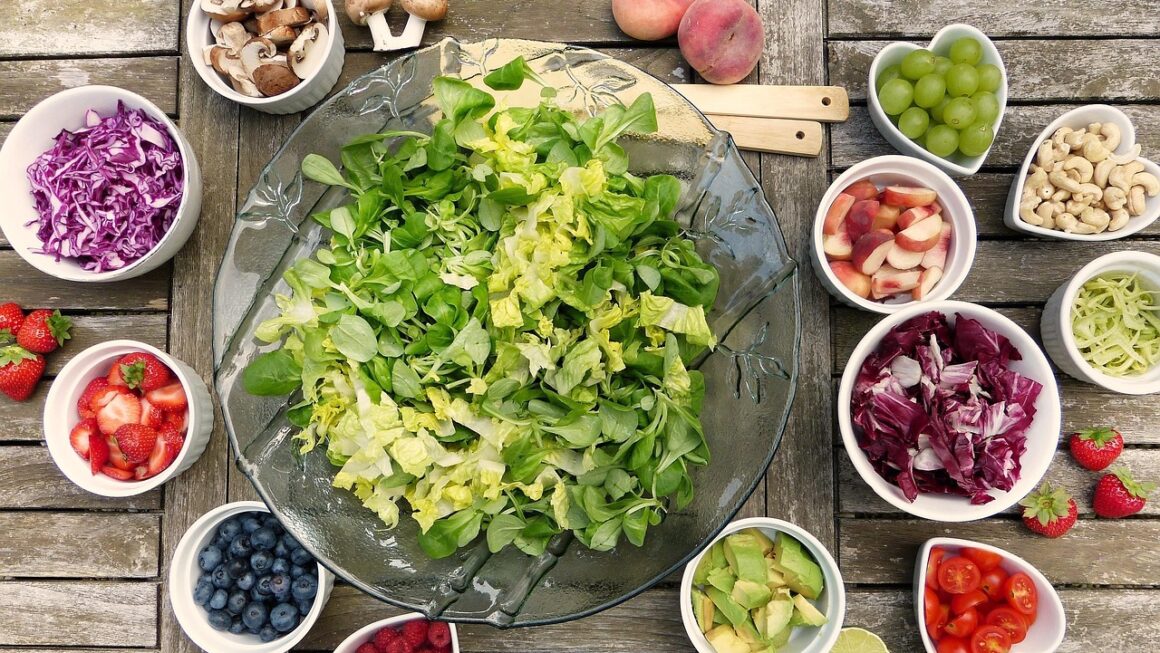
In a world increasingly seeking vibrant, wholesome, and sustainable meal options, one dish has risen to prominence, captivating the palates and health goals of many: the vegan grain bowl. Far more than just a collection of ingredients, these bowls represent a perfect symphony of textures, flavors, and nutritional powerhouses, all artfully arranged in a single, satisfying vessel. Whether you’re a seasoned plant-based eater or simply exploring healthier, more mindful culinary choices, vegan grain bowls offer an unparalleled blend of convenience, versatility, and deliciousness that can transform your daily meals. Get ready to dive into the art and science of building the ultimate plant-powered bowl.
The Rise of the Vegan Grain Bowl: A Modern Culinary Staple
Vegan grain bowls have transcended fleeting food trends to become a beloved staple in kitchens and cafes worldwide. Their popularity stems from a perfect storm of factors: increasing awareness of health and sustainability, a desire for convenient yet nutritious meals, and the sheer culinary freedom they offer.
Why Vegan Grain Bowls Are Here to Stay
- Nutritional Powerhouses: Packed with fiber, essential vitamins, minerals, and plant-based protein, they support overall health and energy.
- Customization King: The ultimate choose-your-own-adventure meal, adaptable to any diet, preference, or pantry.
- Sustainability Champion: A plant-forward approach significantly reduces your environmental footprint compared to meat-heavy meals.
- Convenience & Meal Prep Friendly: Perfect for batch cooking and quick, healthy meals throughout the week.
- Global Flavor Palette: Easily inspired by cuisines from around the world, offering endless culinary exploration.
The Benefits of a Plant-Forward Diet
Embracing vegan grain bowls naturally shifts your diet towards more plants, bringing a cascade of health benefits:
- Improved Heart Health: Lower intake of saturated fats and cholesterol.
- Better Digestion: High fiber content aids gut health.
- Weight Management: Often lower in calories and higher in satiety, promoting healthy weight.
- Reduced Risk of Chronic Diseases: Studies suggest a link between plant-rich diets and lower risks of type 2 diabetes and certain cancers.
Actionable Takeaway: Start incorporating one vegan grain bowl into your weekly routine and observe the positive impact on your energy levels and digestion.
Deconstructing the Perfect Grain Bowl: Essential Components
Building a stellar vegan grain bowl is like composing a symphony; each element plays a crucial role. Understanding these core components is the key to creating balanced, flavorful, and satisfying meals every time.
1. The Foundation: Wholesome Grains
The grain is the heart of your bowl, providing complex carbohydrates for sustained energy.
- Quinoa: A complete protein, fluffy, and quick-cooking. Ideal for virtually any bowl.
- Brown Rice: Hearty, nutty, and a great base for Asian or Mexican-inspired bowls.
- Farro: Chewy, with a rich flavor; excellent for Mediterranean or Italian themes.
- Barley: Robust and pearly, fantastic in winter or root vegetable bowls.
- Millet: Light and easily digestible, a good gluten-free alternative.
- Wild Rice: Earthy and firm, adds a gourmet touch and unique texture.
Practical Tip: Cook a large batch of your favorite grain at the beginning of the week to save time.
2. The Muscle: Plant-Based Protein
Protein ensures your bowl is truly satisfying and keeps you full for longer.
- Legumes: Chickpeas, black beans, lentils (green, brown, or red), edamame. Easy, versatile, and affordable.
- Tofu & Tempeh: Marinade and bake, pan-fry, or air-fry for crispy, flavorful additions.
- Seitan: A chewy, protein-rich wheat-based option that can mimic meat textures.
- Nuts & Seeds: While also providing healthy fats, certain nuts (like peanuts) and seeds (like hemp seeds) contribute significant protein.
Example: Roasted smoky chickpeas or marinated baked tofu cubes are fantastic choices.
3. The Color & Nutrients: Vibrant Vegetables
Veggies add crucial vitamins, minerals, fiber, and aesthetic appeal. Aim for a mix of cooked and raw.
- Leafy Greens: Spinach, kale, mixed greens, arugula (as a bed or mixed in).
- Roasted Vegetables: Broccoli, sweet potato, Brussels sprouts, bell peppers, zucchini, carrots. Roasting brings out their sweetness and adds depth.
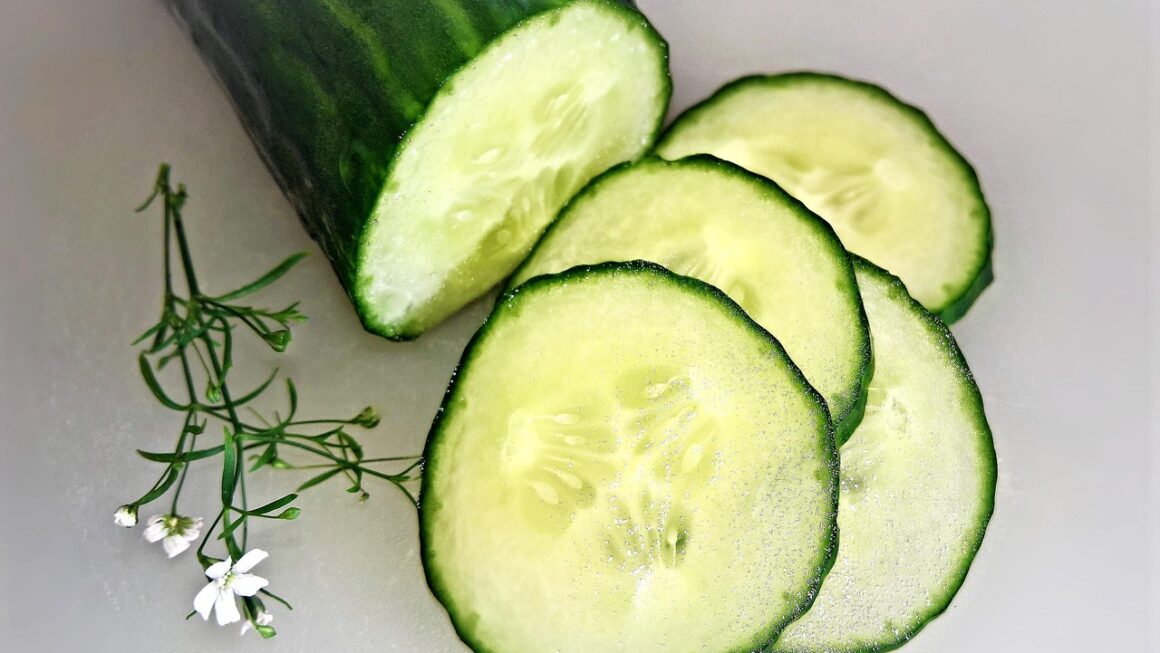
- Fresh & Crunchy: Cucumber, cherry tomatoes, shredded carrots, radish, bell pepper strips.
- Fermented: Sauerkraut or kimchi for gut health and tangy flavor.
4. The Richness: Healthy Fats
Healthy fats are essential for nutrient absorption, satiety, and flavor.
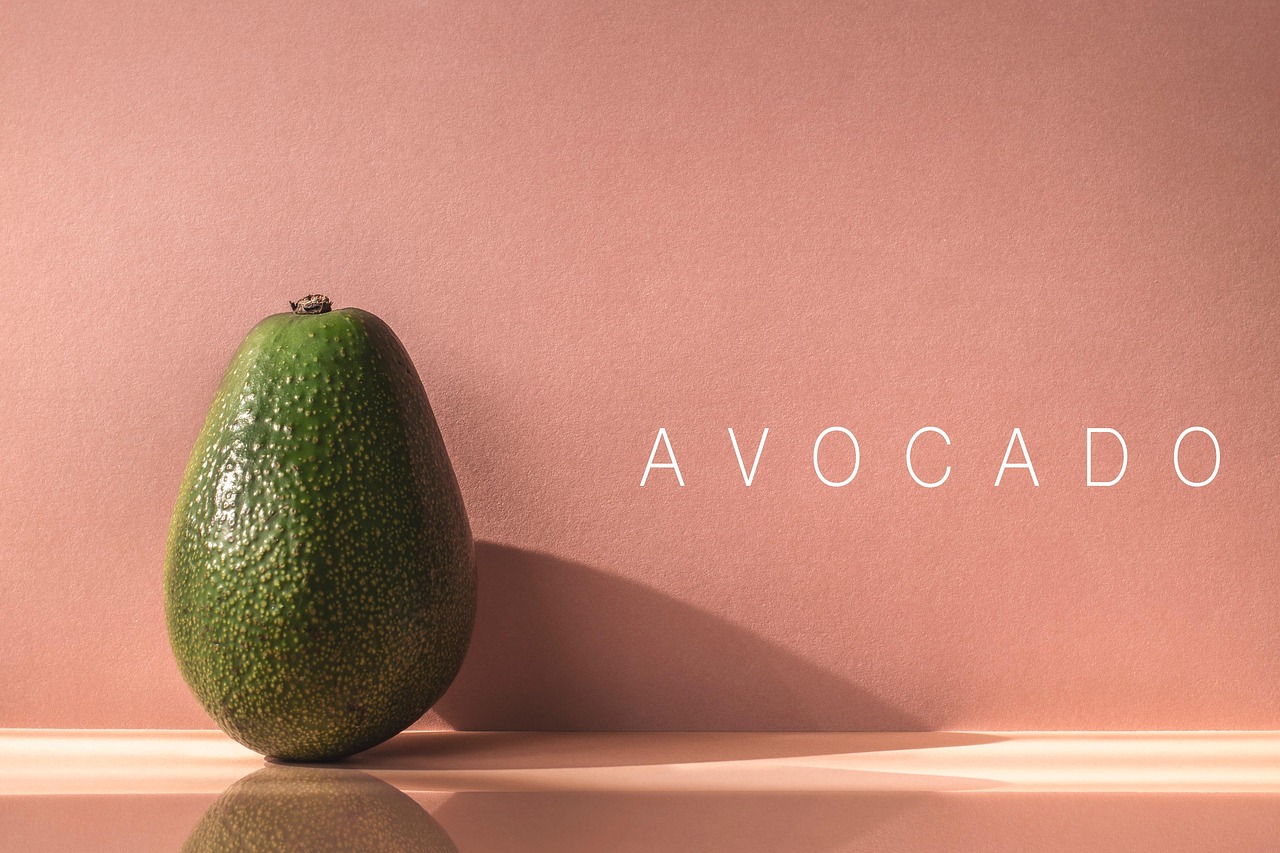
- Avocado: Creamy, rich, and full of monounsaturated fats.
- Nuts & Seeds: Walnuts, almonds, cashews, pumpkin seeds, sunflower seeds, chia seeds, flax seeds. Add crunch and nutrition.
- Tahini: Sesame paste, a base for many delicious dressings.
- Olive Oil: A drizzle over roasted veggies or in dressings.
5. The Zing: Flavorful Dressings & Sauces
The dressing ties all the components together, infusing the bowl with a cohesive flavor profile. Don’t underestimate its power!
- Tahini-Lemon Dressing: Creamy, tangy, and versatile.
- Peanut Sauce: Sweet, savory, and nutty; perfect for Asian-inspired bowls.
- Lime-Cilantro Vinaigrette: Bright and fresh for Mexican or Southwestern themes.
- Balsamic Vinaigrette: Classic, acidic, and pairs well with many ingredients.
6. The Grand Finale: Textural Toppings
These elevate your bowl from good to unforgettable, adding crunch, freshness, and bursts of flavor.
- Fresh Herbs: Cilantro, parsley, mint, basil.
- Toasted Nuts/Seeds: Adds extra crunch.
- Crispy Onions/Garlic: Store-bought or homemade.
- Pickled Onions: A tangy, vibrant addition.
- Chili Flakes or Hot Sauce: For a kick.
Actionable Takeaway: Think of your bowl as having layers – start with greens, then grains, then proteins and cooked veggies, topped with fresh elements, healthy fats, and finally, a generous drizzle of dressing and final toppings.
Flavor Adventures: Global-Inspired Vegan Grain Bowl Ideas
The beauty of vegan grain bowls lies in their adaptability. You can globetrot with your taste buds, drawing inspiration from various cuisines to create endlessly exciting meals.
1. Mediterranean Delight Bowl
Transport yourself to the sunny shores of the Mediterranean with fresh, zesty flavors.
- Grain: Quinoa or farro
- Protein: Roasted chickpeas with za’atar
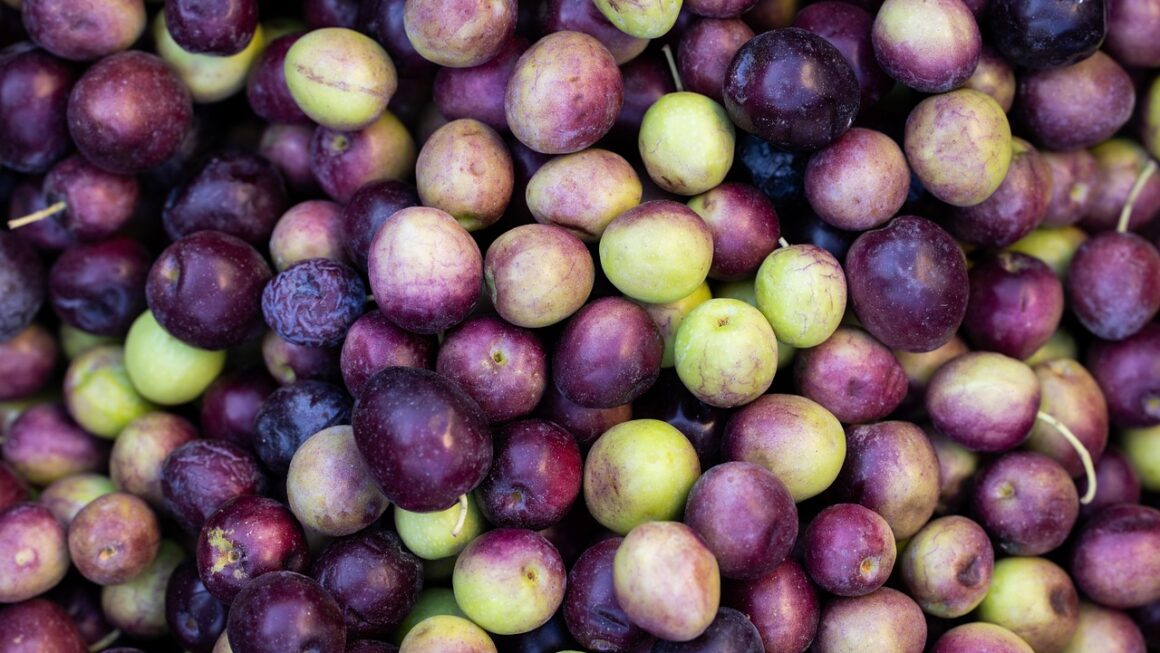
- Veggies: Cucumber, cherry tomatoes, red onion, Kalamata olives, fresh spinach
- Healthy Fat: Avocado slices
- Dressing: Lemon-Tahini Dressing (tahini, lemon juice, water, garlic, salt)
- Toppings: Fresh parsley, toasted pine nuts
Practical Tip: Marinate your chickpeas in olive oil, lemon juice, and za’atar before roasting for maximum flavor.
2. Southwestern Fiesta Bowl
Bold and vibrant, this bowl brings the flavors of Mexico and the American Southwest to your plate.
- Grain: Brown rice or cilantro-lime rice
- Protein: Black beans or spiced pinto beans
- Veggies: Corn salsa (corn, red onion, bell pepper, cilantro), diced avocado, shredded romaine lettuce
- Healthy Fat: Guacamole or extra avocado
- Dressing: Creamy Cashew-Lime Dressing (soaked cashews, lime juice, water, jalapeño, cilantro) or a simple lime vinaigrette.
- Toppings: Pickled red onions, a sprinkle of vegan cheese shreds, crushed tortilla chips
Example: For a quick corn salsa, combine canned corn (drained), diced red onion, chopped bell pepper, and plenty of fresh cilantro with a squeeze of lime.
3. Asian Sesame-Ginger Bowl
A harmonious blend of umami, sweetness, and a hint of ginger for a truly satisfying experience.
- Grain: Forbidden black rice or soba noodles
- Protein: Baked or pan-fried tempeh or edamame
- Veggies: Steamed broccoli florets, shredded carrots, bell pepper strips, spiralized cucumber, bok choy
- Healthy Fat: Toasted sesame seeds, cashews
- Dressing: Sesame-Ginger Dressing (soy sauce/tamari, rice vinegar, sesame oil, fresh ginger, maple syrup)
- Toppings: Sliced green onions, toasted sesame seeds, chili garlic sauce
Actionable Takeaway: Don’t be afraid to mix and match elements from different cultural bowls to create your unique fusion. The key is balance!
Mastering Meal Prep with Vegan Grain Bowls
One of the most compelling advantages of vegan grain bowls is how perfectly they lend themselves to meal preparation. Planning and prepping components ahead of time can save hours during the week, ensuring you always have a healthy, delicious meal within reach.
The Power of Component-Based Prep
Instead of preparing full bowls, focus on prepping individual components:
- Cook Grains in Bulk: Make a large batch of quinoa, brown rice, or farro and store in airtight containers. This is your foundation for multiple bowls.
- Roast a Variety of Vegetables: Chop and roast different veggies (sweet potatoes, broccoli, bell peppers, zucchini) at once. Use different seasonings for variety.
- Prepare Protein Sources: Bake a tray of marinated tofu or tempeh, cook a big pot of lentils, or simply drain and rinse canned beans.
- Whisk Up Dressings: Prepare one or two types of dressings and store them in jars in the fridge. They typically last 5-7 days.
- Wash and Chop Fresh Produce: Wash leafy greens, chop raw veggies like cucumbers and bell peppers, and store them separately.
Assembly Strategies for Freshness
To prevent sogginess and maintain texture, it’s crucial to assemble your bowls strategically:
- Layering: Start with the heaviest, most stable ingredients (grains, cooked veggies) at the bottom. Add protein, then fresh greens.
- Dressing on the Side: Always store dressings separately and add them right before eating. This prevents greens from wilting and grains from becoming mushy.
- Wet vs. Dry: Keep very wet ingredients (like some salsas or highly acidic pickles) separate from crunchy components until serving.
Storage Tips for Longevity
- Airtight Containers: Essential for keeping food fresh. Glass containers are excellent for reheating and are environmentally friendly.
- Refrigeration: Most prepped components will last 4-5 days in the refrigerator.
- Freezing: Cooked grains and some roasted vegetables (like sweet potatoes or broccoli) can be frozen for longer storage.
Actionable Takeaway: Dedicate 1-2 hours on a Sunday to component-based meal prep. You’ll thank yourself during busy weekdays when a wholesome meal is just minutes away.
Tips and Tricks for Building Your Best Bowl
While the components are essential, a few expert tips can elevate your vegan grain bowls from good to truly extraordinary.
1. Embrace Texture Contrast
A truly satisfying bowl offers a variety of textures in every bite. Think beyond flavor:
- Creamy: Avocado, hummus, creamy dressing.
- Crunchy: Toasted nuts/seeds, crispy roasted chickpeas, fresh cucumber, sprouts.
- Chewy: Hearty grains like farro, sun-dried tomatoes.
- Soft: Cooked beans, roasted sweet potatoes.
Example: A creamy tahini dressing, soft roasted sweet potatoes, and crunchy pumpkin seeds create a dynamic eating experience.
2. Balance Your Flavors
A great bowl hits all the flavor notes to keep things interesting and prevent palate fatigue:
- Sweet: Roasted sweet potatoes, dried cranberries, a touch of maple syrup in dressing.
- Savory/Umami: Miso-glazed tofu, nutritional yeast, a good soy sauce/tamari.
- Acidic: Lemon juice, lime juice, vinegars, pickled vegetables. This is crucial for brightness.
- Salty: Seasoning every component, olives, capers.
- Spicy: Chili flakes, hot sauce, fresh jalapeño.
Practical Tip: Taste each component individually before assembling, and adjust seasoning. Then taste the combined bowl and see what’s missing!
3. Don’t Skimp on the Sauce
The dressing is the glue that binds your bowl. It introduces moisture, flavor, and often healthy fats, transforming disparate ingredients into a cohesive meal.
- Make it from Scratch: Homemade dressings are often healthier and more flavorful than store-bought options.
- Be Generous: Don’t be shy; a well-dressed bowl is a delicious bowl.
- Experiment: Try different flavor profiles – creamy, tangy, spicy, herby.
4. Season Every Component
This is a game-changer. Don’t just rely on the dressing to season everything. Season your grains, your roasted vegetables, and your proteins individually. This builds layers of flavor that contribute to a truly delicious bowl.
- Grains: Cook with a pinch of salt and maybe a bay leaf or vegetable broth.
- Veggies: Toss with olive oil, salt, pepper, garlic powder, and herbs before roasting.
- Proteins: Marinate tofu/tempeh, season beans with spices.
Actionable Takeaway: Focus on incorporating at least three different textures and balancing the five basic tastes in your next bowl for a truly memorable experience.
Conclusion
Vegan grain bowls are more than just a passing culinary trend; they are a testament to the deliciousness, versatility, and sheer joy that plant-based eating can bring. From their incredible nutritional benefits to their endless capacity for flavor innovation, these bowls empower you to take control of your diet, explore global cuisines, and make mindful choices that nourish both your body and the planet. By understanding their core components, mastering meal prep techniques, and embracing creative flavor pairings, you’re well on your way to crafting your own signature vegan grain bowls. So, embrace the grains, pile on the veggies, drizzle generously, and embark on a delicious journey of plant-powered eating. Your taste buds and your well-being will thank you.