In a world increasingly seeking sustainable and health-conscious dietary approaches, the convergence of plant-based eating and low-carbohydrate principles offers a powerful solution. The low carb vegan diet is more than just a trend; it’s a strategic way of eating that combines the ethical and environmental benefits of veganism with the metabolic advantages of carbohydrate restriction. Whether you’re aiming for weight management, improved blood sugar control, enhanced energy levels, or simply curious about expanding your plant-based horizons, this comprehensive guide will demystify the low-carb vegan lifestyle, providing you with practical insights and a delicious meal plan to kickstart your journey.
Understanding the Low Carb Vegan Diet
Embarking on a low-carb vegan diet means embracing a unique approach to nutrition that prioritizes plant-based foods while significantly reducing carbohydrate intake. This section delves into what this diet entails and why it’s gaining traction.
What is a Low Carb Vegan Diet?
At its core, a low carb vegan diet is a dietary pattern that excludes all animal products (meat, dairy, eggs, honey) and significantly limits the consumption of carbohydrate-rich foods. This typically means restricting net carbs (total carbs minus fiber) to a specific daily amount, often between 20-50 grams, similar to a ketogenic diet, or sometimes a bit higher for a moderate low-carb approach.
- Vegan Foundation: Focus on fruits, vegetables, grains, legumes, nuts, and seeds, while strictly avoiding animal-derived products.
- Carb Restriction: Emphasis on non-starchy vegetables, healthy fats, and plant-based protein sources, minimizing grains, starchy vegetables, and sugary foods.
- Nutrient Density: Prioritizing whole, unprocessed plant foods that are rich in vitamins, minerals, and antioxidants.
Key Benefits of a Plant-Based Low Carb Approach
The synergy of veganism and low-carb eating offers a compelling array of health benefits that cater to various wellness goals.
- Weight Management: By reducing carb intake, the body may shift into a state of ketosis, burning fat for fuel. Additionally, high fiber from plant foods promotes satiety. Studies suggest low-carb diets can be effective for weight loss.
- Improved Blood Sugar Control: Limiting carbohydrates directly impacts blood glucose levels, making this diet particularly beneficial for individuals with insulin resistance or type 2 diabetes.
- Enhanced Energy Levels: Many report more stable energy throughout the day, avoiding the “sugar crashes” associated with high-carb meals.
- Reduced Inflammation: A diet rich in whole plant foods and healthy fats, while avoiding processed foods and refined sugars, can significantly contribute to lower systemic inflammation.
- Heart Health: A focus on healthy fats (avocado, nuts, seeds) and fiber-rich vegetables can support cardiovascular health.
Macronutrient Focus for Vegans
While the principles are similar to general low-carb eating, vegans need to be particularly mindful of their macronutrient sources.
- Protein: Essential for satiety and muscle maintenance. Good sources include tofu, tempeh, seitan, hemp seeds, pumpkin seeds, and certain protein powders.
- Healthy Fats: Crucial for energy, hormone production, and nutrient absorption. Avocados, nuts (almonds, walnuts, pecans), seeds (chia, flax, hemp), and healthy oils (olive, coconut, MCT) are excellent choices.
- Carbohydrates: Primarily sourced from non-starchy vegetables like leafy greens, broccoli, cauliflower, zucchini, and peppers.
Approved Foods: Building Your Low Carb Vegan Pantry
Successfully navigating a vegan low carb meal plan starts with stocking your kitchen with the right ingredients. Here’s a detailed guide to what you can eat and what to avoid.
Non-Starchy Vegetables: The Foundation
These vegetables are your best friends on a low-carb vegan diet, providing essential nutrients, fiber, and volume without significant carbohydrate load.
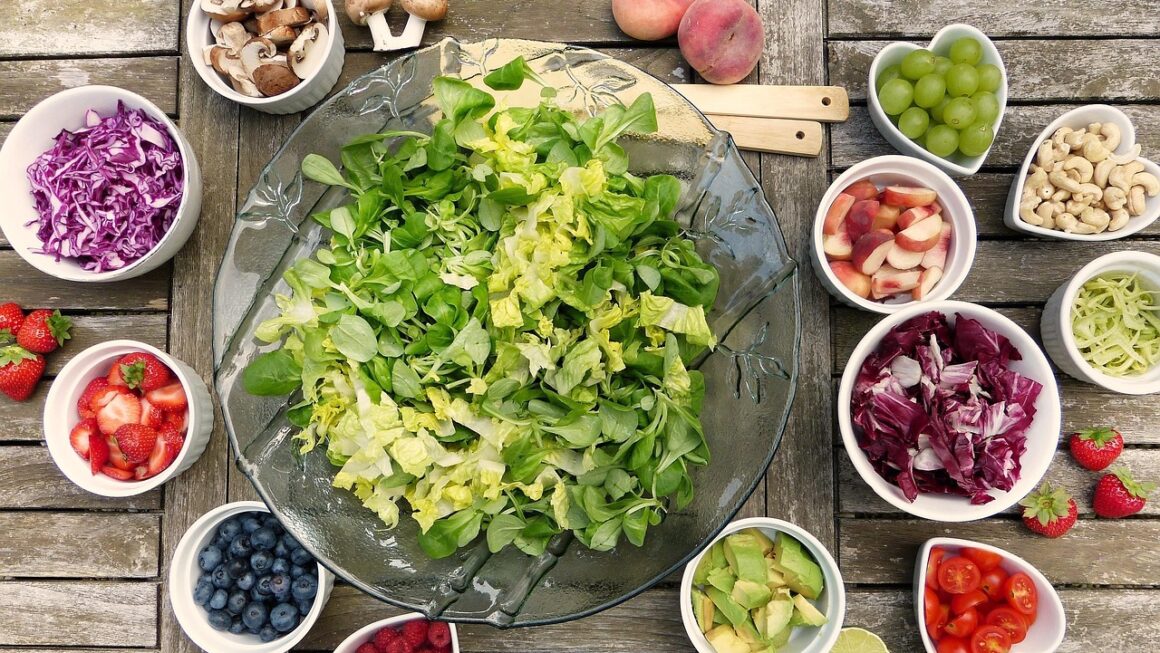
- Leafy Greens: Spinach, kale, collard greens, Swiss chard, romaine, arugula. Versatile for salads, stir-fries, and smoothies.
- Cruciferous Vegetables: Broccoli, cauliflower, Brussels sprouts, cabbage. Great for roasting, steaming, or as grain substitutes (cauliflower rice, broccoli “couscous”).
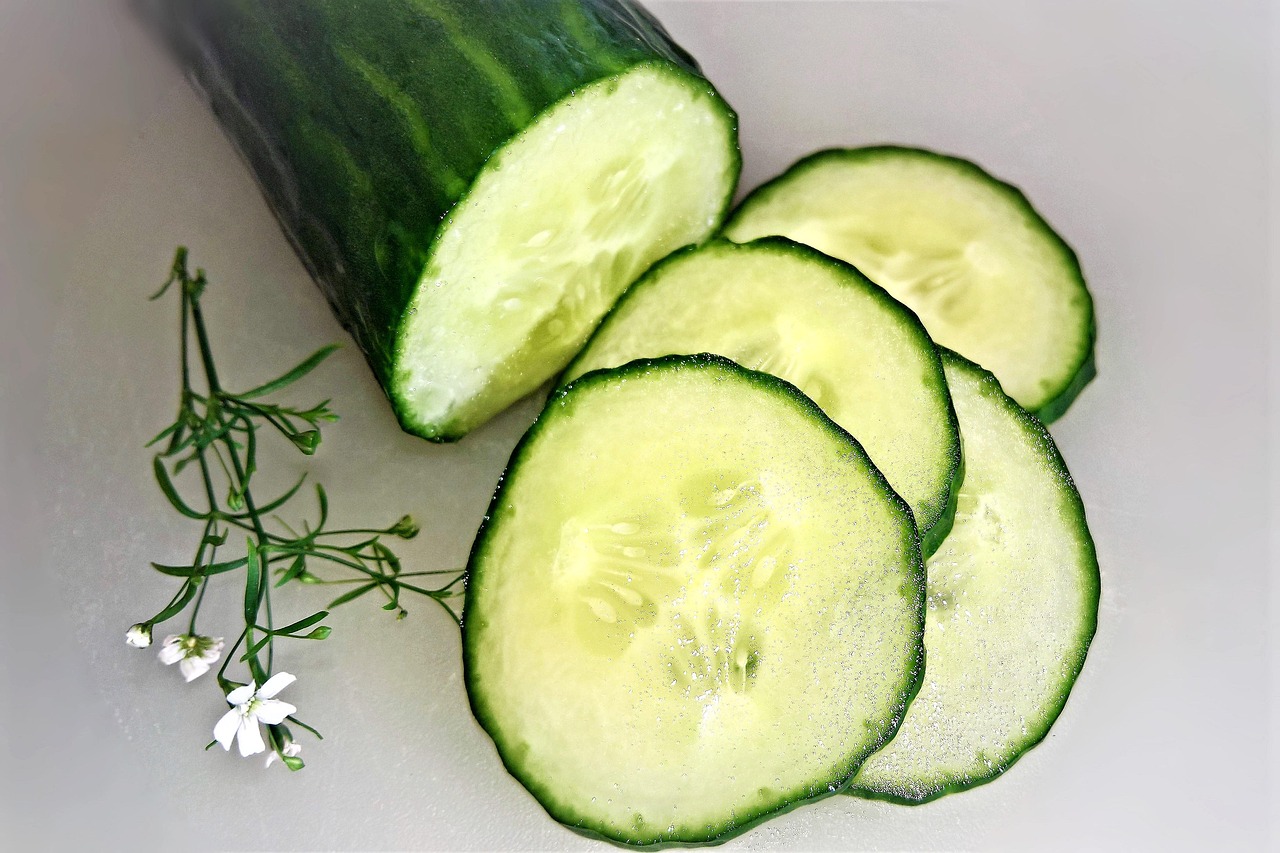
- Other Favorites: Zucchini, cucumber, bell peppers (especially green), asparagus, green beans, mushrooms, celery, eggplant, radishes.
Plant-Based Protein Powerhouses
Ensuring adequate protein intake is crucial for vegans, especially when limiting grains and legumes.
- Tofu & Tempeh: Fermented soy products that are excellent sources of complete protein. They are versatile and absorb flavors well. (e.g., 100g firm tofu has ~2-3g net carbs).
- Seitan: Made from wheat gluten, it’s very high in protein and low in carbs. (e.g., 100g seitan has ~4-6g net carbs).
- Nuts & Seeds: Almonds, walnuts, pecans, macadamia nuts (lower carb options). Hemp seeds, chia seeds, flax seeds, pumpkin seeds, sunflower seeds are packed with protein and healthy fats.
- Vegan Protein Powders: Opt for low-carb varieties made from pea, hemp, or pumpkin seed protein, avoiding those with added sugars or high-carb fillers.
Healthy Fats for Fuel and Flavor
Fats become your primary energy source on a low-carb diet, so choose healthy, unsaturated, and monounsaturated options.
- Avocados: Rich in monounsaturated fats, fiber, and potassium.
- Oils: Extra virgin olive oil, coconut oil, MCT oil, avocado oil. Excellent for cooking and dressings.
- Full-Fat Coconut Products: Coconut milk (canned, unsweetened), coconut cream.
- Nuts & Nut Butters: Almond butter, peanut butter (in moderation, check for added sugars), cashew butter (higher carb, use sparingly). Always choose unsweetened.
Low-Carb Vegan Dairy Alternatives
Enjoy dairy-free options without compromising your carb goals.
- Unsweetened Plant Milks: Almond milk, coconut milk (carton), soy milk (check carb content), macadamia milk. Ensure they are unsweetened.
- Vegan Cheeses: Some brands offer low-carb vegan cheese alternatives, but always check nutrition labels carefully for carb content and ingredients.
Foods to Limit or Avoid
To maintain a low-carb vegan profile, certain foods should be consumed in very small quantities or avoided altogether.
- Grains: Rice, wheat, oats, quinoa, barley, corn, bread, pasta.
- Legumes (in large quantities): Beans, lentils, chickpeas. Small amounts of tempeh or tofu are exceptions due to their fermentation or processing.
- Starchy Vegetables: Potatoes, sweet potatoes, yams, peas, corn, parsnips.
- Fruits (high sugar): Most fruits, especially tropical ones like bananas, mangoes, pineapple. Berries can be consumed in moderation due to lower sugar content.
- Sugars & Sweeteners: Table sugar, agave nectar, maple syrup, high-fructose corn syrup, most artificial sweeteners (some natural, zero-carb alternatives like stevia or erythritol are acceptable).
- Processed Vegan Junk Food: Many vegan convenience foods are high in carbs, unhealthy fats, and sugars.
Crafting Your Low Carb Vegan Meal Plan: A Sample Day
Here’s a practical look at how to structure a delicious and satisfying vegan low carb meal plan for a typical day, ensuring you get all necessary nutrients.
Sample Daily Meal Plan
This sample provides a blueprint, but feel free to mix and match or adjust portions based on your specific needs and carb limits (typically 20-50g net carbs per day).
Breakfast: Fueling Your Day
- Option 1: Tofu Scramble with Spinach and Mushrooms
- Crumble 1/2 block of firm tofu, sauté with a handful of spinach, sliced mushrooms, bell peppers, turmeric (for color), nutritional yeast (for cheesy flavor), and black salt (for eggy flavor).
- Serve with 1/4 sliced avocado.
- Carb Estimate: ~5-8g net carbs
- Option 2: Low Carb Green Smoothie
- Blend 1 cup unsweetened almond milk, 1 scoop unflavored low-carb vegan protein powder, 1 cup spinach, 1/4 cup frozen mixed berries (raspberries/blackberries for lower carb), 1 tablespoon chia seeds, 1 tablespoon almond butter.
- Carb Estimate: ~8-12g net carbs
Lunch: Energizing Midday Meals
- Option 1: Large Mixed Green Salad with Tempeh Bacon
- Base: Generous serving of mixed greens (romaine, kale, arugula).
- Toppings: Sliced cucumber, bell peppers, radishes, 1/4 avocado, 2 oz baked or pan-fried tempeh “bacon” strips.
- Dressing: Olive oil and apple cider vinegar, or a creamy tahini dressing (check for added sugars).
- Carb Estimate: ~7-10g net carbs
- Option 2: Cauliflower Rice Stir-fry with Tofu & Veggies
- Sauté 1 cup cauliflower rice with 4 oz cubed firm tofu, broccoli florets, snap peas (small amount), and shredded cabbage.
- Sauce: Soy sauce/tamari (low sodium), ginger, garlic, a splash of sesame oil, and a dash of Sriracha (optional).
- Carb Estimate: ~10-15g net carbs
Dinner: Satisfying Evening Meals
- Option 1: Vegan Low Carb “Meatballs” with Zucchini Noodles
- “Meatballs”: Made from a blend of mushrooms, walnuts, spices, and a small amount of vital wheat gluten (if consuming seitan) or pea protein. Bake or pan-fry.
- Serve over a bed of spiralized zucchini noodles (zoodles) with a simple low-carb tomato sauce (ensure no added sugars).
- Carb Estimate: ~12-18g net carbs
- Option 2: Coconut Curry with Seitan and Non-Starchy Vegetables
- Simmer 4 oz seitan (or extra firm tofu) with full-fat unsweetened coconut milk, curry paste (check for carbs), bell peppers, green beans, and spinach.
- Garnish with fresh cilantro.
- Carb Estimate: ~10-16g net carbs
Snacks: Smart Bites Between Meals
- Small handful of almonds or walnuts.
- Celery sticks with almond butter.
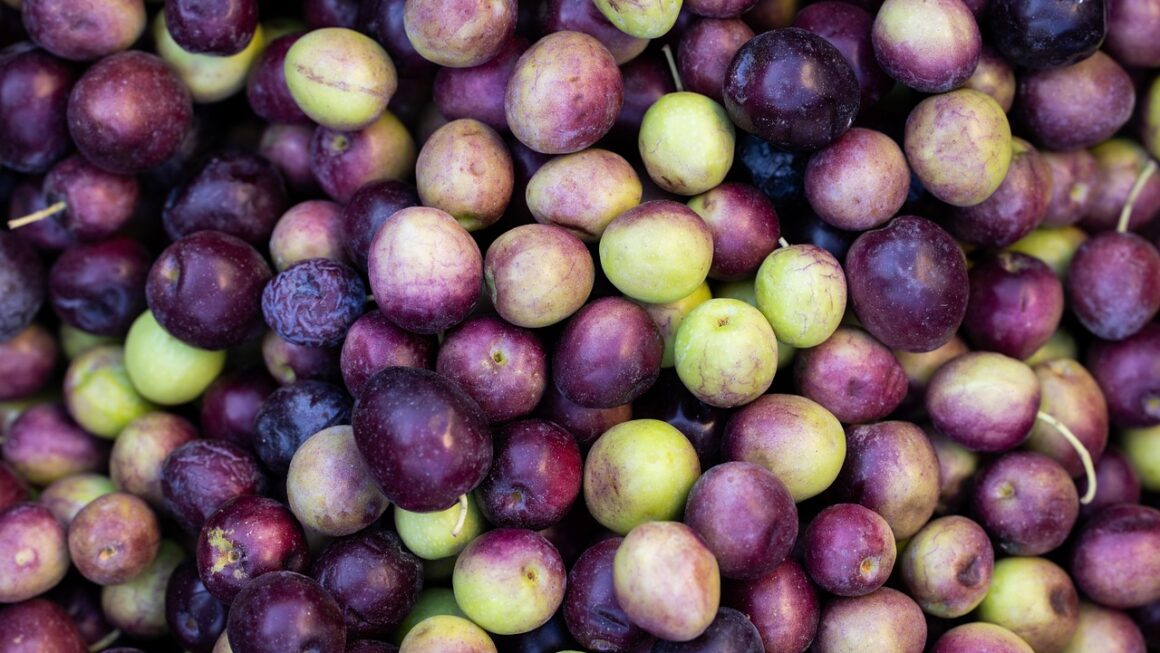
- Olives.
- Vegan protein shake (low carb).
- 1/2 avocado sprinkled with everything bagel seasoning.
Essential Considerations & Tips for Success
Adopting a low-carb vegan diet requires careful planning to ensure nutritional adequacy and long-term sustainability. Here are crucial tips for success.
Nutrient Density and Supplementation
While a well-planned vegan diet is healthy, restricting carbohydrates further necessitates attention to certain nutrients.
- Vitamin B12: This vitamin is not naturally found in plant foods. Supplementation is absolutely essential for all vegans, regardless of carb intake.
- Iron: Focus on iron-rich plant foods like spinach, kale, pumpkin seeds, and tofu. Pair with vitamin C sources (bell peppers, broccoli) to enhance absorption.
- Omega-3 Fatty Acids: Get your ALA from flax seeds, chia seeds, and walnuts. Consider a vegan DHA/EPA supplement derived from algae.
- Calcium: Fortified plant milks, tofu (calcium-set), collard greens, kale, and sesame seeds are good sources.
- Vitamin D: Sun exposure is key, but supplementation is often necessary, especially in less sunny climates or winter months.
- Iodine: Seaweed (in moderation), iodized salt.
Actionable Takeaway: Consult with a doctor or registered dietitian specializing in plant-based nutrition to discuss your specific needs and potential supplementation requirements. Blood tests can help identify any deficiencies.
Hydration and Electrolytes
When significantly reducing carbs, your body flushes out more water and electrolytes. This can sometimes lead to symptoms commonly known as “keto flu.”
- Drink Plenty of Water: Aim for at least 8-10 glasses of water daily.
- Replenish Electrolytes: Include sources of sodium (Himalayan pink salt), potassium (avocado, spinach, mushrooms), and magnesium (pumpkin seeds, spinach, dark leafy greens). You might consider an electrolyte supplement if experiencing symptoms like fatigue or headaches.
Actionable Takeaway: Keep a water bottle handy and consider adding a pinch of sea salt to your water or cooking to ensure adequate sodium intake.
Meal Prep Strategies
Being prepared is key to sticking to any dietary plan, especially a specific one like low-carb vegan.
- Batch Cook Proteins: Prepare a large batch of baked tofu, tempeh, or seitan at the beginning of the week.
- Chop Veggies: Wash and chop non-starchy vegetables for easy use in stir-fries, salads, or snacks.
- Make Dressings: Prepare your low-carb vegan dressings or sauces in advance.
Actionable Takeaway: Dedicate an hour or two on a weekend day to prep key ingredients for the week ahead, making healthy meal assembly quick and effortless.
Listen to Your Body and Be Flexible
Every individual is different. What works for one person might need adjustments for another.
- Monitor Your Energy: Pay attention to how different foods and carb levels affect your energy, mood, and digestion.
- Adjust as Needed: If you feel too restricted, you might increase your carb intake slightly from whole food sources like more berries or a small portion of legumes.
- It’s a Journey: Don’t strive for perfection. Small slip-ups are part of the process; simply get back on track with your next meal.
Actionable Takeaway: Keep a food journal for a week or two to track your food intake, energy levels, and how you feel. This will help you fine-tune your personal ideal balance.
Potential Challenges and How to Overcome Them
While highly beneficial, a low-carb vegan diet can present unique challenges. Knowing these in advance can help you navigate them successfully.
Finding Variety and Preventing Boredom
Restricting both animal products and higher-carb plant foods can sometimes feel limiting. However, with creativity, your meals can remain exciting.
- Experiment with Herbs and Spices: A vast array of spices can transform simple vegetables and proteins into gourmet dishes.
- Explore New Vegetables: Don’t stick to just broccoli and cauliflower. Try jicama, kohlrabi, daikon radish, or various leafy greens.
- Get Creative with Textures: Use different cooking methods – roasting, grilling, steaming, sautéing – to bring out diverse textures and flavors.
- Vegan Recipe Blogs: Many dedicated vegan low-carb recipe blogs and cookbooks offer inspiration.
Actionable Takeaway: Challenge yourself to try one new low-carb vegan recipe or ingredient each week to keep your meals fresh and exciting.
Navigating Social Situations and Dining Out
Eating out or attending social gatherings can be tricky when adhering to specific dietary guidelines.
- Plan Ahead: Look up restaurant menus online beforehand. Many places are increasingly accommodating to dietary restrictions.
- Communicate Clearly: Don’t hesitate to politely explain your dietary needs to your server or host. Ask for modifications (e.g., “no rice, extra vegetables,” “dressing on the side,” “no croutons”).
- Bring Your Own: If attending a potluck or visiting friends, offer to bring a low-carb vegan dish that you can enjoy.
- Focus on Fellowship: Remember that social events are also about connecting with people, so don’t let your diet overshadow the experience.
Actionable Takeaway: Practice ordering and explaining your dietary preferences confidently but kindly. Most people are more understanding than you might expect.
The Initial Adaptation Period (Keto Flu)
For those aiming for very low carb intake (ketogenic levels), an initial adaptation period can occur as your body switches from burning glucose to fat for fuel.
- Symptoms: Headaches, fatigue, irritability, muscle cramps, and nausea.
- Solutions: As mentioned, proper hydration and electrolyte intake are crucial. Increase your sodium, potassium, and magnesium. Take it easy with strenuous exercise during this phase.
- Duration: These symptoms usually subside within a few days to a week as your body adapts.
Actionable Takeaway: Prepare for the possibility of “keto flu” symptoms, especially in the first few days. Have electrolyte-rich foods and supplements ready to ease the transition.
Conclusion
The low carb vegan diet meal plan is a powerful and sustainable way to optimize your health while adhering to plant-based principles. It offers significant benefits for weight management, blood sugar control, and overall well-being. By focusing on nutrient-dense non-starchy vegetables, robust plant proteins, and healthy fats, you can craft a diverse and delicious array of meals that nourish your body and satisfy your palate.
While it requires thoughtful planning and attention to nutrient intake, the rewards are often profound. Embrace the journey with curiosity, prioritize whole foods, consider necessary supplementation, and most importantly, listen to your body. By integrating these strategies, you can confidently unlock the full potential of a low-carb vegan lifestyle and thrive on plants.