
As we age, maintaining a balanced and nutritious diet becomes increasingly vital for overall health, energy levels, and cognitive function. However, the daily task of cooking can sometimes feel overwhelming, especially for seniors facing mobility issues, reduced energy, or simply a desire for greater convenience. This is where the concept of easy meals for elderly to reheat shines. By preparing meals in advance that are simple to store and warm up, seniors can enjoy delicious, wholesome food without the daily stress of extensive cooking, empowering them to maintain their independence and well-being. This guide will explore practical strategies, delicious ideas, and essential tips for making mealtime both effortless and nourishing.
Why Reheat Meals Are a Lifesaver for Seniors
Reheat meals offer a multitude of benefits that extend far beyond mere convenience, directly impacting the quality of life for older adults. They are a cornerstone for promoting healthy eating habits and ensuring consistent nutrition.
Promoting Consistent Nutrition and Health
- Regular Meal Consumption: Pre-prepared meals ensure seniors don’t skip meals due to lack of energy or motivation, helping to maintain stable blood sugar levels and energy.
- Balanced Diet: Meal prepping allows for intentional planning of balanced meals rich in essential nutrients, supporting immune function, bone health, and cognitive sharpness.
- Preventing Deficiencies: Consistent access to varied, nutritious food can help prevent common age-related nutritional deficiencies.
Enhancing Independence and Reducing Stress
- Reduced Cooking Burden: Less time spent on daily cooking and cleanup frees up energy for other activities, promoting a more active and engaging lifestyle.
- Empowerment: Having ready-to-eat meals on hand gives seniors more control over their eating schedule and food choices, fostering a sense of autonomy.
- Peace of Mind: For both seniors and their caregivers, knowing there are healthy options readily available reduces stress and worry about daily meal preparation.
Food Safety and Waste Reduction Benefits
- Portion Control: Meals can be pre-portioned into appropriate sizes, reducing the risk of overeating or under-eating, and minimizing food waste.
- Safe Storage: Proper meal prepping techniques ensure food is stored safely, reducing the risk of foodborne illnesses.
- Cost-Effective: Buying ingredients in bulk and cooking larger batches can often be more economical than daily grocery runs or ordering takeout.
Essential Considerations for Easy Reheat Meals
When preparing meals for elderly individuals, certain factors become paramount to ensure the food is not only delicious but also safe, easy to consume, and highly nutritious. Focusing on these considerations will make your reheat meals for seniors truly effective.
Nutritional Balance is Key
Each meal should aim to be a complete package, supporting various bodily functions crucial for aging adults.
- Adequate Protein: Essential for muscle maintenance, tissue repair, and immune function. Good sources include lean meats, fish, eggs, beans, and lentils.
- Fiber-Rich Foods: Aids digestion, helps regulate blood sugar, and promotes heart health. Think whole grains, fruits, and vegetables.
- Vitamins and Minerals: Include a variety of colorful fruits and vegetables to ensure a broad spectrum of micronutrients. Calcium and Vitamin D for bone health are particularly important.
- Healthy Fats: Omega-3 fatty acids from fish, nuts, and seeds support brain health and reduce inflammation.
- Hydration: While not a food, encourage seniors to drink water throughout the day, especially with meals.
Texture and Digestibility
Many seniors experience changes in dental health, swallowing, or digestion, making food texture a critical factor.
- Soft and Easy to Chew: Opt for ingredients that are naturally soft or can be cooked until tender. Examples include slow-cooked meats, well-steamed vegetables, and pureed soups. Avoid tough cuts of meat, raw crunchy vegetables, or sticky foods.
- Gentle on the Stomach: Minimize overly spicy, greasy, or acidic foods that can cause digestive discomfort. Focus on bland, easily digestible options if sensitivity is a concern.
- Consider Swallowing Issues: For those with dysphagia, aim for moist, cohesive textures that are not crumbly or stringy. Blending or mashing can be beneficial.
Safe Storage and Reheating Practices
Proper handling ensures food remains safe and appetizing for consumption days after preparation.
- Airtight Containers: Store meals in sealed, food-grade containers to prevent spoilage and maintain freshness. Glass containers are excellent as they can often go from freezer to microwave/oven.
- Prompt Cooling: Cool cooked food rapidly before refrigerating or freezing. Divide large batches into smaller containers to speed up cooling.
- Clear Labeling: Label containers with the meal name and date of preparation to track freshness and avoid confusion. Most cooked meals are good for 3-4 days in the refrigerator and 2-3 months in the freezer.
- Thorough Reheating: Reheat meals to an internal temperature of 165°F (74°C) to kill any potential bacteria. Stirring during microwave reheating ensures even heating.
- Single Reheat: It’s best to reheat food only once. Discard any leftovers that have been reheated.
Delicious and Nutritious Reheat Meal Ideas
Finding the right balance of flavor, nutrition, and ease of reheating is crucial. Here are some fantastic senior-friendly meal ideas that are perfect for batch cooking and reheating.
Hearty Soups and Stews
Soups and stews are incredibly versatile, hydrating, and often become even more flavorful after a day or two in the fridge.
- Lentil Soup: Packed with fiber and protein, lentils cook down beautifully. Add carrots, celery, spinach, and a rich broth.
- Chicken Noodle Soup: A classic comfort food. Use soft egg noodles, tender chicken breast, and plenty of vegetables like carrots and peas.
- Beef Stew with Root Vegetables: Slow-cooked beef becomes incredibly tender. Include potatoes, carrots, and parsnips for a complete meal.
- Butternut Squash Soup: Naturally creamy and sweet, rich in Vitamin A. Can be pureed smooth for easy consumption.
Actionable Tip: Prepare a large pot of soup or stew on a Sunday and portion it into individual containers for easy weekday lunches or dinners. Freeze extra portions for longer storage.
Comforting Casseroles
Casseroles are excellent for hiding a variety of vegetables and offer a complete meal in one dish. They reheat well in both the microwave and oven.
- Shepherd’s Pie: A layer of seasoned ground meat (beef or turkey) and vegetables, topped with creamy mashed potatoes. Soft and satisfying.
- Tuna Noodle Casserole: Made with whole wheat pasta, canned tuna (a good source of omega-3s), peas, and a light cream sauce.
- Chicken and Vegetable Bake: Diced cooked chicken, broccoli florets, cauliflower, and carrots tossed in a light cheese sauce or herb broth, baked until tender.
- Macaroni and Cheese with Hidden Veggies: A comforting dish where pureed butternut squash or cauliflower can be blended into the cheese sauce for extra nutrients.
Actionable Tip: Assemble casseroles in disposable aluminum pans for easy storage and minimal cleanup. Cover tightly before freezing or baking.
Grain-Based Bowls and Dishes
These offer a complete, balanced meal with grains as a base, providing sustained energy.
- Quinoa Bowls with Roasted Vegetables: Cook a batch of quinoa, then roast a mix of seasonal vegetables like zucchini, bell peppers, and sweet potatoes. Combine with a lean protein like baked chicken or chickpeas.
- Rice and Bean Dishes: A simple, protein-rich combination. Cook brown rice, add seasoned black beans, corn, and a sprinkle of cheese.
- Oatmeal Bakes (Savory or Sweet): Prepare a savory oatmeal bake with vegetables and cheese, or a sweet one with fruits and nuts. These can be sliced and reheated.
Actionable Tip: Cook grains like quinoa or brown rice in larger quantities at the beginning of the week. Store them separately and combine with different proteins and vegetables for variety.
Lean Protein & Veggie Combos
Simple, clean protein and vegetable dishes are easy to digest and highly customizable.
- Baked Salmon with Steamed Greens: Bake several salmon fillets, and steam a large batch of green beans or asparagus. Portion out for quick, healthy meals.
- Turkey Meatloaf Slices: Ground turkey meatloaf can be prepared, cooked, sliced, and then individually wrapped and frozen. Reheat with a side of mashed sweet potatoes.
- Chicken and Broccoli Stir-Fry (without sauce): Cook chicken and broccoli together. Store the sauce separately and add it just before reheating to prevent sogginess.
Actionable Tip: Marinate proteins before cooking to infuse flavor. Cook vegetables slightly al dente so they don’t become overly soft upon reheating.
Breakfast for Dinner Options (or Breakfast for Breakfast!)
These dishes are not just for breakfast; they make excellent light meals any time of day and are often packed with protein.
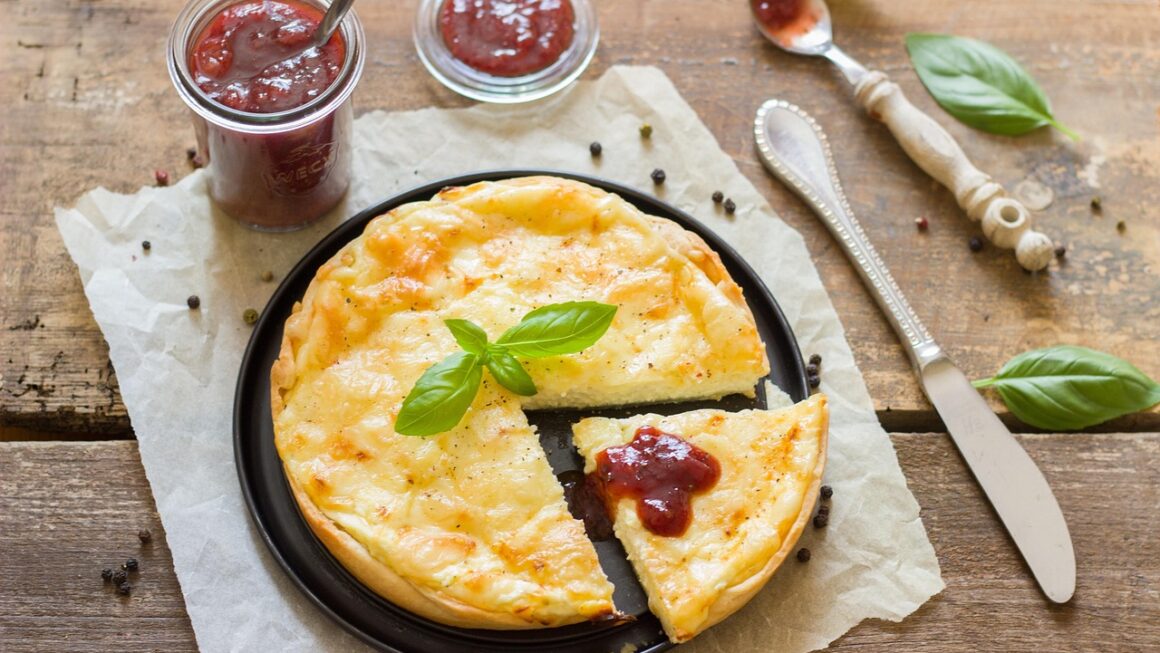
- Frittatas or Crustless Quiches: Whisk eggs with vegetables, cheese, and a little milk, then bake. Slice into portions. Excellent source of protein and easily customizable.
- Overnight Oats or Chia Pudding: Prepare a big batch with milk, oats/chia seeds, fruit, and nuts. Store in individual jars. Just grab and eat (no reheating required!).
- Baked Oatmeal Cups: Similar to a muffin, these can be pre-baked and frozen. Reheat briefly in the microwave.
Actionable Tip: For frittatas, use a non-stick pan or line with parchment paper for easy removal and portioning. Add finely chopped vegetables for smooth texture.
Tips for Successful Senior Meal Prepping
Effective meal prepping is an art that can significantly simplify meal times for seniors. Following these guidelines will ensure a smooth process and delicious outcomes.
Batch Cooking Strategies
Cooking once or twice a week saves time, energy, and resources.
- Pick a Prep Day: Designate a specific day (e.g., Sunday afternoon) for meal preparation.
- Cook in Stages: Start with items that take longer, like grains or roasted vegetables. While those cook, prepare proteins or chop ingredients for other dishes.
- Double or Triple Recipes: If a recipe calls for two servings, consider making four or six to ensure enough leftovers for multiple meals.
- Utilize Appliances: Slow cookers, instant pots, and sheet pans can streamline the cooking process, requiring less active supervision.
Actionable Tip: Plan your meals for the week in advance, considering variety and nutritional balance. A little planning goes a long way in successful batch cooking.
Portioning and Packaging
Proper portioning is key to convenience and preventing waste.
- Individual Servings: Divide meals into single-serving containers immediately after cooking and cooling. This prevents the need to handle large batches later.
- Label Clearly: Use labels with the meal name and date. This is crucial for food safety and knowing what’s in the fridge/freezer.
- Microwave-Safe Containers: Ensure containers are microwave-safe for easy reheating. BPA-free options are recommended.
- Flat Containers for Freezing: Use containers that stack well and freeze flat to maximize freezer space.
Actionable Tip: Invest in a good set of reusable, stackable, and microwave-safe containers. Glass containers with airtight lids are ideal for both storing and reheating.
Freezing and Thawing Best Practices
Freezing is an excellent way to extend the life of your easy meals for elderly, providing a ready supply of food.
- Freezer-Friendly Ingredients: Not all foods freeze well. Creamy sauces might separate, and some vegetables become mushy. Dishes like soups, stews, casseroles, and cooked grains freeze beautifully.
- Proper Thawing: Thaw frozen meals in the refrigerator overnight. For quicker thawing, use the defrost setting on a microwave or immerse sealed containers in cold water. Never thaw at room temperature.
- Prevent Freezer Burn: Ensure food is completely cool before freezing and stored in airtight containers or freezer bags with as much air removed as possible.
Actionable Tip: Flash freeze individual components like cooked chicken breasts or vegetable portions on a baking sheet before transferring them to a larger freezer bag. This prevents clumping.
Involving Seniors in the Process
Empowering seniors to participate, even minimally, can increase their engagement and enjoyment of meals.
- Recipe Selection: Allow seniors to choose favorite meals or suggest new ones they’d like to try.
- Simple Tasks: Even if they can’t do heavy cooking, they might enjoy washing vegetables, stirring, or setting the table.
- Adapt Recipes: Adjust recipes to suit their taste preferences or dietary needs (e.g., lower sodium, less sugar).
- Meal Assembly: If preparing components, they might enjoy assembling their own plates from pre-cooked options.
Actionable Tip: View meal prep as an opportunity for connection and shared activity, rather than just a chore. Even light involvement can boost mood and appetite.
Beyond Homemade – Other Convenient Options
While homemade easy reheat meals for elderly are wonderful, there are other excellent resources available that provide convenient and nutritious food options, offering support for busy caregivers or seniors who prefer less cooking.
Specialized Senior Meal Delivery Services
A growing number of services cater specifically to the nutritional needs and preferences of older adults.
- Tailored Menus: Many services offer options for specific dietary needs, such as diabetic-friendly, low-sodium, heart-healthy, or pureed meals.
- Convenience Delivered: Meals are typically delivered ready-to-heat, either fresh or frozen, straight to the door.
- Variety and Quality: These services often provide a wide range of meals, ensuring variety and professional culinary standards.
- Examples: Services like Meals on Wheels (community-based, often subsidized), and commercial services such as Mom’s Meals, Magic Kitchen, or Silver Cuisine.
Actionable Tip: Research local and national meal delivery services, comparing menus, pricing, and dietary accommodation options. Read reviews to find the best fit.
Grocery Store Prepared Meals and Smart Choices
Supermarkets offer an increasingly sophisticated array of ready-to-eat and heat-and-eat options that can supplement homemade meals.
- Deli Section Finds: Look for pre-cooked rotisserie chickens, prepared salads (e.g., coleslaw, potato salad), and individual portions of soups or stews.
- Frozen Aisle Gems: Many frozen dinners have improved in quality and nutritional value. Look for options with balanced ingredients, lower sodium, and no artificial additives. Frozen vegetables are also excellent for quick additions to any meal.
- Pre-Chopped Vegetables/Fruits: Save time on prep with pre-cut produce, which can be quickly steamed, roasted, or added to dishes.
Actionable Tip: When choosing grocery store options, always check the nutrition labels. Prioritize items low in sodium, unhealthy fats, and added sugars, while being rich in protein and fiber.
Community Support Programs and Resources
Local communities often have resources designed to help seniors access nutritious food.
- Senior Centers: Many senior centers offer communal meals, often at a reduced cost, providing both nutrition and social interaction.
- Local Food Banks: Some food banks have programs specifically tailored for seniors, offering supplemental groceries.
- Volunteer Programs: Check for local volunteer organizations that might offer meal preparation or delivery assistance.
Actionable Tip: Contact your local Area Agency on Aging or senior services department to inquire about available food programs and support in your community.
Conclusion
Ensuring that elderly individuals receive consistent, nutritious meals doesn’t have to be a daily struggle. By embracing the strategy of preparing easy meals for elderly to reheat, we can significantly enhance their quality of life, promote independence, and reduce the stress associated with meal preparation. From delicious homemade soups and casseroles to leveraging convenient meal delivery services and community resources, the options are abundant. Prioritizing nutritional balance, appropriate textures, and safe food handling practices will empower seniors to enjoy wholesome, satisfying meals with ease. Taking these steps not only nourishes their bodies but also contributes to their overall well-being, allowing them to thrive and maintain a fulfilling, independent lifestyle.