In a world increasingly focused on health and sustainability, the fusion of a plant-based diet with a low-carbohydrate approach has emerged as a powerful pathway to wellness. Far from being restrictive, adopting vegan low carb meals opens up a vibrant world of delicious, nutrient-dense foods that can support weight management, stabilize blood sugar, boost energy, and contribute to a healthier planet. If you’ve been curious about harnessing the benefits of both worlds, read on to discover how to thrive on a plant-powered, carb-conscious journey.
The Power Duo: Why Embrace Vegan Low Carb?
Combining the principles of veganism (excluding all animal products) with a low-carbohydrate diet (reducing sugar and starch intake) might sound challenging at first, but it offers a unique synergy of health benefits. This approach emphasizes whole, unprocessed foods, focusing on healthy fats, abundant non-starchy vegetables, and diverse plant-based proteins.
Synergistic Health Benefits
When you choose vegan low carb meals, you’re tapping into a wealth of advantages:
- Weight Management: By reducing refined carbohydrates and sugars, and increasing healthy fats and fiber, this diet promotes satiety, reduces cravings, and can lead to sustainable weight loss. Studies consistently link lower-carb diets with effective weight management.
- Improved Blood Sugar Control: Eliminating high-carb foods minimizes spikes in blood glucose and insulin, making it highly beneficial for individuals managing type 2 diabetes or insulin resistance.
- Enhanced Energy & Mental Clarity: Shifting your body to burn fats for fuel (ketosis, if carbs are low enough) can provide a steady and sustained energy supply, reducing energy crashes and improving cognitive function. Many report improved focus and reduced “brain fog.”
- Reduced Inflammation: Both vegan and low-carb diets are known for their anti-inflammatory properties, thanks to a high intake of antioxidants, fiber, and healthy fats, and the reduction of inflammatory triggers found in processed foods.
- Gut Health Support: A rich array of plant fibers from non-starchy vegetables and seeds can nourish beneficial gut bacteria, supporting digestive health and overall well-being.
Sustainability Meets Wellness
Beyond personal health, opting for plant-based low carb meals contributes positively to global well-being:
- Ethical Choices: A vegan diet aligns with ethical concerns for animal welfare, avoiding products that involve animal exploitation.
- Environmental Impact: Plant-based diets generally have a significantly lower environmental footprint, requiring less land, water, and producing fewer greenhouse gas emissions compared to diets rich in animal products.
Actionable Takeaway: Consider the holistic benefits – both for your body and the planet – as powerful motivators to explore this dietary path. Start by identifying one health goal you’d like to achieve with this diet.
Decoding Vegan Low Carb: What to Eat (and Avoid)
Understanding the core components of a vegan low carb diet is key to successful meal planning. It’s about selecting nutrient-dense foods that keep carbohydrate counts low while providing ample protein, healthy fats, and essential vitamins and minerals.
Approved Vegan Low Carb Foods
Focus on these delicious and versatile plant-based options:
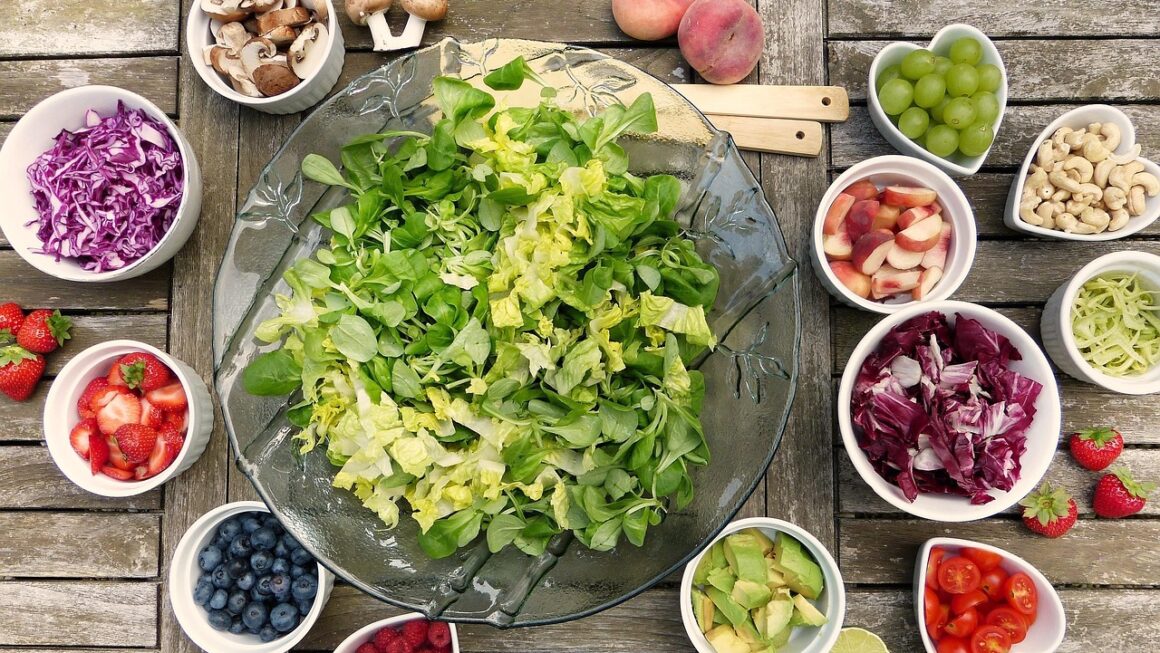
- Non-Starchy Vegetables: The backbone of any good plant-based low carb recipe. Think leafy greens (spinach, kale, romaine), broccoli, cauliflower, Brussels sprouts, asparagus, bell peppers, zucchini, mushrooms, eggplant, and green beans. These are packed with fiber and micronutrients.
- Plant-Based Proteins: Critical for satiety and muscle maintenance. Excellent choices include tofu, tempeh, seitan (if gluten-tolerant), edamame, certain high-protein nuts (almonds, walnuts), seeds (hemp, chia, flax), and protein powders made from pea or rice.
- Healthy Fats: Essential for energy, hormone production, and nutrient absorption. Avocados, avocado oil, olive oil, coconut oil, nuts (macadamias, pecans, walnuts, almonds), and seeds are your friends.
- Nuts and Seeds: A great source of healthy fats, protein, and fiber. Chia seeds, flax seeds, hemp seeds, almonds, walnuts, pecans, and macadamia nuts are excellent choices. Be mindful of portion sizes due to calorie density.
- Low-Carb Fruits: While most fruits are high in sugar, some can be enjoyed in moderation. Berries (strawberries, blueberries, raspberries, blackberries) are your best bet due to their high antioxidant content and lower net carbs.
- Herbs and Spices: Use liberally to add flavor without adding carbs.
Foods to Limit or Avoid
To keep your carbohydrate intake low, it’s generally recommended to reduce or avoid:
- Grains and Legumes (in high amounts): Rice, oats, quinoa, bread, pasta, beans, lentils. While some low-carb vegan diets might include small portions of legumes, they are generally high in carbs.
- Starchy Vegetables: Potatoes, sweet potatoes, corn, peas, and parsnips.
- Sugary Foods and Drinks: Sodas, fruit juices, most desserts, candies.
- Most Fruits: Bananas, mangoes, grapes, apples, oranges, etc., due to their high natural sugar content.
- Processed Vegan Foods: Many vegan convenience foods (e.g., some meat substitutes, packaged snacks) can be surprisingly high in carbs and unhealthy additives. Always check labels.
Actionable Takeaway: Print out a list of approved and restricted foods. Focus on incorporating at least one healthy fat, one protein source, and plenty of non-starchy vegetables into every meal.
Essential Vegan Low Carb Staples for Your Pantry
A well-stocked pantry is your secret weapon for consistently creating delicious low carb vegan meals. Having these staples on hand minimizes decision fatigue and ensures you’re always ready to whip up a nutritious dish.
Build Your Foundation
Here’s a practical list of items to keep in your kitchen:
- Healthy Fats:
- Oils: Extra virgin olive oil, avocado oil, coconut oil (for cooking).
- Nut Butters: Almond butter, peanut butter (check for no added sugar).
- Avocados: Always good to have a few on hand.
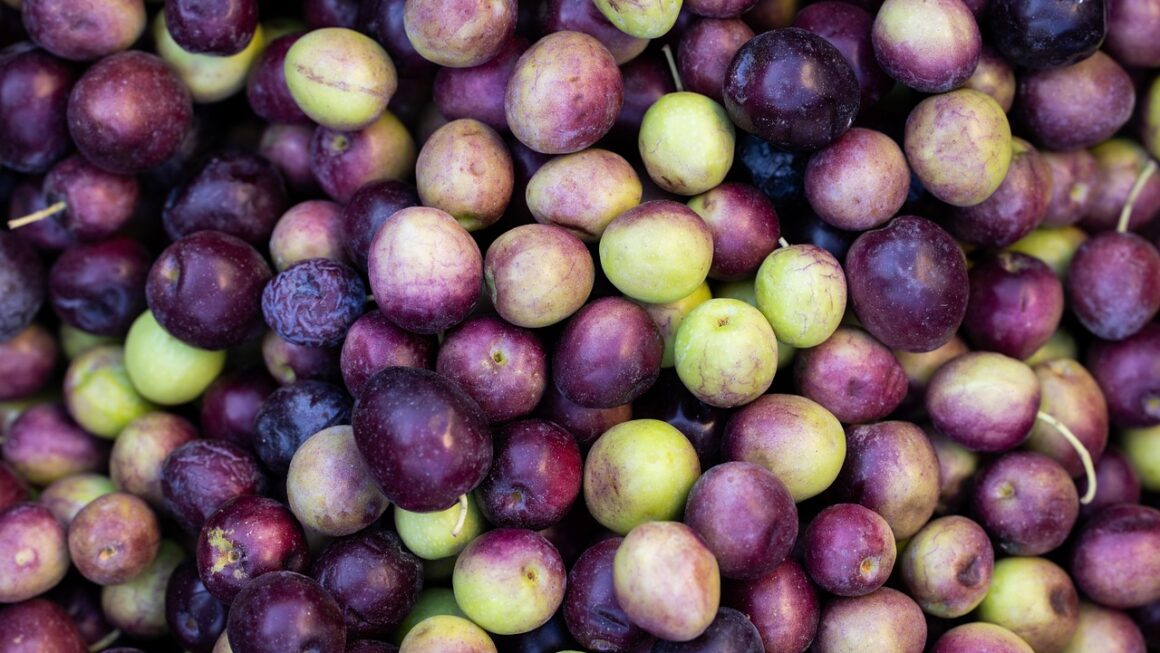
- Olives: Great for snacks or adding to salads.
- Protein Powerhouses:
- Tofu & Tempeh: Firm or extra-firm tofu, plain tempeh for versatile cooking.
- Nutritional Yeast: A cheesy flavor enhancer, rich in B vitamins.
- Vegan Protein Powder: Unflavored pea or rice protein for shakes or baking.
- Nuts & Seeds: Almonds, walnuts, pecans, chia seeds, flax seeds, hemp seeds.
- Versatile Vegetables:
- Leafy Greens: Spinach, kale, mixed greens (fresh and frozen).
- Cruciferous Veggies: Broccoli, cauliflower, Brussels sprouts (fresh and frozen).
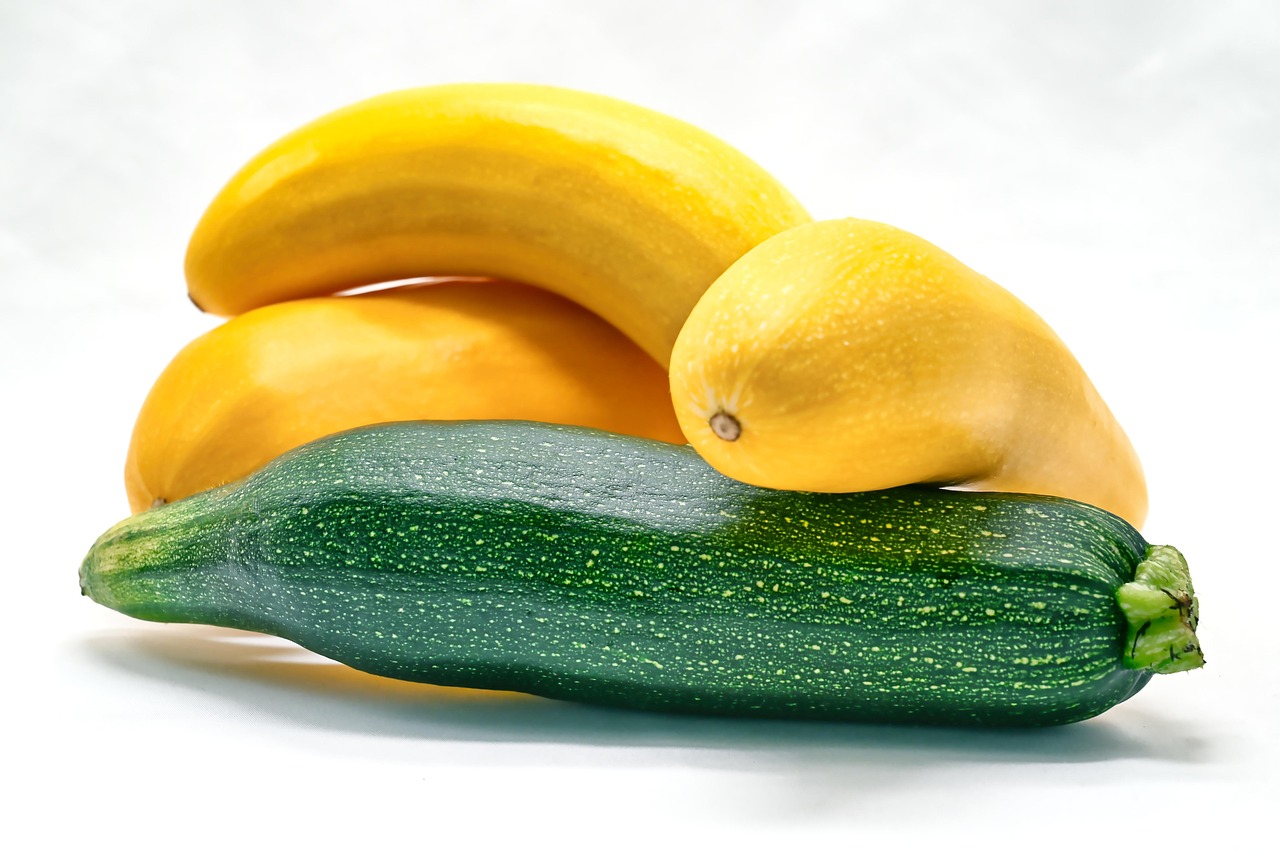
- Other Non-Starchy Veggies: Zucchini, bell peppers, asparagus, mushrooms.
- Canned Goods: Artichoke hearts, palm hearts (in water, not oil), diced tomatoes (in moderation for some).
- Flavor Enhancers:
- Vinegars: Apple cider vinegar, red wine vinegar, balsamic (use sparingly).
- Spices & Herbs: A diverse collection of dried herbs and spices.
- Mustards: Dijon, yellow (check for no added sugar).
- Hot Sauce & Tamari/Soy Sauce: For an umami kick (opt for tamari if gluten-free).
- Low-Carb Sweeteners (optional): Erythritol, stevia, monk fruit for occasional treats.
Actionable Takeaway: Do a pantry audit and stock up on these staples during your next grocery run. Having them ready makes sticking to your goals much easier.
Delicious & Easy Vegan Low Carb Meal Ideas
One of the biggest misconceptions about vegan low carb meals is that they are bland or difficult to prepare. In reality, with a little creativity, you can enjoy a wide array of flavorful and satisfying dishes. Here are some practical examples for every meal of the day.
Breakfast
- Tofu Scramble with Sautéed Greens: Crumble extra-firm tofu and sauté with nutritional yeast, turmeric (for color), black salt (for eggy flavor), garlic powder, and your favorite non-starchy veggies like spinach, mushrooms, and bell peppers. Serve with half an avocado.
- Chia Seed Pudding with Berries & Nuts: Combine 3 tablespoons chia seeds with 1 cup unsweetened almond milk, a dash of vanilla extract, and a low-carb sweetener (if desired). Refrigerate overnight. Top with a handful of mixed berries (strawberries, raspberries) and chopped almonds or pecans.
Lunch
- Big Salad with Tempeh or Tofu: Create a hearty salad base with mixed greens, kale, cucumber, bell peppers, radishes, and olives. Top with pan-fried or baked seasoned tempeh/tofu cubes, a generous sprinkle of hemp seeds, and a creamy tahini-lemon dressing or an olive oil vinaigrette.
- Lettuce Wraps with Mushroom & Walnut “Meat”: Sauté finely chopped mushrooms and walnuts with tamari, smoked paprika, garlic, and onion powder until crumbly and flavorful. Serve this mixture in large lettuce cups (butter lettuce or romaine) with diced avocado and a squeeze of lime.
Dinner
- Cauliflower Rice Stir-Fry: Make “rice” by pulsing cauliflower florets in a food processor. Sauté with a mix of broccoli, snap peas (in moderation), bell peppers, and mushrooms. Add cubed tofu or tempeh, and a low-carb stir-fry sauce made from tamari, ginger, garlic, and sesame oil.
- Zucchini Noodles with Pesto & Sundried Tomatoes: Spiralize zucchini into noodles. Lightly sauté them or enjoy raw. Toss with a homemade vegan pesto (made with basil, pine nuts or walnuts, nutritional yeast, olive oil, garlic, and lemon juice) and finely chopped sun-dried tomatoes (oil-packed, drained) and fresh basil. Add some hemp seeds for extra protein.
Snacks
- Celery Sticks with Almond Butter: A classic for a reason – crunchy, satisfying, and full of healthy fats and fiber. Ensure your almond butter has no added sugar.
- Guacamole with Cucumber Slices or Bell Pepper Strips: Fresh, flavorful, and packed with healthy fats.
- Handful of Mixed Nuts & Seeds: A quick and easy way to get healthy fats and protein.
Actionable Takeaway: Try one new meal idea this week. Experiment with different seasonings and cooking methods to find your favorite vegan keto recipes that fit your low-carb goals.
Overcoming Challenges & Maximizing Success
Embarking on a vegan low carb diet journey can be incredibly rewarding, but like any dietary change, it comes with its unique set of challenges. Being prepared and proactive can ensure long-term success and optimal health.
Ensure Adequate Nutrient Intake
When cutting out entire food groups, it’s crucial to be mindful of potential nutrient deficiencies. Focus on these key areas:
- Iron: Incorporate iron-rich plant foods like spinach, kale, fortified plant milks, and pumpkin seeds. Pair them with vitamin C sources (bell peppers, berries) to enhance absorption.
- Vitamin B12: This vitamin is not naturally found in most plant foods. Supplementation is highly recommended for all vegans, regardless of carb intake.
- Calcium: Opt for calcium-set tofu, fortified plant milks, dark leafy greens, and sesame seeds (tahini).
- Omega-3 Fatty Acids: Ensure a good intake of ALA (alpha-linolenic acid) from flax seeds, chia seeds, hemp seeds, and walnuts. You might also consider an algal oil supplement for EPA/DHA.
Meal Planning & Preparation
Success on a plant-based low carb diet often hinges on good planning:
- Batch Cooking: Dedicate time once or twice a week to chop vegetables, cook a batch of tofu or tempeh, and prepare dressings or sauces. This makes assembling meals during busy weekdays a breeze.
- Reading Labels: Always check the nutrition labels on packaged foods, especially for hidden sugars and starches in seemingly healthy vegan products.
- Track Your Macros (Initially): For the first few weeks, consider using a food tracking app to get a sense of your carbohydrate, protein, and fat intake. This helps you learn appropriate portion sizes and food combinations. Aim for typically <50g net carbs per day for a standard low-carb approach, or <20g for a strict vegan keto approach.
Stay Hydrated and Mindful
- Water Intake: Drink plenty of water throughout the day. When reducing carbohydrates, your body releases more water, so staying hydrated is even more important.
- Electrolytes: Replenish electrolytes, especially during the initial transition. Adding a pinch of Himalayan salt to water, consuming electrolyte-rich vegetables, or using a sugar-free electrolyte supplement can be beneficial.
- Listen to Your Body: Pay attention to how different foods make you feel. Adjust your intake based on your energy levels, digestion, and overall well-being.
Actionable Takeaway: Invest in a good B12 supplement and spend an hour this weekend planning your vegan low carb meals for the upcoming week. Pre-chopping veggies can save significant time!
Conclusion
Embracing vegan low carb meals is a powerful, nutrient-dense strategy for anyone looking to optimize their health, manage weight, and support a more sustainable lifestyle. By focusing on whole, unprocessed plant foods, healthy fats, and diverse protein sources, you can unlock a world of culinary creativity and profound well-being. This journey is not about restriction but about abundance – discovering delicious flavors, feeling more energetic, and nourishing your body from the inside out. With careful planning, smart pantry stocking, and a willingness to explore new recipes, you’ll find that thriving on a plant-powered, carb-conscious diet is not just achievable, but incredibly rewarding.