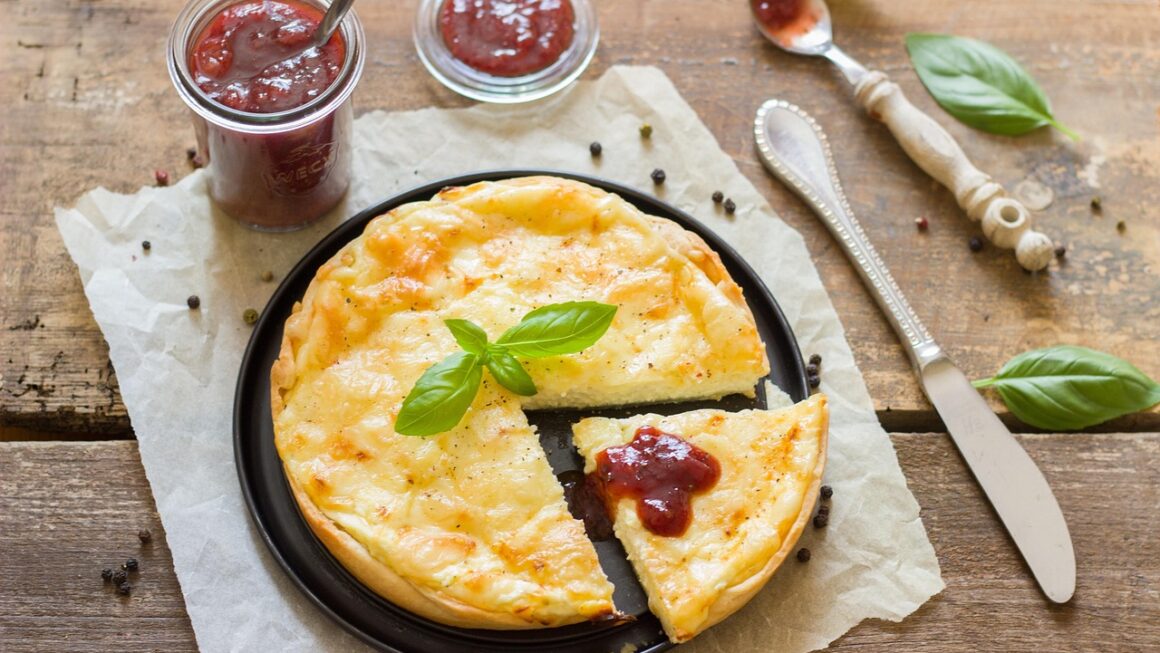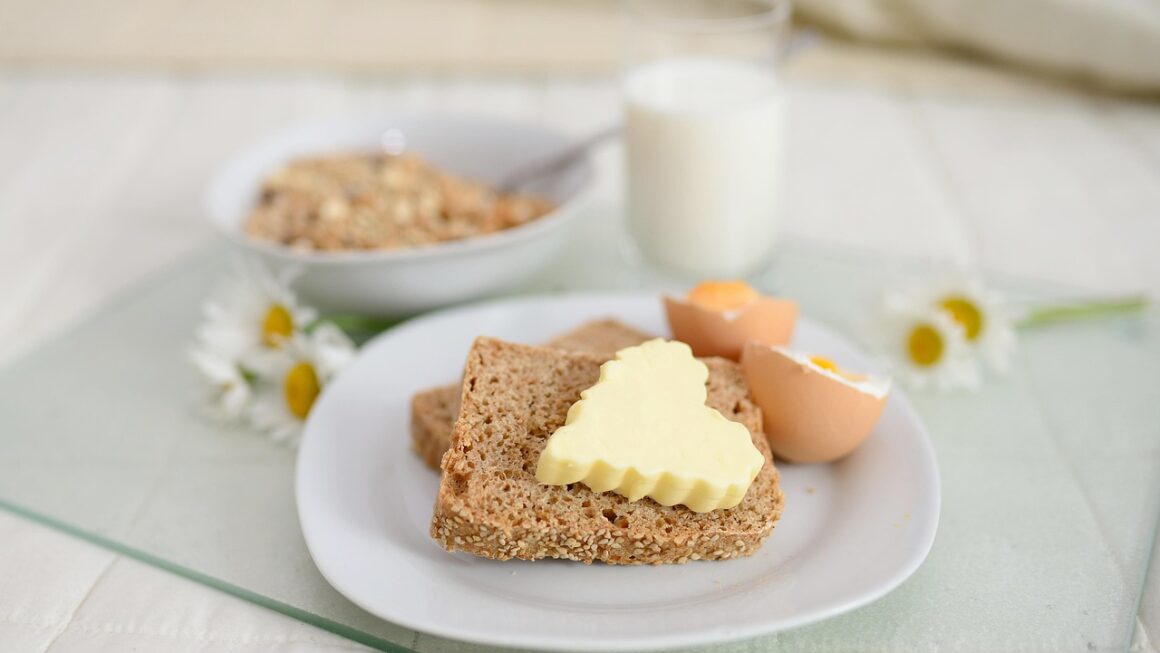

Are you tired of cooking large batches that lead to endless leftovers, or worse, resorting to takeout because cooking for one feels like too much effort? You’re not alone! Many people struggle with finding the motivation and the right recipes to prepare delicious, healthy, and easy meals just for themselves. The good news is that cooking for one can be an incredibly rewarding experience, offering freedom to experiment, eat exactly what you crave, and minimize food waste. This detailed guide is designed to empower you with simple, flavorful, and efficient single-serving meal ideas that will transform your solo dining experience from a chore into a culinary delight.
Why Cooking for One Doesn’t Have to Be a Chore
The perception that cooking for a single person is either wasteful or overly complicated is a common misconception. In reality, it offers a unique opportunity to tailor meals precisely to your preferences and schedule.
Dispelling Solo Cooking Myths
- Myth: It’s too much effort for one portion.
Reality: With smart planning and the right recipes, single-serving meals can be quicker and simpler than cooking for a crowd, often involving fewer dishes.
- Myth: You’ll always have leftovers or waste food.
Reality: Learning portion control and utilizing small-batch recipes specifically designed for one eliminates this problem. Any intentional leftovers can be cleverly repurposed.
- Myth: It’s boring and repetitive.
Reality: Cooking for one allows you to be adventurous! You’re free to try new ingredients and cuisines without worrying about others’ preferences, leading to a more diverse diet.
The Advantages of Single-Serving Meals
Embracing the art of cooking for yourself comes with a host of benefits:
- Reduced Food Waste: Buying only what you need and cooking appropriate portions means less food ending up in the bin, saving you money and helping the environment.
- Better Portion Control: It’s easier to manage your intake and maintain a healthy diet when you’re preparing just one serving.
- Cost-Effective: Fewer ingredients mean smaller grocery bills. You can also afford to splurge on a higher-quality ingredient when you only need a small amount.
- Culinary Freedom: Experiment with exotic spices, try that recipe you saw online, or simply perfect your favorite dish without compromise.
- Time Efficiency: Many easy recipes for one person are designed to be quick, perfect for busy weeknights or when you want a delicious meal without spending hours in the kitchen.
Your Solo Kitchen Toolkit: Essentials for Effortless Cooking
Equipping your kitchen with the right tools and stocking your pantry strategically can make all the difference in simplifying your one-person meals.
Key Kitchen Gadgets for One
You don’t need a sprawling kitchen or a professional chef’s arsenal. A few key items can significantly streamline your solo cooking.
- Small Non-Stick Skillet (6-8 inches): Perfect for eggs, sautéing a single chicken breast, or frying a quick stir-fry.
- Small Saucepan (1-quart): Ideal for cooking a single serving of pasta, rice, or heating soup.
- Baking Sheet (Quarter or Half Sheet): Essential for one-pan meals for one, roasting vegetables, or baking small portions.
- Microwave-Safe Mug/Bowl: For quick mug cakes, scrambled eggs, or heating up small portions.
- Sharp Knife & Cutting Board: Good prep is fundamental, even for small meals.
- Food Storage Containers: Small, airtight containers are crucial for storing prepped ingredients or intentional leftovers.
Smart Pantry & Fridge Staples
A well-stocked pantry and fridge are your best friends for whipping up quick solo dinners without constant grocery trips.
- Proteins:
- Canned (tuna, chicken, beans, lentils)
- Eggs (versatile and quick)
- Frozen (shrimp, chicken breast, ground meat in small portions)
- Grains & Starches:
- Instant rice or quick-cook grains (quinoa, couscous)
- Small pasta shapes (orzo, macaroni)
- Whole grain bread or wraps
- Potatoes (sweet potatoes, regular)
- Vegetables & Fruits:
- Hardy fresh vegetables (onions, garlic, carrots, bell peppers, broccoli florets)
- Salad greens (buy smaller packages)
- Frozen vegetables (peas, corn, mixed veggies – great for small additions)
- Fruits for snacks or adding to meals.
- Dairy & Alternatives:
- Milk (or non-dairy alternative)
- Yogurt
- Cheese (shredded or blocks for grating)
- Flavor Boosters:
- Spices & herbs (dried are long-lasting)
- Oils (olive, vegetable) & Vinegars (balsamic, apple cider)
- Condiments (mustard, soy sauce, hot sauce)
- Broth (bouillon cubes or small cartons)
Speedy & Scrumptious Solo Dinners: Recipes You’ll Love
Gone are the days of boring, repetitive meals. Here are some categories of easy individual meals that are big on flavor and low on fuss.
One-Pan Wonders: Sheet Pan & Skillet Meals
These methods are perfect for minimal cleanup and maximum flavor, ideal for easy weeknight dinners for one.
- Sheet Pan Lemon Herb Chicken & Veggies:
Toss a chicken thigh or small breast with chopped broccoli, bell peppers, and cherry tomatoes. Drizzle with olive oil, lemon juice, garlic powder, and dried herbs (like oregano and thyme). Roast at 400°F (200°C) for 20-25 minutes until chicken is cooked through and veggies are tender-crisp. Serve directly from the pan for easy cleanup!
- Skillet Sausage & Peppers:
Slice one Italian sausage (chicken or pork) and half a bell pepper, and a quarter of an onion. Sauté in a small non-stick skillet with a touch of olive oil until sausage is browned and veggies are tender. Add a spoonful of marinara sauce and simmer briefly. Serve in a whole-wheat bun or over a small portion of rice.
Microwave Magic: Mug & Bowl Recipes
For ultimate convenience, sometimes the microwave is your best friend. These recipes are incredibly fast and require minimal dishwashing.
- Microwave Mug Mac & Cheese:
Combine ½ cup elbow macaroni, ½ cup water, and a pinch of salt in a large microwave-safe mug. Microwave on high for 2-3 minutes, stir, then repeat until pasta is al dente (add a splash more water if needed). Stir in ¼ cup milk, ¼ cup shredded cheddar cheese, and a tiny bit of butter until melted and creamy. Season with pepper.
- Speedy Scrambled Eggs with Spinach:
Whisk 2 eggs with a splash of milk, salt, and pepper in a microwave-safe bowl. Add a handful of fresh spinach. Microwave on high for 30-60 seconds, stir, then microwave for another 30-60 seconds until cooked through. Serve with a slice of toast.
Quick Salads & Sandwiches (Gourmet Style)
Elevate simple salads and sandwiches into satisfying meals with thoughtful additions.
- Mediterranean Chickpea Salad:
Drain and rinse ½ can of chickpeas. Mix with diced cucumber, cherry tomatoes (halved), a few Kalamata olives, and crumbled feta cheese. Dress with a simple vinaigrette (olive oil, red wine vinegar, dried oregano). Serve in a pita or over a bed of mixed greens.
- Open-Faced Avocado Toast with Egg:
Toast a slice of whole-grain bread. Mash half an avocado onto it, season with salt, pepper, and red pepper flakes. Top with a fried or poached egg. Add a sprinkle of everything bagel seasoning for extra flavor.
Mastering Meal Prep & Smart Storage for Solo Eaters
Even when cooking for one, a little planning can go a long way in ensuring you always have healthy recipes for one readily available and minimize waste.
Efficient Meal Prep for Individuals
Meal prep for one doesn’t mean cooking for days. It’s about smart ingredient preparation and cooking versatile components.
- Cook Grains in Batches: Prepare a cup of quinoa or brown rice at the start of the week. Store in the fridge and use it as a base for different meals (bowls, salads, side dishes).
- Pre-Chop Veggies: Spend 15 minutes dicing onions, peppers, carrots, or slicing greens. Store them in airtight containers for quick additions to stir-fries, omelets, or roasted dishes.
- Roast a Small Batch of Protein: Roast one chicken breast or a piece of salmon that can be used for dinner and then repurposed for a salad or sandwich the next day.
Clever Storage Solutions & Leftover Transformations
Don’t let leftovers become forgotten fridge inhabitants. Learn to store smartly and reinvent creatively.
- Right-Sized Containers: Invest in small glass or BPA-free plastic containers (1-2 cup capacity) for individual portions.
- Label and Date: Always label containers with contents and the date to keep track of freshness.
- Reinventing Leftovers:
- Leftover Roasted Veggies: Add to a frittata, an omelet, or blend into a quick soup.
- Cooked Chicken/Fish: Shred for tacos, mix into a quick pasta dish, or make a chicken/fish salad sandwich.
- Grains: Turn into a fried rice with an egg and some frozen peas, or a grain bowl with fresh veggies and a dressing.
Budget-Friendly & Healthy Habits for Solo Dining
Eating well for one doesn’t have to break the bank or compromise on nutrition. Smart choices and planning can lead to delicious and economical simple one-person recipes.
Eating Well on a Budget
Solo cooking can be incredibly cost-effective if you know how to shop and cook smartly.
- Buy in Bulk (Selectively): Items like dry beans, rice, and oats are cheaper in bulk but ensure you can use them before they expire. Spices are also cost-effective when bought in larger quantities.
- Embrace Frozen Produce: Frozen fruits and vegetables are often cheaper than fresh, just as nutritious, and prevent spoilage as you can use only what you need.
- Opt for Affordable Proteins: Eggs, canned beans, lentils, and chicken thighs are generally more budget-friendly than other protein sources.
- Plan Your Meals: Before heading to the store, have a few easy solo dinner ideas in mind to avoid impulse buys and ensure you only purchase necessary ingredients.
- Cook from Scratch: Making sauces, dressings, and simple meals at home is almost always cheaper and healthier than buying pre-made versions.
Nutritional Balance in Single Servings
Ensuring your individual meals are nutritionally balanced is just as important when cooking for one.
- The “Plate Method”: Aim for half your plate to be vegetables (non-starchy), a quarter lean protein, and a quarter whole grains or starchy vegetables. This is easy to visualize and portion for one.
- Don’t Forget Healthy Fats: Include sources like avocado, nuts, seeds, and olive oil in moderation for satiety and essential nutrients.
- Hydration: Complement your meals with plenty of water.
- Variety is Key: Rotate your proteins, grains, and vegetables to ensure a broad spectrum of vitamins and minerals. For instance, if you had chicken last night, try fish or beans tonight.
Conclusion
Cooking for one doesn’t have to be a culinary challenge or a monotonous routine. By embracing simple strategies, stocking your kitchen wisely, and exploring a diverse range of easy recipes for one person, you can enjoy delicious, healthy, and budget-friendly meals every day. From quick one-pan dinners to clever meal prep techniques, the world of solo cooking is full of exciting possibilities. Take control of your kitchen, minimize food waste, and savor the freedom of creating meals that are perfectly tailored just for you. Happy cooking!