In a world increasingly seeking holistic health and wellness, the alkaline vegan diet has emerged as a powerful pathway to vibrant living. Far from being just another fleeting trend, this plant-based approach focuses on consuming foods that help balance the body’s pH levels, fostering an environment where optimal health can thrive. Imagine fueling your body with nutrient-dense, life-affirming ingredients that not only taste incredible but also contribute to enhanced energy, improved digestion, and a strengthened immune system. If you’re curious about how delicious, vibrant meals can become your secret weapon for better health, prepare to dive into the refreshing world of alkaline vegan eating.
Understanding the Alkaline Vegan Philosophy
The concept of an alkaline diet revolves around the idea that the foods we consume can influence the body’s pH balance. While the body maintains a tightly regulated pH, dietary choices can either support or challenge this delicate equilibrium. An alkaline vegan diet champions foods believed to promote a more alkaline state within the body, aiming for optimal cellular function and overall well-being.
What is pH and Why Does it Matter?
The term “pH” stands for “potential of hydrogen” and refers to the acid-base balance of a solution. The pH scale ranges from 0 (most acidic) to 14 (most alkaline or basic), with 7 being neutral. Our blood typically maintains a slightly alkaline pH between 7.35 and 7.45. While the body has robust buffering systems to keep this balance, consuming a diet predominantly rich in highly acidic foods can place an additional burden on these systems, potentially leading to a state of chronic low-grade acidosis that some experts believe can contribute to various health issues over time.
- Acidic Foods: Many processed foods, refined sugars, dairy, red meat, and coffee are considered acid-forming.
- Alkaline Foods: Most fruits, vegetables, certain nuts, and seeds are considered alkaline-forming.
- The Goal: Not to make the body “super alkaline” but to support its natural balance and reduce the stress on its regulatory systems.
The Core Principles of Alkaline Veganism
Alkaline veganism combines the principles of a plant-based diet with a focus on alkaline-forming foods. This means eliminating all animal products and processed foods, while prioritizing fresh, whole, and natural ingredients. It’s about nourishing your body with high-vibrational foods that are easy to digest and rich in vital nutrients.
- Plant-Based Focus: Excludes all meat, dairy, eggs, and seafood.
- Alkaline Food Emphasis: Prioritizes fruits, vegetables, natural herbs, and specific grains like quinoa.
- Hydration: Stresses the importance of adequate water intake, often purified or “alkaline” water.
- Minimally Processed: Avoids refined sugars, artificial additives, and highly processed packaged goods.
- Whole Foods: Emphasizes eating foods in their most natural, unprocessed state.
Dispelling Myths: Is Extreme Alkalinity Good?
It’s important to clarify that the goal of an alkaline vegan diet is not to drastically alter blood pH, which is tightly regulated by physiological mechanisms. Instead, the focus is on reducing the “acid load” on the body, thereby supporting these natural regulatory systems and reducing inflammation. Overly extreme attempts to alkalinize the body can be dangerous and are not the aim of this healthy eating philosophy. The benefits come from the nutrient density, high fiber content, and anti-inflammatory properties of the whole plant foods, not from a radical shift in blood pH.
Actionable Takeaway: Understand that the alkaline vegan diet supports your body’s natural balance by providing nutrient-rich, low-acid-forming foods, rather than attempting to artificially manipulate your pH levels.
Key Alkaline Vegan Foods and Their Benefits
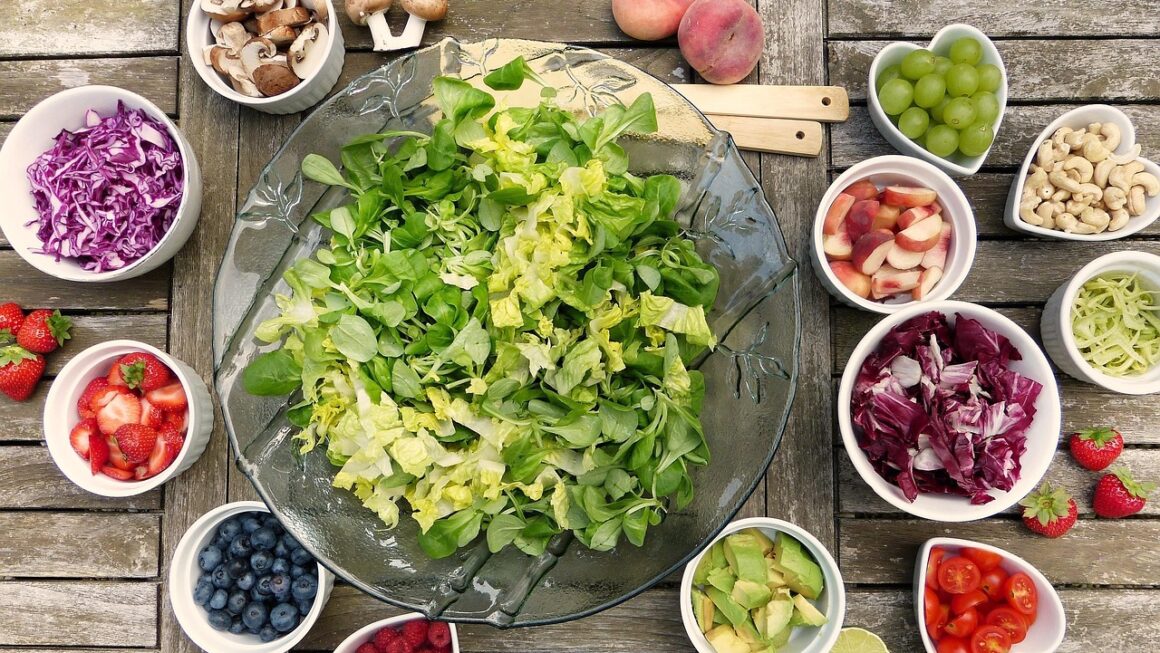
Embracing an alkaline vegan diet means filling your plate with a colorful array of fresh fruits, vegetables, and select plant-based staples. These foods are not only alkaline-forming but also packed with essential vitamins, minerals, antioxidants, and fiber, contributing to a myriad of health benefits.
Powerhouse Alkaline Vegetables
Vegetables are the cornerstone of any alkaline vegan diet, offering a wealth of nutrients with minimal caloric density.
- Leafy Greens: Spinach, kale, collard greens, romaine lettuce are rich in chlorophyll, vitamins K, A, C, and essential minerals like magnesium. They are powerful detoxifiers and anti-inflammatory agents.
- Cucumbers: High in water content, they are incredibly hydrating and help flush toxins. Rich in vitamins K and C, and potassium.
- Celery: Another highly hydrating vegetable, celery is known for its anti-inflammatory properties and its ability to support kidney function.
- Bell Peppers: Especially red, yellow, and orange varieties, are loaded with vitamin C and various antioxidants, supporting immune health and skin vitality.
- Broccoli & Asparagus: Excellent sources of fiber, vitamins C and K, and various B vitamins, supporting digestion and bone health.
Nutrient-Rich Alkaline Fruits
While some fruits might taste acidic, many are metabolically alkaline-forming. They are packed with antioxidants, vitamins, and natural sugars for energy.
- Limes & Lemons: Though acidic outside the body, they have an alkalizing effect once metabolized. They aid digestion and detoxification.
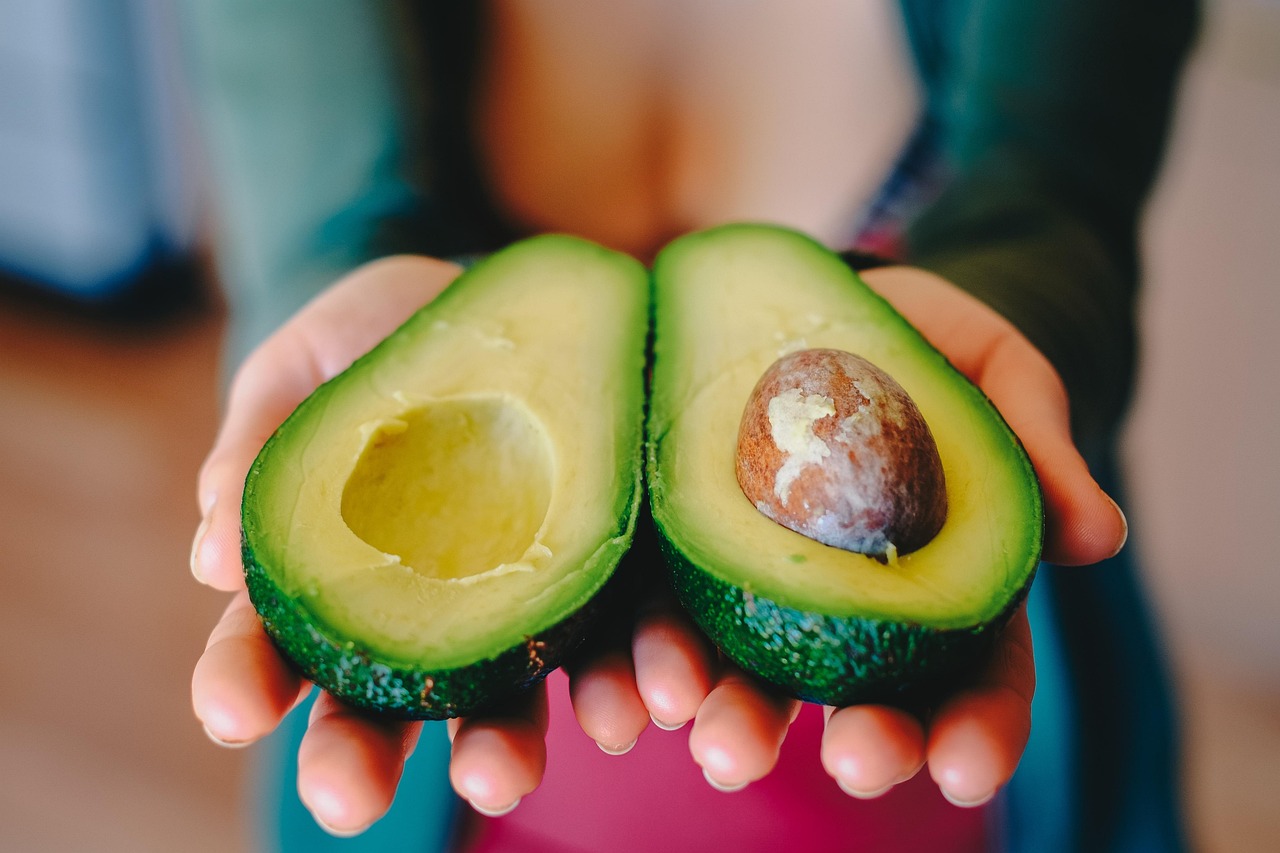
- Avocados: A healthy fat powerhouse, rich in monounsaturated fats, potassium, and vitamins K, C, B6, and E. Great for satiety and skin health.
- Berries: Blueberries, raspberries, and blackberries are bursting with antioxidants, which fight free radicals and reduce inflammation.
- Watermelon: Exceptionally hydrating due to its high water content, it’s also a good source of vitamins A and C, and lycopene.
- Bananas: While often debated, ripe bananas are generally considered mildly alkaline-forming and are excellent for potassium and quick energy.
Grains, Legumes, and Nuts for an Alkaline Diet
Not all plant-based staples are created equal when it comes to alkalinity, so choosing wisely is key.
- Quinoa: One of the few complete protein plant sources, quinoa is a relatively alkaline grain, rich in fiber, iron, and magnesium.
- Lentils: A fantastic source of plant protein and fiber, lentils are considered mildly acid-forming but their overall nutritional benefits make them a valuable part of a balanced alkaline vegan diet.
- Almonds: A great source of healthy fats, protein, and magnesium, almonds are one of the most alkaline nuts.
- Sesame Seeds & Chia Seeds: These tiny powerhouses are rich in calcium, healthy fats (omega-3s), and fiber, and are generally alkaline-forming.
Hydration: The Foundation of Alkalinity
Water is essential for all bodily functions and plays a crucial role in maintaining pH balance. Prioritizing quality hydration is fundamental.
- Purified Water: Aim for at least 8-10 glasses daily.
- Alkaline Water: Some prefer filtered water with added minerals or a higher pH, though regular purified water is excellent.
- Herbal Teas: Chamomile, ginger, peppermint, and green tea are good options, often containing beneficial antioxidants.
- Lemon Water: Start your day with warm water and fresh lemon juice for a gentle detox and alkalizing boost.
Actionable Takeaway: Stock your pantry and fridge with an abundance of leafy greens, vibrant fruits, hydrating vegetables, and select alkaline-friendly seeds and grains to form the foundation of your meals.
Crafting Delicious Alkaline Vegan Meals: Practical Tips & Recipes
Eating an alkaline vegan diet doesn’t mean sacrificing flavor or variety. In fact, it encourages creativity with fresh, vibrant ingredients. Here are some practical tips and meal ideas to get you started.
Breakfast Boosters
Start your day with energizing and detoxifying meals that set a positive tone for your body.
- Green Smoothies: Blend spinach or kale with cucumber, celery, half a banana (optional), a squeeze of lime, and purified water. Add chia seeds for extra omega-3s.
- Alkaline Fruit Bowls: A mix of berries, sliced avocado, melon, and a sprinkle of chopped almonds. Avoid sweetening with refined sugars; let the natural sweetness shine.
- Quinoa Porridge: Cooked quinoa with unsweetened almond milk, topped with fresh berries, a dash of cinnamon, and a few pumpkin seeds.
Lunchtime Legends
Keep your midday meals light, refreshing, and packed with nutrients to maintain energy levels without the afternoon slump.
- Mega Green Salads: A base of mixed greens (romaine, kale), topped with cucumber, bell peppers, cherry tomatoes, avocado, and a light dressing of olive oil, lemon juice, and herbs. Add lentils or cooked quinoa for protein.
- Veggie Wraps: Use large collard green leaves or gluten-free, alkaline-friendly wraps filled with hummus (check ingredients for acidity), grated carrots, cucumber, avocado, and sprouts.
- Alkaline Soups: Blender soups made from zucchini, cucumber, celery, and herbs, served chilled or gently warmed, can be incredibly refreshing and detoxifying.
Dinner Delights
Evening meals can be satisfying and hearty while remaining aligned with alkaline vegan principles.
- Alkaline Stir-fry: Sauté broccoli, bell peppers, zucchini, and mushrooms with a light sauce made from tamari (gluten-free soy sauce alternative), ginger, and garlic. Serve with a side of quinoa.
- Veggie & Quinoa Bowls: A base of cooked quinoa, topped with steamed or lightly sautéed green beans, asparagus, roasted sweet potato (in moderation, as root veggies can be slightly acid-forming), and a generous portion of avocado. Drizzle with a lemon-tahini dressing.
- Stuffed Bell Peppers: Halved bell peppers filled with a mixture of cooked quinoa, finely chopped vegetables, herbs, and baked until tender.
Snacking Smart
Healthy snacking prevents overeating and keeps your metabolism humming.
- Celery Sticks with Almond Butter: A classic combo that’s satisfying and nutritious.
- Cucumber Slices with Guacamole: Fresh, hydrating, and delicious.
- A Handful of Almonds or Pumpkin Seeds: Great for protein and healthy fats.
- Fresh Fruit: A small bowl of berries or a piece of melon.
Actionable Takeaway: Experiment with these meal ideas and focus on incorporating a wide variety of fresh, whole plant foods into every meal. Meal prep on weekends can make adherence easier during busy weekdays.
The Health Benefits of an Alkaline Vegan Lifestyle
The commitment to an alkaline vegan diet extends far beyond just meal choices; it’s a lifestyle that can unlock a multitude of health advantages, primarily due to its emphasis on nutrient-dense, anti-inflammatory, and highly digestible foods.
Enhanced Energy and Vitality
Many individuals report a significant boost in energy levels and overall vitality when transitioning to an alkaline vegan diet. This is often attributed to:
- Reduced Digestive Burden: Plant-based whole foods are generally easier for the body to digest than heavy, processed, or animal-based meals, freeing up energy for other bodily functions.
- Optimal Nutrient Absorption: A diet rich in fresh fruits and vegetables provides an abundance of easily absorbed vitamins and minerals essential for energy production.
- Stable Blood Sugar: High-fiber plant foods help stabilize blood sugar levels, preventing the energy crashes often associated with diets high in refined sugars and processed carbs.
Improved Digestion and Gut Health
The gut is often referred to as the “second brain,” and its health is paramount to overall well-being. An alkaline vegan diet champions gut health through:
- High Fiber Content: Fruits, vegetables, and whole grains are rich in both soluble and insoluble fiber, essential for regular bowel movements and feeding beneficial gut bacteria.
- Prebiotic Foods: Many alkaline foods (like asparagus, garlic, onions – consume in moderation if sensitive) act as prebiotics, nourishing the healthy microbiome.
- Reduced Inflammation: By removing inflammatory foods (dairy, processed items), the gut lining has a better chance to heal and function optimally.
Stronger Immune System and Reduced Inflammation
Chronic inflammation is at the root of many modern diseases. An alkaline vegan diet is inherently anti-inflammatory.
- Antioxidant Power: Fruits and vegetables are loaded with antioxidants that combat oxidative stress and reduce inflammation throughout the body.
- Vitamin and Mineral Boost: A robust intake of vitamins (especially C, E, and A) and minerals (zinc, selenium) from whole foods directly supports immune cell function.
- pH Balance Support: By minimizing acid-forming foods, the diet helps reduce the burden on the body’s natural buffering systems, potentially lowering systemic inflammation.
Weight Management and Skin Health
For those looking to manage weight or improve skin complexion, an alkaline vegan diet can be highly effective.
- Satiety and Caloric Density: High-fiber, water-rich plant foods are naturally filling but lower in caloric density, making weight management easier.
- Detoxification: The emphasis on fresh, unprocessed foods and ample hydration supports the body’s natural detoxification pathways, which can manifest as clearer skin.
- Nutrient-Rich Skin Support: Vitamins, minerals, and antioxidants directly contribute to healthy skin cell regeneration, collagen production, and protection against environmental damage.
Actionable Takeaway: Embrace the alkaline vegan diet not just for weight or energy, but as a comprehensive strategy to support your immune system, improve gut health, and reduce chronic inflammation, leading to a profound sense of well-being.
Transitioning to an Alkaline Vegan Diet: A Step-by-Step Guide
Embarking on any new dietary journey can feel daunting, but transitioning to an alkaline vegan lifestyle can be a smooth and enjoyable process with the right approach. Patience and consistency are key.
Start Small: Gradual Changes
Don’t feel pressured to overhaul your entire diet overnight. Small, consistent changes are often more sustainable and effective in the long run.
- Introduce One Alkaline Meal Per Day: Begin by making one meal (e.g., breakfast with a green smoothie) entirely alkaline vegan.
- Replace Acidic Staples: Swap out cow’s milk for almond or coconut milk, white rice for quinoa, and conventional bread for whole-grain or gluten-free options (in moderation).
- Increase Hydration: Make a conscious effort to drink more purified water throughout the day, perhaps with a squeeze of lemon.
Meal Planning and Preparation
Successful adherence to any diet, especially one focusing on fresh ingredients, relies heavily on good planning.
- Weekly Meal Plan: Dedicate time each week to plan your meals, considering what alkaline vegan dishes you’d like to prepare.
- Grocery Shopping List: Create a detailed shopping list based on your meal plan to ensure you have all the necessary ingredients. Focus on fresh produce.
- Batch Cooking: Prepare larger portions of alkaline-friendly staples like quinoa, lentils, or chopped vegetables that can be used in multiple meals throughout the week.
- Snack Prep: Wash and chop vegetables, portion out nuts, or prepare homemade dips to have healthy, alkaline snacks readily available.
Hydration is Paramount
We’ve mentioned it before, but it bears repeating: sufficient hydration is foundational to an alkaline lifestyle.
- Keep Water Accessible: Carry a reusable water bottle with you and refill it regularly.
- Set Reminders: Use apps or alarms to remind yourself to drink water throughout the day.
- Infuse Your Water: Add cucumber slices, lemon, or mint to your water for a refreshing twist.
Listen to Your Body and Seek Guidance
Every individual is unique, and what works perfectly for one person may need adjustments for another. Pay attention to how your body responds.
- Observe Changes: Note any improvements in energy, digestion, skin, or mood. Also, be aware of any discomfort or areas where you might need to adjust.
- Patience: It takes time for the body to adapt to new eating patterns. Be patient and kind to yourself during the transition.
- Consult a Professional: If you have specific health concerns or are unsure about meeting all your nutritional needs, consider consulting a registered dietitian or nutritionist specializing in plant-based diets.
Actionable Takeaway: Begin your alkaline vegan journey with gradual, manageable steps, prioritize meal planning, stay hydrated, and most importantly, listen to your body’s signals to create a sustainable and beneficial lifestyle change.
Conclusion
The alkaline vegan diet is more than just a set of food rules; it’s an invitation to embrace a lifestyle brimming with vitality, clarity, and well-being. By prioritizing fresh, whole, alkaline-forming plant foods, you equip your body with the nutrients it needs to thrive, support its natural pH balance, and enhance its innate ability to heal and maintain health. From boosting your energy and improving digestion to strengthening your immune system and promoting radiant skin, the benefits are profound and far-reaching. Take that first step, whether it’s by incorporating more green smoothies or planning an alkaline-rich dinner. Your body will thank you for nourishing it with the vibrant, life-affirming power of alkaline vegan meals.