Navigating the world of ketogenic eating can feel like a delicious adventure, especially when it comes to planning your evening meals. As the day winds down, the last thing you want is a complicated recipe or a meal that kicks you out of ketosis. The good news? Crafting incredibly satisfying, flavorful, and easy keto dinners is not only achievable but can become the highlight of your low-carb lifestyle. Whether you’re a seasoned keto enthusiast or just starting your journey, this comprehensive guide will unlock the secrets to preparing delectable, nutrient-dense keto dinners that support your health goals, keep you full, and never compromise on taste.
The Foundation of a Perfect Keto Dinner
Understanding what truly makes a dinner “keto” is the first step toward culinary success. It’s more than just cutting carbs; it’s about shifting your body’s primary fuel source from glucose to ketones, derived from fat. This metabolic state, known as ketosis, offers numerous benefits, from sustained energy to enhanced mental clarity and effective weight management.
What Makes a Dinner “Keto”?
A true keto dinner adheres strictly to the ketogenic macronutrient ratios. This means focusing on high-quality fats, moderate protein, and very low carbohydrates.
- Very Low Net Carbs: Typically 20-50 grams of net carbs per day for most individuals, meaning dinners must be meticulously carb-controlled.
- High Healthy Fats: Healthy fats are your primary energy source. They provide satiety and fuel your body in ketosis.
- Moderate Protein: Sufficient protein is crucial for muscle maintenance and repair, but excessive protein can be converted to glucose, potentially hindering ketosis.
Actionable Takeaway: Always prioritize whole, unprocessed foods. Read labels diligently for hidden carbs in sauces, dressings, and processed ingredients.
Essential Macronutrient Ratios
While individual needs vary, a common starting point for ketogenic macronutrient distribution is:
- Fats: 70-75% of daily calories
- Protein: 20-25% of daily calories
- Carbohydrates: 5-10% of daily calories
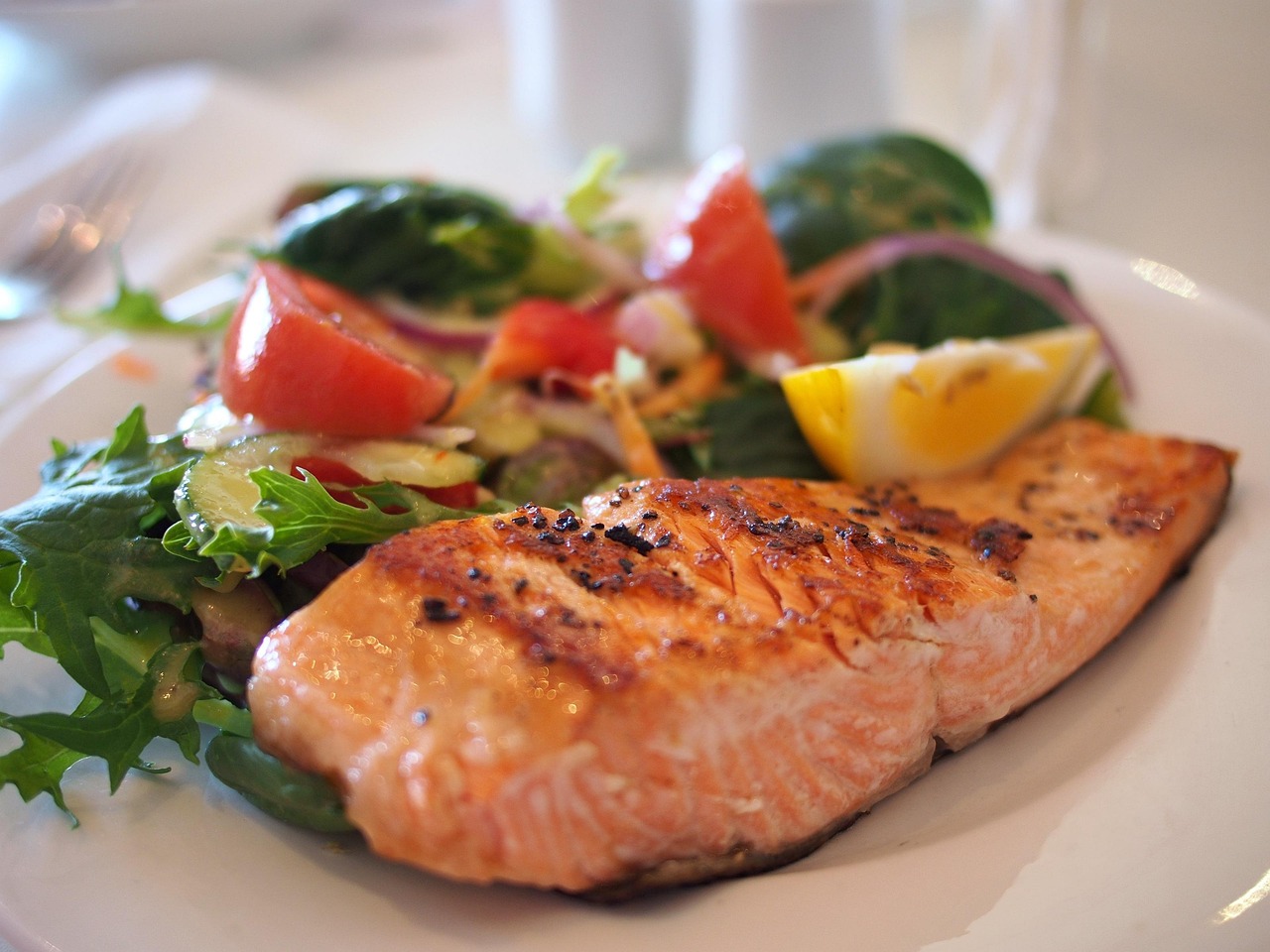
Practical Example: A serving of salmon (protein & fat), alongside roasted broccoli (low-carb vegetable) drizzled with olive oil (healthy fat), perfectly embodies these ratios for a balanced keto dinner.
Prioritizing Whole Foods
The success of your ketogenic diet, especially your dinners, hinges on the quality of your ingredients. Opt for nutrient-dense, whole foods that provide essential vitamins and minerals without unnecessary additives.
- Grass-fed meats and pasture-raised poultry: Richer in omega-3s and other beneficial nutrients.
- Wild-caught fish: Excellent source of healthy fats and protein.
- Organic, low-carb vegetables: Ensure you’re getting fiber and micronutrients without pesticides.
- Healthy fats: Olive oil, avocado oil, coconut oil, butter, ghee.
Actionable Takeaway: Stocking your kitchen with these staples makes preparing nourishing keto dinners much easier and more enjoyable.
Staple Ingredients for Your Keto Dinner Pantry
A well-stocked keto pantry is your secret weapon for whipping up delicious low-carb dinners, even on the busiest evenings. Having these core ingredients on hand reduces decision fatigue and keeps you consistently in ketosis.
Protein Powerhouses
These are the backbone of your keto dinners, providing essential amino acids and satiety.
- Chicken: Thighs and drumsticks are fattier than breasts, making them ideal for keto.
- Beef: Steaks, ground beef (80/20 or 70/30 fat content), roasts.
- Pork: Chops, tenderloin, bacon (sugar-free), pork belly.
- Fish & Seafood: Salmon, cod, shrimp, scallops, tuna (in oil).
- Eggs: Versatile and quick, perfect for breakfast-for-dinner or binding ingredients.
Practical Tip: Buy in bulk when items are on sale and freeze individual portions for later use.
Healthy Fat Heroes
Crucial for energy and flavor, these fats are your friends on keto.
- Oils: Extra virgin olive oil, avocado oil, coconut oil, MCT oil.
- Butters & Ghee: Unsalted butter, clarified butter (ghee).
- Avocados: Fresh, creamy, and packed with healthy monounsaturated fats.
- Nuts & Seeds: Almonds, walnuts, pecans, chia seeds, flax seeds (in moderation due to carb content).
- Full-Fat Dairy: Heavy cream, sour cream, cream cheese, hard cheeses (check labels for sugar).
Actionable Takeaway: Don’t shy away from fat! It’s your primary fuel source and makes meals delicious and satisfying.
Low-Carb Vegetable Stars
These vegetables provide fiber, vitamins, and minerals without derailing your carb limits.
- Leafy Greens: Spinach, kale, romaine, mixed greens.
- Cruciferous Vegetables: Broccoli, cauliflower, Brussels sprouts, cabbage.
- Other Low-Carb Options: Asparagus, green beans, zucchini, bell peppers, mushrooms, eggplant.
Practical Tip: Roasting these vegetables with plenty of olive oil or butter enhances their flavor and makes them an excellent side dish for any keto dinner.
Flavor Enhancers & Condiments
Elevate your keto dinners with these pantry staples.
- Herbs & Spices: Garlic powder, onion powder, cumin, paprika, Italian seasoning, fresh herbs.
- Sugar-Free Sauces: Sugar-free ketchup, BBQ sauce, hot sauce (check labels carefully).
- Vinegars: Apple cider vinegar, red wine vinegar, balsamic vinegar (in small amounts).
- Broths: Bone broth, chicken broth (low-sodium).
Actionable Takeaway: Experiment with different spice combinations to keep your meals exciting and prevent flavor fatigue.
Quick & Delicious Keto Dinner Ideas for Any Night
The beauty of the ketogenic diet is that it doesn’t require hours in the kitchen. Many incredible keto dinners can be prepared quickly, making them perfect for busy weeknights or when you simply crave something delicious without the fuss.
Effortless Weeknight Wonders
These recipes minimize cleanup and cooking time, maximizing flavor and nutrition.
- Sheet Pan Lemon Herb Chicken & Asparagus: Toss chicken thighs, asparagus, and lemon slices with olive oil and herbs. Roast at 400°F (200°C) for 25-30 minutes.
- One-Pan Sausage & Peppers: Slice your favorite low-carb sausages and bell peppers. Sauté with onions and Italian seasoning until cooked through.
- Quick Salmon with Creamy Spinach: Pan-sear salmon fillets. In the same pan, wilt spinach with garlic and heavy cream.
- Keto “Taco” Bowls: Ground beef or chicken seasoned with taco spices, served over a bed of shredded lettuce with avocado, salsa (sugar-free), and sour cream.
Actionable Takeaway: Sheet pan and one-pan meals are your best friends for quick cleanup and minimal effort. Experiment with different proteins and low-carb vegetables.
Comfort Food Keto-Style
You don’t have to give up your favorite comfort foods; simply adapt them to be keto-friendly!
- Keto Chili: Use ground beef or turkey, diced tomatoes (in moderation), and plenty of chili powder. Skip the beans and add extra veggies like bell peppers and zucchini. Top with cheese and sour cream.
- Cauliflower “Mac” and Cheese: Steamed cauliflower florets baked in a rich, cheesy sauce made with heavy cream, cream cheese, and cheddar.
- Creamy Chicken & Mushroom Skillet: Chicken breast or thighs simmered in a rich sauce of mushrooms, heavy cream, and broth, seasoned with thyme.
Practical Tip: Use healthy fats like butter or olive oil generously to enhance the richness and flavor of these comforting dishes.
Grill & Chill Keto Options
When the weather is warm, fire up the grill for some fantastic low-carb feasts.
- Grilled Steak with Garlic Butter: Perfectly seared steak, topped with a dollop of compound garlic butter. Serve with a large side salad.
- Keto Burgers (Bun-less): Juicy beef patties topped with cheese, bacon, avocado, and all your favorite low-carb fixings, served on a lettuce wrap or simply with a fork.
- Shrimp Skewers with Zucchini: Marinate shrimp and zucchini chunks in olive oil, lemon, and garlic, then grill until tender and opaque.
Actionable Takeaway: Grilling naturally keeps carbs low while infusing incredible smoky flavors into your proteins and vegetables.
International Keto Flavors
Explore global cuisines with keto-friendly adaptations that bring exciting new tastes to your dinner table.
- Keto Thai Green Curry: Use full-fat coconut milk, green curry paste (check for sugar), chicken or shrimp, and a variety of low-carb vegetables like bamboo shoots, bell peppers, and spinach.
- Mexican Carnitas Lettuce Wraps: Slow-cooked pork shoulder seasoned with traditional Mexican spices, served in crisp lettuce cups with avocado, cilantro, and a squeeze of lime.
- Mediterranean Salmon with Olives & Feta: Bake salmon fillets with cherry tomatoes (in moderation), Kalamata olives, feta cheese, and herbs like oregano and dill.
Practical Tip: Be mindful of hidden sugars in many pre-made sauces and pastes. Always check the nutrition labels or make your own from scratch.
Mastering Keto Dinner Meal Prep and Planning
Successful long-term adherence to a ketogenic diet often comes down to effective meal planning and preparation. By dedicating a little time upfront, you can ensure a week of delicious, compliant, and stress-free keto dinners.
Batch Cooking for Success
Dedicate a few hours on a weekend to cook larger quantities of core ingredients.
- Proteins: Roast a whole chicken, cook a large batch of ground beef or turkey, or bake several salmon fillets. These can be used in various meals throughout the week.
- Vegetables: Chop and pre-portion low-carb vegetables for quick salads or stir-fries. Roast a large tray of broccoli or cauliflower for easy side dishes.
- Fats: Make a batch of keto-friendly fat bombs or dressings to have on hand.
Actionable Takeaway: Batch cooking saves time during busy weeknights and ensures you always have a keto-friendly option readily available.
Smart Leftover Utilization
Don’t just reheat; reimagine! Leftovers can be transformed into entirely new meals.
- Roasted Chicken: Leftover roasted chicken can become a chicken salad (with keto mayo), a topping for a green salad, or a filling for a low-carb wrap.
- Cooked Ground Meat: Use leftover ground beef in a keto taco bowl, a lettuce wrap, or as the base for a quick chili.
- Steamed Vegetables: Turn leftover steamed veggies into a creamy purée or add them to an omelet for a quick dinner.
Practical Example: Make extra grilled steak for dinner on Monday, then slice it thinly for a steak salad or steak and avocado lettuce wraps on Tuesday.
Freezer-Friendly Keto Meals
Prepare full meals that can be frozen and reheated, perfect for those “no time to cook” emergencies.
- Keto Chili or Stews: Portion into individual containers for quick thaws.
- Meatballs or Meatloaf: Cook and freeze, then reheat with a low-carb sauce.
- Cauliflower Casseroles: Assemble and freeze uncooked, then bake from frozen.
Actionable Takeaway: Always label and date your freezer meals to ensure freshness and prevent food waste. Aim for meals that can last 1-3 months in the freezer.
Planning Your Weekly Menu
A simple weekly meal plan can be a game-changer for consistency and grocery shopping efficiency.
- Review Your Week: Note busy nights versus nights you have more time to cook.
- Choose Your Dinners: Select 5-7 keto dinner ideas for the week, incorporating variety.
- Create a Grocery List: List all necessary ingredients, checking your pantry first.
- Prep Ahead: On a designated day, complete any chopping or batch cooking.
Practical Tip: Keep a running list of your favorite easy keto dinner recipes that you can rotate through your meal plan.
Beyond the Plate: Tips for Sustainable Keto Dinners
Maintaining a ketogenic lifestyle extends beyond just the food on your plate. To truly thrive, especially with your evening meals, consider these holistic tips for sustained success and well-being.
Staying Hydrated and Replenishing Electrolytes
The ketogenic diet can lead to increased water and electrolyte excretion. It’s crucial to stay on top of your hydration, especially around dinner time.
- Drink Plenty of Water: Aim for 2-3 liters of water daily.
- Add Electrolytes: Incorporate natural sources like bone broth (rich in sodium and potassium), avocado, spinach, and trace mineral drops in your water.
- Salt Your Food: Don’t be afraid to season your keto dinners generously with good quality sea salt.
Actionable Takeaway: Feeling tired or experiencing muscle cramps can be a sign of electrolyte imbalance. Address this proactively to feel your best.
Avoiding Flavor Fatigue
Eating the same handful of meals can quickly lead to boredom and potential cravings. Keep your keto dinners exciting!
- Rotate Proteins: Don’t just eat chicken; try beef, pork, fish, and seafood.
- Experiment with Vegetables: Explore different low-carb veggies and preparation methods (roasted, steamed, sautéed, grilled).
- Diverse Seasonings: Use different spice blends and herbs to transform the same ingredients into varied dishes. Think Italian, Mexican, Indian, or Asian flavors.
- Discover New Recipes: Regularly seek out new ketogenic diet recipes to broaden your repertoire.
Practical Example: A simple ground beef can become taco meat, a flavorful burger, or part of a shepherd’s pie with cauliflower topping, just by changing the spices and accompaniments.
Dining Out on Keto
Eating out doesn’t have to mean breaking your keto diet. With a few strategies, you can enjoy restaurant keto dinners.
- Choose Wisely: Opt for restaurants known for their protein options like steakhouses, seafood restaurants, or places with customizable salads.
- Simplify Your Order: Ask for grilled or baked meats and fish. Request vegetables steamed or roasted with butter/oil instead of sugary sauces or starchy sides.
- Sauces on the Side: Always ask for dressings, gravies, and sauces on the side to control portions and carb content.
- Be Specific: Don’t hesitate to ask for no bread, no rice, no potatoes, and explain you have dietary restrictions if needed.
Actionable Takeaway: Plan ahead by looking at restaurant menus online to identify keto-friendly options before you go.
Listening to Your Body
Ultimately, a sustainable keto journey involves tuning into your own body’s signals.
- Monitor Hunger Cues: Eat when you’re hungry, and stop when you’re full. The high fat content of keto dinners should naturally help regulate appetite.
- Assess Energy Levels: Pay attention to how different meals make you feel. Are you energized or sluggish?
- Adjust as Needed: If you find certain foods don’t agree with you or your progress stalls, don’t be afraid to make adjustments to your dinner choices.
Practical Tip: Keep a food journal for a week to identify patterns in how specific keto dinners impact your energy, digestion, and satiety.
Conclusion
Embracing keto dinners is about more than just restricting carbohydrates; it’s about opening a world of rich flavors, wholesome ingredients, and satisfying meals that fuel your body and delight your palate. By mastering the fundamentals of macronutrient balance, stocking your pantry with keto staples, exploring diverse and delicious recipes, and strategically planning your meals, you can transform your evening routine into a consistent path towards better health and sustained energy. Remember, the ketogenic journey is a marathon, not a sprint. Enjoy the process of discovering new favorites, experimenting with flavors, and feeling the incredible benefits that well-prepared, nutrient-dense keto dinners bring to your life. Happy cooking!