Embarking on a plant-based journey doesn’t mean sacrificing your fitness goals or skimping on essential nutrients. In fact, with the right approach, a vegan diet can be incredibly powerful for building muscle, enhancing recovery, and maintaining a healthy, energetic lifestyle. The secret weapon for many thriving plant-based athletes and health enthusiasts? High-protein vegan meal prep. This comprehensive guide will show you how to efficiently plan, prepare, and enjoy delicious, protein-packed vegan meals that fuel your body and simplify your week, proving that getting enough protein on a vegan diet is not just possible, but incredibly satisfying.
The Power of Plant-Based: Why High-Protein Vegan Meal Prep Matters
The misconception that a plant-based diet lacks sufficient protein is perhaps one of the most enduring myths. However, a wealth of evidence and a growing community of thriving vegan athletes prove otherwise. By intelligently combining various plant-based sources, you can easily meet and even exceed your protein requirements, all while reaping the myriad health benefits that come with a diet rich in whole foods.
Dispelling Protein Myths
- Myth: Plant proteins are “incomplete.” While some individual plant foods may be lower in one or two essential amino acids, consuming a variety of plant proteins throughout the day (e.g., grains with legumes) easily provides all nine essential amino acids.
- Fact: Abundant plant-based protein sources. From legumes and grains to nuts, seeds, and specialized vegan products, the plant kingdom offers a diverse array of protein-rich options.
- Fact: Efficiency of plant protein. Plant-based proteins often come bundled with fiber, vitamins, and minerals, without the saturated fat and cholesterol found in animal products, supporting overall health.
Benefits Beyond Muscle
While muscle growth and repair are key drivers for high-protein intake, the advantages of a well-planned, protein-rich vegan diet extend far beyond the gym:
- Enhanced Satiety: Protein is renowned for its ability to keep you feeling fuller for longer, aiding in weight management and preventing overeating.
- Sustained Energy Levels: A steady supply of protein helps stabilize blood sugar, preventing energy crashes and promoting consistent vitality throughout your day.
- Improved Digestion: Many plant-based protein sources are also rich in fiber, promoting healthy digestion and gut microbiome balance.
- Cardiovascular Health: A diet focused on whole plant foods is naturally low in saturated fat and cholesterol, contributing to a healthier heart.
- Reduced Inflammation: Many plant-based proteins and their accompanying nutrients possess anti-inflammatory properties, aiding recovery and reducing chronic disease risk.
The Meal Prep Advantage
Incorporating high-protein vegan meals into your routine becomes effortless with meal prep. This strategic approach transforms your week:
- Time Saving: Dedicate a few hours once or twice a week to cooking, and you’ll have healthy meals ready in minutes every other day.
- Cost-Effective: Buying ingredients in bulk and cooking at home is significantly cheaper than eating out or relying on convenience foods.
- Consistent Nutrition: Meal prep ensures you consistently meet your macro and micronutrient goals, especially crucial for protein intake, preventing last-minute unhealthy choices.
- Reduced Stress: Eliminating the daily “what’s for dinner?” dilemma frees up mental energy and reduces decision fatigue.
Your High-Protein Vegan Pantry Staples
Building a robust pantry is the foundation of successful high-protein vegan meal prep. These versatile ingredients are not only packed with protein but also form the basis of countless delicious dishes.
Legumes & Lentils
These are the undisputed champions of plant-based protein and fiber.
- Chickpeas (Garbanzo Beans): ~15g protein per cup. Excellent for roasting, hummus, curries, and salads.
- Black Beans: ~15g protein per cup. Perfect for tacos, burritos, chili, and bowls.
- Kidney Beans: ~13g protein per cup. Great in stews, salads, and bean burgers.
- Lentils (Green, Brown, Red): ~18g protein per cup. Quick-cooking, ideal for soups, daals, and as a ground meat substitute.
- Edamame: ~17g protein per cup (shelled). Delicious steamed, in stir-fries, or as a snack.
Tofu, Tempeh, & Seitan
These soy and wheat-based products are incredibly versatile and protein-dense.
- Tofu: ~10-20g protein per 4 oz. (firm/extra-firm). A blank canvas that absorbs flavors. Press it for best results, then bake, fry, scramble, or grill.
- Tempeh: ~16-20g protein per 4 oz. Fermented soybean cake with a nutty, earthy flavor and firm texture. Great for marinating, grilling, or crumbling into sauces.
- Seitan: ~21-25g protein per 4 oz. Made from wheat gluten, it has a chewy texture reminiscent of meat. Ideal for stir-fries, “meaty” stews, or slicing into sandwiches.
Whole Grains & Pseudograins
Beyond being excellent carbohydrate sources, many grains offer significant protein contributions.
- Quinoa: ~8g protein per cooked cup. A complete protein, making it an excellent base for bowls, salads, and side dishes.
- Buckwheat: ~6g protein per cooked cup. Another complete protein, gluten-free, great in porridge or as a side.
- Oats: ~6g protein per ½ cup dry. Essential for breakfast, can also be used in savory dishes or protein bars.
- Farro/Spelt/Barley: ~6-8g protein per cooked cup. Chewy and satisfying, perfect for grain bowls and hearty salads.
Nuts & Seeds
Small but mighty, these add protein, healthy fats, and crucial micronutrients.
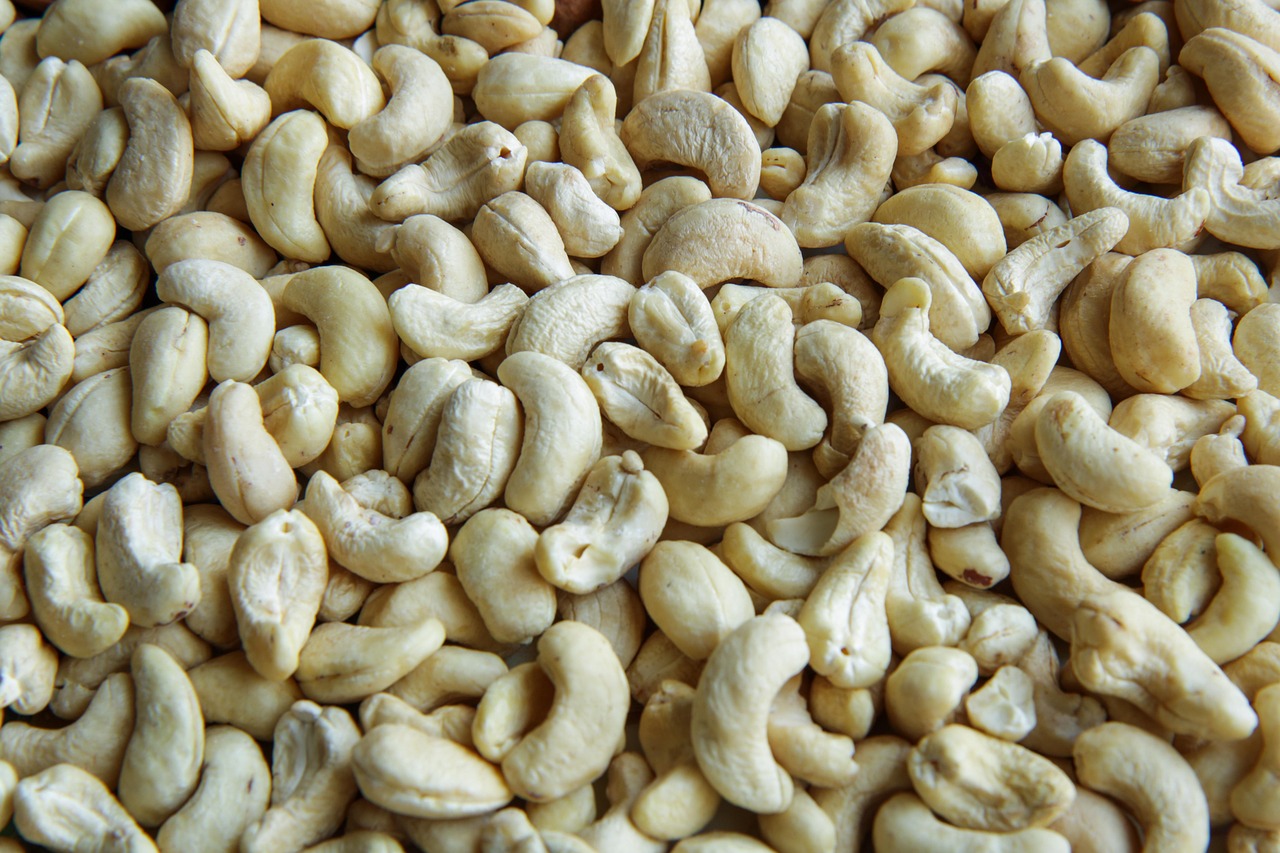
- Almonds/Walnuts/Cashews: ~6-7g protein per ¼ cup. Great for snacking, adding to salads, or making sauces.
- Chia Seeds: ~5g protein per 2 tbsp. Excellent source of Omega-3s and fiber; use in puddings, smoothies, or as an egg replacer.
- Hemp Seeds (Hemp Hearts): ~10g protein per 3 tbsp. Mild, nutty flavor, packed with protein and Omega-3s. Sprinkle on everything!
- Flax Seeds: ~3g protein per 2 tbsp. Good source of Omega-3s and fiber; best ground for optimal nutrient absorption.
Vegan Protein Powders & Specialty Products
For an extra protein boost, especially after workouts or when time is short.
- Pea Protein: Widely available, often neutral in taste, excellent amino acid profile.
- Soy Protein: Complete protein, often used in blends.
- Rice Protein: Hypoallergenic, often combined with pea protein for a complete profile.
- Nutritional Yeast: ~4g protein per 2 tbsp. Cheesy flavor, fortified with B12, great for sauces and seasoning.
Strategies for Seamless High-Protein Vegan Meal Prep
Efficient meal prep isn’t just about cooking; it’s about smart planning, strategic cooking methods, and proper storage. These strategies will make your high-protein vegan meal prep a breeze.
The Art of Batch Cooking
Instead of preparing full meals, focus on cooking individual components in bulk. This allows for greater flexibility and prevents flavor fatigue.
- Grains: Cook a large batch of quinoa, brown rice, or farro. These can last 4-5 days in the fridge.
- Legumes: Cook dry beans from scratch (cheaper and tastier) or stock up on canned beans. Rinse thoroughly.
- Protein Sources:
- Tofu: Press, cube, and bake or air-fry a large block until crispy. Marinate different portions for variety.
- Tempeh: Steam first, then slice and marinate. Pan-fry or bake.
- Lentils: Cook a pot of plain lentils to add to various dishes.
- Chickpeas: Roast a big tray with different spices (paprika, cumin, chili powder) for snacks or salad toppings.
- Roasted Vegetables: Chop and roast a variety of vegetables (broccoli, sweet potatoes, bell peppers, Brussels sprouts).
Component-Based Prep
Think of your meals as building blocks. By having several components ready, you can mix and match to create different dishes throughout the week.
- Example Day 1: Quinoa + Roasted Chickpeas + Steamed Broccoli + Tahini Dressing
- Example Day 2: Brown Rice + Baked Tofu + Roasted Bell Peppers + Peanut Sauce
- Example Day 3: Lentils + Sweet Potato + Spinach + Lemon Herb Dressing
Flavor Profile Planning
To keep things interesting, plan your flavor profiles. Even with the same base ingredients, different sauces and spices can transform a meal.
- Asian Inspired: Soy sauce, ginger, garlic, sesame oil, rice vinegar.
- Mediterranean: Olive oil, lemon, oregano, dill, garlic, tahini.
- Mexican: Cumin, chili powder, paprika, cilantro, lime.
- Indian: Turmeric, curry powder, garam masala, ginger, coriander.
Storage & Safety Tips
Proper storage is crucial for food safety and freshness.
- Airtight Containers: Invest in good quality glass or BPA-free plastic containers.
- Portion Control: Divide meals into individual portions for easy grab-and-go.
- Refrigeration: Most prepped components will last 4-5 days in the refrigerator.
- Freezing: Cooked grains, legumes, and some proteins (like chili or lentil soup) can be frozen for up to 3 months. Label with dates!
- Cool Down Quickly: Always cool food to room temperature before refrigerating to prevent bacterial growth.
Sample Weekly Prep Schedule (Sunday)
- Plan Your Meals: Decide on 3-4 meal combinations for the week.
- Grocery Shop: Buy all necessary ingredients.
- Prep Veggies: Wash, chop, and store raw vegetables.
- Cook Grains: Cook quinoa, rice, or other preferred grains.
- Prepare Protein: Bake tofu, cook lentils, roast chickpeas.
- Make Sauces/Dressings: Prepare your chosen sauces and dressings.
- Assemble or Store Components: Either portion out full meals or store components separately for daily assembly.
Inspiring High-Protein Vegan Meal Prep Recipes & Combinations
Here are some practical and delicious ideas to kickstart your high-protein vegan meal prep, ensuring you never run out of exciting options.
Breakfast Powerhouses
- Overnight Protein Oats:
- Combine ½ cup rolled oats, 1 scoop vegan protein powder, 1 tbsp chia seeds, 1 cup plant milk, and your choice of sweetener.
- Store in jars. In the morning, top with berries, nuts, or seeds for an easy, protein-packed breakfast (~20-25g protein).
- Tofu Scramble with Black Beans:
- Crumble firm tofu, sauté with turmeric, nutritional yeast, black salt (kala namak), and your favorite veggies (onions, bell peppers, spinach).
- Mix in ½ cup pre-cooked black beans per serving. Serve with a side of whole-wheat toast or avocado (~20-25g protein).
Lunch & Dinner Dynamos
- Mediterranean Quinoa & Chickpea Bowls:
- Base: 1 cup cooked quinoa.
- Protein: ½ cup roasted chickpeas (tossed with olive oil, lemon, oregano).
- Veggies: Chopped cucumber, tomatoes, bell peppers, Kalamata olives.
- Sauce: Lemon-tahini dressing.
- Total protein: ~20-25g+.
- Spicy Peanut Tempeh Stir-fry:
- Protein: 4 oz marinated and baked tempeh strips.
- Veggies: Pre-chopped broccoli, carrots, snap peas, bell peppers.
- Sauce: Peanut butter, soy sauce, rice vinegar, ginger, a touch of maple syrup, sriracha.
- Serve with ½ cup brown rice or quinoa (~25-30g protein).
- Lentil Shepherd’s Pie (Individual Portions):
- Base: Sautéed lentils with carrots, celery, peas, and vegetable broth.
- Topping: Creamy mashed potatoes (use plant milk and vegan butter).
- Assemble in oven-safe individual dishes, bake, and freeze for quick meals (~18-22g protein).
- High-Protein Pasta Salad:
- Use chickpea or lentil pasta (e.g., Banza brand, ~20g protein per serving).
- Mix with roasted veggies, sun-dried tomatoes, spinach, and a generous amount of white beans or cannellini beans.
- Dress with pesto (vegan) or an olive oil & herb vinaigrette (~25-30g protein).
Snack Sensations
- Roasted Edamame Pods: Lightly salted, a great quick snack (~17g protein per cup).
- Protein Smoothies: Blend plant milk, 1 scoop vegan protein powder, spinach, frozen banana, and a tablespoon of nut butter or chia seeds (~20-30g protein).
- Spiced Roasted Chickpeas: Crispy and satisfying (~7g protein per ½ cup).
- Nut & Seed Mix: A handful of almonds, walnuts, and pumpkin seeds provides sustained energy and protein (~6-8g protein per ¼ cup).
- Hummus with Whole-Wheat Pita or Veggie Sticks: Classic and protein-rich (~5-8g protein per serving).
Optimizing Your High-Protein Vegan Meal Prep Journey
To truly thrive on a high-protein vegan meal prep plan, it’s important to consider more than just protein. A holistic approach ensures you meet all your nutritional needs and maintain long-term sustainability.
Addressing Micronutrient Needs
While focusing on protein, remember to keep key micronutrients in mind for overall health and performance.
- Vitamin B12: Crucial for nerve function and blood cell formation. Supplementation is highly recommended for all vegans, as it’s not reliably found in plant foods.
- Iron: Incorporate iron-rich plant foods like lentils, spinach, fortified cereals, and dark chocolate. Enhance absorption by pairing with Vitamin C (e.g., squeeze lemon over spinach).
- Zinc: Found in pumpkin seeds, cashews, lentils, and fortified foods.
- Calcium: Abundant in fortified plant milks, tofu (calcium-set), collard greens, and kale.
- Omega-3 Fatty Acids: Include flax seeds, chia seeds, hemp seeds, and walnuts daily. Consider an algal oil supplement for DHA/EPA.
Customizing for Macro Goals
Your ideal protein, carbohydrate, and fat ratios will depend on your activity level and specific goals (e.g., muscle gain, fat loss, maintenance).
- For Muscle Gain: Aim for higher protein (e.g., 1.6-2.2g per kg body weight) and sufficient complex carbohydrates to fuel workouts and recovery. Increase portion sizes of protein sources.
- For Fat Loss: Prioritize protein for satiety and muscle preservation (e.g., 1.6-2.2g per kg body weight), moderate healthy fats, and control carbohydrate intake. Focus on fiber-rich whole foods.
- Listen to Your Body: Adjust your macros based on how you feel, your energy levels, and your progress. Track your intake initially to get a sense of typical nutrient density in your meals.
Preventing Flavor Fatigue
Even the most delicious meals can become boring if eaten repeatedly. Keep your taste buds engaged with these strategies:
- Rotate Ingredients: Don’t stick to the same 3-4 ingredients every week. Explore new grains, legumes, and vegetables.
- Experiment with Spices & Herbs: Keep a well-stocked spice rack and try new flavor combinations regularly.
- Vary Sauces & Dressings: A different sauce can completely change the character of a meal. Prep a few different options each week.
- Add Texture: Incorporate crunchy elements like nuts, seeds, croutons, or crispy roasted chickpeas to add interest.
Making It Sustainable
Meal prep should enhance your life, not add stress. Find a routine that works for you.
- Start Small: Don’t try to prep every single meal for the entire week from day one. Start with just lunches or dinners.
- Batch Cook Favorites: Focus on preparing a few meals you genuinely enjoy.
- Flexibility is Key: It’s okay to deviate from your meal plan occasionally. Life happens!
- Involve Others: If you live with family or roommates, involve them in the planning and cooking process.
Conclusion
High-protein vegan meal prep is a powerful tool for anyone looking to optimize their health, enhance their fitness, and simplify their daily routine. By embracing the rich diversity of plant-based proteins, mastering smart cooking strategies, and planning with purpose, you can effortlessly create delicious, nutrient-dense meals that fuel your body and delight your palate. No longer a niche, but a mainstream path to wellness, the plant-based, high-protein lifestyle is accessible, sustainable, and incredibly rewarding. Start your meal prep journey today, and discover the incredible energy and vitality that awaits.