There’s a universal language spoken through food, and its most comforting dialect is undoubtedly “comfort food.” More than just a meal, it’s an embrace, a memory, and a warm hug for the soul, especially on days when you need it most. It transports us back to childhood kitchens, to shared family moments, or simply to a feeling of utter contentment. In a world that often moves too fast, the deliberate act of preparing and savoring a truly satisfying dish can be a powerful anchor. This post will delve into the magic of homemade comfort food, guiding you through a timeless comfort food recipe that promises to deliver warmth, joy, and deliciousness with every single bite.
The Enduring Allure of Comfort Food
What exactly makes a dish “comfort food”? It’s a concept deeply rooted in psychology, nostalgia, and sheer culinary delight. These are the meals that soothe, satisfy, and bring a sense of well-being.
What Defines Comfort Food?
- Emotional Connection: Often linked to positive memories, childhood, or significant life events.
- Familiarity and Simplicity: Recipes that are often uncomplicated, using well-known ingredients and methods.
- Richness and Heartiness: Dishes that tend to be warming, filling, and often creamy or deeply flavorful.
- Universal Appeal: While specific dishes vary by culture, the concept of comfort food is global.
Think about classic examples: chicken noodle soup when you’re under the weather, a hearty stew on a cold day, or a creamy casserole shared with loved ones. These aren’t just meals; they are experiences.
The Science Behind the Craving
Our desire for comfort food isn’t just in our heads; it’s also a fascinating interplay of biology and psychology. Studies suggest that certain foods trigger the release of feel-good neurotransmitters.
- Dopamine and Serotonin: Carbohydrate-rich and fatty foods can temporarily boost levels of these ‘happy’ chemicals in the brain.
- Nostalgia Factor: Consuming foods associated with positive memories (e.g., Grandma’s cookies) can evoke those emotions, reducing feelings of loneliness or stress.
- Stress Reduction: Research by the Journal of Consumer Psychology indicates that comfort foods are often associated with social relationships and feelings of belonging, with up to 80% of respondents reporting increased positive mood after consuming them.
Actionable Takeaway: Understanding the emotional and physiological benefits of comfort food can help you choose and appreciate your meals more mindfully, enhancing the overall experience.
Choosing Your Perfect Comfort Food Recipe: A Classic Revisited
When it comes to comfort food, few dishes hold as esteemed a place as Classic Macaroni and Cheese. It’s a timeless recipe that transcends generations, offering a perfect blend of creamy texture, sharp flavor, and satisfying heartiness. This isn’t just boxed mac and cheese; we’re talking about a homemade masterpiece.
Why Classic Mac and Cheese?
- Universal Appeal: Loved by children and adults alike, making it perfect for family meals.
- Customizable: While the classic is perfect, it’s also a fantastic canvas for various additions and flavor twists.
- Soul-Satisfying Texture: The combination of tender pasta and rich, gooey cheese sauce is simply irresistible.
- Nostalgic Value: For many, it’s a dish deeply entwined with childhood memories and family gatherings.
Learning to make a truly great homemade mac and cheese from scratch is a fundamental skill for any comfort food enthusiast.
Key Ingredients for Mac & Cheese Mastery
The secret to exceptional macaroni and cheese lies in the quality and combination of its core ingredients. Don’t skimp!
- Pasta:
- Elbow Macaroni: The traditional choice, its shape perfectly cradles the cheesy sauce.
- Alternatives: Cavatappi, shells, or even penne can work well, offering different textures.
- Tip: Cook pasta al dente (slightly firm) as it will continue to cook in the sauce and oven.
- Cheese Blend: This is where the magic happens. A good blend provides depth and complexity.
- Sharp Cheddar: Essential for that classic, tangy flavor.
- Gruyère or Fontina: Adds nuttiness and incredible meltability.
- Monterey Jack or Mozzarella: Contributes to a super creamy, stretchy texture.
- Avoid Pre-Shredded: These often contain anti-caking agents that can make your sauce gritty. Grate your own for the smoothest result.
- Dairy:
- Whole Milk: The base for your béchamel sauce, providing richness.
- Unsalted Butter: For the roux and overall flavor.
- Heavy Cream (Optional): For an extra decadent sauce.
- Seasoning & Aromatics:
- Salt & Freshly Ground Black Pepper: Crucial for balancing flavors.
- Dry Mustard Powder: A secret ingredient! It doesn’t make the sauce taste like mustard but enhances the cheese flavor without overpowering it.
- Nutmeg: A pinch can add a subtle, warm complexity, especially with cheesy sauces.
- Garlic Powder/Onion Powder (Optional): For an extra savory kick.
Actionable Takeaway: Invest in high-quality, block cheese and grate it yourself. This simple step significantly elevates the flavor and texture of your homemade mac and cheese.
Step-by-Step Guide: Crafting Your Ultimate Homemade Mac & Cheese
Making a truly amazing mac and cheese from scratch is easier than you think. It’s all about building layers of flavor, starting with a classic béchamel sauce.
Prepping for Success (Mise en Place)
Before you start cooking, gather and prepare all your ingredients. This makes the cooking process smooth and enjoyable.
- Cook Pasta: Boil a large pot of salted water. Add 1 lb (450g) elbow macaroni and cook according to package directions until al dente. Drain and set aside. Do not rinse.
- Grate Cheese: Grate 2-3 cups (250-375g) of your chosen cheese blend.
- Measure Liquids: Measure out 4 cups (960ml) whole milk and 1/4 cup (57g) unsalted butter.
- Measure Flour & Spices: Have 1/4 cup (30g) all-purpose flour, 1 tsp dry mustard, 1/2 tsp salt, and 1/4 tsp black pepper ready. A pinch of nutmeg if using.
The Béchamel Base: Foundation of Flavor
A béchamel is a classic French white sauce, and it’s the creamy heart of your mac and cheese.
- Melt Butter: In a large saucepan or Dutch oven over medium heat, melt 1/4 cup (57g) unsalted butter.
- Make a Roux: Once the butter is melted and foamy, whisk in 1/4 cup (30g) all-purpose flour. Cook, stirring constantly, for 1-2 minutes until it forms a pale, thick paste (the roux). This cooks out the raw flour taste.
- Add Milk Gradually: Slowly whisk in the 4 cups (960ml) whole milk, a little at a time, ensuring no lumps form. Continue whisking until the mixture is smooth.
- Thicken Sauce: Bring the sauce to a gentle simmer, continuing to whisk occasionally, until it thickens enough to coat the back of a spoon (about 5-8 minutes).
- Season: Remove from heat and stir in the 1 tsp dry mustard, 1/2 tsp salt, 1/4 tsp black pepper, and pinch of nutmeg.
The Cheesy Meltdown & Assembly
This is where your béchamel transforms into an irresistible cheese sauce!
- Add Cheese: Off the heat, add your grated cheese blend to the béchamel sauce in small batches, stirring constantly until each batch is fully melted and incorporated before adding more. This prevents the sauce from breaking or becoming oily.
- Combine with Pasta: Pour the creamy cheese sauce over the drained, cooked macaroni in a large bowl or directly in the Dutch oven. Stir gently until all the pasta is evenly coated.
- Prepare for Baking (Optional): If baking, lightly grease a 9×13 inch baking dish. Pour the macaroni and cheese into the prepared dish. For an extra crispy topping, you can sprinkle with an additional 1/2 cup of shredded cheese or 1 cup of panko breadcrumbs mixed with a tablespoon of melted butter.
Baking to Golden Perfection (Optional but Recommended)
Baking adds a beautiful golden crust and allows the flavors to meld even further.
- Preheat Oven: Preheat your oven to 375°F (190°C).
- Bake: Bake for 20-25 minutes, or until the top is golden brown and the cheese sauce is bubbly around the edges. If you added a breadcrumb topping, it should be crispy.
- Rest: Let the mac and cheese rest for 5-10 minutes after removing it from the oven. This allows the sauce to set slightly, making it less runny and easier to serve.
Actionable Takeaway: Pay close attention to the béchamel. A smooth, well-seasoned sauce is the backbone of truly amazing mac and cheese. Don’t rush the process of adding the milk or melting the cheese.
Elevating Your Comfort Food Experience
While classic mac and cheese is perfect as is, part of the joy of comfort food is making it uniquely yours. Don’t be afraid to experiment!
Customization & Flavor Twists
Transform your mac and cheese into a gourmet experience with these delicious additions:
- Proteins:
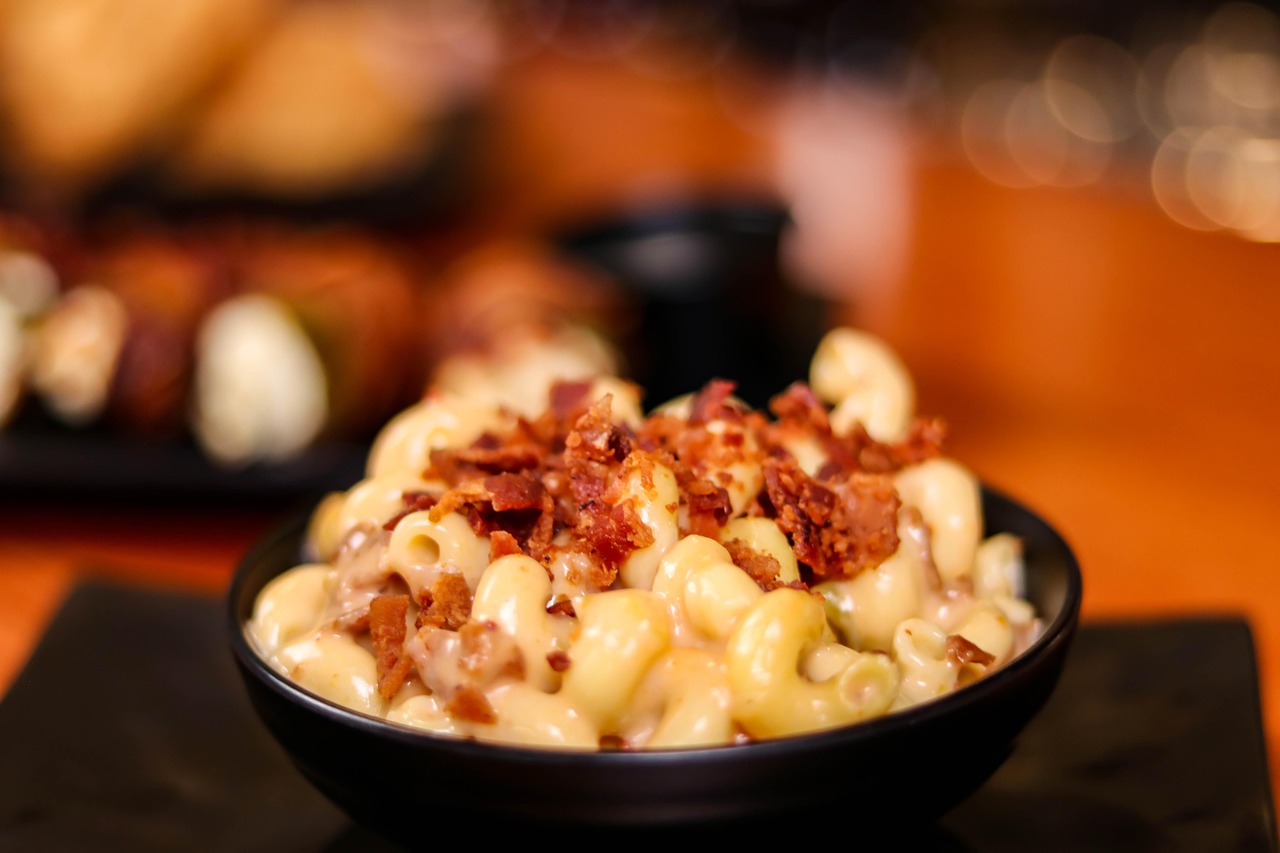
- Bacon: Crispy crumbled bacon bits mixed in or sprinkled on top.
- Pulled Pork or Shredded Chicken: Adds heartiness and a smoky flavor.
- Sausage: Cooked and crumbled Italian sausage or chorizo.
- Vegetables:
- Roasted Broccoli or Cauliflower: Adds texture and nutrition.
- Sautéed Mushrooms or Spinach: Earthy and savory additions.
- Caramelized Onions: A touch of sweetness and depth.
- Spices & Heat:
- Smoked Paprika: For a subtle smoky flavor.
- Chili Flakes or Hot Sauce: If you like a little kick.
- Cayenne Pepper: Boosts the warmth without overwhelming.
- Toppings:
- Buttery Panko Breadcrumbs: For an extra crunchy texture.
- Crushed Crackers (e.g., Ritz): A nostalgic, buttery crunch.
- More Cheese: A final layer of sharp cheddar or Parmesan before baking.
Perfect Pairings
Complete your comfort food meal with thoughtfully chosen sides and drinks.
- Sides:
- Fresh Green Salad: A light, tangy vinaigrette cuts through the richness.
- Roasted Asparagus or Green Beans: Simple, crisp vegetables.
- Coleslaw: A creamy, crunchy contrast.
- Garlic Bread: Because you can never have too many carbs!
- Drinks:
- Light-Bodied Beer: A pilsner or lager can be refreshing.
- Crisp White Wine: A unoaked Chardonnay or Sauvignon Blanc.
- Iced Tea or Lemonade: Non-alcoholic, classic choices.
Batch Cooking & Storage Tips
Comfort food often tastes even better the next day! Mac and cheese is excellent for meal prep.
- Refrigeration: Store leftovers in an airtight container in the refrigerator for up to 3-4 days.
- Reheating: Reheat gently in the microwave or oven, adding a splash of milk or cream to loosen the sauce if it’s too thick.
- Freezing: Unbaked mac and cheese freezes exceptionally well. Assemble in a freezer-safe dish, cover tightly with foil, and freeze for up to 3 months. Thaw in the refrigerator overnight before baking, or bake from frozen (this will increase baking time).
Actionable Takeaway: Don’t hesitate to personalize your mac and cheese. Add your favorite ingredients, pair it with refreshing sides, and enjoy the convenience of batch cooking for future cozy meals.
Conclusion
The journey into the world of comfort food is a deeply satisfying one, offering much more than just sustenance. It’s about evoking cherished memories, creating new ones, and providing a sense of grounding and well-being in our often hectic lives. Mastering a classic comfort food recipe like homemade mac and cheese not only equips you with a powerful culinary skill but also provides an endless source of joy and deliciousness. So, roll up your sleeves, gather your ingredients, and immerse yourself in the art of crafting a truly soul-satisfying meal. The warmth, the aroma, and the undeniable taste of homemade goodness are waiting to embrace you. Share your creations, cherish the moments, and let the comfort food work its magic!